
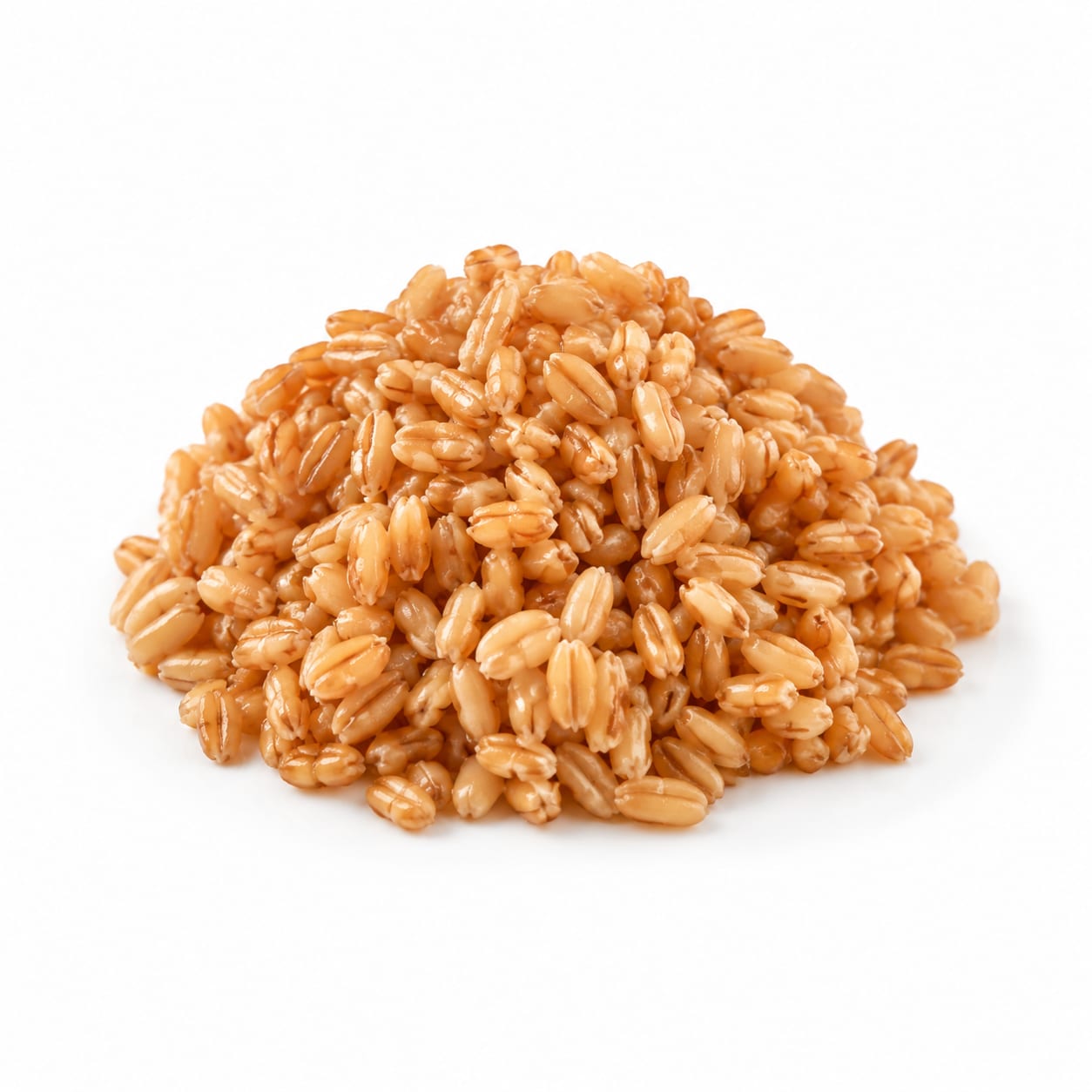
Ancient Grain
Einkorn
Einkorn is the oldest cultivated wheat, offering higher protein and antioxidants than modern wheat with a distinct nutty flavor.
Einkorn is the oldest cultivated form of wheat, domesticated around 10,000 years ago. It retains its original genetic structure, lacking the hybridization of modern wheat, and offers a rich, nutty flavor with higher protein and antioxidant content.
nutrient-dense ancient whole grain
Typical serving · 100g
Common varieties · whole einkorn berries, all-purpose einkorn flour, sifted einkorn flour, einkorn semolina
Overall context score across nutrition, safety, and diet fit
At a glance
Quick facts
Simple indicators based on nutrition, processing, and diet fit.
The story
What makes it unique
Einkorn (Triticum monococcum) is a diploid wheat species containing 14 chromosomes, compared to the 42 chromosomes of modern hexaploid wheat. Its macronutrient profile features a higher protein-to-carbohydrate ratio and elevated levels of lutein and carotenoids. Digestion is moderately paced due to intact fiber structures in whole grain forms, contributing to steady glycemic response and prolonged satiety.
Varieties: whole einkorn berries · all-purpose einkorn flour · sifted einkorn flour · einkorn semolina
Per 100g
Nutrition breakdown
Macro balance and key metrics at a glance.
Energy
Density 3.39 kcal/g
Protein
Carbs
Fat
Fiber
Sugar
1.2 g
Sodium
2 mg
Potassium
410 mg
Glycemic index
45
Glycemic load
15
Water content
10%
Standout compounds
Nutrient highlights
Lutein
highSupports eye health and reduces oxidative stress
Protein
highSupports muscle repair and increases meal satiety
Dietary Fiber
highPromotes gut motility and feeds beneficial microbiota
Carotenoids
moderateProvides cellular protection against free radical damage
B Vitamins
moderateFacilitates energy metabolism and nervous system function
Wellness map
Health scores & processing
NOVA processing scale
minimally processed · Whole food
Whole einkorn berries are unprocessed raw grains. Einkorn flour is mechanically milled without chemical refinement or bleaching, retaining the bran and germ.
Diet compatibility
- Weight loss
- Muscle gain
- Diabetes
- Gut health
- Low carb
- High protein
- Heart health
Relative standing
Food rankings
Qualitative ranks compared to similar whole foods.
- Satietyexcellent
- Blood sugargood
- Nutrient densityexcellent
- Fitness fuelgood
- Processing qualityexcellent
Eat with confidence
Food safety profile
Einkorn is typically grown on smaller organic or biodynamic farms, reducing synthetic pesticide exposure. As an agricultural grain, it can be susceptible to storage molds and mycotoxins if not kept dry. It is strictly unsafe for individuals with celiac disease despite its ancient genetics.
Evidence confidence 85%
- Pesticideslow
- Antibioticslow
- Heavy metalslow
- Contaminationlow
Watch for
- ergot
- mycotoxins
Safer choices
Certified organic einkorn to minimize any pesticide residue and ensure non-GMO status.
Prep tips
Rinse whole einkorn berries thoroughly under cold water before cooking to remove field dust and debris. Store in airtight containers in a cool, dark place to prevent rancidity of the natural oils in the germ.
Like all wheat, einkorn contains gluten and must be avoided by those with celiac disease.
Deep dive
Health analysis
How this food may fit different goals and preparation choices.
Weight loss
High fiber and protein content increase satiety, helping to control overall calorie intake by keeping you full longer.
Blood sugar
The intact bran in whole einkorn slows carbohydrate digestion, resulting in a lower glycemic response compared to refined modern wheat products.
Fitness & energy
Provides complex carbohydrates for sustained glycogen replenishment, paired with a robust amino acid profile for muscle repair.
Gut health
High dietary fiber supports beneficial gut bacteria and promotes regular bowel movements, enhancing microbiome diversity.
Processing quality
Typically consumed as a whole grain or stone-milled flour, preserving the nutrient-dense bran and germ often stripped from modern wheat.
Food safety
Naturally low pesticide risk due to heirloom farming practices, but contains gluten and poses a severe risk to those with celiac disease.
Common mistakes
Assuming einkorn is gluten-free; it contains gluten and is unsafe for celiacs. Also, over-kneading einkorn dough leads to sticky, dense baked goods due to its weaker gluten network.
Best preparation
Simmer whole berries as a chewy grain bowl base or porridge. When baking, use gentle mixing and add extra hydration to compensate for the flour's high absorption rate.
Practical guide
Best use cases
When and how this food fits real eating patterns.
Nutrient-dense grain bowl base
Use cooked whole einkorn berries as a high-protein, chewy alternative to rice or quinoa in savory bowls.
Satiating morning porridge
Simmer cracked einkorn or whole berries with milk and spices for a high-fiber breakfast that stabilizes morning blood sugar.
Gentle digestion baking
Bake with einkorn flour for a nutty flavor and a gluten structure that is often easier on the digestive system for non-celiacs.
Sustained endurance fuel
Consume einkorn-based meals before long endurance events for slow-releasing complex carbohydrates.
Balance sheet
Pros & cons
Upsides
- Higher protein and lutein than modern wheat
- Lower glycemic index when consumed as whole berries
- Simpler gluten structure is easier to digest for some
- Rich, nutty flavor enhances culinary profiles
- Typically grown without synthetic pesticides
- High fiber content supports prolonged satiety
Trade-offs
- Contains gluten and is unsafe for celiacs
- Weaker gluten makes baking textures denser and trickier
- More expensive and less accessible than modern wheat
- Longer cooking time required for whole berries
- Lower yield farming makes it less sustainable at scale
Fit check
Who is it for?
Great match
- ancient grain enthusiasts
- people with mild wheat sensitivity
- high-fiber diets
- endurance athletes seeking complex carbs
- whole food plant-based diets
Consider alternatives
- celiac disease
- strict ketogenic diets
- low-calorie diets
- those needing quick-cooking meals
Side by side
How it compares
Open the full head-to-head analysis for nutrition, safety, and practical tradeoffs.
This food
Einkorn
VS92% alike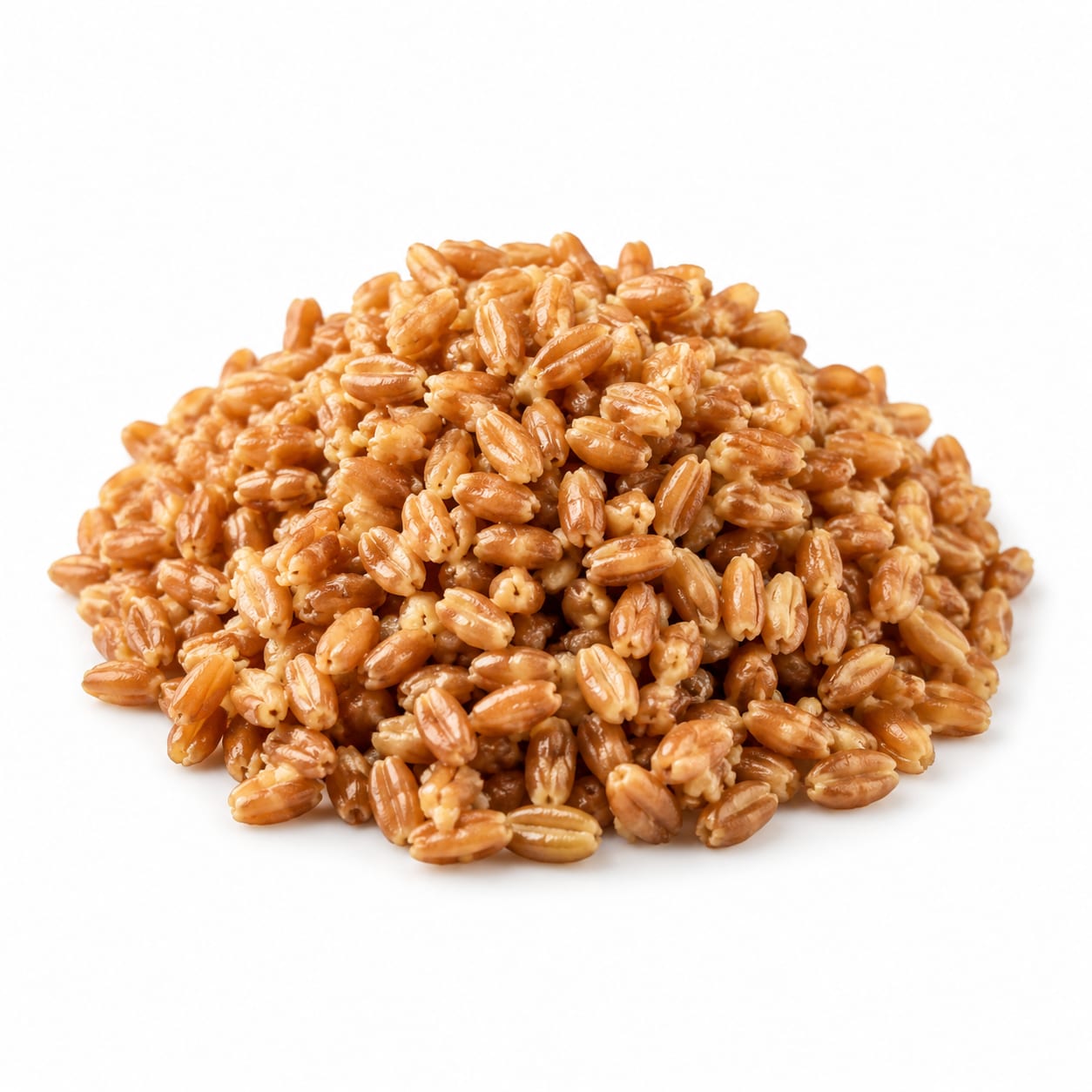
Compare with
Spelt
Einkorn is older and has a simpler genetic structure, while spelt yields lighter baked goods.
Einkorn offers more protein and antioxidants than spelt, but spelt is easier to bake with and yields lighter textures.
This food
Einkorn
VS85% alike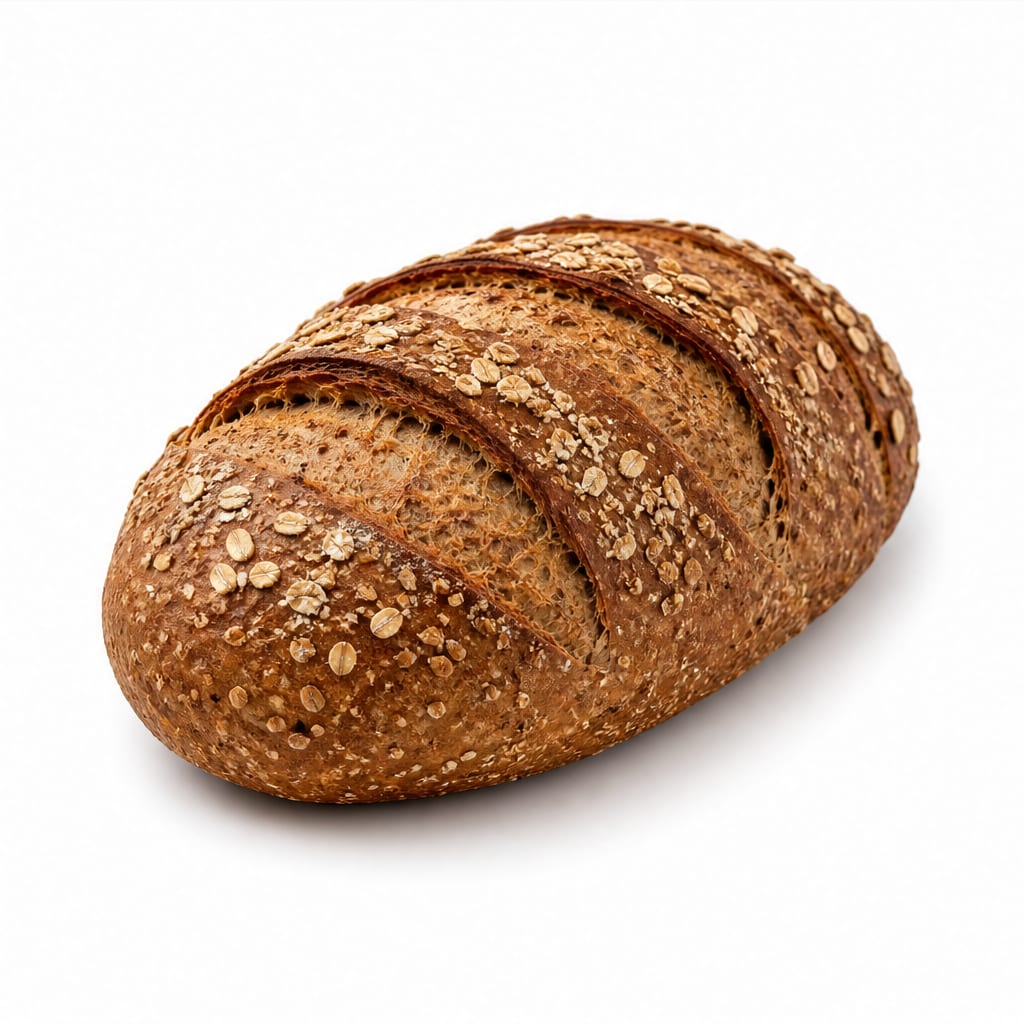
Compare with
Modern Whole Wheat
Einkorn provides more protein and lutein, while modern wheat is cheaper and bakes with a stronger rise.
Einkorn beats modern wheat in protein and antioxidant content, but modern wheat is more versatile for baking and budget-friendly.
This food
Einkorn
VS90% alike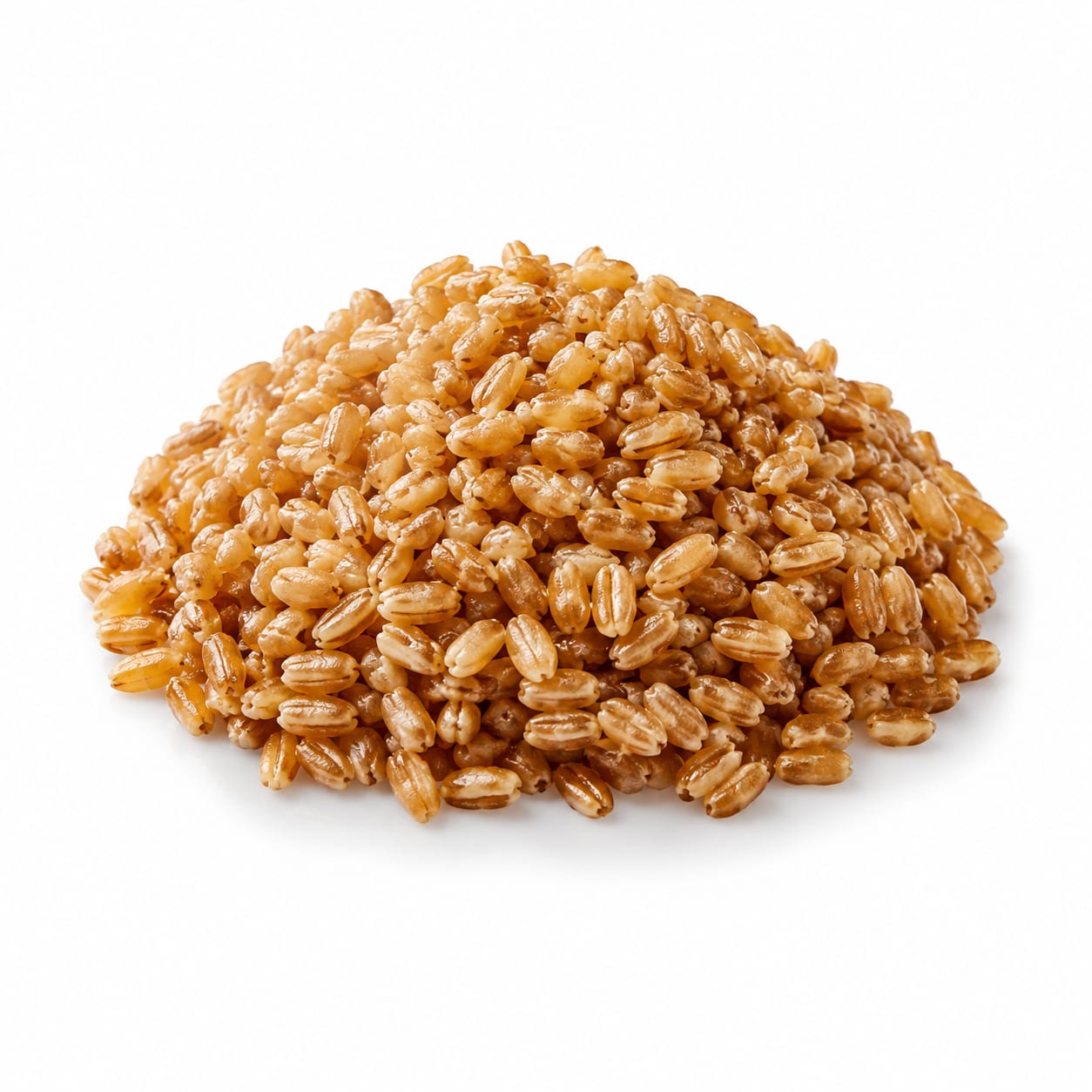
Compare with
Emmer
Einkorn has a softer texture and higher carotenoid content, whereas emmer is slightly firmer and chewier.
Einkorn is richer in eye-protecting lutein, while emmer provides a chewier bite better suited for hearty grain salads.
This food
Einkorn
VS82% alike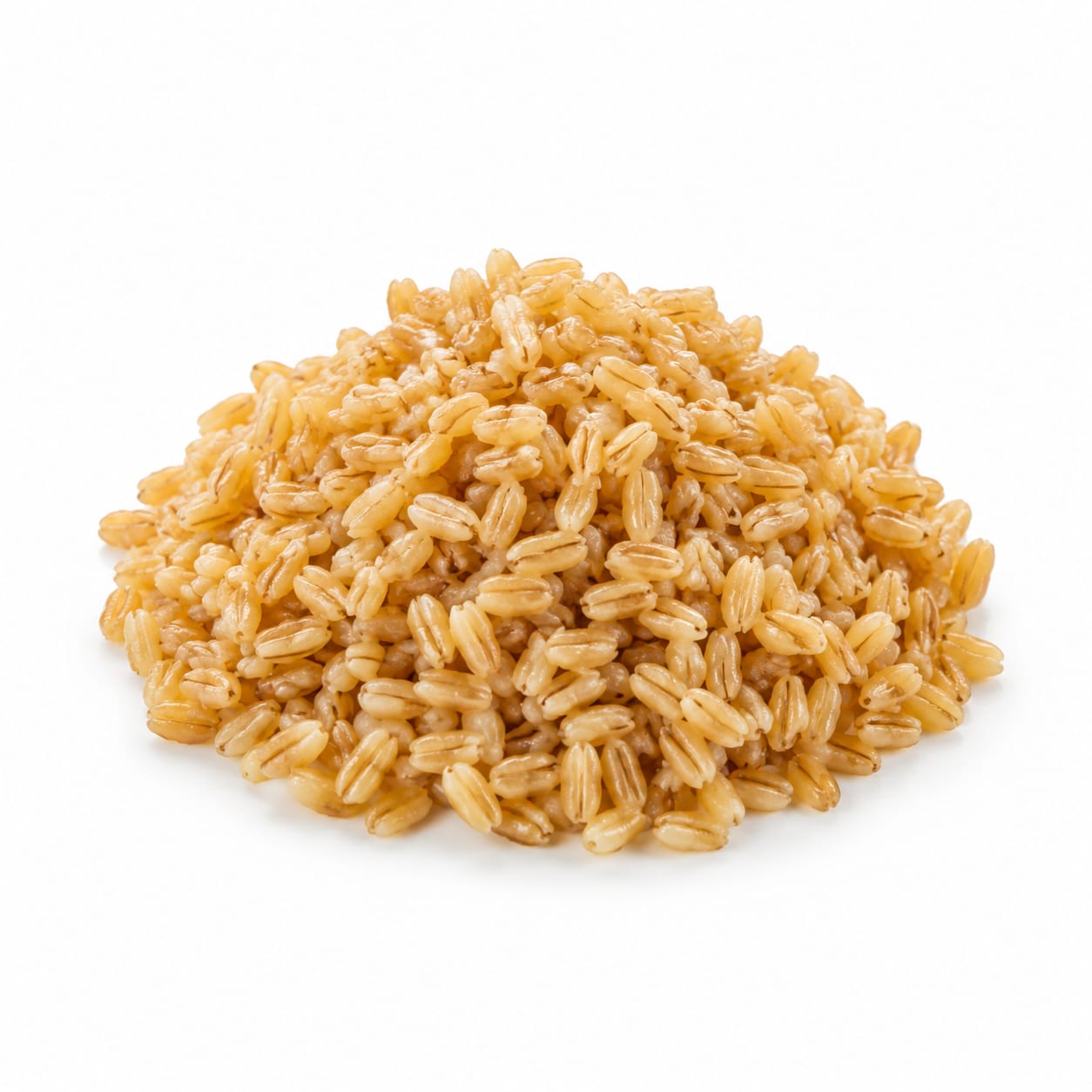
Compare with
Kamut
Kamut is larger and sweeter, while einkorn is smaller and packs more lutein per gram.
Kamut offers a sweeter, buttery flavor and larger berries, while einkorn provides superior antioxidant benefits and lower calories.
This food
Einkorn
VS65% alike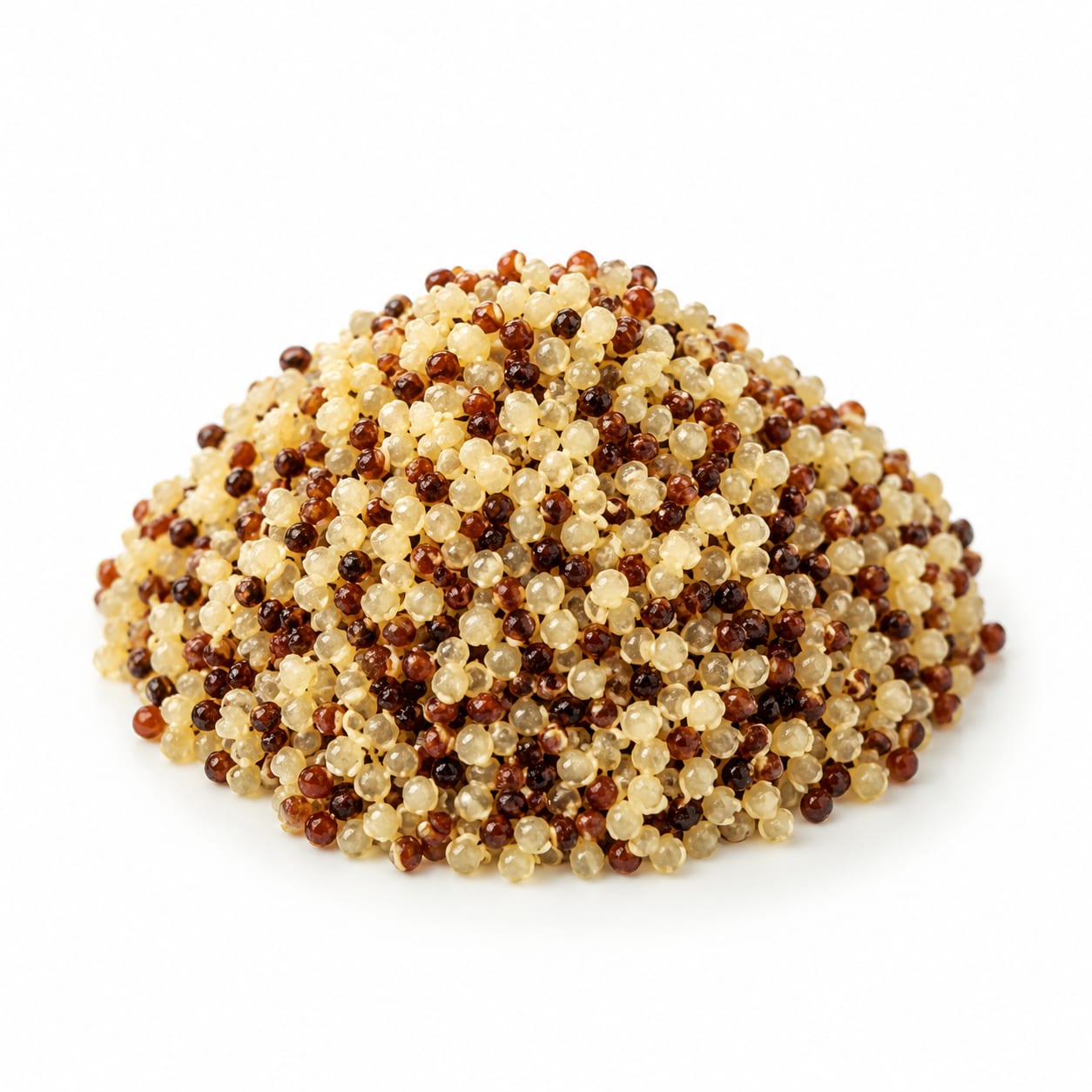
Compare with
Quinoa
Quinoa is a complete protein and gluten-free, whereas einkorn has more overall protein and lutein but contains gluten.
Quinoa is the better choice for gluten-free diets and complete protein, while einkorn wins on fiber and satiety if gluten is tolerated.
This food
Einkorn
VS70% alike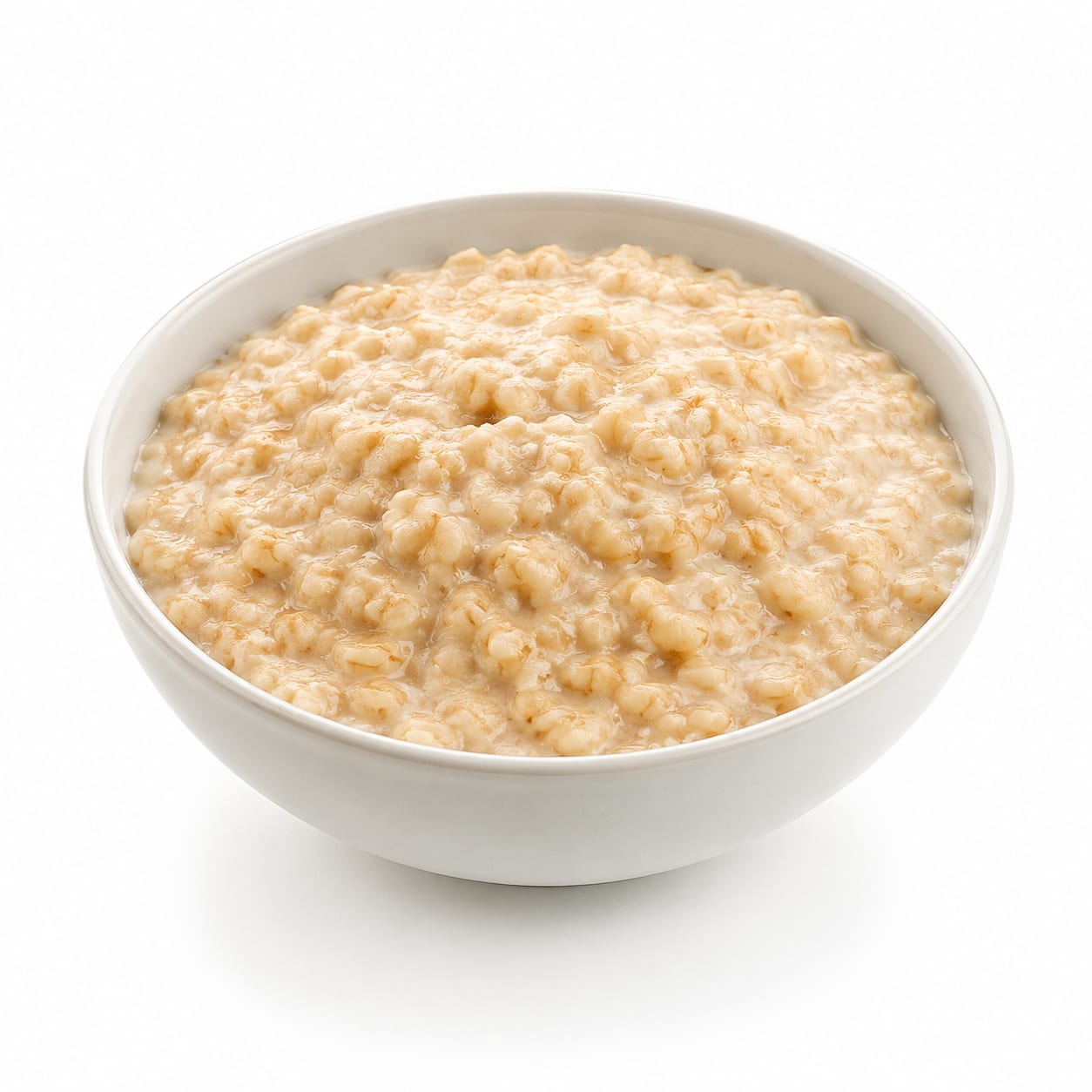
Compare with
Oats
Oats are higher in beta-glucan for cholesterol, while einkorn is higher in protein and antioxidants.
Oats are better for heart health via beta-glucan, while einkorn provides more protein and unique antioxidants for cellular health.
This food
Einkorn
VS60% alike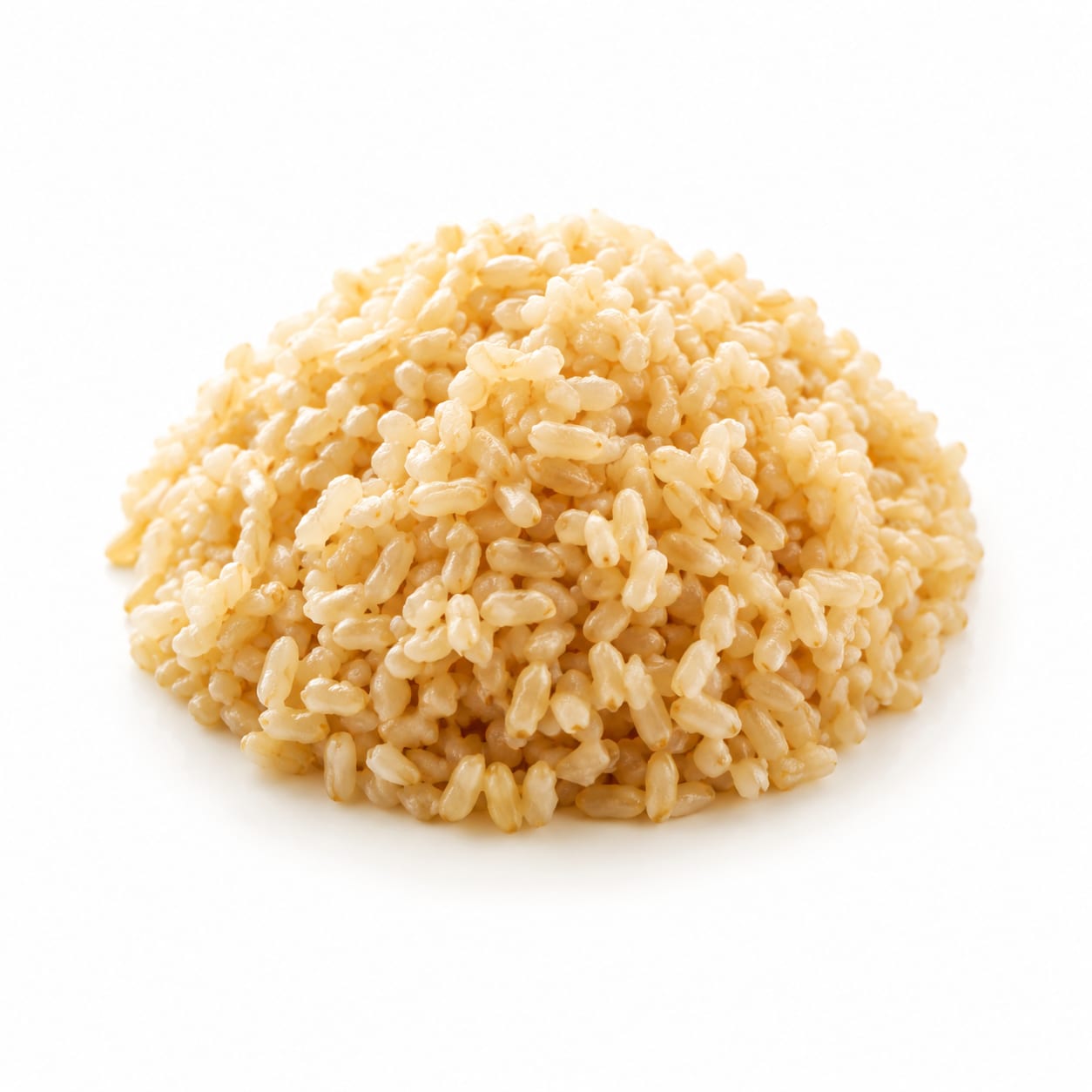
Compare with
Brown Rice
Einkorn is significantly higher in protein and fiber, while brown rice is gluten-free.
Einkorn provides far more protein and antioxidants than brown rice, though brown rice is the safer option for gluten-free diets.
This food
Einkorn
VS68% alike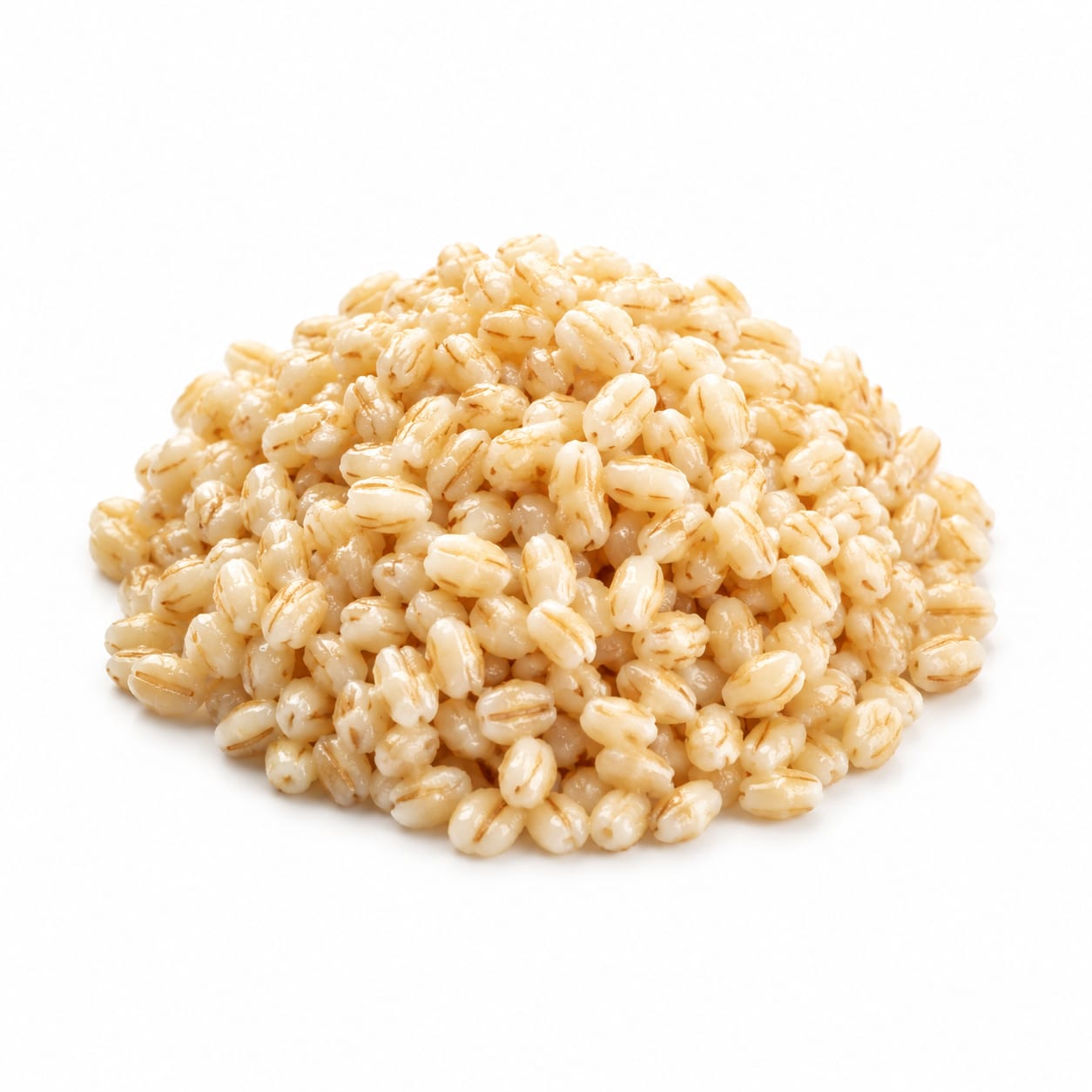
Compare with
Barley
Barley is extremely high in soluble fiber, while einkorn offers more protein and a richer micronutrient profile.
Barley excels at lowering cholesterol with soluble fiber, while einkorn delivers more protein and a superior amino acid profile.
This food
Einkorn
VS72% alike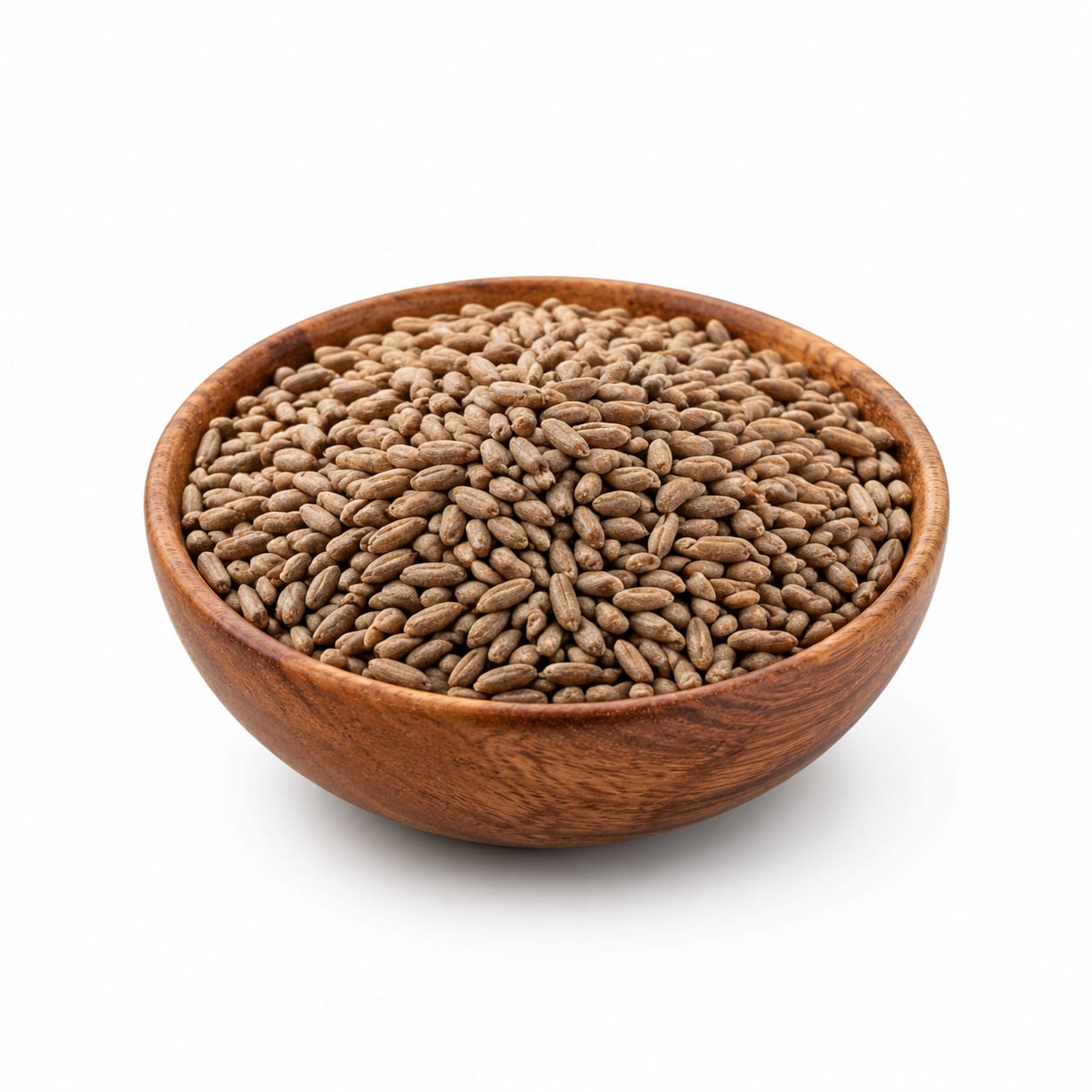
Compare with
Rye
Rye has an exceptionally low GI, while einkorn boasts higher protein and lutein.
Rye is superior for minimizing blood sugar spikes, but einkorn provides more protein and a milder, nuttier flavor for baking.
This food
Einkorn
VS55% alike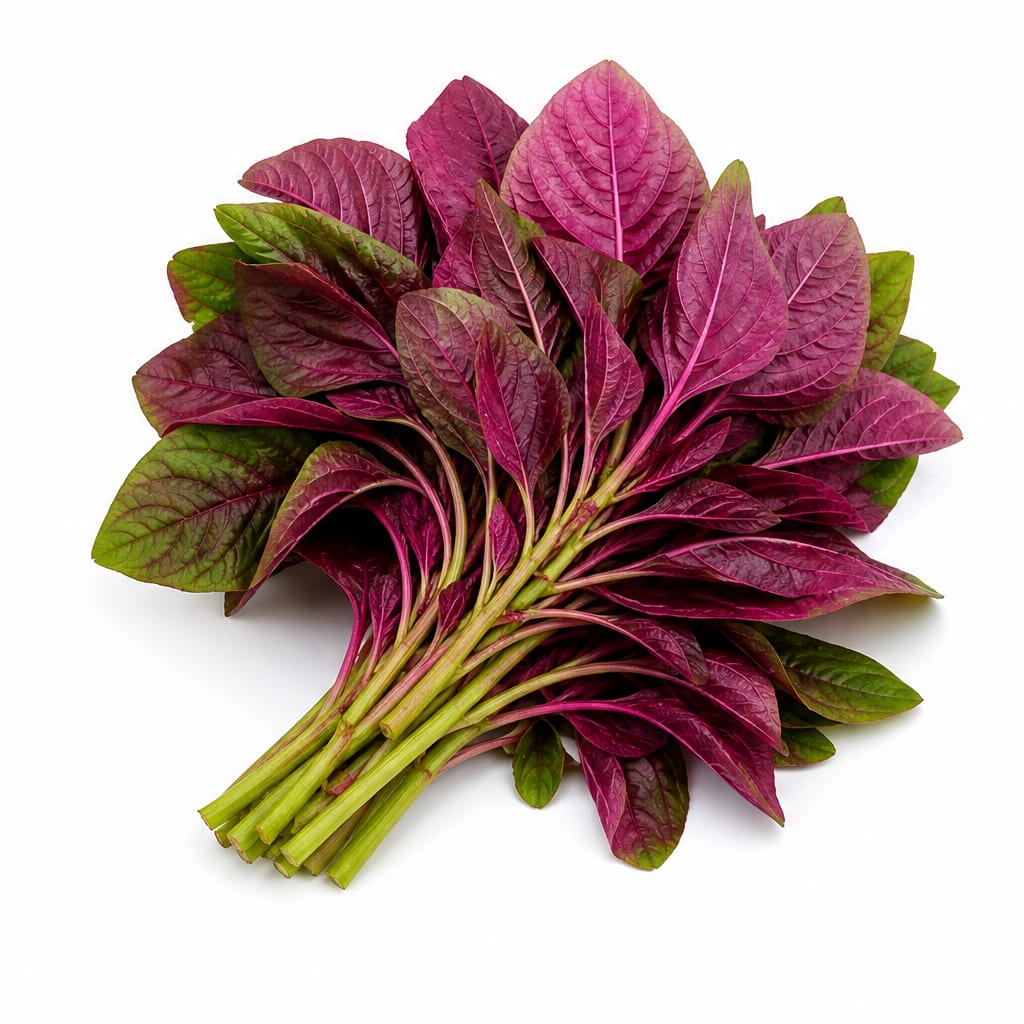
Compare with
Amaranth
Amaranth is a gluten-free pseudo-cereal with complete protein, while einkorn is a true grain with more lutein.
Amaranth is the winner for gluten-free, complete protein, while einkorn offers better satiety and more eye-protecting lutein.
Common questions
FAQ
Answers aligned with how people search for this food.
Is einkorn healthier than regular wheat?
Einkorn generally offers more protein, fiber, and antioxidants like lutein than modern wheat. Its simpler genetic structure also makes it easier to digest for some people, though it is not gluten-free.
Can you eat einkorn if you are gluten intolerant?
Some people with mild wheat sensitivities report tolerating einkorn better due to its simpler, weaker gluten structure. However, it still contains gluten and is strictly unsafe for anyone with celiac disease.
Does einkorn flour bake like regular flour?
Einkorn flour absorbs more liquid and requires less kneading than modern wheat flour. Over-kneading makes it sticky and tough, so gentle mixing produces the best results.
Is einkorn good for diabetics?
Whole einkorn has a lower glycemic index than modern refined wheat because its intact fiber slows sugar absorption, making it a better carbohydrate choice for blood sugar control.
What does einkorn taste like?
Einkorn has a distinct, rich, and nutty flavor with a slightly sweeter profile compared to the more neutral taste of modern whole wheat.
Is einkorn anti-inflammatory?
Einkorn contains higher levels of carotenoids and antioxidants, which help combat oxidative stress. Whole grains are generally associated with reduced inflammation compared to refined grains.
How do you cook whole einkorn berries?
Rinse the berries, then soak them overnight to reduce cooking time. Boil them in water or broth for about 30-40 minutes if soaked, or up to an hour if unsoaked, until tender and chewy.
Why is einkorn more expensive than regular wheat?
Einkorn yields fewer bushels per acre than modern wheat, has a tougher hull that requires special milling, and is grown on a much smaller scale, all of which increase its market price.
Transparency
Data confidence
Estimated confidence for nutrition data, interpretation, safety notes, and comparisons.
Nutrition data
Health analysis
Food safety
Comparisons