
Nutrition comparison
Einkorn vs Modern Whole Wheat: Nutrition, Digestion & Baking Comparison
Compare Einkorn vs Modern Whole Wheat to see which is better for digestion, baking, and nutrition. Discover the ancient grain tradeoffs.
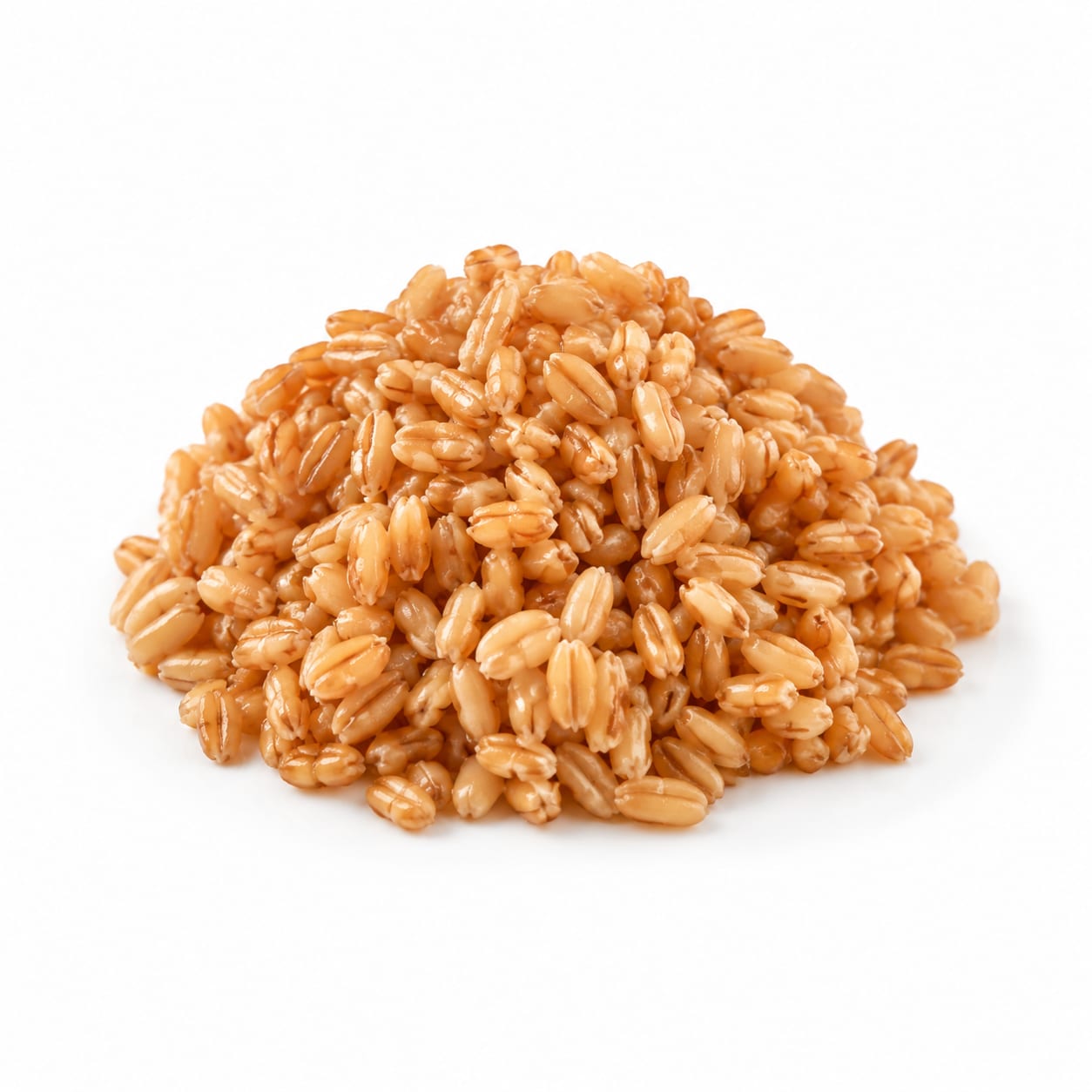
Einkorn
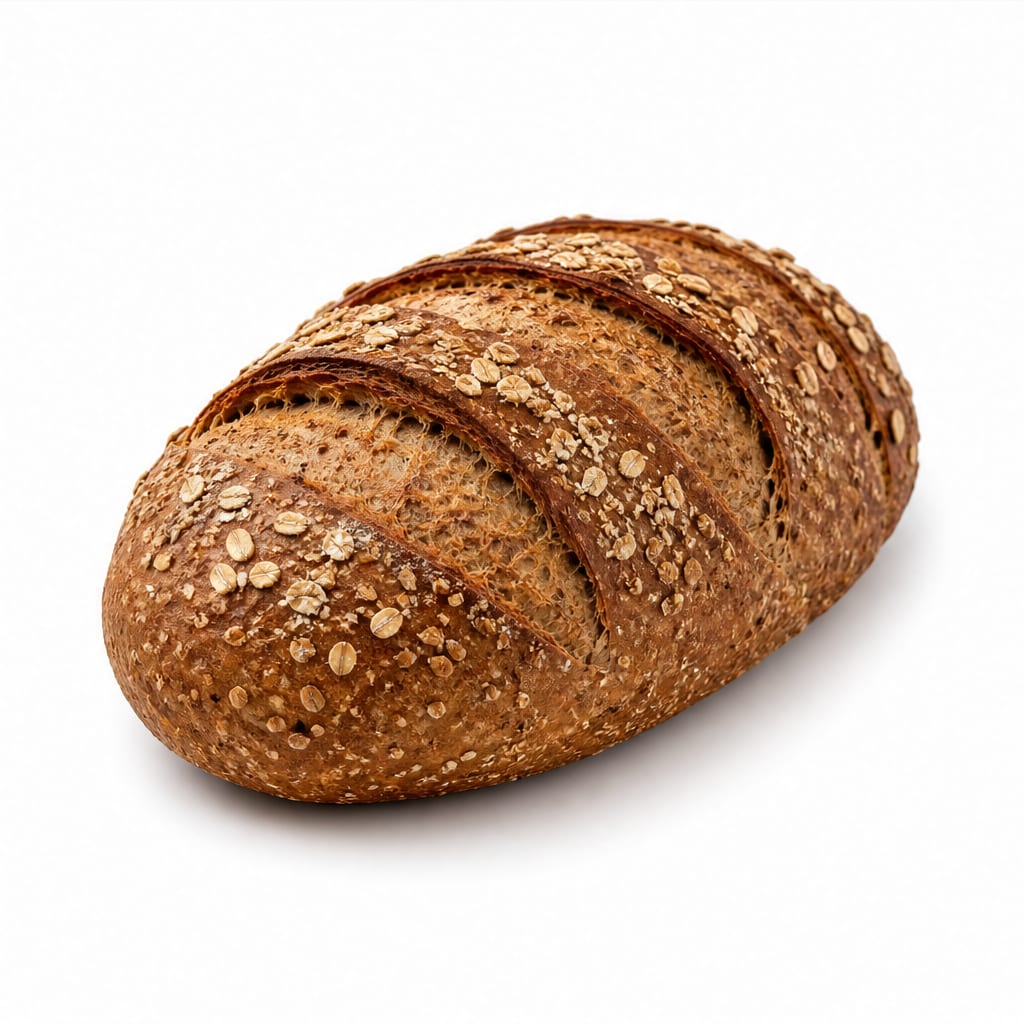
Modern Whole Wheat
Einkorn offers superior nutrition and easier digestion, while Modern Whole Wheat wins on affordability, availability, and baking performance.
Einkorn scores higher for health and digestion, but Modern Whole Wheat's massive practicality and fiber content keep it competitive.
You trade convenience and cost for better gut comfort and higher antioxidants.
At a glance
Executive summary
Overall
It depends
Healthier
Einkorn
More practical
Modern Whole Wheat
Daily use
It depends
Key comparison lenses
Ancient grain vs modern wheat tolerance
Many people choose Einkorn specifically because they struggle to digest modern wheat, making gut comfort the primary decision driver.
Nutrient density and antioxidant comparison
Einkorn is heavily marketed for its superior nutrition profile, which users want validated against standard whole wheat.
Baking performance and culinary tradeoffs
Einkorn behaves very differently in recipes due to its weak gluten, a major practical hurdle for home bakers.
Pesticide and glyphosate exposure
Modern wheat is commonly desiccated with glyphosate before harvest, a concern that drives many toward ancient grains.
Best choice for
Einkorn
- People with mild gluten sensitivity
- Those prioritizing antioxidant intake
- Bakers making flatbreads or pastries
Modern Whole Wheat
- Budget-conscious families
- Sourdough bakers needing a strong rise
- People who need easy grocery access
Least suitable for
Einkorn
- Celiacs (still contains gluten)
- Those on a tight grocery budget
- People wanting fluffy sandwich bread
Modern Whole Wheat
- People with modern wheat sensitivity
- Those avoiding glyphosate exposure
- Individuals seeking peak nutrient density
Deep comparison
Dimension by dimension
Each lens scores both foods and breaks down who each option suits.
- Dimension 1 · Priority 95Einkorn
Nutrient Density & Antioxidants
Einkorn · 92Modern Whole Wheat · 75Einkorn packs significantly more protein, lutein, and carotenoids than Modern Whole Wheat.
Tradeoff
You get a bigger nutritional punch per serving, but you pay a premium for it.
Why it matters
Higher antioxidant intake supports eye health and reduces cellular aging over time.
Real-world impact
You get more nourishment from a smaller portion, making meals more nutrient-dense.
Einkorn
- Eye health
- Cellular aging defense
- Higher protein intake per calorie
Better for
- Affordability
Worse for
Modern Whole Wheat
- Standard daily fiber needs
Better for
- Maximizing micronutrient intake
Worse for
- Dimension 2 · Priority 90Einkorn
Digestive Tolerance & Gluten Profile
Einkorn · 85Modern Whole Wheat · 60Einkorn's simpler gluten structure is often much easier on the stomach than modern wheat.
Tradeoff
Einkorn digests comfortably for many, but its weak gluten makes baking fluffy bread nearly impossible.
Why it matters
Bloating and brain fog after meals often link back to modern wheat gluten, which Einkorn may avoid.
Real-world impact
You can enjoy pasta or flatbread without the heavy, bloated feeling that often follows modern wheat meals.
Einkorn
- Mild gluten sensitivity
- Reduced bloating
- Gut comfort
Better for
- Celiac disease safety (still unsafe)
Worse for
Modern Whole Wheat
- Baking high-rise breads
Better for
- Post-meal digestive discomfort
Worse for
- Dimension 3 · Priority 85Modern Whole Wheat
Baking Versatility & Culinary Performance
Einkorn · 55Modern Whole Wheat · 90Modern Whole Wheat provides the strong gluten network needed for airy, risen breads; Einkorn is best for dense, rustic bakes.
Tradeoff
You sacrifice the perfect sandwich loaf if you choose the ancient grain.
Why it matters
If baking is a daily habit, frustration with dense loaves can derail your dietary goals.
Real-world impact
Modern Whole Wheat gives you a lofty, satisfying slice; Einkorn gives you a dense, hearty, pancake-like texture.
Einkorn
- Rustic flatbreads
- Cookies and pancakes
- Tender pastries
Better for
- Light and airy textures
Worse for
Modern Whole Wheat
- Sandwich bread
- Sourdough loaves
- Chewy pizza crust
Better for
- Delicate, tender crumb structures
Worse for
- Dimension 4 · Priority 80Modern Whole Wheat
Cost & Accessibility
Einkorn · 40Modern Whole Wheat · 95Modern Whole Wheat is a budget staple found everywhere; Einkorn is a specialty item with a premium price tag.
Tradeoff
Einkorn's health benefits come at a significantly higher grocery bill and require specialty shopping.
Why it matters
The best food for you is the one you can actually afford and find consistently.
Real-world impact
Modern Whole Wheat costs pennies per serving at any grocery store; Einkorn requires online orders or health food stores.
Einkorn
- Investment in premium nutrition
Better for
- Feeding a large family affordably
Worse for
Modern Whole Wheat
- Weekly grocery budgets
- One-stop shopping convenience
Better for
- Prioritizing rare, ancient varieties
Worse for
- Dimension 5 · Priority 75Einkorn
Pesticide & Contamination Risk
Einkorn · 88Modern Whole Wheat · 65Einkorn is typically grown organically and is naturally resistant to pests; modern wheat is often sprayed with glyphosate before harvest.
Tradeoff
Choosing Einkorn reduces your chemical exposure but limits your buying options.
Why it matters
Glyphosate residues can disrupt gut bacteria and contribute to inflammation over time.
Real-world impact
You eat with less worry about hidden agricultural chemicals when you choose Einkorn.
Einkorn
- Clean eating
- Gut microbiome protection
Better for
- Higher cost to avoid chemicals
Worse for
Modern Whole Wheat
- Conventional availability
Better for
- Glyphosate and pesticide residue risk
Worse for
Timeline
Health impact over time
Short-term
Hours to days
Einkorn
- Less post-meal bloating
- Steadier energy without a crash
- Feeling lighter after carb-heavy meals
Modern Whole Wheat
- Faster satiety from dense fiber
- Possible digestive heaviness or gas
- Stronger blood sugar response if highly processed
Long-term
Months to years
Einkorn
- Better eye health from high lutein
- Lower cumulative pesticide exposure
- Potentially reduced systemic inflammation
Modern Whole Wheat
- Excellent heart health from consistent fiber
- Possible worsening of gluten sensitivity
- Higher exposure to agricultural chemicals
Risk profile
Safety & processing
Both are whole grains with minimal processing, but Einkorn remains closer to its wild, unhybridized roots, while Modern Whole Wheat has been heavily bred for agricultural yield.
Einkorn
Gluten exposure for Celiacs
highDespite being easier to digest, Einkorn still contains gluten and is strictly unsafe for those with Celiac disease.
Modern Whole Wheat
Glyphosate residue
mediumConventional modern wheat is often desiccated with glyphosate before harvest, leaving trace residues that may irritate the gut lining.
Who wins for whom
Audience fit
Same foods, different winners depending on your goal.
children
Modern Whole WheatModern Whole Wheat is more familiar, easier to bake with for kid-friendly textures, and far more affordable for growing appetites.
daily consumption
It dependsModern Whole Wheat is more practical for daily use, but Einkorn is better if your budget allows and you value gut comfort and nutrient density.
diabetes
It dependsBoth are whole grains with moderate glycemic loads. Einkorn may cause a slightly lower blood sugar spike, but Modern Whole Wheat's fiber also helps stabilize glucose.
elderly
EinkornEinkorn's superior lutein supports aging eyes, and its softer gluten is often easier for older digestive systems to handle.
muscle gain
EinkornEinkorn has a higher protein content per serving, giving a slight edge for muscle repair, though neither is a primary protein source.
weight loss
It dependsEinkorn's higher protein keeps you full, but Modern Whole Wheat's fiber and lower calorie density also support weight loss. It depends on which keeps your cravings in check.
Your move
Decision guide
Choose Einkorn
- You experience bloating or fatigue after eating regular wheat
- You want to maximize antioxidants and protein from your grains
- You are concerned about pesticide and glyphosate exposure
- You enjoy rustic, dense baking like flatbreads and muffins
Choose Modern Whole Wheat
- You bake sandwich breads or sourdough and need a strong rise
- You are feeding a family on a budget
- You want easy, one-stop grocery availability
- You have no issues digesting modern wheat
Either works if
- You simply want a whole grain source of daily fiber
- You are mixing flours to balance nutrition and baking performance
Avoid both if
- You have Celiac disease or a severe gluten allergy
- You are strictly following a keto or very low-carb diet
Final recommendation
Choose Einkorn if your body reacts poorly to modern wheat or you want peak nutrient density, but stick with Modern Whole Wheat if you need an affordable, versatile staple that bakes beautifully and digests fine for you.
Practical
Consumer tips
- 1
If Einkorn is too expensive, try mixing it 50/50 with Modern Whole Wheat flour to get some benefits while maintaining baking quality.
- 2
Always look for organic Modern Whole Wheat to avoid glyphosate desiccation residues.
- 3
Einkorn dough requires less water and less kneading than modern wheat dough—overworking it makes it crumbly.
- 4
If you feel sluggish after regular pasta, try Einkorn pasta to see if the simpler gluten makes a difference for your energy.