
Nutrition comparison
Einkorn vs Quinoa: Which Ancient Grain Is Healthier?
Compare Einkorn and Quinoa to find out which is better for gluten sensitivity, protein quality, and daily meals. Discover the nutritional tradeoffs.
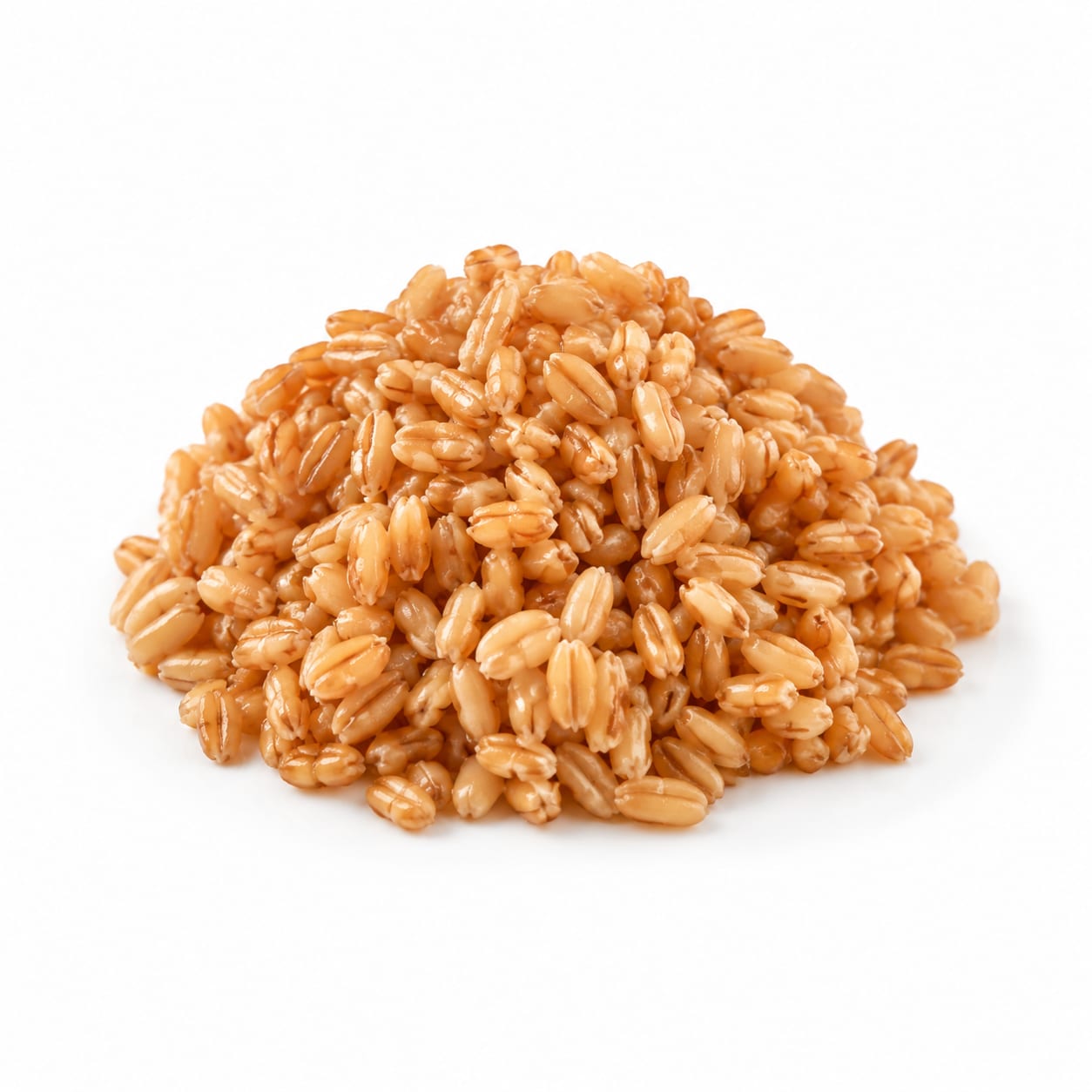
Einkorn
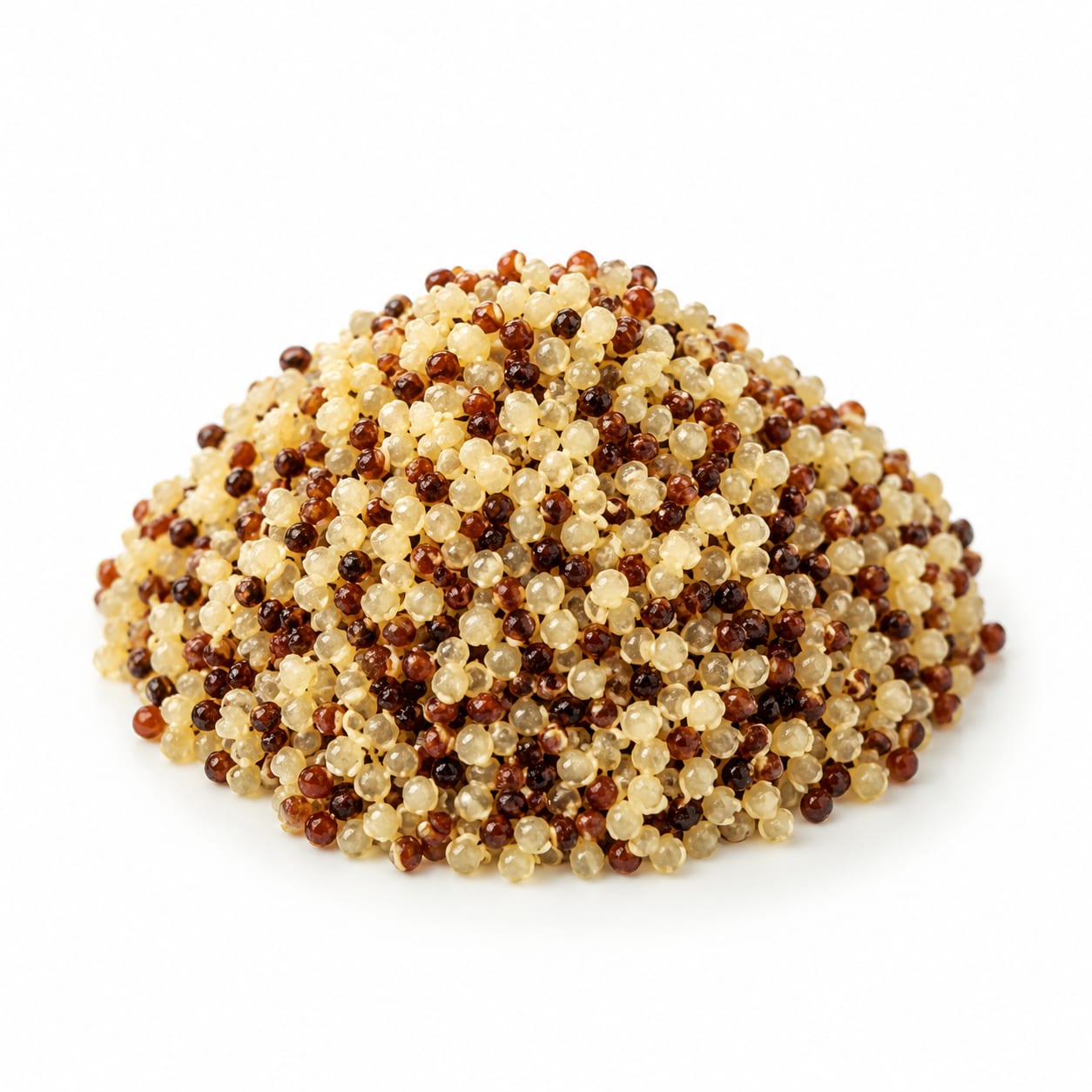
Quinoa
Quinoa wins for universal digestibility and complete protein, but Einkorn is the superior choice for those who tolerate wheat and want a nutrient-dense ancient grain with exceptional eye-health benefits.
Quinoa scores higher overall due to its complete protein and gluten-free status, making it accessible to a wider audience. Einkorn scores well for nutrient density but is held back by its gluten content and longer cook times.
Gluten-free completeness versus ancient wheat's unique antioxidant profile and satiating texture.
At a glance
Executive summary
Overall
It depends
Healthier
It depends
More practical
Quinoa
Daily use
Quinoa
Key comparison lenses
Gluten tolerance and digestive compatibility
Einkorn contains a gentler gluten structure often tolerated by those with mild wheat sensitivity, while Quinoa is naturally gluten-free, making this the primary deciding factor for many.
Protein quality and amino acid profile
Quinoa is a rare plant-based complete protein, whereas Einkorn, while high in protein, lacks sufficient lysine.
Antioxidant density and specific health benefits
Einkorn is uniquely rich in lutein for eye health, while Quinoa offers potent anti-inflammatory antioxidants like quercetin.
Meal versatility and cooking convenience
Quinoa cooks faster and substitutes seamlessly into more dishes, while Einkorn often requires longer boiling or specific baking techniques.
Best choice for
Einkorn
- People with mild wheat sensitivity who are not celiac
- Bakers seeking nutrient-dense, flavorful flour
- Anyone wanting to boost lutein for eye health
- Those missing the satisfying chew of traditional wheat berries
Quinoa
- Celiacs and anyone strictly avoiding gluten
- Vegans and vegetarians needing complete protein
- Meal preppers wanting a quick-cooking base
- People with sensitive digestion needing a light, easy-to-digest grain
Least suitable for
Einkorn
- Celiacs or those with severe gluten intolerance
- Anyone needing a quick 15-minute meal
- People strictly following a gluten-free diet
Quinoa
- People allergic to saponins or seeds
- Those seeking the specific baking properties of wheat gluten
- Individuals who find the earthy flavor overpowering
Deep comparison
Dimension by dimension
Each lens scores both foods and breaks down who each option suits.
- Dimension 1 · Priority 90Quinoa
Protein Quality
Einkorn · 70Quinoa · 95Quinoa provides all nine essential amino acids, making it a complete protein. Einkorn has high total protein but is deficient in lysine.
Tradeoff
You get more total protein per serving from Einkorn, but Quinoa's protein is more usable by your body.
Why it matters
Complete proteins support muscle repair and metabolic function without needing to be paired with other foods.
Real-world impact
A Quinoa bowl keeps you full and fueled on its own, whereas Einkorn needs beans or legumes to form a complete protein meal.
Einkorn
- Higher total protein content per raw serving
Better for
- Missing enough lysine to be considered complete
Worse for
Quinoa
- Complete amino acid profile
- Better standalone protein source for plant-based diets
Better for
- Slightly lower total protein per serving compared to Einkorn
Worse for
- Dimension 2 · Priority 95Quinoa
Digestive Tolerance and Gluten
Einkorn · 40Quinoa · 100Quinoa is naturally gluten-free and easy on the gut. Einkorn contains gluten, though its simpler structure is often less reactive than modern wheat.
Tradeoff
Einkorn offers the chew and structure of wheat with less bloating for some, but it remains strictly unsafe for celiacs, unlike Quinoa.
Why it matters
Gluten reactions can cause severe inflammation and digestive distress, making this a non-negotiable factor for many.
Real-world impact
If you have celiac disease, Quinoa is your only safe choice here. If modern wheat makes you bloated, Einkorn might be worth a careful test.
Einkorn
- May be tolerated by those with non-celiac gluten sensitivity
- Provides the binding and chew that gluten-free diets miss
Better for
- Contains gluten and is unsafe for celiacs
Worse for
Quinoa
- 100% gluten-free and celiac-safe
- Lighter on the stomach for most people
Better for
- Lacks the elastic texture that makes wheat products satisfying
Worse for
- Dimension 3 · Priority 85It depends
Antioxidant and Micronutrient Profile
Einkorn · 90Quinoa · 85Einkorn is a lutein powerhouse for eye health, while Quinoa brings potent anti-inflammatory flavonoids like quercetin.
Tradeoff
You choose between superior vision support and stronger cellular defense against inflammation.
Why it matters
Chronic diseases often stem from either oxidative stress or inflammation, making these micronutrients crucial long-term.
Real-world impact
Eating Einkorn regularly is like wearing an internal pair of blue-light glasses; eating Quinoa is like taking a natural anti-inflammatory.
Einkorn
- Exceptionally high lutein for eye health
- Higher carotenoids than modern wheat
Better for
- Lower in overall anti-inflammatory flavonoids compared to Quinoa
Worse for
Quinoa
- Rich in quercetin and kaempferol for inflammation
- Higher in folate and several B vitamins
Better for
- Significantly less lutein for vision protection
Worse for
- Dimension 4 · Priority 75Quinoa
Cooking Convenience and Versatility
Einkorn · 55Quinoa · 90Quinoa cooks in 15 minutes and works in sweet or savory dishes. Whole Einkorn berries take up to an hour and are less versatile.
Tradeoff
Quinoa saves time on busy weeknights, while Einkorn rewards patience with a heartier, more robust chew.
Why it matters
If a healthy food takes too long to cook, you are less likely to eat it when tired or busy.
Real-world impact
Quinoa is a realistic 20-minute weeknight dinner base; Einkorn usually requires weekend meal prep or soaking overnight.
Einkorn
- Flour makes incredibly flavorful, textured baked goods
- Hearty chew holds up well in robust winter salads
Better for
- Whole berries take 45-60 minutes to cook
- Limited quick-meal applications
Worse for
Quinoa
- Cooks in 15 minutes without soaking
- Seamlessly substitutes for rice, oats, or couscous
Better for
- Can become mushy if overcooked
- Earthy flavor occasionally overpowers delicate dishes
Worse for
Timeline
Health impact over time
Short-term
Hours to days
Einkorn
- Provides long-lasting, steady energy due to complex carbs
- May cause bloating if you are sensitive to gluten
- Very filling, reducing the urge to snack between meals
Quinoa
- Quick, light energy without the heavy feeling of wheat
- Promotes smooth digestion and regularity
- Must be rinsed well or it can cause a bitter taste and mild stomach upset
Long-term
Months to years
Einkorn
- Lutein content supports long-term vision and retinal health
- Replacing modern wheat with Einkorn may reduce systemic inflammation
- Sustained intake of whole grain fiber lowers cardiovascular risk
Quinoa
- Complete protein helps preserve muscle mass as you age
- Quercetin supports immune resilience and reduces chronic inflammation
- Consistent fiber intake improves gut microbiome diversity
Risk profile
Safety & processing
Both are whole, ancient foods largely untouched by modern agricultural breeding. Einkorn is the oldest form of cultivated wheat, and Quinoa has been grown in the Andes for millennia. Neither typically contains artificial additives when purchased as whole grains.
Einkorn
Gluten exposure
highContains gluten. Strictly unsafe for anyone with celiac disease or a severe wheat allergy.
Quinoa
Saponin residue
mediumNaturally coated in bitter saponins that can cause digestive upset if not thoroughly rinsed before cooking.
Cross-contamination
mediumOften processed in facilities that handle wheat; celiacs must look for certified gluten-free labels to be safe.
Who wins for whom
Audience fit
Same foods, different winners depending on your goal.
children
QuinoaQuinoa is gluten-free, easy to digest, and provides complete protein crucial for growing bodies.
daily consumption
QuinoaQuinoa is more versatile, cooks faster, and fits into nearly any dietary restriction seamlessly.
diabetes
It dependsBoth have moderate glycemic loads, but Einkorn berries are slightly slower to digest, while Quinoa offers steadier blood sugar without the gluten risks.
elderly
QuinoaQuinoa is softer to chew, easier to digest, and its complete protein helps prevent age-related muscle loss.
muscle gain
QuinoaQuinoa provides a complete amino acid profile, which is essential for efficient muscle repair and growth.
weight loss
QuinoaQuinoa is lower in calorie density and higher in fiber per serving, keeping you full on fewer calories.
Your move
Decision guide
Choose Einkorn
- You have a mild wheat sensitivity but are not celiac and miss eating real bread
- You want to maximize lutein intake for eye health
- You are baking from scratch and want rich, nutty flavor and better texture
- You are looking for a satisfying, chewy grain for hearty winter bowls
Choose Quinoa
- You are celiac, gluten-free, or cooking for someone who is
- You need a quick-cooking, complete protein for plant-based meals
- You want a light, fluffy base for meal prep on busy weeknights
- You have digestive issues and need something gentle on the stomach
Either works if
- You want to increase your whole grain intake for heart health
- You are looking for alternatives to refined white rice or pasta
- You want to add more diverse antioxidants to your diet
Avoid both if
- You are strictly following a strict ketogenic or very low-carb diet
- You have a severe allergy to wheat or seeds
- You are looking for a high-protein substitute and do not tolerate plant-based proteins well
Final recommendation
Keep Quinoa as your everyday staple for its quick cooking, complete protein, and gluten-free safety. Treat Einkorn as a premium upgrade when you have the time to cook it and want the nostalgic satisfaction of wheat without the drawbacks of modern varieties.
Practical
Consumer tips
- 1
Always rinse Quinoa under cold water for 30 seconds to wash off bitter saponins, even if the bag says pre-rinsed.
- 2
Soak Einkorn berries overnight to cut the cooking time from 60 minutes down to 25 minutes.
- 3
If baking with Einkorn flour, use less water than modern wheat recipes call for; it absorbs liquids differently.
- 4
Buy certified gluten-free Quinoa if you have celiac disease to avoid cross-contamination from shared facilities.
- 5
Toast dry Quinoa in a pan for 3 minutes before boiling to bring out a nuttier, richer flavor.