
Nutrition comparison
Einkorn vs Emmer: Which Ancient Wheat Is Better for You?
Compare Einkorn and Emmer ancient wheats on nutrition, gluten digestibility, fiber, antioxidants, and practical use. Find which grain fits your health goals best.
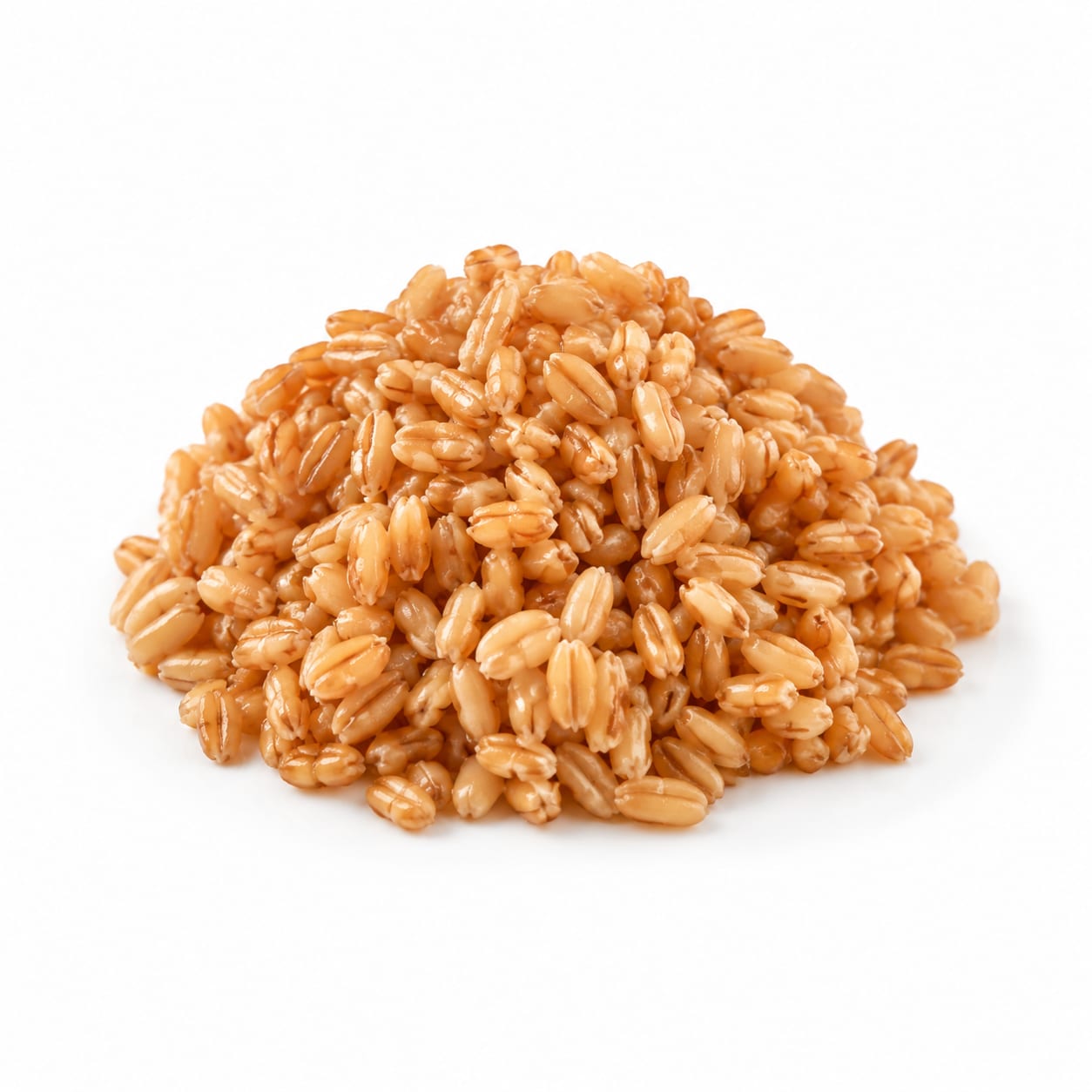
Einkorn
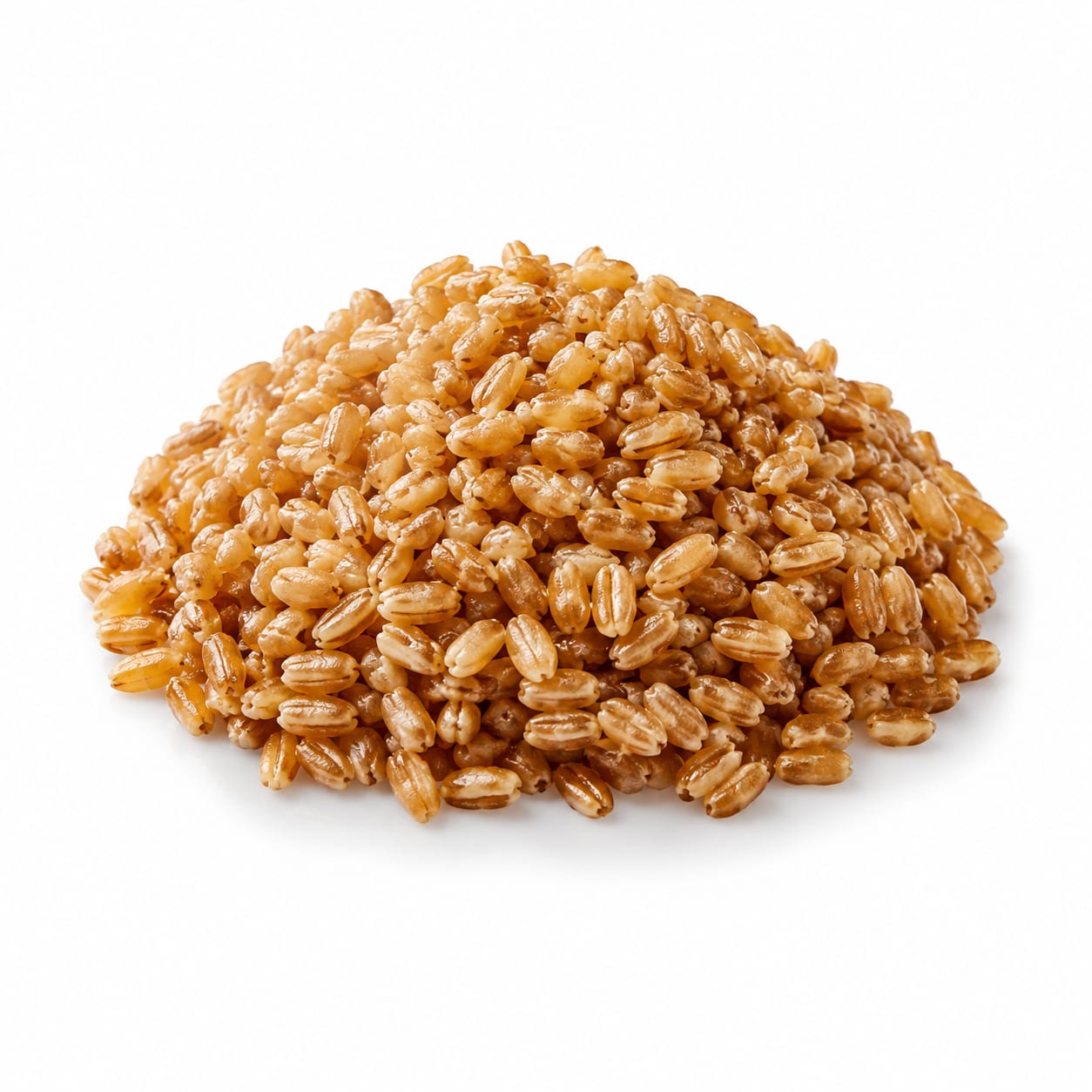
Emmer
Einkorn wins on antioxidants and gluten simplicity; Emmer wins on fiber, satiety, and everyday practicality.
Einkorn edges ahead nutritionally due to its unmatched carotenoid content and simpler gluten, but Emmer's fiber advantage and real-world practicality keep it close. Neither is universally better.
Einkorn offers superior eye-protective carotenoids and gentler gluten, but Emmer delivers more filling fiber and is far easier to find and cook with.
At a glance
Executive summary
Overall
It depends
Healthier
It depends
More practical
Emmer
Daily use
Emmer
Key comparison lenses
ancient grain nutritional superiority
Both are ancient wheats prized for denser nutrition than modern wheat, but they differ meaningfully in protein, fiber, and antioxidant profiles
gluten sensitivity tolerance
Einkorn's simpler gluten structure is often better tolerated by those with mild wheat sensitivity, making this a critical differentiator
blood sugar management
Fiber and protein differences between these grains affect glycemic response, important for diabetes-conscious consumers
antioxidant and anti-inflammatory benefits
Einkorn's exceptional lutein and carotenoid content sets it apart from virtually all other wheats including Emmer
practical availability and cooking
Emmer is easier to source and cook with, while Einkorn remains niche and often requires specialty shopping
Best choice for
Einkorn
- People with mild wheat sensitivity seeking gentler gluten
- Those prioritizing antioxidant and lutein intake for eye health
- Bakers wanting richer, nuttier flavored flour for artisan breads
- Anyone seeking the most nutritionally dense ancient wheat per calorie
Emmer
- People wanting higher fiber for better digestion and fullness
- Home cooks looking for an accessible ancient grain for everyday meals
- Those managing blood sugar who benefit from extra fiber slowing absorption
- Budget-conscious consumers who still want ancient wheat benefits
Least suitable for
Einkorn
- Anyone with celiac disease or serious gluten intolerance
- People who need affordable, easy-to-find staples
- Cooks wanting quick-cooking grains for weeknight meals
Emmer
- Anyone with celiac disease or serious gluten intolerance
- Those specifically seeking the highest lutein content available
- People who want the simplest, most digestible gluten structure
Deep comparison
Dimension by dimension
Each lens scores both foods and breaks down who each option suits.
- Dimension 1 · Priority 92Einkorn
antioxidant and carotenoid content
Einkorn · 94Emmer · 62Einkorn contains significantly more lutein and carotenoids than Emmer, rivaling even some orange vegetables for eye-protective compounds.
Tradeoff
You gain powerful antioxidants with Einkorn but sacrifice the fiber density that Emmer provides.
Why it matters
Lutein protects against macular degeneration and oxidative stress. Getting it from a grain source is rare and valuable.
Real-world impact
Regular Einkorn consumption can meaningfully contribute to daily lutein intake in a way that Emmer and modern wheat simply cannot match.
Einkorn
- Long-term eye health protection
- Reducing oxidative stress and cellular aging
- Getting antioxidants from a staple food rather than supplements
Better for
- Missing out on the fiber benefits that support gut health daily
Worse for
Emmer
- Sustained energy through slower digestion
Better for
- Losing a rare dietary source of grain-based lutein
Worse for
- Dimension 2 · Priority 90Einkorn
gluten structure and digestibility
Einkorn · 78Emmer · 58Einkorn is a diploid wheat with the simplest gluten structure, often tolerated better by people with mild wheat sensitivity. Emmer is tetraploid with more complex gluten.
Tradeoff
Einkorn's gentler gluten comes with weaker dough elasticity, making baking trickier. Emmer's stronger gluten makes better bread but is harder to digest.
Why it matters
Many people who feel bloated or sluggish after modern wheat report feeling fine with Einkorn. This is not celiac-safe, but it matters for daily comfort.
Real-world impact
If regular wheat leaves you uncomfortably full or sluggish, Einkorn is worth testing. Emmer may still trigger similar symptoms.
Einkorn
- People with non-celiac wheat sensitivity
- Those who experience bloating with modern wheat products
- Gentler digestive experience for sensitive stomachs
Better for
- Anyone expecting celiac-level safety — Einkorn still contains gluten
Worse for
Emmer
- Bakers who need better rise and structure in bread
- Traditional pasta making where gluten strength helps texture
Better for
- Those with any gluten sensitivity may find Emmer nearly as problematic as modern wheat
Worse for
- Dimension 3 · Priority 88Emmer
fiber and satiety
Einkorn · 60Emmer · 82Emmer provides notably more fiber than Einkorn, leading to better fullness, steadier blood sugar, and healthier digestion over time.
Tradeoff
Emmer fills you up longer and supports gut health better, but lacks the concentrated antioxidants that make Einkorn special.
Why it matters
Fiber is the nutrient most people consistently underconsume. Getting more from your grain choice compounds benefits over years.
Real-world impact
A bowl of Emmer porridge or salad keeps you satisfied longer than the same portion of Einkorn, reducing between-meal snacking.
Einkorn
- Lighter meals where you want nutrition without heavy fullness
Better for
- May leave you hungry sooner between meals
- Less support for beneficial gut bacteria
Worse for
Emmer
- Weight management through natural appetite control
- Better gut microbiome feeding with prebiotic fiber
- Steadier energy without afternoon crashes
- Improved regularity and digestive comfort
Better for
- Can feel heavy if you prefer lighter grain dishes
Worse for
- Dimension 4 · Priority 75Einkorn
protein content and quality
Einkorn · 80Emmer · 72Einkorn has slightly higher protein content per serving, though both ancient wheats outperform modern wheat in this regard.
Tradeoff
The protein difference is modest and unlikely to matter alone, but Einkorn's protein comes with a more digestible gluten matrix.
Why it matters
For plant-based eaters relying on grains for protein, every gram counts. Both are above-average grain protein sources.
Real-world impact
Over a day of eating, the protein difference is small. Choose based on other factors unless protein is your top priority.
Einkorn
- Slightly more protein per serving for muscle maintenance
- More digestible protein structure for sensitive digestion
Better for
- Protein advantage is too small to be a deciding factor alone
Worse for
Emmer
- Protein combined with more fiber creates better satiety overall
Better for
- Slightly less protein per calorie compared to Einkorn
Worse for
- Dimension 5 · Priority 80Emmer
availability and practicality
Einkorn · 40Emmer · 68Emmer is easier to find in stores, more affordable, and more versatile in cooking. Einkorn remains a specialty product with limited availability.
Tradeoff
Choosing Einkorn means committing to online ordering or specialty shops. Emmer can often be found at health food stores or even mainstream grocers.
Why it matters
The healthiest grain only works if you can actually buy and cook it regularly. Consistency beats perfection.
Real-world impact
Emmer can become a weekly staple without extra effort. Einkorn requires planning and often costs significantly more per pound.
Einkorn
- Specialty bakers willing to source unique ingredients
- Those who value nutritional uniqueness over convenience
Better for
- Difficult to maintain as a consistent staple
- Higher cost per serving limits regular use
Worse for
Emmer
- Busy households needing reliable access
- Budget-conscious shoppers wanting ancient wheat benefits
- Cooks who want to experiment without mail-order hassle
Better for
- Still less available than common whole wheat or farro
Worse for
- Dimension 6 · Priority 70It depends
mineral density
Einkorn · 76Emmer · 74Both grains offer excellent mineral content compared to modern wheat, with Einkorn slightly ahead in zinc and Emmer competitive in magnesium and iron.
Tradeoff
The mineral differences are small and diet-dependent. Neither grain is a standout mineral source on its own.
Why it matters
Ancient wheats generally retain more minerals because they are less processed and bred for yield over nutrition.
Real-world impact
Mineral intake from grains matters as part of a varied diet. Choose either over modern refined wheat for this benefit.
Einkorn
- Slightly more zinc per serving for immune support
Better for
- Mineral advantage is marginal and not a strong reason to choose it alone
Worse for
Emmer
- Competitive magnesium content supporting muscle and nerve function
Better for
- No clear mineral superiority over Einkorn
Worse for
Timeline
Health impact over time
Short-term
Hours to days
Einkorn
- Less post-meal bloating compared to modern wheat for sensitive individuals
- Steadier energy release than refined grains, though less fiber means slightly faster digestion than Emmer
- Richer, more satisfying flavor that may reduce cravings for additional snacking
Emmer
- Greater immediate fullness after meals due to higher fiber content
- Slower blood sugar rise compared to Einkorn, helpful for afternoon energy stability
- Heavier digestive sensation that some find comforting and others find slow
Long-term
Months to years
Einkorn
- Meaningful lutein accumulation supporting eye health over decades
- Potentially lower cumulative gluten exposure for sensitive individuals
- Consistent antioxidant intake may reduce inflammatory markers long-term
- Risk of insufficient fiber if Einkorn replaces all other whole grains
Emmer
- Better long-term gut microbiome diversity from consistent fiber intake
- Improved blood sugar regulation reducing diabetes risk over years
- Sustained satiety supporting healthier weight maintenance
- Good mineral intake supporting bone density and metabolic function
Risk profile
Safety & processing
Both Einkorn and Emmer are ancient wheats typically sold as whole berries or stone-milled flour with minimal processing. Neither commonly contains additives. Their naturalness is essentially equivalent and excellent compared to modern refined wheat products.
Einkorn
gluten exposure for sensitive individuals
highEinkorn contains gluten and is absolutely not safe for those with celiac disease. The simpler structure may help mild sensitivity but provides no medical safety.
contamination with modern wheat
mediumSmall-scale Einkorn farming sometimes occurs near modern wheat fields, creating cross-contamination risk for those with severe allergies.
Emmer
gluten exposure for sensitive individuals
highEmmer contains more complex gluten than Einkorn and is equally unsafe for celiac disease. May trigger symptoms in a broader range of sensitive people.
contamination with modern wheat
lowEmmer is more commonly grown with established supply chains, reducing but not eliminating cross-contamination concerns.
Who wins for whom
Audience fit
Same foods, different winners depending on your goal.
children
EmmerEmmer's fiber supports healthy digestion in kids, and its wider availability makes it easier to incorporate into family meals consistently.
daily consumption
EmmerEmmer's balance of nutrition, fiber, availability, and cost makes it more sustainable as a daily staple grain.
diabetes
EmmerEmmer's extra fiber slows glucose absorption more effectively, leading to gentler blood sugar curves after meals.
elderly
EinkornEinkorn's lutein content supports aging eye health, and its gentler gluten may be easier on older digestive systems that have become more sensitive.
muscle gain
EinkornEinkorn's slightly higher protein content per serving gives a marginal edge, though both should be paired with legumes or animal protein for real muscle support.
weight loss
EmmerEmmer's higher fiber creates stronger satiety signals, naturally reducing overall calorie intake throughout the day.
Your move
Decision guide
Choose Einkorn
- You have mild wheat sensitivity and want to test if a simpler gluten structure feels better
- Eye health and antioxidant intake are top priorities for you
- You enjoy sourcing unique ingredients and baking artisan products
- You want the most nutrient-dense ancient wheat per calorie consumed
Choose Emmer
- You want an ancient wheat you can actually find and afford regularly
- Fiber and fullness matter more to you than antioxidant optimization
- You are managing blood sugar and need the slowest energy release possible
- You want a versatile grain for salads, soups, porridge, and baking without specialty shopping
Either works if
- You are simply trying to upgrade from modern refined wheat to any ancient grain
- You want more protein and minerals than standard whole wheat offers
- You are avoiding ultra-processed grain products and want whole-food alternatives
Avoid both if
- You have celiac disease — neither grain is safe
- You have confirmed gluten intolerance that reacts to any wheat species
- You are strictly limiting carbohydrates for ketogenic dietary goals
Final recommendation
Start with Emmer for everyday use — it is practical, filling, and nutritionally strong. Add Einkorn as a supplemental grain when you can find it, especially for baking or porridge where its antioxidant boost and gentler digestion truly shine. Rotating both gives you the broadest ancient wheat benefits without over-relying on one profile.
Practical
Consumer tips
- 1
Soak whole Einkorn or Emmer berries overnight to reduce cooking time and improve digestibility
- 2
If trying Einkorn flour for baking, blend it with a small amount of modern wheat flour for better rise — pure Einkorn dough is notoriously sticky and flat
- 3
Test your tolerance carefully: eat a small portion of either grain alone and wait 24 hours before committing to larger servings
- 4
Buy whole berries rather than pre-milled flour when possible — they store longer and retain more nutrients
- 5
Look for certified organic ancient grains to minimize pesticide exposure, as small-scale farming sometimes uses conventional sprays
- 6
Emmer cooks similarly to farro and can be substituted in most farro recipes with excellent results
- 7
Einkorn porridge with cinnamon and a drizzle of honey makes a powerful anti-inflammatory breakfast combining carotenoids with blood-sugar-friendly spices