
Nutrition comparison
Einkorn vs Rye: Which Ancient Grain Is Healthier?
Compare Einkorn and Rye to find out which grain is better for digestion, blood sugar, and daily nutrition. Discover the pros and cons of each.
Overall winner · Rye
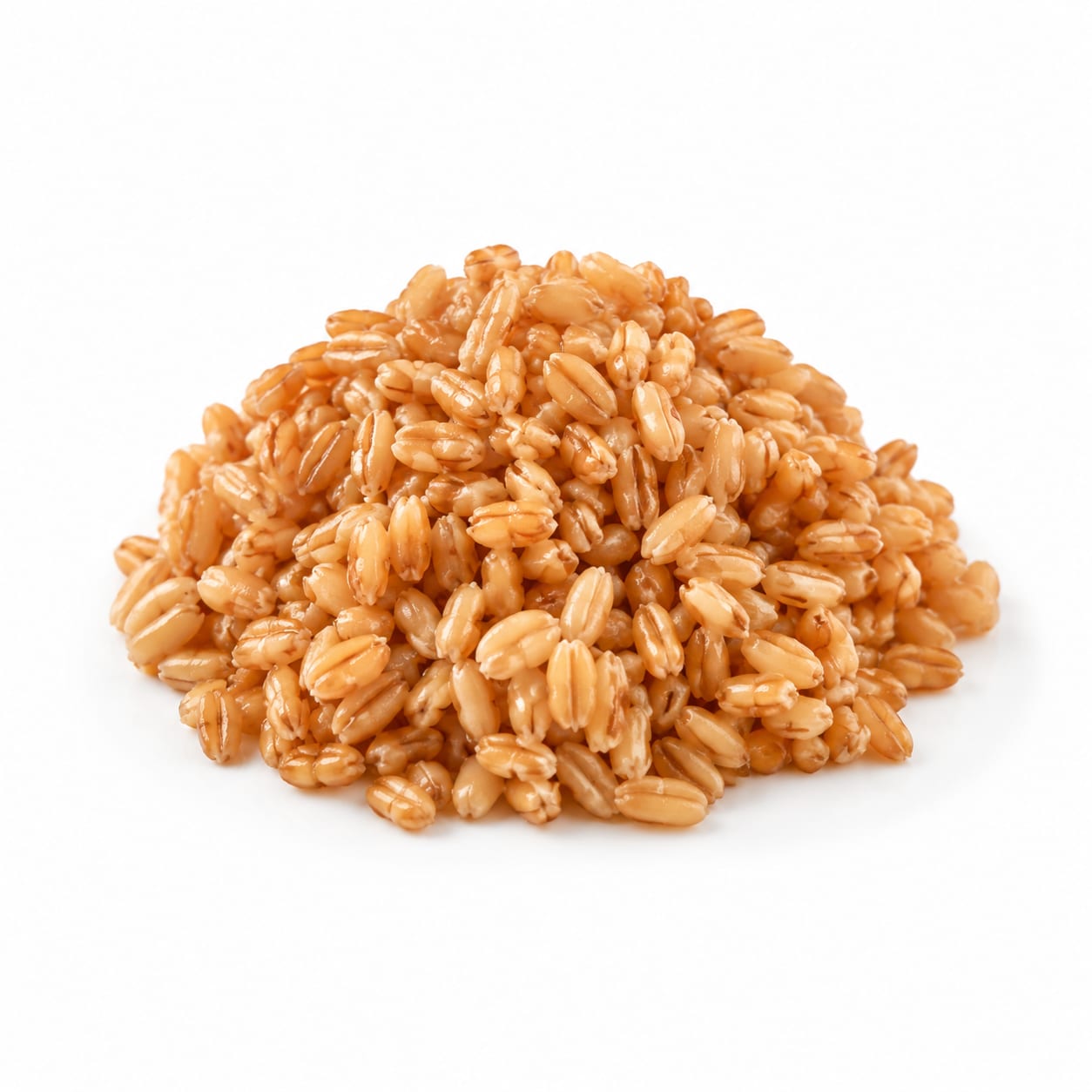
Einkorn
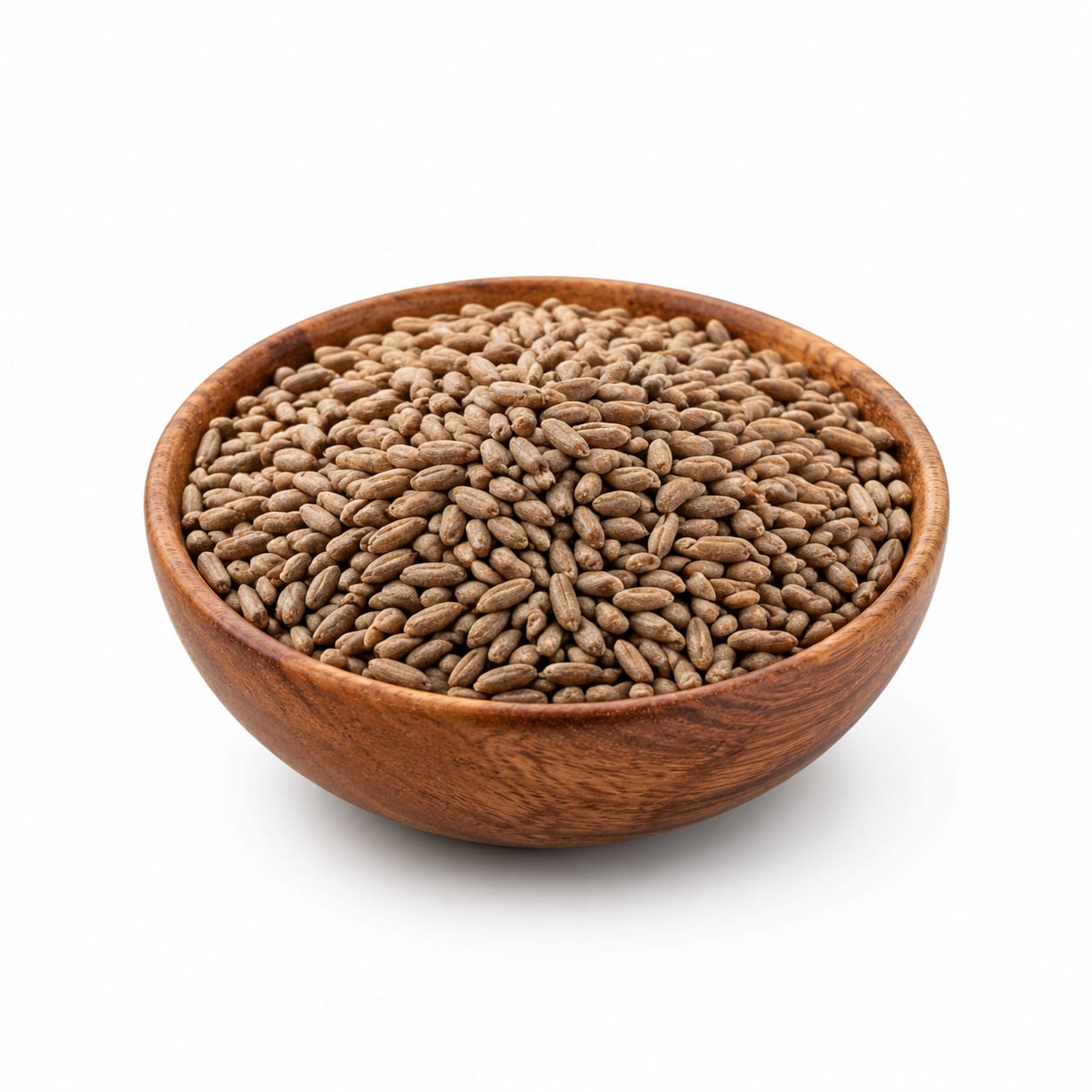
Rye
Rye wins on fiber, blood sugar control, and everyday practicality, but Einkorn is the nutrient-dense champion for sensitive digestions.
Rye scores slightly higher due to its exceptional fiber content, blood sugar benefits, and everyday accessibility. Einkorn is a nutritional powerhouse but loses points on cost and availability.
You trade Einkorn's superior protein and gentle digestion for Rye's unmatched fullness and blood sugar stability.
At a glance
Executive summary
Overall
Rye
Healthier
It depends
More practical
Rye
Daily use
Rye
Key comparison lenses
Digestive tolerance and gluten sensitivity
Einkorn's ancient gluten structure is often easier on sensitive stomachs, while rye contains fructans that can trigger IBS symptoms.
Blood sugar management
Rye is renowned for its low glycemic index and high viscous fiber, making it a top choice for steady energy.
Nutritional density and antioxidant value
Einkorn packs significantly more protein and lutein than modern grains, while rye offers superior mineral and fiber profiles.
Practicality and cost
Rye is affordable and widely available, whereas Einkorn is a specialty grain with a higher price tag and limited availability.
Best choice for
Einkorn
- People with mild gluten sensitivity (non-celiac)
- Those seeking maximum protein and antioxidants from grains
- Bakers wanting rich, nutty flavored artisan bread
Rye
- People managing diabetes or insulin resistance
- Anyone prioritizing fullness and steady energy
- Budget-conscious shoppers needing a healthy staple
Least suitable for
Einkorn
- Those on a tight grocery budget
- People who need widely available baking ingredients
- Anyone strictly avoiding all gluten (celiac disease)
Rye
- People with IBS or fructan intolerance
- Those who dislike dense, heavy breads
- Anyone strictly avoiding all gluten (celiac disease)
Deep comparison
Dimension by dimension
Each lens scores both foods and breaks down who each option suits.
- Dimension 1 · Priority 95Rye
Blood Sugar Stability
Einkorn · 72Rye · 92Rye is a blood sugar superstar. Its high viscous fiber slows digestion dramatically, preventing spikes better than Einkorn.
Tradeoff
Einkorn has a lower glycemic index than modern wheat, but it cannot match the insulin-blunting effect of Rye's unique fiber.
Why it matters
Steadier blood sugar means fewer afternoon energy crashes and reduced cravings.
Real-world impact
A Rye bread breakfast keeps you full until lunch; Einkorn bread might leave you hungry an hour sooner.
Einkorn
- Those avoiding the dense texture of Rye
Better for
- Those needing maximum satiety from their carbs
Worse for
Rye
- Diabetics seeking low-glycemic foods
- People prone to energy crashes after carbs
Better for
- Anyone who finds high-fiber breads too heavy
Worse for
- Dimension 2 · Priority 90Einkorn
Digestive Tolerance
Einkorn · 88Rye · 65Einkorn's ancient gluten structure is weaker and often much easier on sensitive stomachs. Rye contains fructans that commonly cause bloating.
Tradeoff
Einkorn is gentler on the gut lining for sensitive individuals, while Rye's roughage can be irritating even though it promotes regularity.
Why it matters
Bloating and brain fog after meals often come from hard-to-digest grains. Einkorn minimizes this for many people.
Real-world impact
If regular wheat leaves you bloated, Einkorn might feel like a revelation, whereas Rye might cause similar or worse bloating.
Einkorn
- People with non-celiac gluten sensitivity
- Those prone to bloating after eating bread
Better for
- Those who need high fiber to stay regular
Worse for
Rye
- People needing help with constipation
Better for
- People with IBS or fructan sensitivities
Worse for
- Dimension 3 · Priority 85Einkorn
Nutritional Density
Einkorn · 90Rye · 82Einkorn delivers significantly more protein, lutein for eye health, and antioxidants. Rye counters with superior fiber and mineral content.
Tradeoff
Einkorn is a micronutrient and protein champion, while Rye focuses heavily on structural fiber and blood-supporting minerals.
Why it matters
Higher protein and antioxidant intake from grains support long-term cellular health and muscle maintenance.
Real-world impact
Choosing Einkorn gives you a subtle protein boost and eye-protecting nutrients you won't get from Rye.
Einkorn
- Older adults needing lutein for eye health
- Vegetarians maximizing protein per calorie
Better for
- Those who rely on grains for daily fiber intake
Worse for
Rye
- Those needing iron and magnesium
Better for
- Anyone looking to maximize protein from carb sources
Worse for
- Dimension 4 · Priority 80Rye
Practicality & Accessibility
Einkorn · 45Rye · 88Rye is affordable and easy to find in any grocery store. Einkorn is a niche product that requires specialty shopping and a bigger budget.
Tradeoff
You pay a premium for Einkorn's ancient grain status and health benefits, while Rye offers excellent health value at a low cost.
Why it matters
The healthiest grain only works if you can actually find and afford it consistently.
Real-world impact
Grabbing Rye bread is as easy as visiting the local bakery; finding Einkorn flour might require online orders and waiting for shipping.
Einkorn
- Home bakers seeking unique artisan projects
Better for
- Anyone who needs quick, accessible meal solutions
Worse for
Rye
- Budget-conscious families
- People who shop at regular grocery stores
Better for
- Those looking for a novel, premium baking experience
Worse for
Timeline
Health impact over time
Short-term
Hours to days
Einkorn
- Less bloating and digestive discomfort after meals
- Steady but slightly faster digestion compared to Rye
Rye
- High feeling of fullness that lasts for hours
- Potential for gas or bloating in sensitive individuals
Long-term
Months to years
Einkorn
- Better eye health and cellular protection from high lutein and antioxidants
- Easier long-term grain consumption for sensitive guts
Rye
- Improved insulin sensitivity and diabetes prevention
- Excellent heart health support from high viscous fiber
Risk profile
Safety & processing
Both Einkorn and Rye are whole, ancient grains that are naturally minimally processed when purchased as berries or whole grain flour.
Einkorn
Gluten cross-reactivity
highEinkorn contains gluten. It is absolutely not safe for those with celiac disease, despite being easier for mild sensitivities.
Rye
Fructan intolerance
mediumRye is very high in fructans, which can trigger severe IBS symptoms in susceptible individuals.
Ergot contamination
lowHistorically Rye was prone to ergot fungus, but modern agricultural practices have virtually eliminated this risk.
Who wins for whom
Audience fit
Same foods, different winners depending on your goal.
children
EinkornEinkorn is gentler on developing digestive systems and offers more protein and eye-protecting lutein for growing bodies.
daily consumption
RyeRye is more affordable, widely available, and offers consistent daily benefits for heart and gut health.
diabetes
RyeRye's viscous fiber dramatically slows sugar absorption, making it one of the best grains for blood sugar control.
elderly
It dependsEinkorn is better for eye health and easier digestion, but Rye is superior for heart health and blood sugar management in older adults.
muscle gain
EinkornEinkorn provides significantly more protein per serving, supporting muscle repair better than Rye.
weight loss
RyeRye's exceptional fiber content keeps you full for hours, naturally reducing overall calorie intake.
Your move
Decision guide
Choose Einkorn
- You experience bloating or fatigue with regular wheat but do not have celiac disease
- You want to maximize protein and antioxidant intake from your carbs
- Budget is not a concern and you enjoy specialty baking
Choose Rye
- You want to stay full longer and manage your weight easily
- You need to control blood sugar or improve insulin sensitivity
- You want an affordable, everyday healthy grain
Either works if
- You are looking for an alternative to modern wheat
- You want a nutrient-dense whole grain for baking
Avoid both if
- You have celiac disease or a strict gluten-free requirement
- You are highly sensitive to FODMAPs (especially fructans in Rye)
Final recommendation
Choose Rye for an everyday staple that keeps your blood sugar steady and your stomach full. Turn to Einkorn when your gut needs a break from modern wheat or when you want a nutrient-packed, gentler grain for artisan baking.
Practical
Consumer tips
- 1
If trying Einkorn for the first time, start with a 50/50 blend with your regular flour to adjust to its stickier dough texture.
- 2
Look for whole grain Rye flour or pumpernickel rather than light Rye to get the full fiber benefits.
- 3
Neither grain is safe for celiacs; always consult your doctor if you have severe gluten reactions.
- 4
Sourdough fermentation works wonders for both grains, lowering their glycemic load and breaking down gut-irritating compounds.