
Nutrition comparison
Einkorn vs Barley: Which Ancient Grain is Healthier?
Compare Einkorn and Barley to see which grain is better for blood sugar, cholesterol, and protein. Learn the tradeoffs between Barley's fiber and Einkorn's antioxidants.
Overall winner · Barley
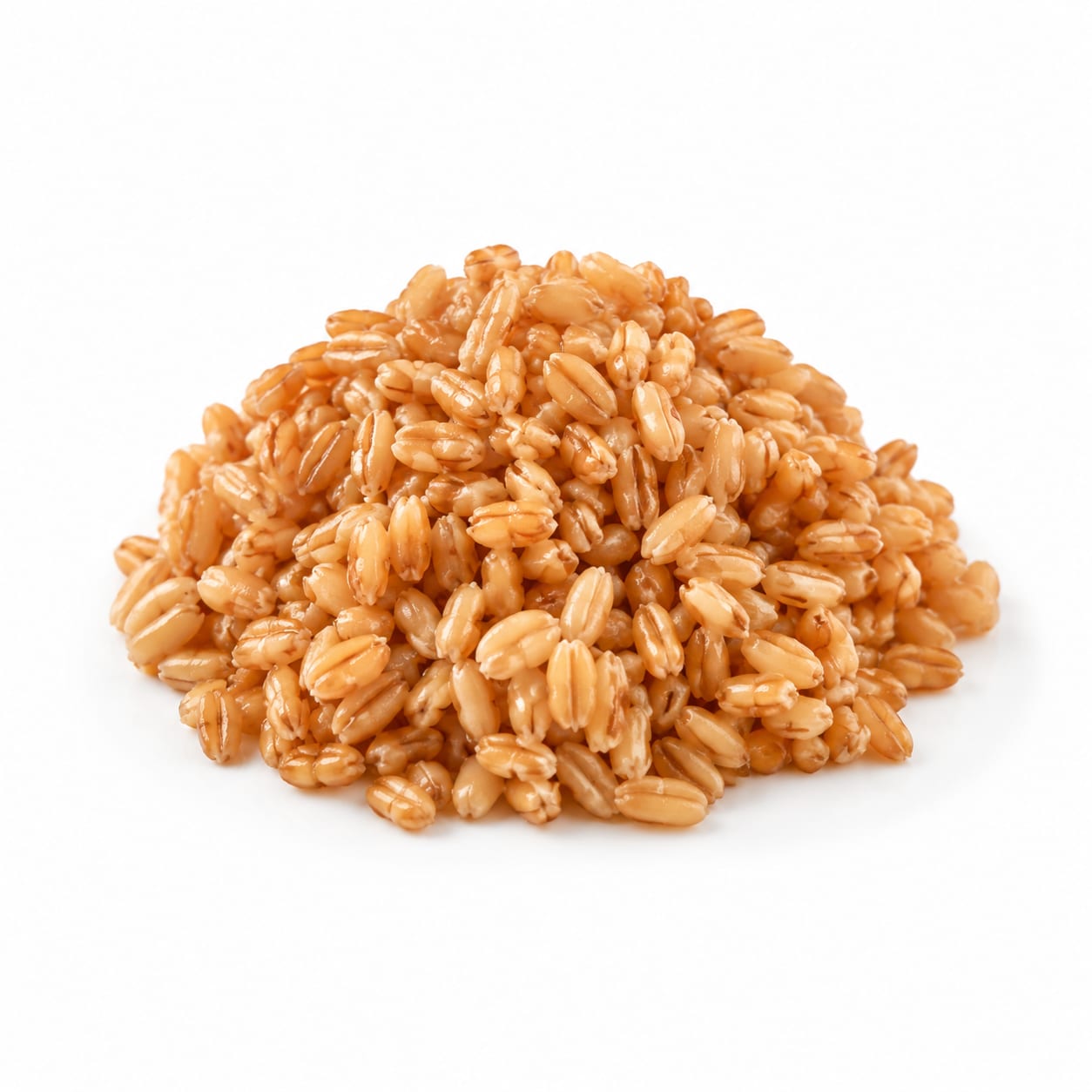
Einkorn
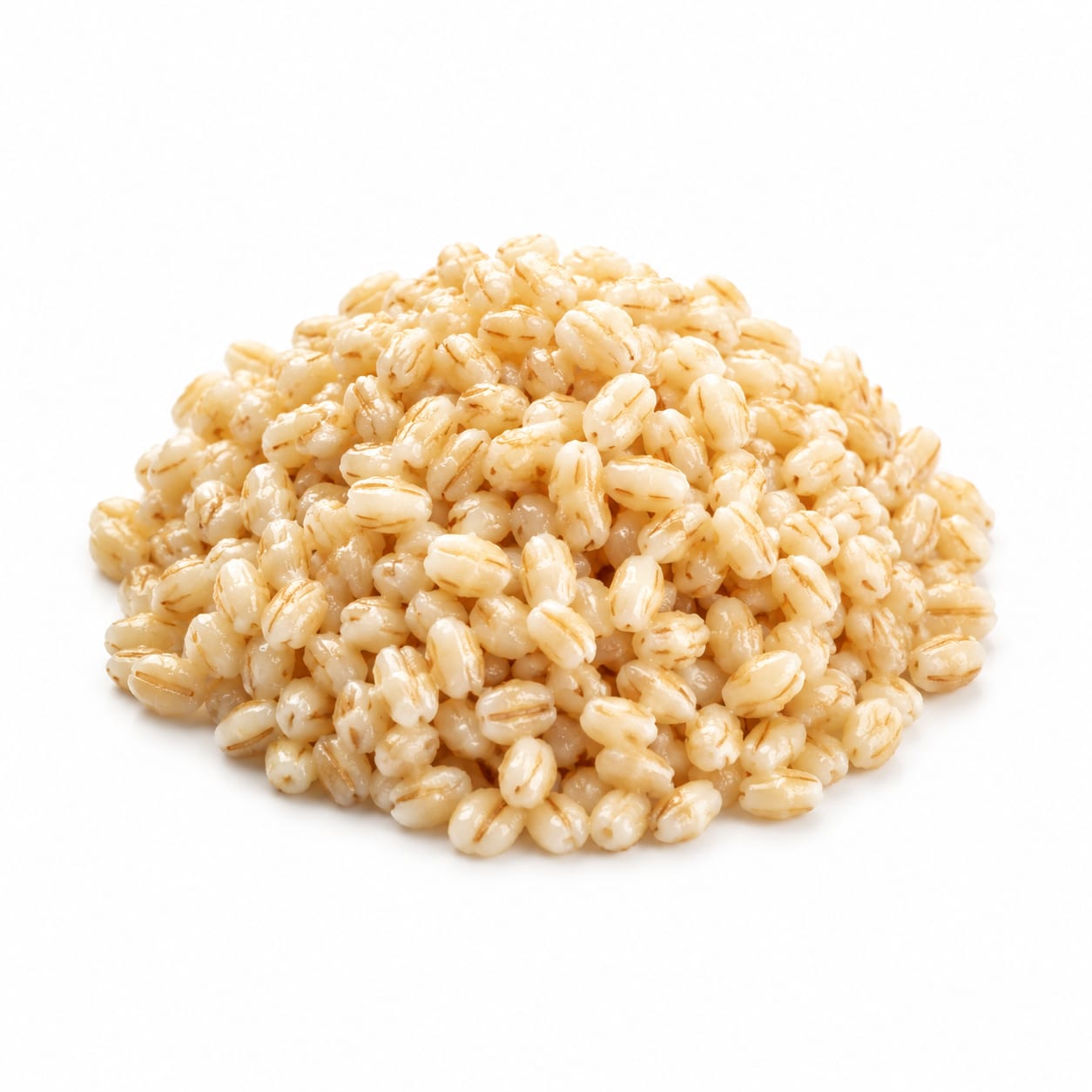
Barley
Barley edges out Einkorn for everyday heart and blood sugar benefits thanks to its exceptional beta-glucan fiber, while Einkorn offers a nutrient-dense, ancient alternative with more protein and antioxidants.
Barley scores higher overall due to its clinically proven metabolic benefits and everyday affordability. Einkorn scores well for nutrient density but loses ground on cost, accessibility, and fiber volume.
Barley delivers superior cholesterol-lowering fiber and affordability, whereas Einkorn provides richer protein, more antioxidants, and a gentler gluten structure for sensitive individuals.
At a glance
Executive summary
Overall
Barley
Healthier
Barley
More practical
Barley
Daily use
Barley
Key comparison lenses
Blood sugar and cholesterol management
Barley is uniquely high in beta-glucan fiber, making metabolic health the most critical differentiator between these two grains.
Nutrient density and antioxidant intake
Einkorn is prized for its ancient genetics, offering significantly more protein and carotenoids than modern grains, including barley.
Digestive tolerance and gluten sensitivity
Einkorn has a simpler gluten structure that some find easier to digest, making it a notable factor for sensitive individuals.
Budget and everyday practicality
Barley is a cheap, accessible staple, while Einkorn is a premium, niche product, heavily impacting long-term sustainability.
Best choice for
Einkorn
- People with mild, non-celiac gluten sensitivity
- Those seeking higher protein content from grains
- Ancient grain enthusiasts wanting more antioxidants
Barley
- People managing high cholesterol
- Those needing steady blood sugar control
- Budget-conscious eaters looking for filling whole grains
Least suitable for
Einkorn
- People with celiac disease
- Those on a tight grocery budget
- Anyone needing quick-cooking grains
Barley
- People with celiac disease
- Those avoiding gluten entirely
- People wanting a high-protein grain staple
Deep comparison
Dimension by dimension
Each lens scores both foods and breaks down who each option suits.
- Dimension 1 · Priority 95Barley
Blood Sugar & Cholesterol Control
Einkorn · 68Barley · 96Barley is a powerhouse for metabolic health, loaded with beta-glucan fiber that actively lowers cholesterol and stabilizes blood sugar. Einkorn is decent but cannot compete with Barley's clinically proven fiber benefits.
Tradeoff
You sacrifice Barley's heart-protective fiber in Einkorn, but Einkorn's lower overall carbohydrate content might appeal to some low-carb dieters.
Why it matters
Steady blood sugar means fewer afternoon energy crashes and lower long-term risk of type 2 diabetes.
Real-world impact
Eating Barley regularly can visibly improve cholesterol numbers at your next doctor visit, while Einkorn acts more like a standard healthy whole grain.
Einkorn
- Lower carbohydrate density per serving
Better for
- Less effective at actively lowering cholesterol
Worse for
Barley
- Lowering LDL cholesterol
- Preventing blood sugar spikes
- Feeding gut bacteria with soluble fiber
Better for
- Higher overall carbohydrate load per serving
Worse for
- Dimension 2 · Priority 85Einkorn
Nutrient Density & Antioxidants
Einkorn · 90Barley · 72Einkorn is significantly richer in protein, lutein, and carotenoids, giving it a strong antioxidant edge. Barley provides good minerals but lacks the concentrated nutrient profile of this ancient grain.
Tradeoff
Einkorn offers more raw building blocks for your body, but Barley's fiber acts as a prebiotic to feed your gut microbiome.
Why it matters
Higher antioxidant intake protects your cells from daily wear and tear, while extra protein keeps you fuller longer.
Real-world impact
Einkorn feels more satisfying and nourishing in smaller portions, making it a great anchor for light meals.
Einkorn
- Higher protein for satiety and muscle maintenance
- More lutein for eye health
- Richer antioxidant profile
Better for
- Lower overall fiber volume limits gut health benefits
Worse for
Barley
- More selenium and copper
- Higher total mineral availability
Better for
- Lower protein makes it less filling on its own
Worse for
- Dimension 3 · Priority 80Einkorn
Digestive Tolerance & Gluten Profile
Einkorn · 78Barley · 55Einkorn contains a simpler, weaker gluten structure that some people with mild wheat sensitivities find easier to digest. Barley's gluten is tougher and more likely to cause bloating in sensitive folks.
Tradeoff
Neither is safe for celiacs, but Einkorn is a much friendlier option for the gluten-sensitive, despite being less available.
Why it matters
Feeling bloated or sluggish after meals defeats the purpose of eating healthy grains.
Real-world impact
Switching to Einkorn might eliminate that post-meal heavy feeling you get from standard wheat or barley.
Einkorn
- Easier on the stomach for mild gluten sensitivity
- Less likely to cause bloating
Better for
- Still contains gluten, making it unsafe for celiacs
Worse for
Barley
- High insoluble fiber helps prevent constipation
Better for
- More likely to trigger digestive discomfort in sensitive individuals
Worse for
- Dimension 4 · Priority 75Barley
Practicality & Affordability
Einkorn · 40Barley · 92Barley is cheap, widely available, and easy to cook in bulk. Einkorn is expensive, harder to find, and often requires specialty stores or online ordering.
Tradeoff
You pay a premium for Einkorn's ancient pedigree and nutrient density, while Barley delivers massive health value on a budget.
Why it matters
The healthiest grain is the one you can actually afford and consistently keep in your pantry.
Real-world impact
Barley is an easy swap for rice in everyday soups and bowls, while Einkorn is more of a special occasion or enthusiast purchase.
Einkorn
- Unique flavor for culinary exploration
Better for
- High cost limits everyday use
- Hard to find in standard supermarkets
Worse for
Barley
- Very low cost per serving
- Available in any grocery store
- Easy to meal prep in large batches
Better for
- Can feel overly heavy or dense if overcooked
Worse for
Timeline
Health impact over time
Short-term
Hours to days
Einkorn
- Steady energy without the heavy bloating some get from modern wheat
- High satiety from the extra protein content
Barley
- Very filling meals due to high viscous fiber
- Slower digestion preventing sugar spikes and crashes
Long-term
Months to years
Einkorn
- Better cellular protection from high lutein and antioxidants
- Potential reduced inflammatory response compared to modern grains
Barley
- Clinically proven reduction in LDL cholesterol
- Improved insulin sensitivity and gut microbiome diversity from beta-glucans
Risk profile
Safety & processing
Both Einkorn and Barley are typically consumed as whole, minimally processed grains with no artificial additives. However, pearled Barley is common and strips away some bran, whereas Einkorn is usually sold as a whole berry.
Einkorn
Gluten exposure
highEinkorn contains gluten and is strictly unsafe for anyone with celiac disease, despite being easier for some with mild sensitivities.
Barley
Gluten exposure
highBarley contains gluten and is unsafe for those with celiac disease or severe gluten intolerance.
Fiber shock
lowEating a large amount of high-fiber Barley suddenly can cause temporary gas or bloating if your body is not used to it.
Who wins for whom
Audience fit
Same foods, different winners depending on your goal.
children
BarleyBarley is cheaper, easier to find, and its mild flavor blends well into kid-friendly soups and stews.
daily consumption
BarleyBarley is far more affordable and offers daily cardiovascular benefits that are hard to beat.
diabetes
BarleyBarley's beta-glucans are clinically proven to blunt blood sugar spikes better than almost any other grain.
elderly
BarleyThe cholesterol-lowering and blood sugar-stabilizing effects of Barley are especially protective for aging hearts and metabolisms.
muscle gain
EinkornEinkorn has significantly more protein per serving, making it a better base for muscle-building meals.
weight loss
BarleyBarley's beta-glucan fiber expands in the stomach, keeping you full for hours on very few calories.
Your move
Decision guide
Choose Einkorn
- You have mild gluten sensitivity but still want to eat wheat-like grains
- You want to maximize protein and antioxidant intake from grains
- Budget is not a constraint and you enjoy cooking specialty foods
Choose Barley
- You want to lower your cholesterol or manage blood sugar
- You need a filling, budget-friendly staple grain
- You love hearty soups, stews, and grain bowls
Either works if
- You want a satisfying whole grain alternative to white rice
- You are looking to increase your daily fiber intake
Avoid both if
- You have celiac disease or a severe gluten allergy
Final recommendation
Choose Barley for everyday heart health, blood sugar control, and budget-friendly meals. Opt for Einkorn when you want a protein-rich, ancient grain with a gentler gluten profile and are willing to pay the premium.
Practical
Consumer tips
- 1
If buying Barley, choose hulled barley over pearled barley to keep the fiber intact.
- 2
Cook a big batch of Barley on Sunday to toss into salads and soups all week for easy fiber boosts.
- 3
If trying Einkorn, look for whole berry forms, but expect a longer cooking time similar to wheat berries.
- 4
Neither Einkorn nor Barley is safe for celiacs—always check with your doctor if you have gluten concerns.