
Nutrition comparison
Einkorn vs Brown Rice: Nutrition, Gluten, and Arsenic Compared
Discover the nutritional differences between Einkorn and Brown Rice. Compare protein, blood sugar impact, gluten, and arsenic risks to find the best grain for your diet.
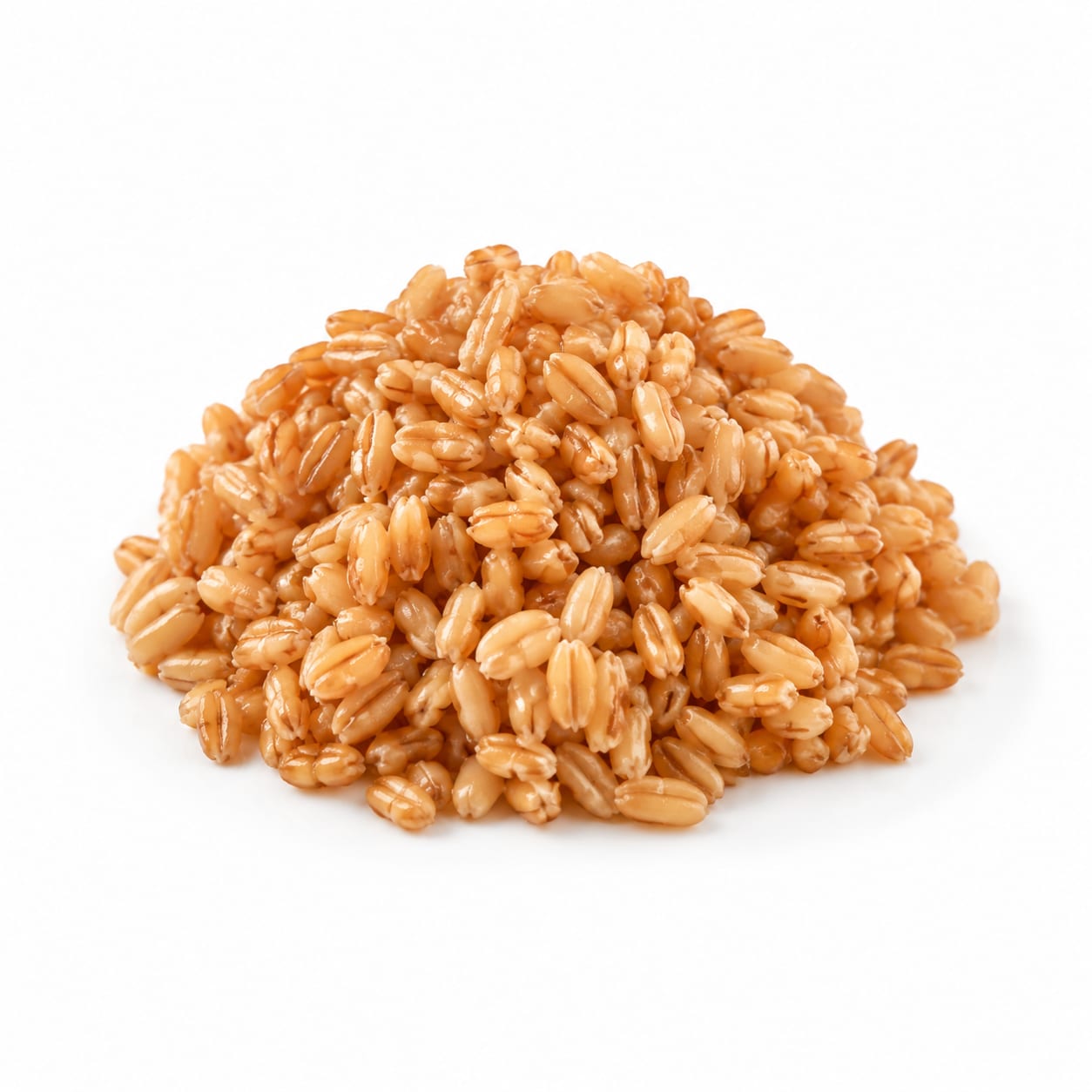
Einkorn
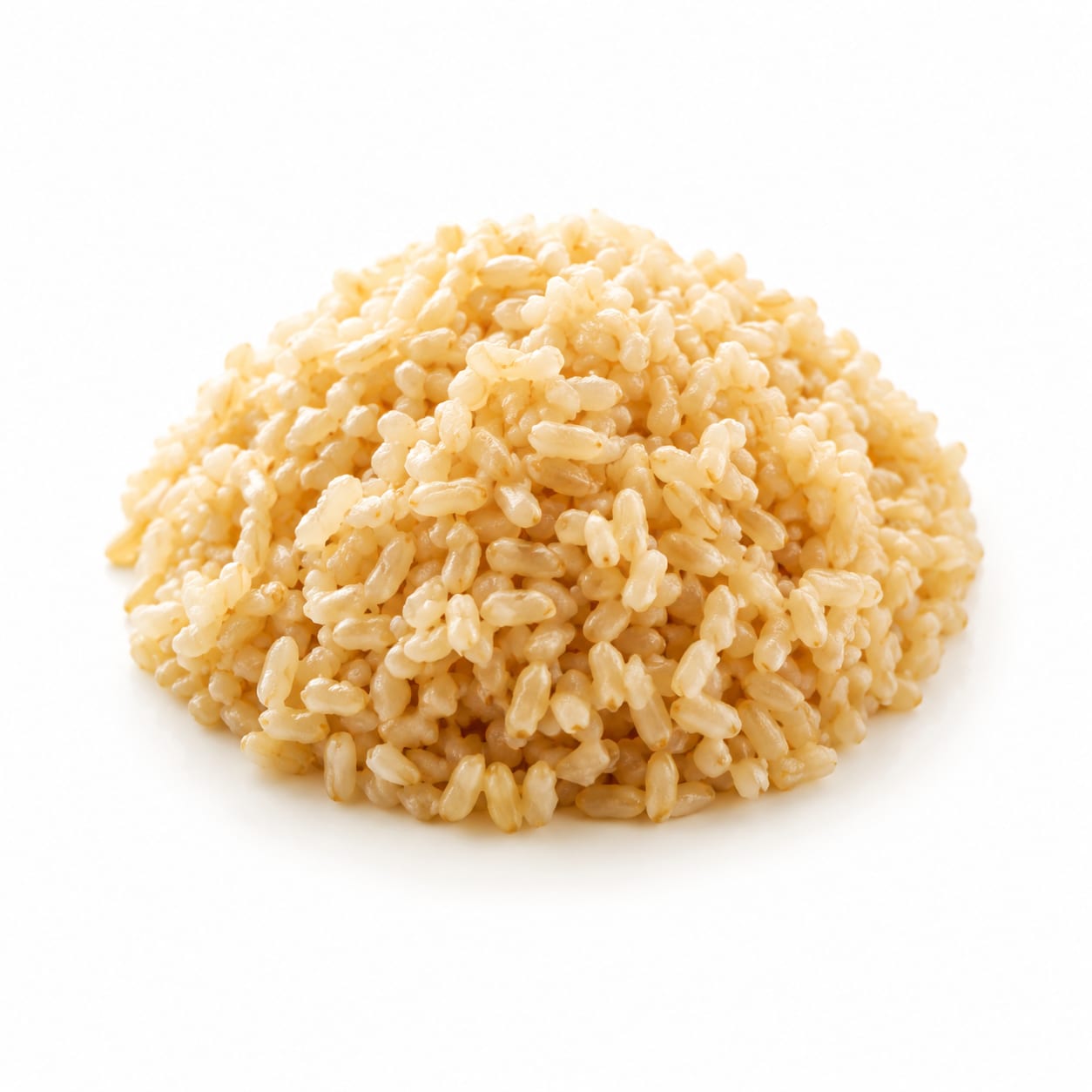
Brown Rice
Einkorn offers superior protein, antioxidants, and blood sugar stability, while Brown Rice is the safer bet for gluten-free diets but carries arsenic caveats.
Einkorn scores slightly higher due to its richer nutrient profile and better blood sugar control, but Brown Rice remains highly relevant and necessary for gluten-free needs.
Ancient wheat nutrition and lower glycemic impact versus guaranteed gluten-free safety and lower cost.
At a glance
Executive summary
Overall
It depends
Healthier
Einkorn
More practical
Brown Rice
Daily use
It depends
Key comparison lenses
Gluten tolerance vs Celiac safety
Einkorn contains gluten while Brown Rice is naturally gluten-free, a primary decision factor for many consumers.
Heavy metal and arsenic exposure
Brown Rice is known to accumulate arsenic, which is a significant long-term health concern absent in Einkorn.
Blood sugar management
Einkorn has a notably lower glycemic index, making it better for steady energy compared to Brown Rice.
Nutrient density and protein quality
Einkorn provides substantially more protein and unique antioxidants like lutein than Brown Rice.
Budget and everyday accessibility
Brown Rice is a cheap, ubiquitous staple, whereas Einkorn is a niche, premium product.
Best choice for
Einkorn
- Non-celiacs seeking higher protein grains
- People managing blood sugar spikes
- Those wanting more antioxidants like lutein for eye health
Brown Rice
- People with celiac disease or severe gluten intolerance
- Budget-conscious shoppers needing cheap calories
- Those needing a widely available gluten-free carb base
Least suitable for
Einkorn
- Anyone with celiac disease
- People with severe wheat allergies
Brown Rice
- Those eating rice multiple times daily due to arsenic risk
- People looking for high-protein grains to support muscle
Deep comparison
Dimension by dimension
Each lens scores both foods and breaks down who each option suits.
- Dimension 1 · Priority 90Einkorn
Nutrient Density & Protein
Einkorn · 88Brown Rice · 65Einkorn packs significantly more protein and unique antioxidants like lutein, which Brown Rice lacks.
Tradeoff
You get more protein and eye-protecting nutrients with Einkorn, but you lose the gluten-free benefit of Brown Rice.
Why it matters
Higher protein keeps you fuller longer, and lutein supports long-term vision health.
Real-world impact
A bowl of Einkorn keeps you satisfied well into the afternoon, whereas Brown Rice might leave you hunting for a snack sooner.
Einkorn
- Muscle maintenance
- Satiety between meals
- Eye health
Better for
- Celiac diners
- Gluten-free meal prep
Worse for
Brown Rice
- Low-protein dietary preferences
- Gluten-free baking and cooking
Better for
- High-protein dietary goals
- Antioxidant-focused eating
Worse for
- Dimension 2 · Priority 85Einkorn
Blood Sugar Stability
Einkorn · 82Brown Rice · 68Einkorn has a lower glycemic index, leading to slower, steadier energy release compared to Brown Rice.
Tradeoff
Einkorn provides smoother energy curves, while Brown Rice can cause quicker blood sugar rises.
Why it matters
Steadier blood sugar means fewer afternoon crashes and less craving for sweets.
Real-world impact
Eating Einkorn at lunch means you stay sharp through the 3 PM slump; Brown Rice might make you reach for coffee or a pastry.
Einkorn
- Diabetics
- Steady energy seekers
- Fatigue-prone individuals
Better for
- Those needing rapid carb absorption post-workout
Worse for
Brown Rice
- Post-workout carb reloaders
- Endurance athletes needing quick glycogen
Better for
- People with insulin resistance
- Those prone to energy crashes
Worse for
- Dimension 3 · Priority 95Brown Rice
Digestive Tolerance & Allergens
Einkorn · 45Brown Rice · 90Brown Rice is naturally gluten-free, making it universally safe for digestive issues related to wheat, whereas Einkorn contains gluten.
Tradeoff
Brown Rice is safe for celiacs but lacks the protein density of Einkorn, which some with mild sensitivities can still tolerate.
Why it matters
For anyone with celiac disease, even ancient wheat is off-limits, making Brown Rice the only viable option here.
Real-world impact
If you have celiac disease, Brown Rice is your safe carb base; Einkorn will trigger severe digestive distress.
Einkorn
- People with mild, non-celiac gluten sensitivity who often tolerate Einkorn better
Better for
- Celiacs
- Wheat allergy sufferers
Worse for
Brown Rice
- Celiacs
- Wheat-allergic individuals
- Elimination diets
Better for
- Those looking for dietary variety from wheat alternatives
Worse for
- Dimension 4 · Priority 90Einkorn
Safety & Contamination
Einkorn · 85Brown Rice · 60Brown Rice is notorious for arsenic accumulation, while Einkorn grown in proper soils has no such heavy metal concerns.
Tradeoff
Choosing Brown Rice for gluten-free safety introduces a potential arsenic risk if consumed heavily.
Why it matters
Long-term arsenic exposure affects heart health and cancer risk, making portion control vital for Brown Rice.
Real-world impact
Eating Brown Rice daily for years can increase arsenic exposure; rotating with Einkorn or other grains reduces this risk heavily.
Einkorn
- Long-term daily eaters
- Children vulnerable to heavy metals
Better for
- People with extreme wheat phobia
Worse for
Brown Rice
- Short-term gluten-free needs
Better for
- Daily heavy consumers
- Infants and toddlers
Worse for
- Dimension 5 · Priority 75Brown Rice
Practicality & Cost
Einkorn · 50Brown Rice · 90Brown Rice is cheap, found everywhere, and easy to cook. Einkorn is niche, expensive, and harder to source.
Tradeoff
You pay a premium for Einkorn's nutritional edge, while Brown Rice offers unbeatable convenience and value.
Why it matters
Consistency in healthy eating often depends on affordability and ease of access.
Real-world impact
Grabbing Brown Rice at any grocery store for a dollar is easy; finding whole Einkorn berries might require a specialty shop or online order.
Einkorn
- Culinary enthusiasts
- Budget-flexible households
Better for
- Tight grocery budgets
- One-stop shoppers
Worse for
Brown Rice
- Budget meal prep
- Quick weeknight dinners
- Travel or remote areas
Better for
- Gourmet cooking
- Nutrient-maximizing diets
Worse for
Timeline
Health impact over time
Short-term
Hours to days
Einkorn
- Steadier energy after meals
- Greater feeling of fullness due to higher protein
Brown Rice
- Quick energy replenishment
- Safe digestion for gluten-sensitive individuals
Long-term
Months to years
Einkorn
- Better eye health from lutein
- Improved muscle retention from higher protein
- Risk of gluten-related issues if undiagnosed celiac
Brown Rice
- Potential arsenic accumulation if overconsumed
- Reliable gluten-free digestion
- Good fiber intake for heart health
Risk profile
Safety & processing
Both are whole, minimally processed grains. Einkorn is an ancient wheat unchanged by modern breeding, while Brown Rice is simply unrefined rice with its bran intact.
Einkorn
Gluten content
highContains gluten, which triggers autoimmune responses in celiacs and discomfort in highly sensitive individuals.
Brown Rice
Arsenic contamination
mediumRice naturally accumulates inorganic arsenic from soil and water. Frequent consumption increases exposure risk.
Who wins for whom
Audience fit
Same foods, different winners depending on your goal.
children
It dependsEinkorn offers better nutrition for growth, but Brown Rice is essential for gluten-free kids; however, Brown Rice arsenic is a concern for young children.
daily consumption
It dependsEinkorn is nutritionally superior for daily use if you tolerate gluten, but Brown Rice is safer for celiacs, though its arsenic levels advise against eating it every single day.
diabetes
EinkornEinkorn has a lower glycemic index, preventing sharp blood sugar spikes compared to Brown Rice.
elderly
EinkornThe lutein in Einkorn supports aging eye health, and extra protein helps prevent age-related muscle loss.
muscle gain
EinkornEinkorn provides significantly more protein per serving, supporting muscle repair and growth.
weight loss
EinkornEinkorn's higher protein content keeps you fuller longer, reducing the urge to overeat.
Your move
Decision guide
Choose Einkorn
- You want more protein and antioxidants from your carbs
- You struggle with blood sugar crashes after meals
- You tolerate gluten and want a lower-glycemic grain
Choose Brown Rice
- You have celiac disease or a wheat allergy
- You need a cheap, accessible, and versatile carb base
- You are meal-prepping on a tight budget
Either works if
- You want a whole-grain side dish for dinner
- You are rotating grains to diversify your diet
Avoid both if
- You are on a strict ketogenic diet
- You have severe digestive issues requiring a low-fiber diet
Final recommendation
Choose Einkorn for its nutritional edge and blood sugar benefits if you tolerate gluten. Opt for Brown Rice if you need a gluten-free staple, but vary your grains to minimize arsenic exposure.
Practical
Consumer tips
- 1
Rinse Brown Rice thoroughly and cook it in excess water to reduce arsenic levels by up to 50%.
- 2
If you have mild gluten sensitivity, try Einkorn; its ancient gluten structure is often easier to digest than modern wheat.
- 3
Soak Einkorn berries overnight to reduce cooking time and improve digestibility.
- 4
Alternate between Einkorn, Brown Rice, quinoa, and oats to get a broad spectrum of nutrients and avoid cumulative contaminants.