
Nutrition comparison
Einkorn vs Kamut: Which Ancient Grain Is Better for You?
Compare Einkorn and Kamut ancient wheat grains on protein, digestion, antioxidants, and baking performance. Find out which heritage grain fits your health goals best.
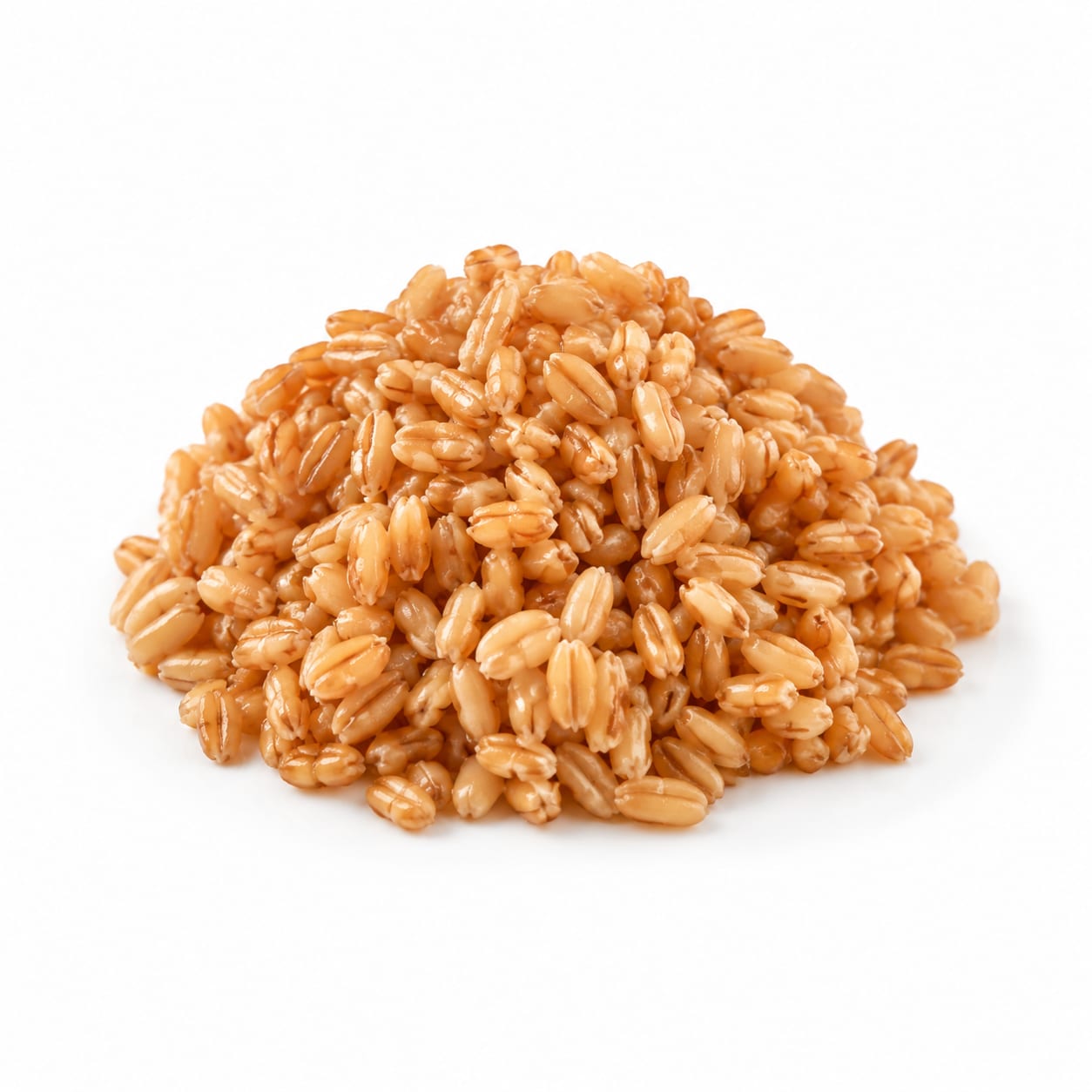
Einkorn
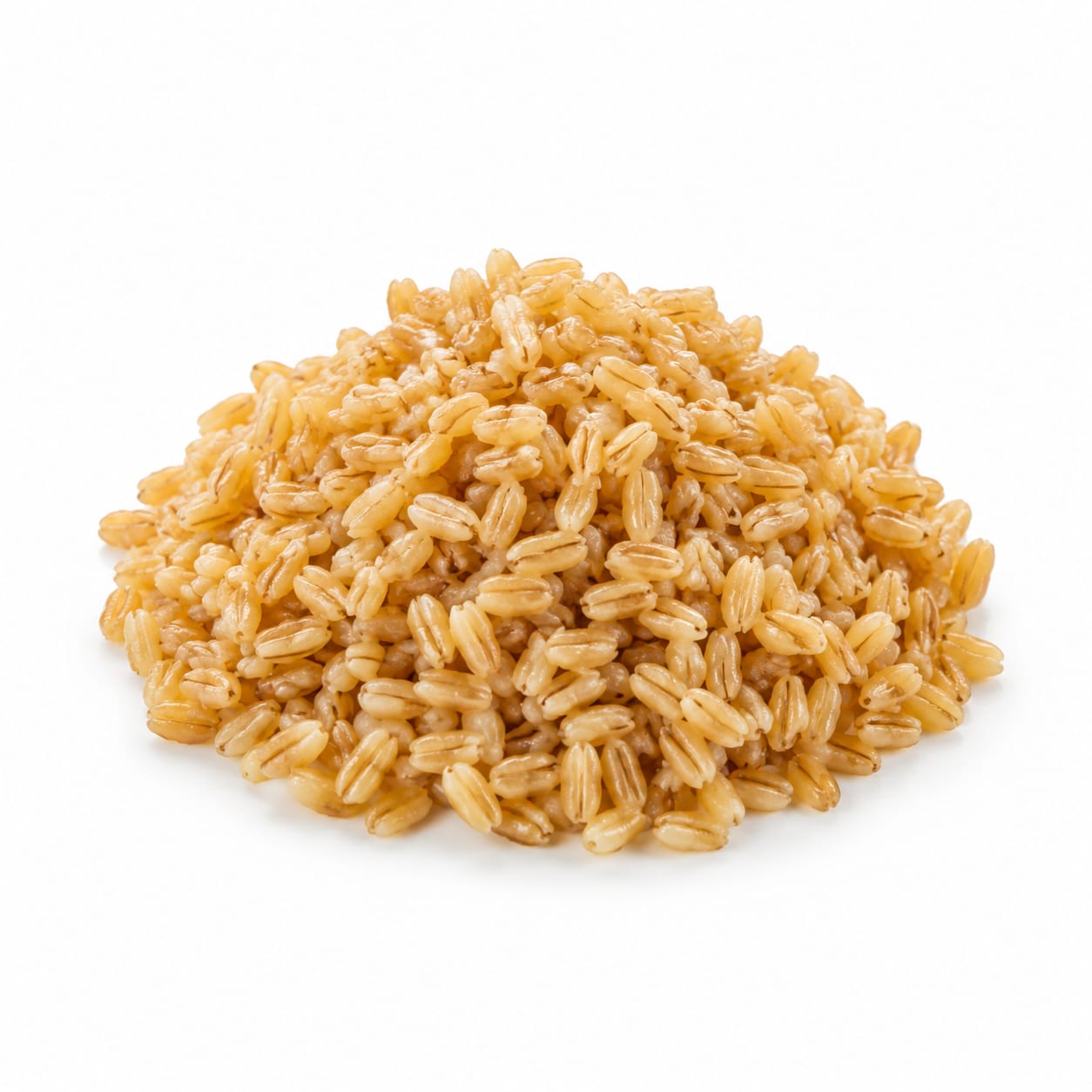
Kamut
Einkorn offers gentler digestion and more antioxidants, while Kamut delivers more protein and minerals. Your pick depends on whether you prioritize sensitivity or nutritional density.
Kamut edges ahead on protein, mineral density, and culinary versatility. Einkorn wins on digestibility and antioxidants. The gap is small because both outclass modern wheat significantly.
Einkorn is easier on the gut but lower in protein; Kamut is more nutrient-dense but has stronger gluten that may challenge sensitive stomachs.
At a glance
Executive summary
Overall
It depends
Healthier
It depends
More practical
Kamut
Daily use
It depends
Key comparison lenses
ancient grain nutritional superiority
Both are heritage wheats prized for outperforming modern wheat, so users want to know which delivers more nutrition per bite
gluten sensitivity tolerance
Many people explore ancient grains specifically to reduce digestive issues from modern wheat
blood sugar management
Ancient grain consumers often care about steadier energy and lower glycemic impact
baking and culinary practicality
Different gluten structures affect how each grain performs in recipes, which matters for everyday use
antioxidant and anti-inflammatory benefits
Both grains are chosen partly for their higher phytonutrient content compared to conventional wheat
Best choice for
Einkorn
- People with mild gluten sensitivity seeking a gentler wheat
- Those prioritizing antioxidant intake and anti-inflammatory benefits
- Anyone wanting lower-starch, lighter ancient grain options
- Bakers making flatbreads, pasta, or rustic low-rise loaves
Kamut
- Athletes and active people needing more protein per serving
- Those deficient in selenium, zinc, or magnesium
- Bakers wanting reliable rise and familiar wheat texture
- Anyone seeking higher satiety and longer-lasting energy
Least suitable for
Einkorn
- People needing high protein intake from grains
- Celiacs or anyone with confirmed wheat allergy
- Those wanting conventional bread texture and rise
Kamut
- People with gluten sensitivity who react to stronger gluten
- Celiacs or anyone with confirmed wheat allergy
- Those wanting the lowest possible starch load
Deep comparison
Dimension by dimension
Each lens scores both foods and breaks down who each option suits.
- Dimension 1 · Priority 92Kamut
protein_content_and_quality
Einkorn · 68Kamut · 85Kamut contains roughly 30% more protein than Einkorn, making it a stronger choice for muscle maintenance and satiety.
Tradeoff
Einkorn's protein is slightly less abundant but may be easier to digest due to its simpler gluten structure.
Why it matters
Higher protein grains keep you fuller longer and support muscle repair without needing supplemental protein.
Real-world impact
A bowl of Kamut pasta leaves you satisfied for hours; Einkorn pasta may have you reaching for a snack sooner.
Einkorn
- Lighter meals where you want less heaviness
- Digestive comfort over maximum protein
Better for
- Reliance on grain as a primary protein source
Worse for
Kamut
- Post-workout meals needing solid protein
- Anyone counting protein from all food sources
Better for
- Those who find high-protein grains harder to digest
Worse for
- Dimension 2 · Priority 90Einkorn
digestive_tolerance_and_gluten_profile
Einkorn · 88Kamut · 62Einkorn's simpler diploid gluten structure is gentler on sensitive digestive systems. Kamut's tetraploid gluten is closer to modern durum and more likely to trigger reactions.
Tradeoff
Einkorn digests easier but bakes flatter; Kamut bakes beautifully but may cause bloating in sensitive people.
Why it matters
Many people switch to ancient grains specifically to avoid digestive discomfort from modern wheat.
Real-world impact
Einkorn bread might feel light and comfortable after eating; Kamut bread could leave a sensitive stomach feeling heavy or bloated.
Einkorn
- Anyone with mild gluten sensitivity or IBS tendencies
- Gradual reintroduction of wheat after elimination diets
Better for
- People expecting tall, fluffy sandwich bread
Worse for
Kamut
- Those with no gluten concerns who want familiar bread texture
Better for
- Anyone who experiences bloating or fatigue after conventional wheat
Worse for
- Dimension 3 · Priority 78Einkorn
antioxidant_and_phytonutrient_density
Einkorn · 86Kamut · 72Einkorn is significantly richer in carotenoids like lutein, giving it a golden color and stronger anti-inflammatory potential.
Tradeoff
Kamut has more selenium and zinc, but Einkorn dominates in antioxidant compounds that protect cells from oxidative damage.
Why it matters
Carotenoids support eye health, skin protection, and long-term inflammation reduction.
Real-world impact
Regular Einkorn consumption contributes to your daily antioxidant intake similarly to eating yellow and orange vegetables.
Einkorn
- Long-term anti-inflammatory eating patterns
- Eye health and skin protection focus
Better for
- Selenium-deficient diets needing mineral support
Worse for
Kamut
- Immune support through selenium and zinc
- Thyroid health optimization
Better for
- Those specifically seeking carotenoid-rich foods
Worse for
- Dimension 4 · Priority 82Kamut
mineral_density
Einkorn · 70Kamut · 87Kamut delivers notably more selenium, zinc, and magnesium per serving than Einkorn, supporting immunity and energy metabolism.
Tradeoff
Einkorn still outperforms modern wheat on minerals but cannot match Kamut's exceptional selenium and zinc levels.
Why it matters
Selenium is critical for thyroid function and antioxidant enzymes; zinc supports immunity and wound healing.
Real-world impact
A single serving of Kamut can provide a meaningful portion of your daily selenium needs, which is rare in grains.
Einkorn
- Diets already rich in selenium from seafood or Brazil nuts
Better for
- Reliance on grain as a primary mineral source
Worse for
Kamut
- Plant-based diets needing mineral support
- Anyone low on zinc or magnesium
Better for
- Those already supplementing high-dose selenium
Worse for
- Dimension 5 · Priority 76Einkorn
blood sugar_stability
Einkorn · 79Kamut · 72Einkorn's lower starch content and simpler carbohydrate profile leads to a gentler blood sugar response compared to Kamut.
Tradeoff
Kamut's higher protein and fat content partially offsets its higher starch, but Einkorn still produces steadier glucose curves.
Why it matters
Steadier blood sugar means fewer energy crashes and less craving between meals.
Real-world impact
Einkorn toast at breakfast is less likely to trigger a mid-morning energy dip than Kamut toast.
Einkorn
- Prediabetics managing blood sugar carefully
- Anyone prone to afternoon energy crashes
Better for
- Athletes needing dense carbohydrate fuel
Worse for
Kamut
- Active people who need sustained caloric energy
Better for
- Those monitoring glycemic responses closely
Worse for
- Dimension 6 · Priority 80Kamut
culinary_versatility_and_baking_performance
Einkorn · 58Kamut · 84Kamut bakes more like conventional wheat with good rise and texture. Einkorn produces denser, flatter baked goods that require recipe adjustments.
Tradeoff
Kamut is easier to substitute directly in recipes; Einkorn demands learning new techniques but rewards with unique flavor.
Why it matters
If baking feels frustrating, you will abandon the grain regardless of its health benefits.
Real-world impact
Kamut flour works in standard bread recipes with minimal changes; Einkorn flour needs hydration adjustments and produces flat loaves.
Einkorn
- Artisan bakers who enjoy experimenting
- Pasta and flatbread enthusiasts
Better for
- Beginners expecting normal bread behavior
Worse for
Kamut
- Home bakers wanting reliable results
- Families transitioning from conventional wheat
Better for
- Those seeking the most primitive, unmodified grain experience
Worse for
- Dimension 7 · Priority 74Kamut
satiety_and_energy_density
Einkorn · 68Kamut · 82Kamut's higher protein, fat, and calorie content per serving makes it more filling and longer-lasting as an energy source.
Tradeoff
Einkorn feels lighter in the stomach, which can be preferable for some, but may not sustain energy as long.
Why it matters
Grains that keep you full reduce snacking and make portion control easier throughout the day.
Real-world impact
A Kamut grain bowl at lunch can carry you to dinner; Einkorn may need a larger portion or a side to match.
Einkorn
- Smaller appetites and lighter meal preferences
- Avoiding that overly stuffed feeling
Better for
- Those relying on grain as a primary energy source
Worse for
Kamut
- Long workdays without meal breaks
- Athletes needing sustained caloric intake
Better for
- People who feel sluggish after heavy meals
Worse for
Timeline
Health impact over time
Short-term
Hours to days
Einkorn
- Gentler post-meal digestion with less bloating likelihood
- Steadier energy without sharp blood sugar spikes
- Lighter stomach feel compared to conventional wheat
Kamut
- Stronger satiety lasting several hours after eating
- Possible bloating or heaviness in gluten-sensitive individuals
- More sustained energy from higher protein and fat content
Long-term
Months to years
Einkorn
- Higher carotenoid intake may support eye and skin health over decades
- Lower cumulative gluten exposure for sensitive systems
- Anti-inflammatory benefits from consistent antioxidant consumption
Kamut
- Superior mineral intake supports thyroid, immune, and bone health long-term
- Higher protein contributes to muscle preservation with aging
- Selenium intake may reduce certain chronic disease risks
Risk profile
Safety & processing
Both Einkorn and Kamut are typically sold as whole grains or whole grain flour with minimal processing. Neither commonly contains additives when purchased as pure ancient grain products. Always check labels, as some commercial blends mix ancient grains with modern wheat flour.
Einkorn
Cross-contamination with modern wheat
mediumSmall-scale Einkorn farming and milling sometimes shares facilities with conventional wheat, risking trace contamination.
Mycotoxin exposure from storage
lowLike all grains, improper storage can lead to mold, but this is rare with reputable suppliers.
Kamut
Cross-contamination with modern wheat
mediumKamut is grown under strict identity-preserved protocols, but milling facilities may still process conventional wheat.
Gluten reactivity in sensitive individuals
highKamut contains substantial gluten and can trigger reactions in those with celiac disease or significant gluten sensitivity.
Who wins for whom
Audience fit
Same foods, different winners depending on your goal.
children
KamutKamut's higher mineral content supports growing bodies, and its familiar bread texture is more kid-friendly.
daily consumption
It dependsEinkorn suits sensitive digesters eating grain daily; Kamut suits robust digesters wanting maximum nutrition. Both are excellent daily choices compared to modern wheat.
diabetes
EinkornLower starch content and gentler glycemic response helps maintain steadier blood sugar levels.
elderly
It dependsEinkorn is gentler on aging digestive systems; Kamut provides more selenium for immune support. Choose based on individual priority.
muscle gain
KamutHigher protein content per serving supports muscle repair and growth more effectively.
weight loss
EinkornLower starch and calorie density per serving makes portion control easier and reduces overconsumption risk.
Your move
Decision guide
Choose Einkorn
- You experience bloating or discomfort after eating regular wheat
- Blood sugar management is a top priority for you
- You want maximum antioxidant benefits from your grain
- You enjoy rustic, dense baked goods and artisan pasta
- You prefer lighter meals that do not sit heavy
Choose Kamut
- You want the most protein and minerals per serving
- You bake regularly and want reliable, familiar results
- You have no gluten sensitivity and want a satisfying, filling grain
- You are active and need sustained caloric energy
- You are transitioning your family from conventional wheat and need approachable texture
Either works if
- You want to move away from modern wheat for health reasons
- You are comfortable rotating grains for diverse nutrient intake
- You value whole food sources of B vitamins and fiber
- You are not celiac and can tolerate gluten
Avoid both if
- You have celiac disease or a confirmed wheat allergy
- You are on a strict grain-free or paleo protocol
- You have anaphylactic reactions to any wheat protein
Final recommendation
If your digestion is sensitive, start with Einkorn. If you want maximum nutrition and bake often, go with Kamut. Both are substantial upgrades from modern wheat. The best choice is the one you will actually eat consistently.
Practical
Consumer tips
- 1
Buy whole berries rather than pre-ground flour for maximum freshness and nutrient retention
- 2
Store both grains in airtight containers in a cool, dark place to prevent rancidity
- 3
Look for certified organic and identity-preserved labels to ensure purity
- 4
When baking with Einkorn flour, reduce liquid by 20-25% and expect denser results
- 5
Kamut flour can often substitute 1:1 for whole wheat flour in recipes with minimal adjustment
- 6
Soak whole berries overnight before cooking to reduce cooking time and improve digestibility
- 7
Rotate between both grains to get the antioxidant benefits of Einkorn and the mineral density of Kamut
- 8
Never assume ancient grains are safe for celiac disease. Both contain gluten.