
Nutrition comparison
Einkorn vs Amaranth: Which Ancient Grain Is Healthier for You?
Compare Einkorn and Amaranth nutrition, protein quality, gluten content, and health benefits. Find out which ancient grain fits your diet best — complete comparison with expert insights.
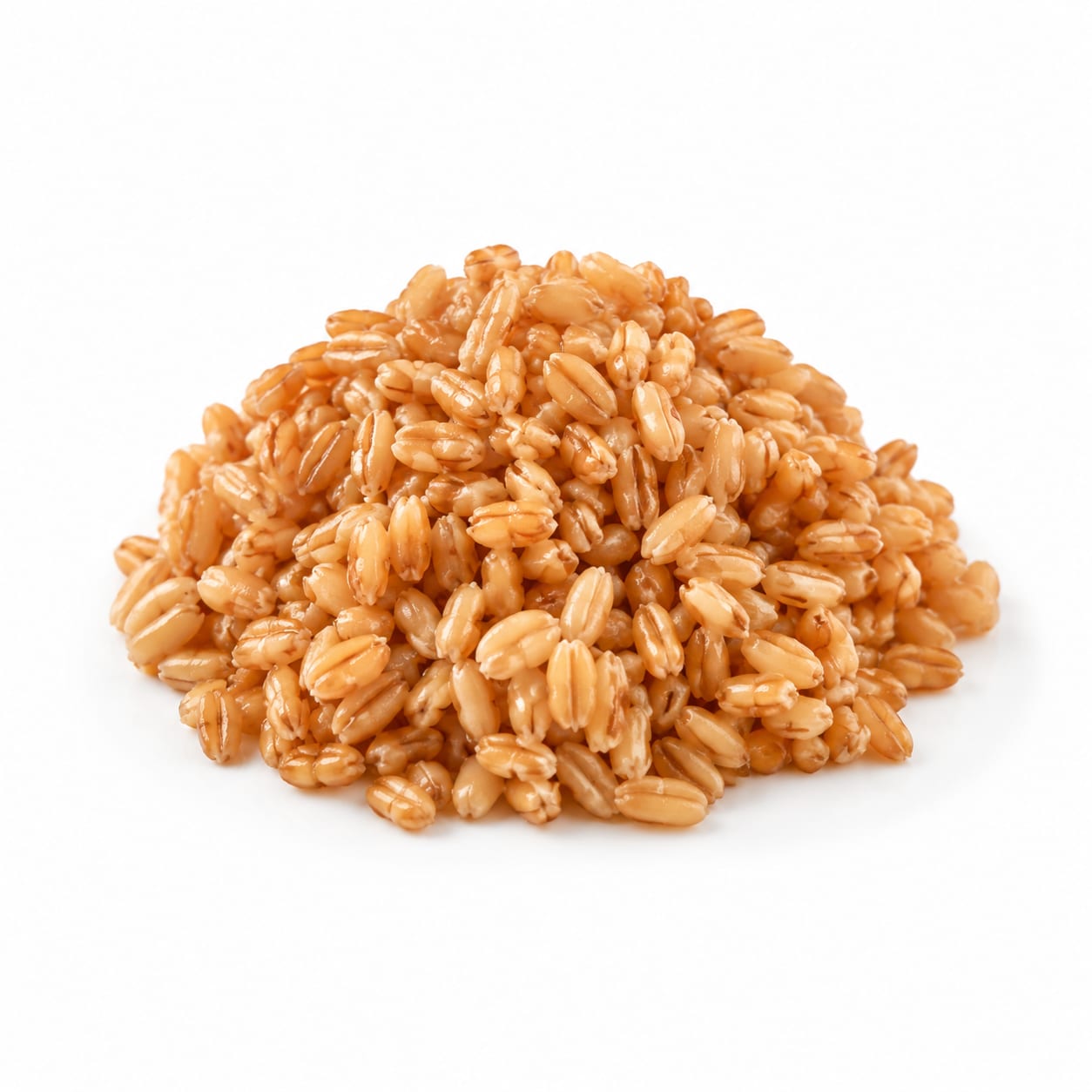
Einkorn
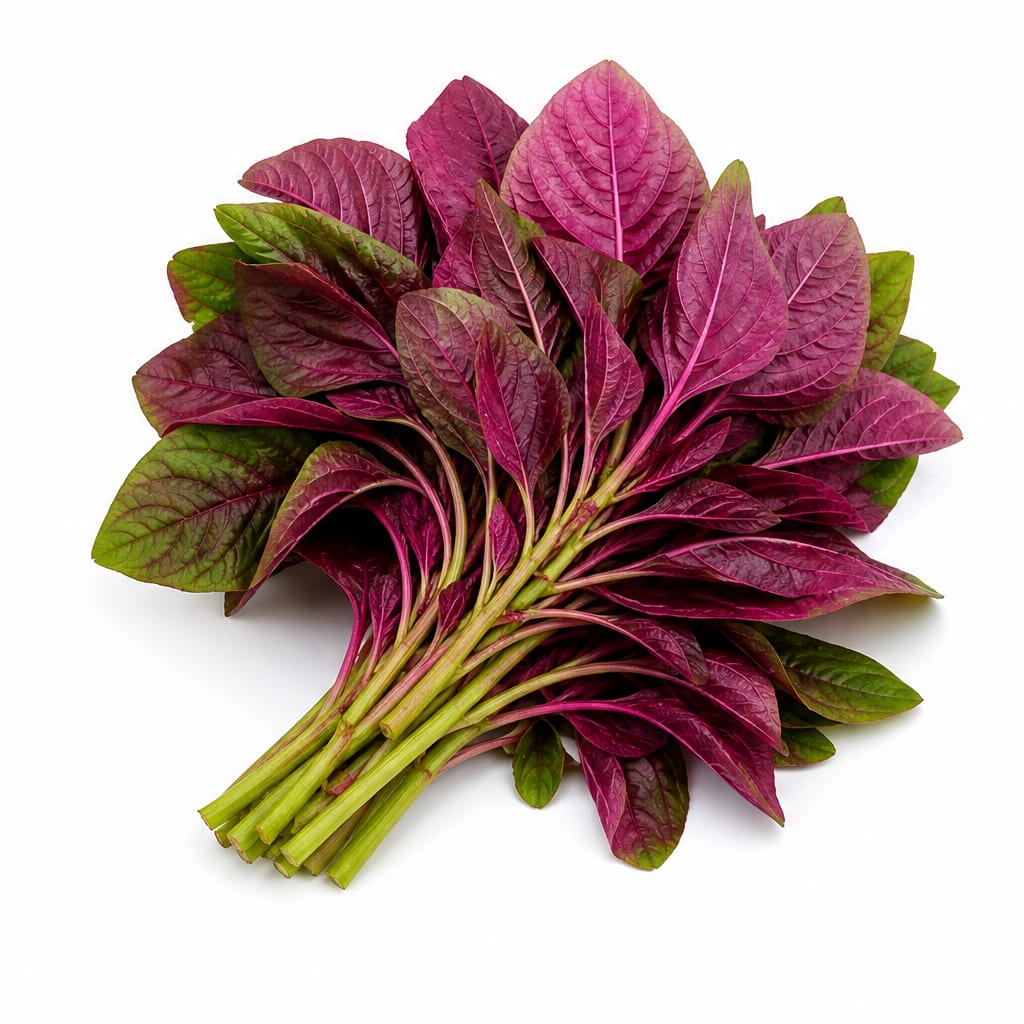
Amaranth
Amaranth wins for gluten-free households and complete protein, while Einkorn excels for antioxidant density and baking tradition. Your dietary needs decide the winner.
Amaranth scores higher overall due to its complete protein, gluten-free status, and superior mineral content. Einkorn remains valuable for its unique antioxidant profile and baking performance, but its gluten content limits the audience significantly.
Gluten-containing but antioxidant-rich Einkorn versus gluten-free but mineral-dense Amaranth — you trade lutein and baking familiarity for lysine and celiac safety.
At a glance
Executive summary
Overall
It depends
Healthier
It depends
More practical
Amaranth
Daily use
Amaranth
Key comparison lenses
gluten tolerance and digestive compatibility
Einkorn contains gluten while Amaranth is naturally gluten-free — this is the single biggest deciding factor for many consumers
protein quality and completeness
Amaranth offers a rare complete plant protein with lysine, while Einkorn has higher total protein but lacks lysine
ancient grain nutrient density
Both are prized as nutrient-dense ancient grains, but their nutritional profiles diverge significantly in minerals and antioxidants
blood sugar management
Both have lower glycemic impact than modern grains, but differ in how steadily they release energy
cooking versatility and accessibility
Amaranth cooks as a porridge or pops like popcorn, while Einkorn is primarily used as flour — very different kitchen experiences
Best choice for
Einkorn
- People without gluten sensitivity who bake regularly
- Anyone seeking maximum lutein and carotenoid intake
- Those wanting a gentler gluten alternative to modern wheat
- Mediterranean-style diet followers
Amaranth
- Anyone with celiac disease or gluten intolerance
- Vegans needing complete protein sources
- People with iron deficiency or anemia risk
- Those wanting a quick-cooking porridge grain
Least suitable for
Einkorn
- People with celiac disease or non-celiac gluten sensitivity
- Anyone on a strict gluten-free diet
- Those needing a quick-cooking weeknight grain
Amaranth
- People who primarily want to bake yeast breads
- Those sensitive to earthy flavors in porridge
- Anyone avoiding oxalate-rich foods due to kidney stones
Deep comparison
Dimension by dimension
Each lens scores both foods and breaks down who each option suits.
- Dimension 1 · Priority 95Amaranth
gluten_and_digestive_tolerance
Einkorn · 35Amaranth · 98Amaranth is naturally gluten-free and safe for celiacs. Einkorn contains gluten, though its structure differs from modern wheat and some report better tolerance.
Tradeoff
Einkorn offers a more familiar wheat-like eating experience, but Amaranth eliminates gluten risk entirely.
Why it matters
For the estimated 7% of people with gluten-related disorders, this alone determines the choice completely.
Real-world impact
If you have celiac disease, Amaranth lets you eat grain bowls and porridge worry-free. Einkorn requires caution even if some sources call it 'gentler gluten.'
Einkorn
- Bakers who want traditional wheat dough elasticity
- People who tolerate gluten and prefer familiar bread texture
Better for
- Celiacs and gluten-sensitive individuals
- Shared kitchens with cross-contamination concerns
Worse for
Amaranth
- Anyone with celiac disease or gluten sensitivity
- Households cooking for mixed gluten-tolerance needs
- Those eliminating gluten for inflammation reduction
Better for
- Traditional bread bakers needing gluten structure
Worse for
- Dimension 2 · Priority 88Amaranth
protein_quality
Einkorn · 62Amaranth · 91Amaranth provides a rare complete plant protein with all essential amino acids, especially lysine. Einkorn has more total protein per serving but is deficient in lysine.
Tradeoff
Einkorn gives you more protein grams on the label, but Amaranth delivers protein your body can actually use more efficiently.
Why it matters
Lysine is the limiting amino acid in most grains — Amaranth solves this naturally without food combining.
Real-world impact
A vegan eating Amaranth gets muscle-supporting protein in one bowl. With Einkorn, you'd need to pair it with beans or dairy for complete amino acids.
Einkorn
- Those eating Einkorn alongside lysine-rich foods like legumes
- Anyone focused on total protein grams rather than amino acid balance
Better for
- Vegans relying on it as a primary protein without combining
Worse for
Amaranth
- Vegans and vegetarians needing complete protein
- Athletes wanting efficient muscle recovery from plant sources
- Anyone eating grain as a standalone meal
Better for
- Those already eating varied protein sources who don't need completeness from their grain
Worse for
- Dimension 3 · Priority 82Einkorn
antioxidant_and_phytonutrient_density
Einkorn · 90Amaranth · 72Einkorn is remarkably rich in lutein, zeaxanthin, and carotenoids — far exceeding modern wheat and most grains. Amaranth has good antioxidants but less carotenoid diversity.
Tradeoff
Einkorn feeds your eyes and cells with carotenoids most grains lack. Amaranth offers solid but less distinctive antioxidant coverage.
Why it matters
Lutein and zeaxanthin directly protect retinal health — getting them from a daily grain is genuinely useful.
Real-world impact
Regular Einkorn consumption is like taking a mild eye-health supplement baked into your bread. Amaranth supports general cellular defense but without the targeted eye benefit.
Einkorn
- People concerned about macular degeneration or eye health
- Anyone wanting carotenoid-rich food without supplements
- Older adults prioritizing vision protection
Better for
- Those unable to absorb fat-soluble carotenoids without adequate dietary fat
Worse for
Amaranth
- Those seeking general antioxidant support from diverse sources
- People already consuming carotenoid-rich vegetables regularly
Better for
- Anyone relying on grain as a primary carotenoid source
Worse for
- Dimension 4 · Priority 80Amaranth
mineral_content
Einkorn · 58Amaranth · 89Amaranth is exceptionally rich in iron, magnesium, phosphorus, and manganese. Einkorn provides decent minerals but cannot match Amaranth's iron and magnesium density.
Tradeoff
Amaranth is practically a mineral supplement in grain form, especially for iron. Einkorn offers moderate minerals with less standout strength.
Why it matters
Iron deficiency is the world's most common nutrient deficiency, and magnesium shortfall affects nearly half of adults.
Real-world impact
A single serving of Amaranth covers roughly 30% of daily iron needs. Einkorn covers about 10-15%. For menstruating women or vegetarians, this gap matters daily.
Einkorn
- Those already meeting iron needs through red meat or supplements
- People concerned about excess iron storage
Better for
- People relying on their grain as a meaningful iron source
Worse for
Amaranth
- Women of reproductive age needing iron support
- Vegans and vegetarians at risk for iron deficiency
- Anyone with magnesium deficiency symptoms like cramps or poor sleep
Better for
- Those with hemochromatosis or iron overload conditions
Worse for
- Dimension 5 · Priority 75It depends
blood_sugar_stability
Einkorn · 74Amaranth · 76Both grains have lower glycemic impact than modern wheat or white rice. Amaranth edges slightly ahead due to higher fiber and protein slowing glucose absorption.
Tradeoff
The difference is modest — both are steady-energy choices compared to refined grains. Preparation method matters more than the grain itself.
Why it matters
Steadier blood sugar means fewer afternoon crashes and less cravings between meals.
Real-world impact
Either grain as a breakfast porridge beats oatmeal or cereal for sustained energy. The 2-point score difference won't be noticeable in daily life.
Einkorn
- Those eating Einkorn as whole berries rather than flour for maximum fiber benefit
Better for
- Those using Einkorn as refined flour, which raises glycemic impact significantly
Worse for
Amaranth
- People eating Amaranth as porridge where its soluble fiber shines
- Diabetics wanting every marginal glycemic advantage
Better for
- Anyone adding sweeteners to Amaranth porridge that negate its glycemic advantage
Worse for
- Dimension 6 · Priority 70Amaranth
cooking_versatility_and_convenience
Einkorn · 55Amaranth · 78Amaranth cooks in 20 minutes as porridge, can be popped like popcorn, or added to soups. Einkorn requires milling for most uses or long cooking as whole berries.
Tradeoff
Amaranth works as a quick stovetop grain in multiple forms. Einkorn mostly wants to be flour, which limits spontaneous cooking.
Why it matters
The grain you can cook easily on a Tuesday night is the grain you'll actually eat regularly.
Real-world impact
Amaranth porridge is a 20-minute breakfast. Einkorn berries need 45-60 minutes of simmering. For flour, you need a grain mill or pre-milled product.
Einkorn
- Experienced home bakers with grain mills
- People who bake bread weekly and want flour as their primary format
Better for
- Weeknight cooks without milling equipment
- Those wanting a quick-cooking whole grain option
Worse for
Amaranth
- Busy cooks wanting a quick stovetop grain
- People who enjoy porridge or grain bowls
- Anyone wanting a snackable popped grain
Better for
- Yeast bread bakers needing gluten structure for rising dough
Worse for
Timeline
Health impact over time
Short-term
Hours to days
Einkorn
- Provides steady energy with less blood sugar spike than modern wheat
- May cause bloating or digestive discomfort in gluten-sensitive individuals
- Offers satisfying fullness from higher protein content than standard flour
Amaranth
- Delivers quick-satiety from combined protein and fiber density
- Can cause initial digestive adjustment if your body is unused to high-fiber grains
- Provides noticeable sustained energy without the crash of refined grains
Long-term
Months to years
Einkorn
- Lutein and carotenoid intake may support eye health and reduce macular degeneration risk over decades
- Continued gluten exposure carries cumulative inflammatory risk for sensitive individuals
- Lower glyphosate exposure than conventional wheat due to ancient grain farming practices
Amaranth
- Consistent iron and magnesium intake supports cardiovascular health and reduces deficiency risk long-term
- Complete protein intake helps preserve muscle mass in aging populations
- Gluten-free nature eliminates chronic low-grade inflammation risk for sensitive individuals
Risk profile
Safety & processing
Both Einkorn and Amaranth are typically sold as whole grains or whole-grain flour with minimal processing. Neither commonly contains artificial additives. Einkorn benefits from often being grown on smaller heritage farms with fewer agrochemical inputs, while Amaranth is similarly clean but watch for cross-contamination in gluten-free labeled products.
Einkorn
Gluten exposure for sensitive individuals
highDespite marketing as 'gentler gluten,' Einkorn contains gliadin proteins that trigger celiac reactions. Never assume safety with celiac disease.
Glyphosate residue
lowAncient grains like Einkorn are typically grown with fewer chemicals, but conventional crops may still receive pre-harvest glyphosate desiccation.
Amaranth
Oxalate content
mediumAmaranth contains moderate oxalates that may contribute to kidney stone formation in susceptible individuals, especially when consumed in large quantities.
Gluten cross-contamination in processing
mediumWhile naturally gluten-free, Amaranth is often processed in facilities handling wheat. Certified gluten-free labels matter for celiacs.
Who wins for whom
Audience fit
Same foods, different winners depending on your goal.
children
It dependsAmaranth is safer for children with gluten issues and provides iron for growth. Einkorn offers eye-protecting carotenoids and familiar bread texture for picky eaters.
daily consumption
AmaranthGluten-free safety, complete protein, and mineral density make Amaranth more sustainable as a daily staple without accumulating gluten-related concerns.
diabetes
AmaranthSlightly better glycemic control from higher fiber and protein, plus the absence of gluten-driven inflammation some research links to metabolic stress.
elderly
EinkornEinkorn's exceptional lutein content directly addresses age-related macular degeneration, a leading concern for older adults. The familiar bread format also supports appetite in those with diminished hunger cues.
muscle gain
AmaranthComplete protein with lysine supports muscle repair more efficiently than Einkorn's lysine-limited protein profile.
weight loss
AmaranthAmaranth's higher fiber and complete protein create stronger satiety signals, making it easier to eat smaller portions without feeling deprived.
Your move
Decision guide
Choose Einkorn
- You tolerate gluten and want the best ancient wheat for baking bread and pastries
- Eye health and lutein intake are a priority for you
- You prefer the familiar taste and texture of wheat-based foods
- You eat a varied diet with lysine-rich legumes and don't need complete protein from your grain
Choose Amaranth
- You have celiac disease, gluten sensitivity, or cook for someone who does
- You want a complete plant protein without food combining
- Iron or magnesium deficiency is a concern for you
- You enjoy porridge, grain bowls, or want a quick-cooking whole grain
- You're vegan and need efficient protein from staple foods
Either works if
- You're simply replacing refined grains with something more nutritious
- Blood sugar management is your primary goal — both perform similarly
- You want to rotate ancient grains for dietary diversity
Avoid both if
- You have a specific grain allergy to either wheat family or Amaranthaceae plants
- You're on a strict low-carb or ketogenic diet — both are carbohydrate-dense
- You have severe oxalate sensitivity and kidney stone risk with Amaranth
Final recommendation
If gluten is not a concern, Einkorn is the better baker's grain with unmatched carotenoid benefits. For everyone else — and that's a large and growing group — Amaranth is the more practical, nutritionally complete, and inclusive daily staple. When in doubt, Amaranth is the safer bet for long-term daily use.
Practical
Consumer tips
- 1
Buy Einkorn as whole berries and mill fresh for maximum nutrient retention — pre-milled flour loses carotenoids quickly
- 2
Toast Amaranth in a dry pan before cooking to reduce earthy flavor and enhance nuttiness
- 3
If you tolerate both, rotate them weekly — Einkorn for baking days, Amaranth for porridge and grain bowls
- 4
Always check for certified gluten-free labels on Amaranth products if celiac safety matters
- 5
Soak Amaranth for 8 hours before cooking to reduce oxalates and improve mineral absorption
- 6
Pair Einkorn dishes with beans, cheese, or eggs to compensate for its lysine gap
- 7
Store both grains in airtight containers away from light — their oils and antioxidants degrade with exposure