
Animal Product
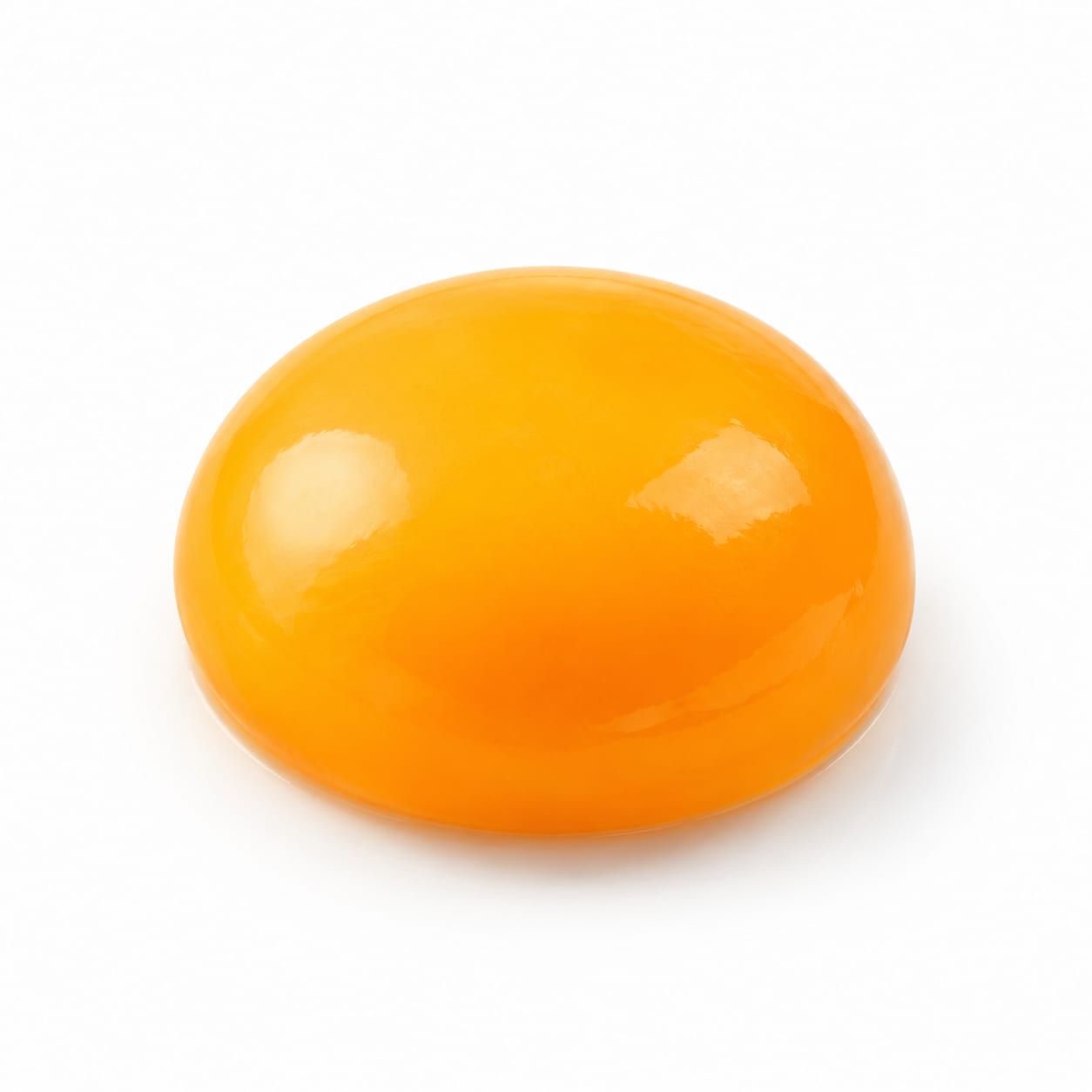
Egg Yolk
Egg yolk is the nutrient-dense yellow center of an egg, rich in healthy fats, cholesterol, and essential micronutrients like choline and vitamin D.
The nutrient-rich yellow portion of an egg, containing essential fats, vitamins, and minerals vital for embryonic development and human nutrition.
nutrient-dense high-fat animal food
Typical serving · 17g
Common varieties · conventional, pasture-raised, omega-3 enriched, free-range, organic
Overall context score across nutrition, safety, and diet fit
At a glance
Quick facts
Simple indicators based on nutrition, processing, and diet fit.
The story
What makes it unique
Egg yolks digest at a moderate rate due to their high fat and protein content, providing sustained satiety. The macronutrient profile is dominated by lipids with minimal carbohydrates. As a minimally processed whole food, yolks deliver highly bioavailable micronutrients essential for cellular function and hormone synthesis.
Varieties: conventional · pasture-raised · omega-3 enriched · free-range · organic
Per 100g
Nutrition breakdown
Macro balance and key metrics at a glance.
Energy
Density 3.22 kcal/g
Protein
Carbs
Fat
Fiber
Sugar
0.5 g
Sodium
48 mg
Potassium
109 mg
Glycemic index
0
Glycemic load
0
Water content
52%
Standout compounds
Nutrient highlights
Choline
highSupports brain health, memory, and cell membrane structure
Vitamin D
highPromotes calcium absorption and immune function
Lutein
highProtects eyes from blue light and oxidative stress
Vitamin B12
highEssential for nerve function and red blood cell formation
Selenium
moderateActs as an antioxidant and supports thyroid function
Wellness map
Health scores & processing
NOVA processing scale
unprocessed · Whole food
Fresh egg yolk is a whole, unprocessed food directly separated from its natural source.
Diet compatibility
- Weight loss
- Muscle gain
- Diabetes
- Gut health
- Low carb
- High protein
- Heart health
Relative standing
Food rankings
Qualitative ranks compared to similar whole foods.
- Satietygood
- Blood sugarexcellent
- Nutrient densityexcellent
- Fitness fuelgood
- Processing qualityexcellent
Eat with confidence
Food safety profile
The primary safety risk is Salmonella contamination, which is mitigated by cooking yolks to at least 160F. Pasteurized yolks are available for raw applications.
Evidence confidence 90%
- Pesticideslow
- Antibioticsmoderate
- Heavy metalslow
- Contaminationmoderate
Watch for
- salmonella
- avian influenza
Safer choices
Pasteurized liquid egg yolks eliminate bacterial risks for raw recipes like mayonnaise or hollandaise.
Prep tips
Avoid cross-contamination by washing hands and surfaces after handling raw eggs. Cook thoroughly until the yolk thickens.
Antibiotic use in conventional poultry farming can contribute to resistant bacteria. FDA regulates egg safety standards requiring refrigeration and handling protocols.
Deep dive
Health analysis
How this food may fit different goals and preparation choices.
Weight loss
High energy density makes overconsumption easy, but the fat and protein content promotes satiety which can reduce overall calorie intake if portioned correctly.
Blood sugar
Virtually zero carbohydrates result in no glycemic spike, making yolks highly stabilizing for blood sugar levels.
Fitness & energy
Provides a slow-digesting fat source and highly bioavailable protein, ideal for sustained energy and muscle recovery rather than rapid fueling.
Gut health
Contains no fiber, so it does not directly feed gut bacteria. However, it is easily digestible for most people and does not cause gut inflammation.
Processing quality
A completely whole, unprocessed food when consumed fresh, retaining all natural micronutrients and enzymes.
Food safety
Raw or undercooked yolks pose a Salmonella risk. Cooking eliminates this threat while preserving most nutrients.
Common mistakes
Discarding the yolk to save calories removes the most nutrient-dense part of the egg, including nearly all the vitamins and beneficial fats.
Best preparation
Soft boiling or poaching preserves the delicate fats and micronutrients better than high-heat frying which can oxidize the cholesterol.
Practical guide
Best use cases
When and how this food fits real eating patterns.
Nutrient density boost
Adding a yolk to meals increases intake of fat-soluble vitamins A, D, E, and K without adding carbohydrates.
Keto and low-carb diets
Provides essential fats and zero carbs, making it ideal for maintaining ketosis and meeting fat macros.
Post-workout recovery
Combines protein with healthy fats to support muscle repair and hormone synthesis after exercise.
Brain health support
One of the richest dietary sources of choline, a critical nutrient for memory and cognitive function.
Balance sheet
Pros & cons
Upsides
- Exceptional source of choline for brain health
- Rich in highly bioavailable lutein and zeaxanthin for eye health
- Contains fat-soluble vitamins A, D, E, and K
- Zero carbohydrates will not spike blood sugar
- Highly bioavailable protein and micronutrients
Trade-offs
- High in dietary cholesterol which may concern some individuals
- Calorie-dense due to high fat content
- Risk of Salmonella if consumed raw or undercooked
- Low in dietary fiber
- Conventional farming may involve antibiotic use
Fit check
Who is it for?
Great match
- low-carb and ketogenic diets
- brain health and cognitive support
- nutrient density on a calorie budget
- eye health maintenance
Consider alternatives
- strict low-fat diets
- vegans and strict vegetarians
- individuals with severe hypercholesterolemia without medical clearance
- raw consumption for immunocompromised individuals
Side by side
How it compares
Open the full head-to-head analysis for nutrition, safety, and practical tradeoffs.
This food
Egg Yolk
VS95% alike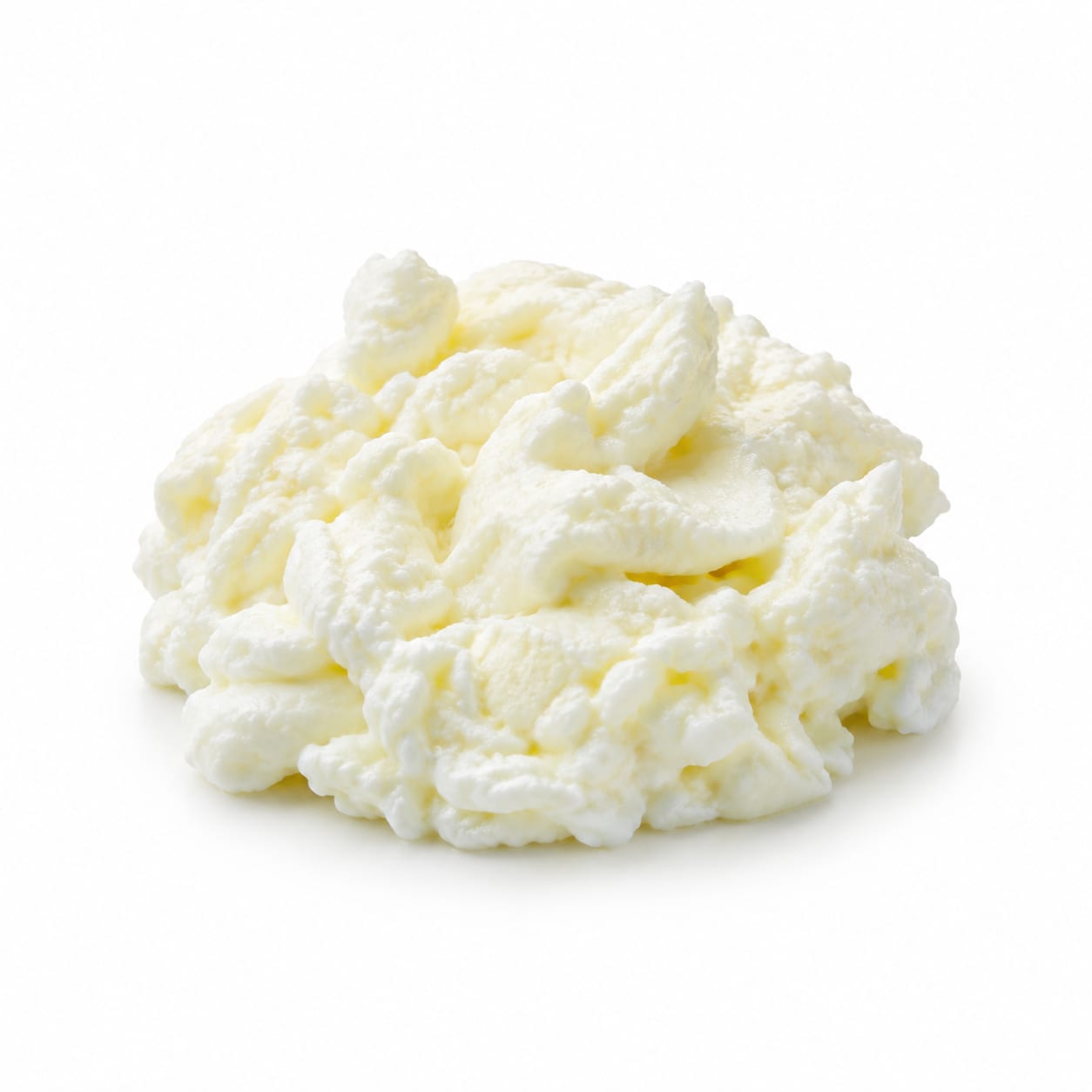
Compare with
Egg White
Egg whites offer pure protein with fewer calories, while yolks provide essential fats and micronutrients.
Egg whites are lower in calories and higher in protein for muscle gain, while egg yolks provide essential fats, choline, and vitamins for overall health.
This food
Egg Yolk
VS98% alike
Compare with
Whole Egg
Whole eggs balance yolk nutrients with white protein, offering better satiety and overall nutrition than yolk alone.
Whole eggs balance the fat and nutrients of the yolk with the pure protein of the white, making them more satiating and nutritionally complete than just the yolk.
This food
Egg Yolk
VS60% alike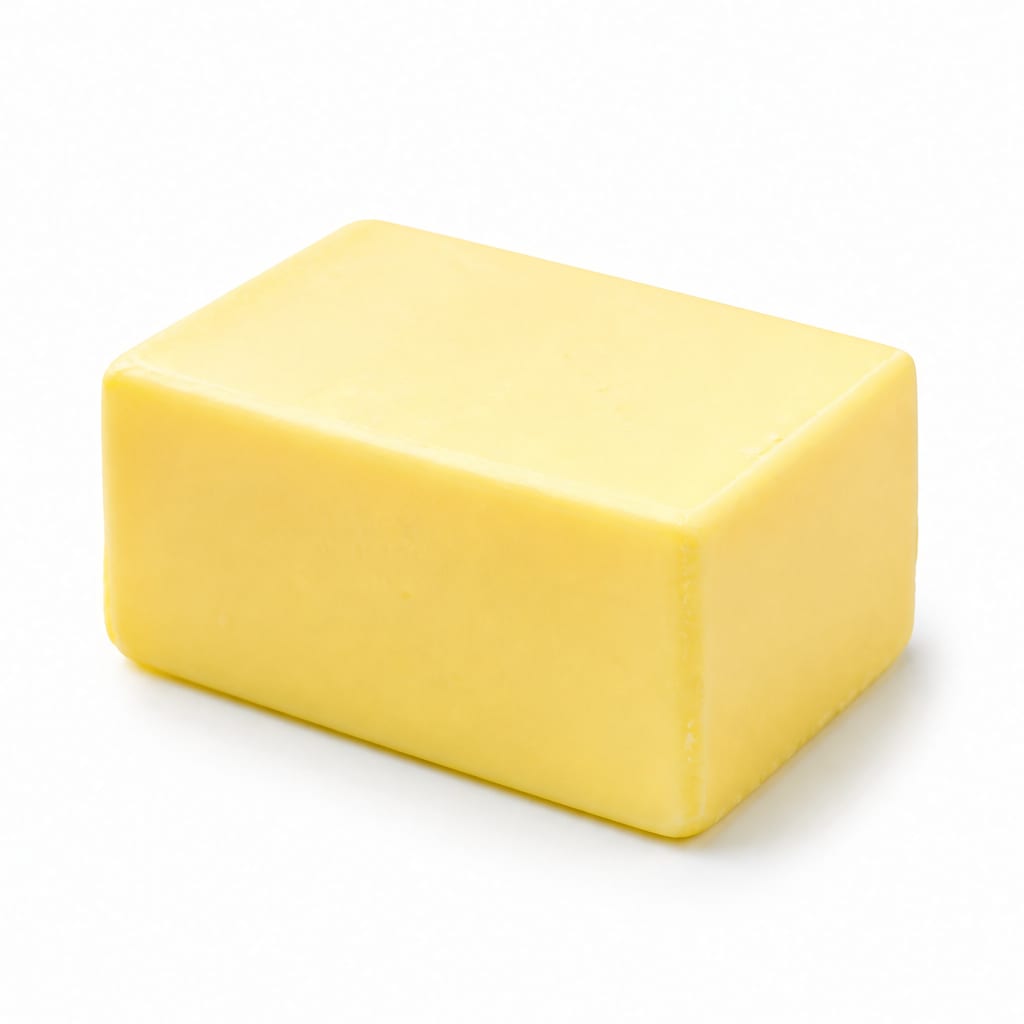
Compare with
Butter
Butter is pure fat with minimal nutrients, whereas egg yolks provide protein, choline, and vitamins alongside fat.
Butter is nearly pure fat with few nutrients, while egg yolks offer a better nutritional profile including protein and essential vitamins.
This food
Egg Yolk
VS70% alike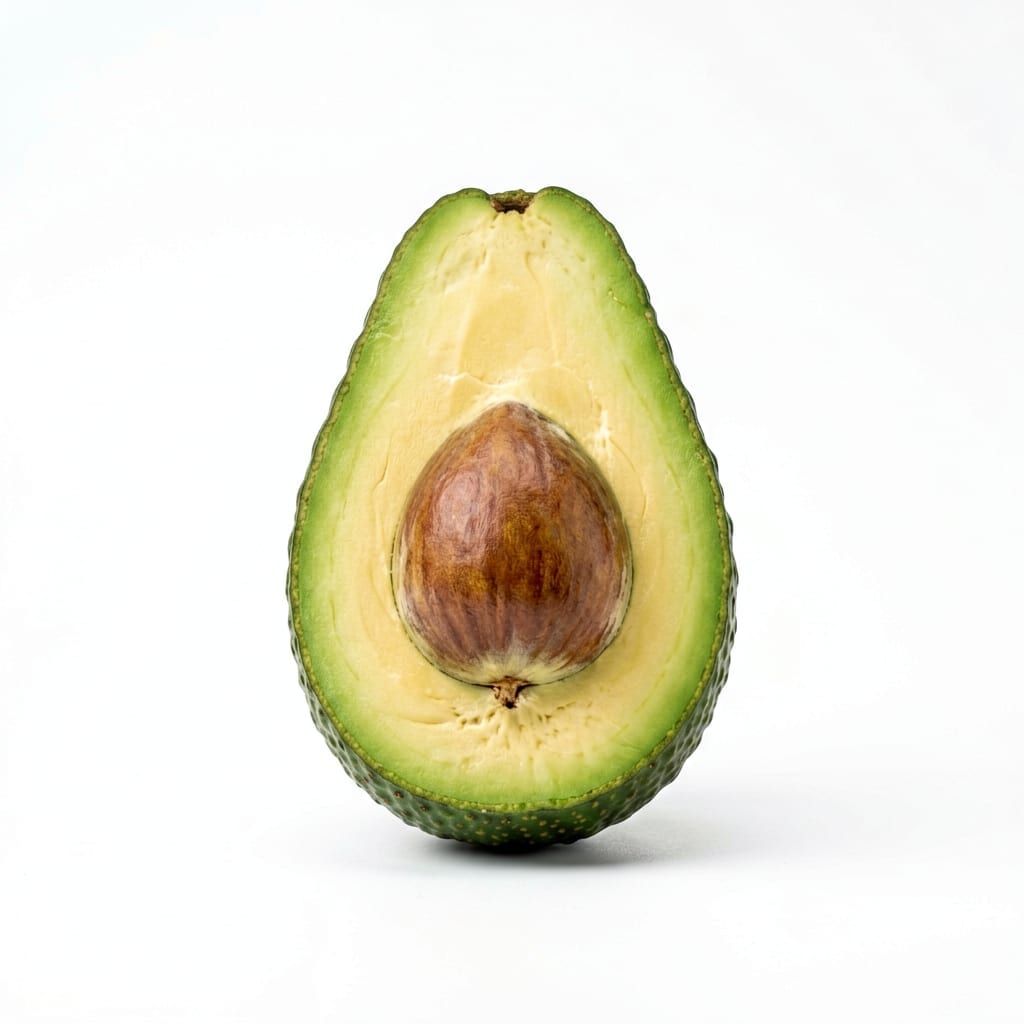
Compare with
Avocado
Avocados offer fiber and plant fats for heart health, while egg yolks provide protein and choline for brain support.
Avocados provide fiber and heart-healthy monounsaturated fats, while egg yolks deliver protein and choline for brain health.
This food
Egg Yolk
VS65% alike
Compare with
Chicken Breast
Chicken breast is a lean protein powerhouse for muscle gain, while egg yolks offer higher fat and micronutrients.
Chicken breast is lower in fat and higher in protein for lean muscle gain, whereas egg yolks provide more fat-soluble vitamins and healthy fats.
This food
Egg Yolk
VS55% alike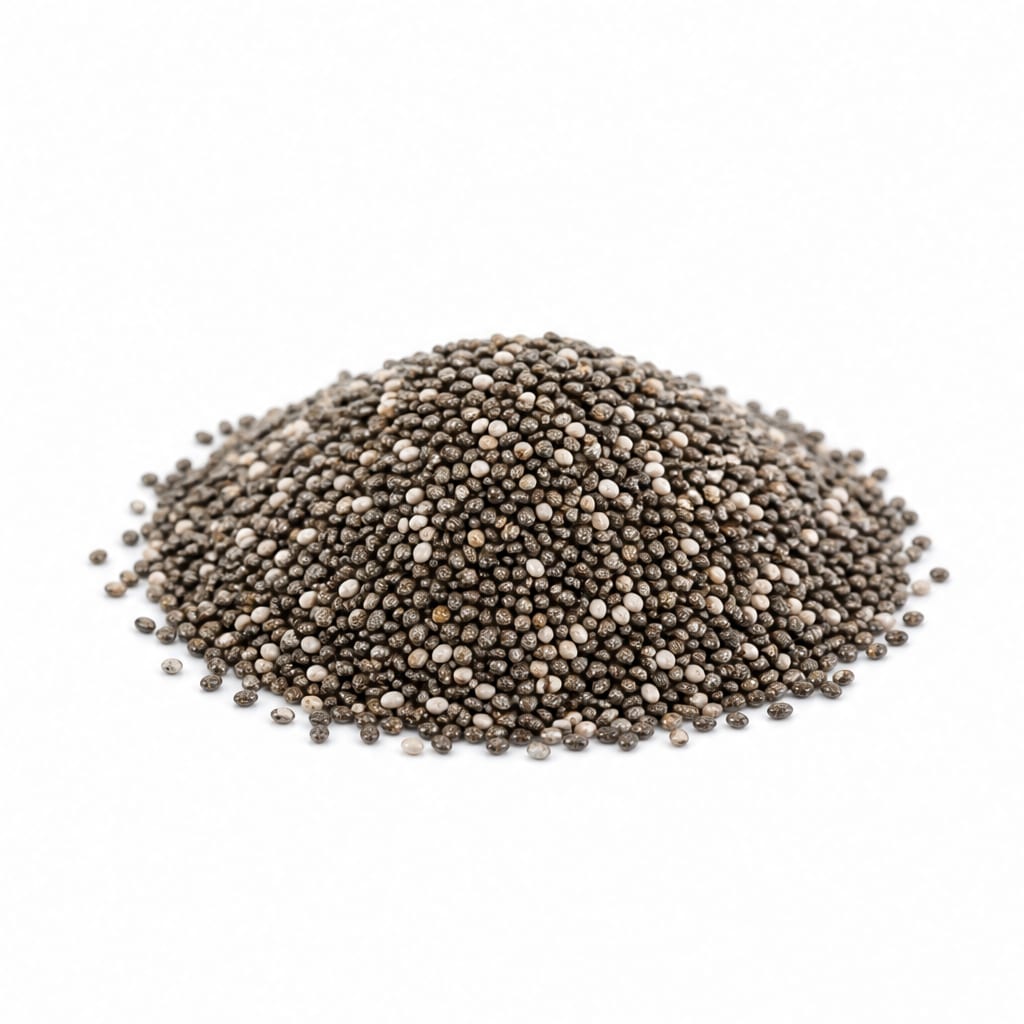
Compare with
Chia Seeds
Chia seeds provide high fiber and plant omega-3s, whereas egg yolks deliver protein and fat-soluble vitamins.
Chia seeds are superior for fiber and gut health, while egg yolks are better for bioavailable protein and vitamin D.
This food
Egg Yolk
VS50% alike
Compare with
Olive Oil
Olive oil is a refined fat source, while egg yolks are a whole food offering protein and micronutrients alongside fats.
Olive oil provides pure fats rich in antioxidants, while egg yolks offer a more complete nutritional package with protein and choline.
This food
Egg Yolk
VS75% alike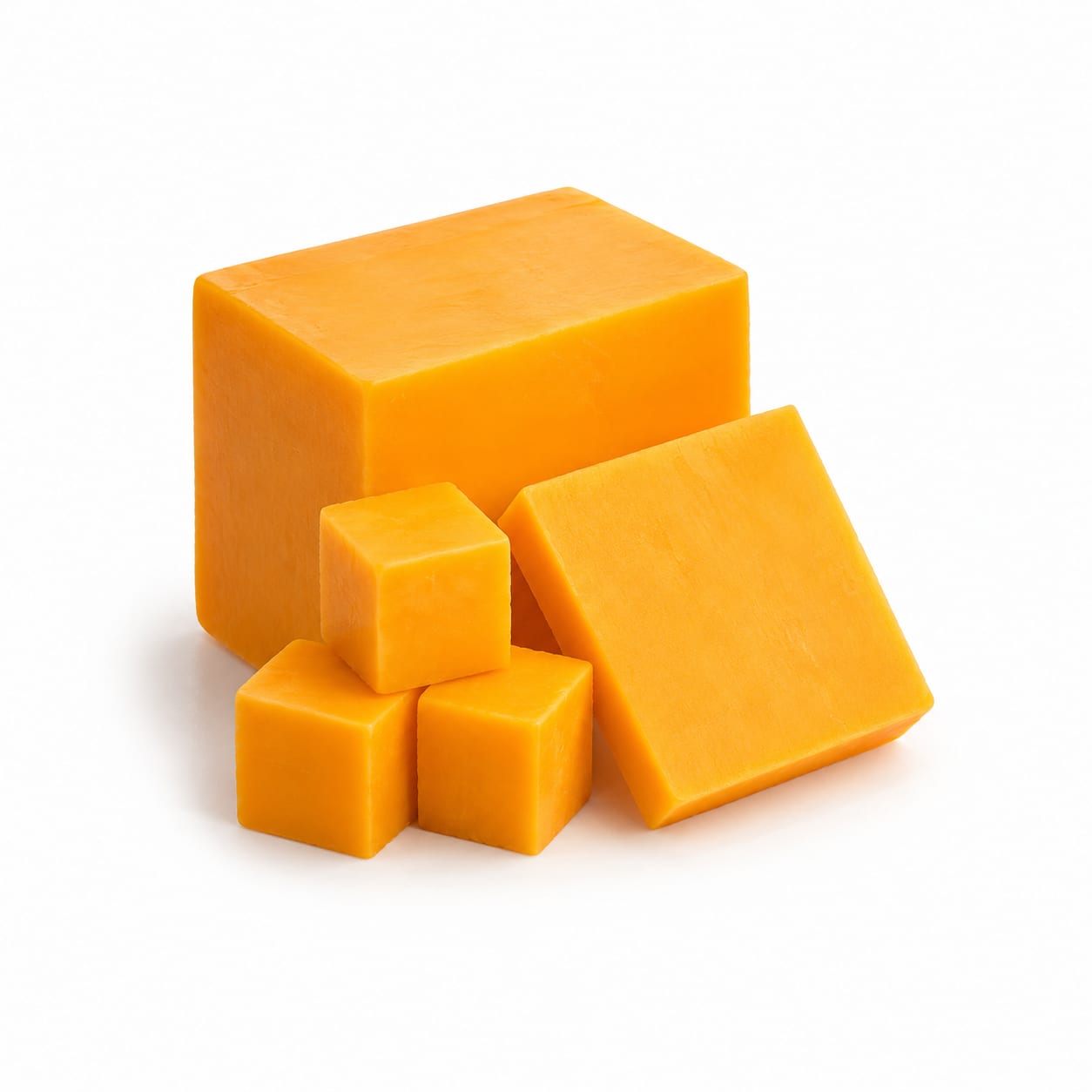
Compare with
Cheddar Cheese
Both are high-fat animal products, but egg yolks contain more choline and fewer calories per gram than cheddar cheese.
Egg yolks are lower in calories and higher in choline than cheddar cheese, making them a better choice for brain health and weight management.
This food
Egg Yolk
VS70% alike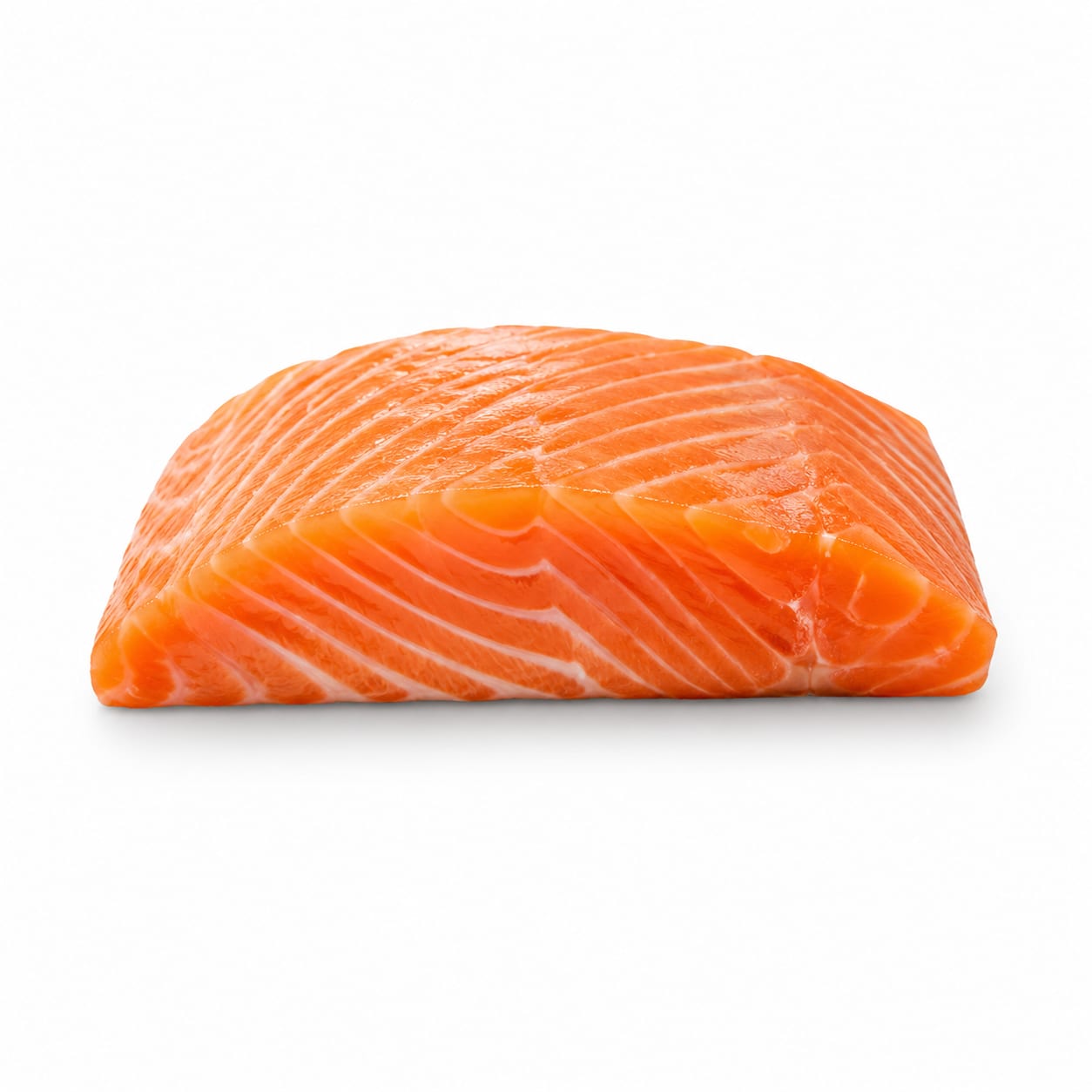
Compare with
Salmon
Salmon provides robust protein and omega-3s, while egg yolks offer a more concentrated source of choline and vitamin D per gram.
Salmon provides more protein and anti-inflammatory omega-3s, while egg yolks are a more concentrated source of choline per calorie.
This food
Egg Yolk
VS60% alike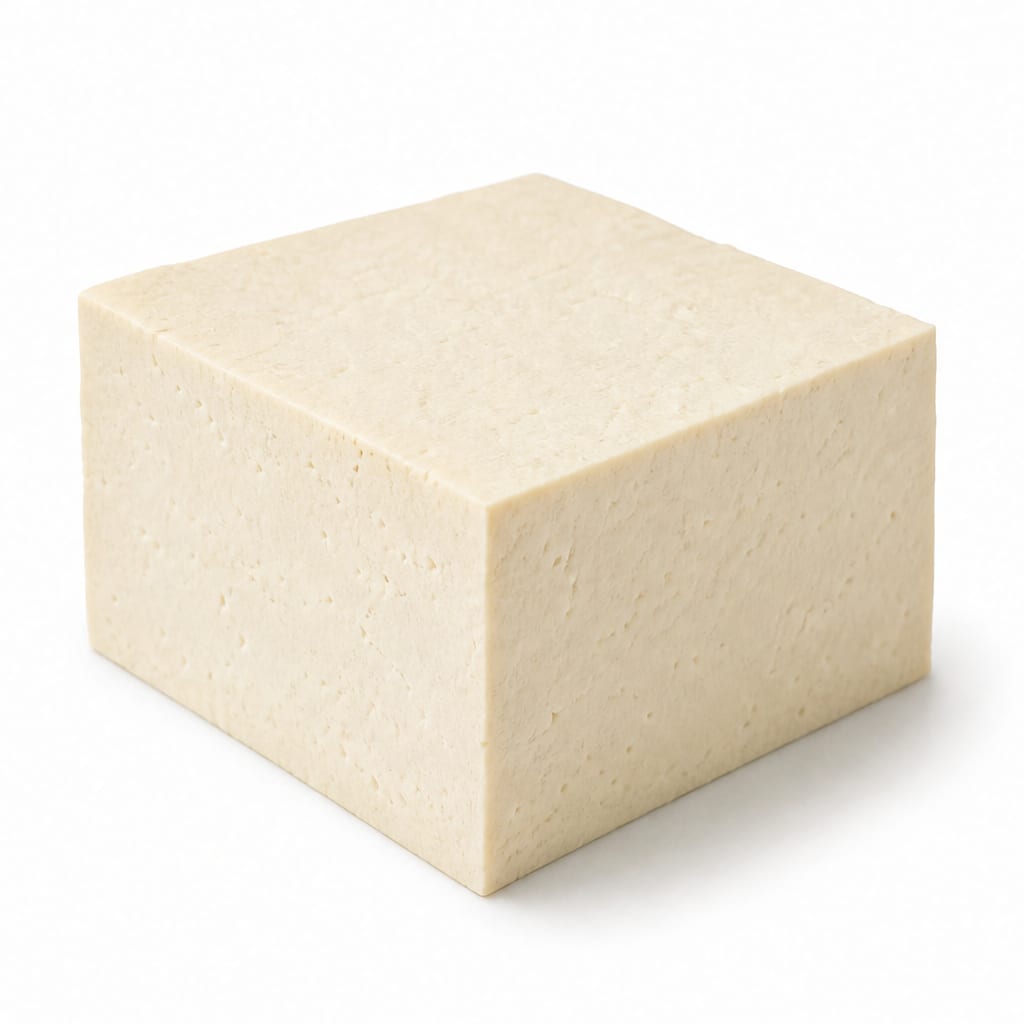
Compare with
Tofu
Tofu is a plant-based protein with fiber, while egg yolks are an animal-based fat and protein source with high vitamin density.
Tofu is a lower-calorie plant-based protein with fiber, while egg yolks offer higher fat-soluble vitamin content and complete animal protein.
Common questions
FAQ
Answers aligned with how people search for this food.
Are egg yolks bad for your cholesterol?
For most people, dietary cholesterol from egg yolks has a minimal impact on blood cholesterol. Saturated and trans fats are larger contributors to high blood cholesterol. Eating up to one yolk daily is safe for healthy individuals.
Is it healthier to eat egg whites or whole eggs?
Whole eggs are healthier for most people because the yolk contains nearly all the vitamins, minerals, and beneficial fats like choline and vitamin D. Egg whites are purely protein and lack these micronutrients.
Can I eat egg yolks every day?
Yes, most healthy adults can eat a whole egg daily without increasing heart disease risk. Individuals with existing high cholesterol or diabetes should consult their doctor about specific limits.
What are the main benefits of eating egg yolks?
Egg yolks are rich in choline for brain health, lutein and zeaxanthin for eye health, vitamin D for bone health, and B vitamins for energy production.
Does eating egg yolks cause weight gain?
Egg yolks alone do not cause weight gain. They are calorie-dense due to their fat content, so portion control matters, but their protein and fat also increase satiety which can help control overall appetite.
Are raw egg yolks safe to eat?
Raw egg yolks carry a risk of Salmonella contamination. If consuming raw, use pasteurized eggs to eliminate the risk of foodborne illness.
How much protein is in an egg yolk?
A single large egg yolk contains about 2.7 grams of protein, while the egg white contains about 3.6 grams. The yolk makes up roughly 40% of the egg's total protein.
Can diabetics eat egg yolks?
Yes, egg yolks contain virtually zero carbohydrates and will not spike blood sugar. Some studies suggest up to one whole egg daily is acceptable for diabetics, though individual medical advice should be followed.
Transparency
Data confidence
Estimated confidence for nutrition data, interpretation, safety notes, and comparisons.
Nutrition data
Health analysis
Food safety
Comparisons