
Nutrition comparison
Egg Yolk vs Tofu: Which is Healthier for Protein and Cholesterol?
Compare egg yolk vs tofu for protein, cholesterol, vitamins, and heart health. Discover which is better for weight loss, muscle gain, and daily nutrition.
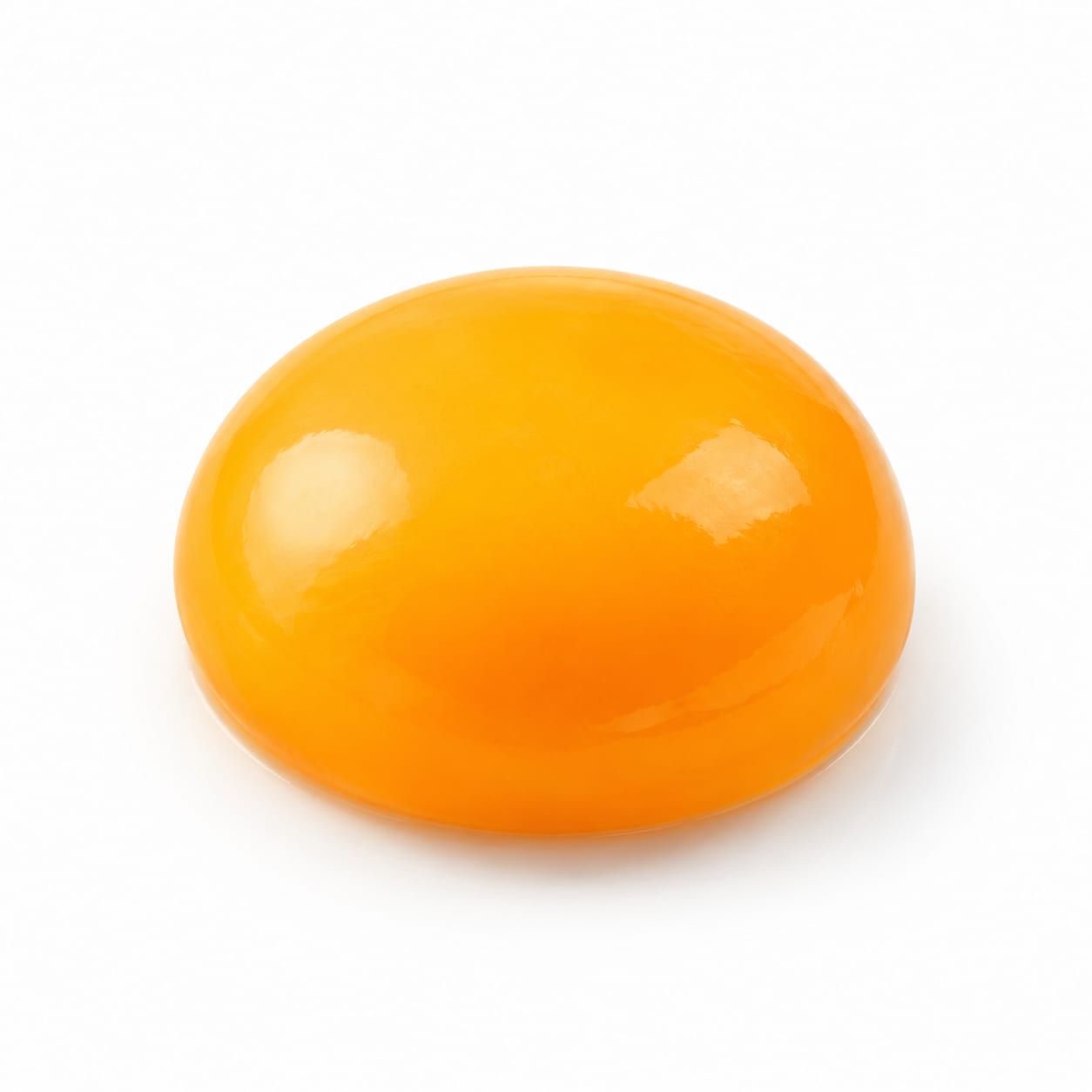
Egg Yolk
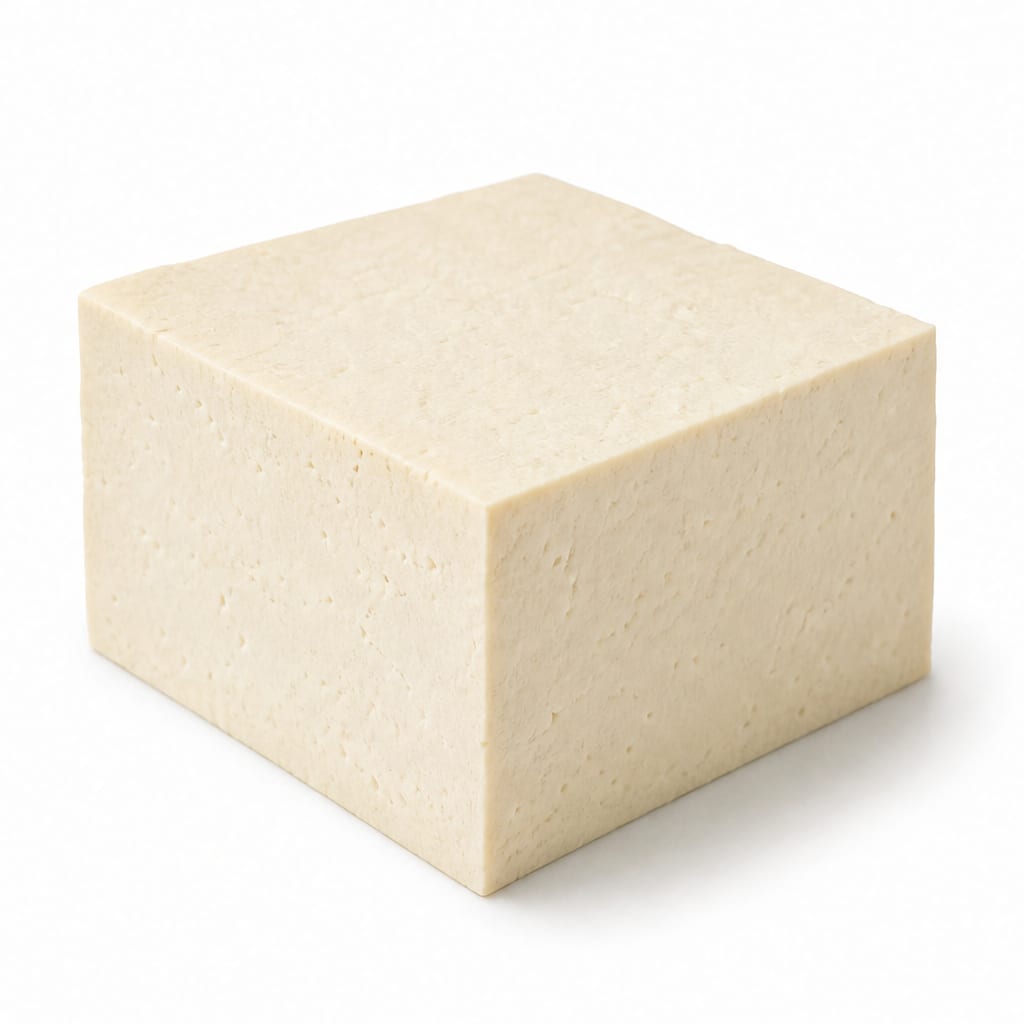
Tofu
Egg yolks deliver unmatched brain-boosting choline and fat-soluble vitamins, while tofu offers heart-friendly, low-calorie plant protein with zero cholesterol.
Tofu scores slightly higher due to its versatility as a daily staple without cardiovascular tradeoffs, though egg yolk remains an elite micronutrient powerhouse.
Superior vitamin and choline density from egg yolks versus the cardiovascular safety and lean protein efficiency of tofu.
At a glance
Executive summary
Overall
It depends
Healthier
It depends
More practical
Tofu
Daily use
Tofu
Key comparison lenses
Cholesterol and Heart Health Impact
Egg yolks are famously high in dietary cholesterol, while tofu is known for actively improving lipid profiles, making this a critical health differentiator.
Animal vs Plant Protein Quality
Users often compare complete animal proteins with plant-based alternatives to ensure they are getting all essential amino acids.
Micronutrient Density and Brain Health
Egg yolks are top dietary sources of choline and B12, nutrients often lacking in plant-based diets, which makes them highly relevant for cognitive function.
Hormonal Effects and Phytoestrogens
The cholesterol in egg yolks serves as a building block for hormones, while the isoflavones in tofu have mild estrogenic effects, raising common questions about hormonal balance.
Best choice for
Egg Yolk
- People needing choline for brain health and memory
- Those wanting to boost fat-soluble vitamins (A, D, K2)
- Individuals following a keto or low-carb lifestyle
Tofu
- People managing high cholesterol or heart conditions
- Vegans and vegetarians needing a versatile protein base
- Those seeking a low-calorie, high-satiety protein source
Least suitable for
Egg Yolk
- People with severe hypercholesterolemia
- Vegans and those avoiding animal products
- Individuals strictly limiting saturated fat intake
Tofu
- People with soy allergies or sensitivities
- Those avoiding phytoestrogens due to specific thyroid conditions
- Individuals needing dietary vitamin B12
Deep comparison
Dimension by dimension
Each lens scores both foods and breaks down who each option suits.
- Dimension 1 · Priority 90Egg Yolk
Nutrient Density & Vitamins
Egg Yolk · 95Tofu · 70Egg yolks are one of the most nutrient-dense foods available, packed with hard-to-get vitamins like B12, D, and choline.
Tradeoff
You get vastly more fat-soluble vitamins and choline with egg yolks, but tofu brings calcium, iron, and manganese without the saturated fat.
Why it matters
Choline is critical for memory and liver function, and many people fall short. Egg yolks are the best dietary source available.
Real-world impact
Eating egg yolks can noticeably boost your B12 and choline intake, supporting energy and focus, while tofu requires pairing with other foods to fill those gaps.
Egg Yolk
- Brain health and cognitive function
- Preventing B12 and vitamin D deficiency
- Supporting pregnancy nutrition
Better for
- Saturated fat intake
- High cholesterol load
Worse for
Tofu
- Bone health via calcium
- Blood health via iron
- Antioxidant intake via manganese
Better for
- Lack of vitamin B12
- Low vitamin D content
Worse for
- Dimension 2 · Priority 95Tofu
Heart Health & Cholesterol
Egg Yolk · 40Tofu · 90Tofu actively supports heart health by lowering LDL cholesterol, while egg yolks are high in dietary cholesterol and saturated fat.
Tradeoff
Egg yolks provide cholesterol needed for natural hormone synthesis, but for those with lipid issues, tofu is a much safer daily choice.
Why it matters
Heart disease remains a leading cause of mortality; dietary cholesterol significantly impacts blood lipids in sensitive individuals.
Real-world impact
Choosing tofu over egg yolks for your morning scramble can help keep your lipid panel in a healthier range, especially if you have a family history of heart disease.
Egg Yolk
- Providing raw materials for natural hormone production
- Supporting cell membrane integrity
Better for
- Raising LDL cholesterol in hyper-responders
- Saturated fat content
Worse for
Tofu
- Lowering LDL cholesterol
- Reducing cardiovascular risk
- Anti-inflammatory effects
Better for
- None for heart health
Worse for
- Dimension 3 · Priority 85Tofu
Protein Quality & Caloric Efficiency
Egg Yolk · 65Tofu · 85Tofu delivers more protein per calorie with almost no carbs, while egg yolks are primarily fat with only a modest amount of protein.
Tradeoff
Egg yolk protein has a slightly higher biological value, but tofu gives you way more protein per serving without the heavy calorie toll.
Why it matters
If you are trying to hit protein targets without overeating calories, tofu is far more efficient.
Real-world impact
A block of tofu keeps you full and fuels your muscles without the sluggishness that can follow a heavy, fat-rich egg yolk meal.
Egg Yolk
- Complete amino acid profile with high digestibility
- Post-workout recovery when combined with egg whites
Better for
- High calorie density from fat
- Low total protein per serving
Worse for
Tofu
- Weight management
- High protein-to-calorie ratio
- Lean muscle maintenance
Better for
- Slightly lower leucine content
Worse for
- Dimension 4 · Priority 80It depends
Hormonal & Phytochemical Profile
Egg Yolk · 75Tofu · 75Egg yolks provide raw cholesterol for hormone synthesis, while tofu offers isoflavones that mimic estrogen mildly.
Tradeoff
Egg yolks support testosterone and natural hormone pathways, whereas tofu's phytoestrogens can ease menopause symptoms but may concern those with thyroid issues.
Why it matters
Hormonal balance affects mood, energy, and aging. The source of your hormonal support matters based on your sex and health status.
Real-world impact
Women going through menopause might find tofu incredibly soothing for hot flashes, while someone looking to maximize natural testosterone might prefer egg yolks.
Egg Yolk
- Supporting natural testosterone production
- Providing raw materials for all steroid hormones
Better for
- Excess cholesterol if overconsumed
Worse for
Tofu
- Easing menopausal hot flashes
- Potentially reducing breast cancer risk
Better for
- Potential thyroid interference if iodine is low
- Soy allergies
Worse for
Timeline
Health impact over time
Short-term
Hours to days
Egg Yolk
- Quick, dense energy from healthy fats
- High satiety from fat content
- Potential sluggishness if eaten in large quantities
Tofu
- Steady, light energy
- Quick protein absorption
- Very easy on the stomach
Long-term
Months to years
Egg Yolk
- Improved choline status for brain health
- Potential increase in LDL cholesterol for sensitive individuals
- Better absorption of fat-soluble vitamins
Tofu
- Improved cardiovascular markers
- Reduced risk of hormone-dependent cancers
- Stronger bones from calcium and isoflavones
Risk profile
Safety & processing
Egg yolks are a whole, unprocessed food straight from nature. Tofu is processed (soybeans curdled and pressed) but contains no artificial additives and retains its nutritional integrity.
Egg Yolk
Salmonella
mediumRaw or undercooked egg yolks carry a risk of Salmonella, requiring careful handling and thorough cooking.
Antibiotic and Pesticide Residues
mediumConventional eggs may contain traces of antibiotics or pesticides from feed; opting for pasture-raised organic eggs minimizes this.
Tofu
GMO Exposure
mediumThe majority of soy grown globally is genetically modified; choosing organic tofu eliminates this concern entirely.
Thyroid Disruption
lowSoy isoflavones can interfere with thyroid function in people with existing iodine deficiency, though this is rare with adequate iodine intake.
Who wins for whom
Audience fit
Same foods, different winners depending on your goal.
children
Egg YolkThe choline, B12, and vitamin D in egg yolks are absolutely crucial for a child's brain development and growth.
daily consumption
TofuTofu can be eaten daily without concerns about cholesterol buildup, making it a safer everyday staple.
diabetes
TofuTofu has zero carbs and zero cholesterol, protecting against the cardiovascular complications common in diabetes, whereas egg yolks add saturated fat.
elderly
It dependsEgg yolks help prevent B12 deficiency and muscle wasting, but tofu protects aging hearts and bones; both are highly valuable.
muscle gain
TofuTofu offers more total protein per serving, which is critical for muscle synthesis, even though egg yolk protein is highly bioavailable.
weight loss
TofuTofu provides significantly more protein per calorie, keeping you full without the high calorie density of fat-rich egg yolks.
Your move
Decision guide
Choose Egg Yolk
- You want to boost brain health and memory with choline
- You are pregnant or trying to conceive and need B12 and folate
- You follow a keto or low-carb diet and need healthy fats
Choose Tofu
- You have high cholesterol or a family history of heart disease
- You need a low-calorie, high-protein staple for weight management
- You follow a plant-based diet
Either works if
- You need versatile cooking ingredients for stir-fries or scrambles
- You want a filling, low-carb addition to a meal
Avoid both if
- You have severe egg and soy allergies simultaneously
Final recommendation
Let your health goals decide. If brain health and fat-soluble vitamins are your priority, eat egg yolks a few times a week. If heart health and lean protein matter more, make tofu your daily staple. Rotating both gives you the best of both worlds without the downsides of overconsuming either.
Practical
Consumer tips
- 1
Buy pasture-raised eggs to maximize omega-3s and vitamin D in the yolks while avoiding antibiotic residues.
- 2
Choose organic, firm tofu to avoid GMOs and get the highest protein content per serving.
- 3
If you have high cholesterol but love eggs, stick to one yolk per day and fill the rest of your plate with tofu or egg whites.
- 4
Pair tofu with a vitamin C source like bell peppers to boost its iron absorption.
- 5
Avoid overcooking egg yolks at extremely high heat to preserve their delicate choline and vitamin content.