
Nutrition comparison
Egg Yolk vs Butter: Nutrition, Health Benefits, and Which to Choose
Compare egg yolk and butter side by side. Egg yolk delivers protein, choline, and vitamins; butter offers rich flavor but fewer nutrients. Learn which is better for your goals.
Overall winner · Egg Yolk
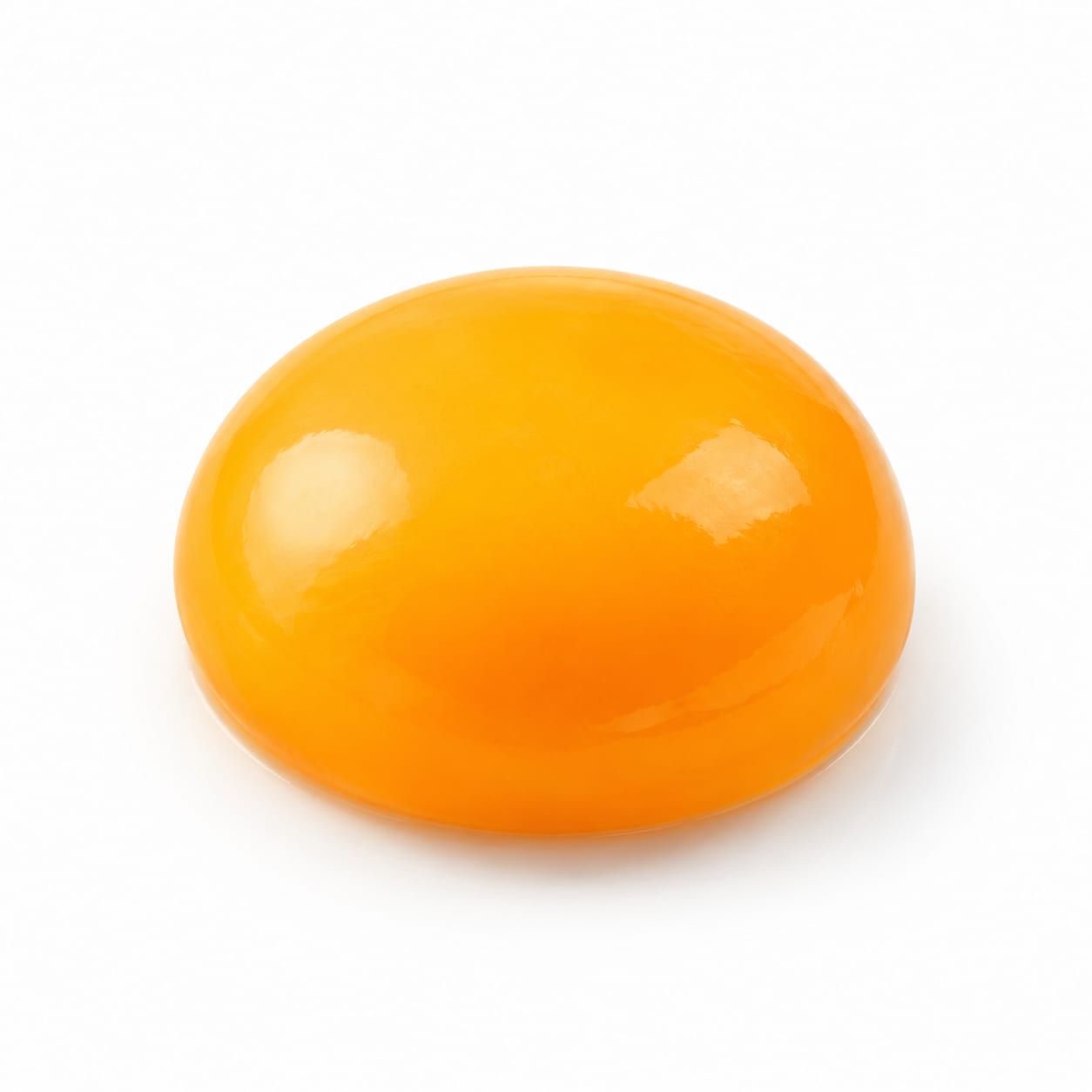
Egg Yolk
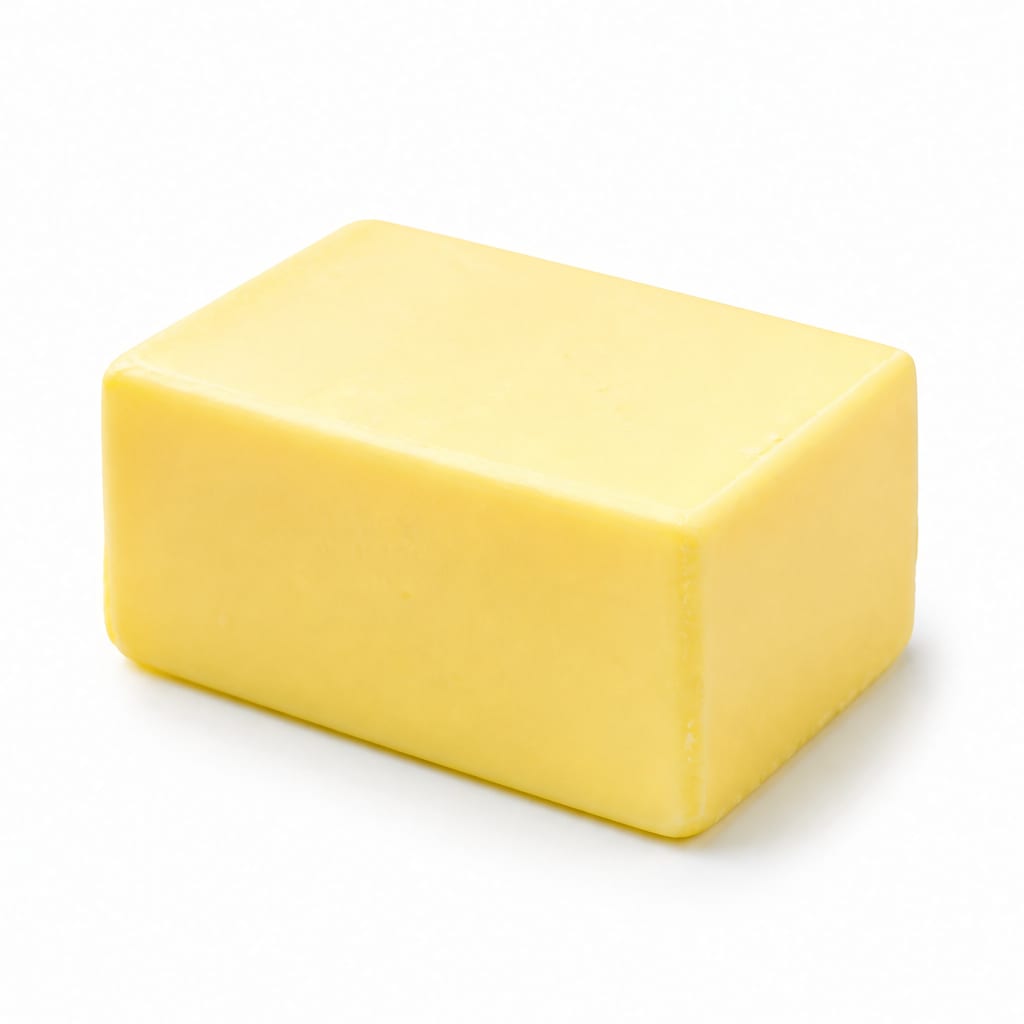
Butter
Egg yolk is the more nutritionally complete choice, offering protein, choline, and vitamins alongside its fat. Butter is a more concentrated cooking fat with fewer nutritional benefits.
Egg yolk scores substantially higher due to its protein, choline, vitamin D, and mineral content. Butter is not inherently harmful in moderation but offers far less nutritional return per calorie.
Egg yolk gives you real nutrition per calorie; butter gives you richer flavor and better baking performance but almost nothing beyond fat
At a glance
Executive summary
Overall
Egg Yolk
Healthier
Egg Yolk
More practical
It depends
Daily use
Egg Yolk
Key comparison lenses
nutrient density vs pure fat
Egg yolk delivers broad nutrition alongside its fat, while butter is essentially pure fat with minimal micronutrients
heart health and cholesterol concerns
Both foods carry saturated fat and cholesterol fears, but users need clarity on actual risk differences
cooking and baking functionality
These are kitchen staples often swapped or compared for recipes, so practical culinary tradeoffs matter
weight management and satiety
Calorie density and fullness differ significantly, impacting daily eating patterns
brain and cognitive nutrition
Choline in egg yolks is a standout nutrient for brain health that butter completely lacks
Best choice for
Egg Yolk
- Brain health and cognitive support
- Nutrient-dense breakfasts
- Post-workout recovery meals
- Pregnancy nutrition
- Eye health maintenance
Butter
- Flaky pastry and baking
- Searing and high-heat sautéing
- Flavor-finishing dishes
- Keto and very low-carb cooking
- Making sauces like hollandaise base
Least suitable for
Egg Yolk
- Strict vegan diets
- Egg allergy sufferers
- Very low-cholesterol medical protocols
Butter
- Dairy allergy or lactose intolerance
- Low-calorie or weight loss diets
- Heart-healthy eating plans requiring saturated fat limits
Deep comparison
Dimension by dimension
Each lens scores both foods and breaks down who each option suits.
- Dimension 1 · Priority 95Egg Yolk
Nutrient Density
Egg Yolk · 88Butter · 25Egg yolk is a nutritional powerhouse; butter is mostly empty fat calories
Tradeoff
You get significantly more vitamins, minerals, and functional nutrients from egg yolk per calorie consumed
Why it matters
Nutrient density determines how much your body actually benefits from what you eat, beyond just energy
Real-world impact
An egg yolk with breakfast contributes meaningful protein, vitamin D, and choline. A pat of butter on toast adds richness but little your body can build with.
Egg Yolk
- Meeting daily vitamin and mineral needs
- Getting choline for liver and brain function
- Supporting pregnancy nutrition
- Building meals that nourish rather than just fuel
Better for
- Very low-calorie diets where every calorie must be minimal
Worse for
Butter
- Pure energy density for endurance activities
- Situations where only fat-soluble flavor compounds matter
Better for
- Any context where you need protein, vitamins, or minerals from your fat source
Worse for
- Dimension 2 · Priority 85Egg Yolk
Satiety and Fullness
Egg Yolk · 72Butter · 30Egg yolk keeps you fuller longer thanks to its protein content; butter barely registers on the satiety scale
Tradeoff
Protein in egg yolk triggers fullness signals that pure fat in butter cannot match alone
Why it matters
Foods that leave you hungry soon after eating lead to overconsumption and poor energy stability
Real-world impact
Eating an egg with breakfast holds you until lunch. Butter on toast tastes great but you will be hungry again within an hour.
Egg Yolk
- Morning meals that need to last until noon
- Controlling afternoon snacking urges
- Building satisfying meals on moderate calories
Better for
- Moments right before intense exercise when you want minimal digestion
Worse for
Butter
- Quick pre-workout energy when you want food light in the stomach
Better for
- Any meal where staying full for hours matters
- Weight management eating patterns
Worse for
- Dimension 3 · Priority 82Egg Yolk
Heart Health Profile
Egg Yolk · 55Butter · 35Neither food is a heart health hero, but egg yolk brings protective nutrients that butter lacks entirely
Tradeoff
Both contain saturated fat and cholesterol, but egg yolk offsets some risk with omega-3s, choline, and antioxidants
Why it matters
Cardiovascular risk accumulates over decades, making small daily choices compound significantly
Real-world impact
Having an egg yolk daily appears neutral to mildly beneficial for most people's heart health. Daily heavy butter use more clearly raises LDL cholesterol over time.
Egg Yolk
- People whose cholesterol responds well to dietary cholesterol
- Diets already moderate in saturated fat elsewhere
- Obtaining heart-helpful nutrients like omega-3s from pasture-raised eggs
Better for
- People with genetically high cholesterol who are sensitive to dietary cholesterol
Worse for
Butter
- Grass-fed butter provides some CLA and vitamin K2
- Very small amounts as flavor enhancer rather than main fat
Better for
- Anyone with elevated LDL or family history of heart disease
- Diets already high in saturated fat from other sources
Worse for
- Dimension 4 · Priority 78Egg Yolk
Brain and Cognitive Nutrition
Egg Yolk · 90Butter · 20Egg yolk is one of the best dietary sources of choline, critical for memory and brain function; butter offers virtually nothing for cognition
Tradeoff
Choline is essential and underconsumed; egg yolk is the most practical food source, while butter contributes zero
Why it matters
Choline deficiency affects memory, mood, and long-term cognitive decline risk
Real-world impact
Regular egg yolk consumption supports memory and focus. Butter, regardless of amount, does not move the needle on brain nutrition.
Egg Yolk
- Students and professionals needing mental sharpness
- Pregnant women supporting fetal brain development
- Older adults preserving cognitive function
- Anyone not taking a choline supplement
Better for
- Only if total dietary choline is already excessive, which is rare
Worse for
Butter
- No meaningful brain health advantage
Better for
- Relying on butter as a fat source while neglecting choline-rich foods
Worse for
- Dimension 5 · Priority 75It depends
Cooking Versatility and Function
Egg Yolk · 65Butter · 75Butter excels at browning, flakiness, and richness; egg yolk excels at binding, emulsifying, and adding body
Tradeoff
They serve different culinary roles and are not truly interchangeable in most recipes
Why it matters
Choosing the right fat or emulsifier determines whether your food works technically and tastes right
Real-world impact
Butter makes better pie crust and seared steak. Egg yolk makes better custards, mayonnaise, and coatings.
Egg Yolk
- Emulsifying sauces like hollandaise and aioli
- Binding meatballs and meatloaf
- Creating rich custards and ice cream bases
- Egg wash for browning and shine on baked goods
Better for
- High-heat cooking where protein burns
- Applications needing pure fat behavior
Worse for
Butter
- Achieving flaky layers in pastry
- Searing proteins with a golden crust
- Finishing sauces with glossy richness
- Sautéing vegetables with deep flavor
Better for
- Recipes requiring emulsification or binding
- Dishes where protein structure matters
Worse for
- Dimension 6 · Priority 72Egg Yolk
Calorie Efficiency
Egg Yolk · 68Butter · 30Egg yolk delivers far more nutrition per calorie than butter, which is extremely calorie-dense for what it provides
Tradeoff
Butter packs over 700 calories per 100g with almost no protein or micronutrients; egg yolk offers a better nutritional return on your calorie budget
Why it matters
People with limited calorie budgets need each calorie to contribute meaningful nutrition
Real-world impact
Two egg yolks cost about 110 calories and deliver protein, choline, and vitamins. A tablespoon of butter costs 100 calories and delivers mostly saturated fat.
Egg Yolk
- Weight management eating
- Getting maximum nutrition from moderate calories
- Athletes tracking macros who need protein with their fat
Better for
- Extremely low-fat medical diets
Worse for
Butter
- Endurance athletes needing concentrated energy
- Bulking diets where calorie surplus is intentional
Better for
- Any calorie-conscious eating pattern
- People who struggle with portion control of rich foods
Worse for
- Dimension 7 · Priority 60Egg Yolk
Eye Health Nutrients
Egg Yolk · 82Butter · 15Egg yolk contains lutein and zeaxanthin, two carotenoids critical for eye health that butter essentially lacks
Tradeoff
These antioxidants accumulate in the retina and protect against age-related macular degeneration over decades
Why it matters
Eye health decline is gradual and irreversible; dietary prevention starting early makes a real difference
Real-world impact
Regular egg yolk consumption is associated with lower risk of macular degeneration. Butter consumption has no similar protective association.
Egg Yolk
- Adults over 40 concerned about vision longevity
- People with family history of macular degeneration
- Screen-heavy workers wanting to protect their eyes
Better for
- Only relevant if you already supplement high-dose lutein
Worse for
Butter
- No meaningful eye health benefit
Better for
- Replacing egg yolk with butter means losing a key dietary lutein source
Worse for
Timeline
Health impact over time
Short-term
Hours to days
Egg Yolk
- Provides steady energy with protein and fat together
- Supports morning focus and concentration via choline
- Can cause mild digestive discomfort if eaten in large quantities by those unaccustomed to rich foods
Butter
- Adds quick richness and satisfaction to meals
- Can trigger overeating when added to carbs like bread or pasta
- May cause digestive discomfort in lactose-sensitive individuals despite low lactose content
Long-term
Months to years
Egg Yolk
- Supports cognitive health through consistent choline intake
- Contributes to eye health via lutein and zeaxanthin accumulation
- Appears neutral to beneficial for heart health in most studies when consumed in moderation
- Provides bioavailable vitamin D that supports bone and immune health long-term
Butter
- Regular high intake raises LDL cholesterol and cardiovascular risk over years
- Grass-fed versions provide some vitamin K2 beneficial for bone and arterial health
- Excessive daily use contributes to calorie surplus and gradual weight gain
- Small moderate use as flavor enhancer is unlikely to cause harm in otherwise healthy diets
Risk profile
Safety & processing
Both foods are minimally processed whole foods. Egg yolk comes straight from the egg with nothing added. Quality butter contains only cream and possibly salt. Neither raises significant additive concerns, though sourcing matters for both.
Egg Yolk
Salmonella contamination
mediumRaw or undercooked egg yolks carry salmonella risk. Cooking to 160°F eliminates this. Pasteurized eggs are available for raw applications.
Allergic potential
mediumEgg allergy is one of the most common food allergies, especially in children. Most outgrow it, but it can cause serious reactions in sensitive individuals.
Butter
Dairy allergy or sensitivity
mediumButter contains trace milk proteins that can trigger reactions in highly dairy-allergic individuals. Casein and whey residues remain despite being mostly fat.
Oxidized cholesterol from high-heat cooking
lowHeating butter to smoking point can oxidize its cholesterol, creating compounds more damaging than native cholesterol. Use moderate heat or clarified butter for high-heat cooking.
Who wins for whom
Audience fit
Same foods, different winners depending on your goal.
children
Egg YolkCholine, protein, and vitamin D in egg yolk support growing brains and bodies. Butter adds calories but minimal developmental nutrition.
daily consumption
Egg YolkOne to two egg yolks daily provides consistent nutritional benefits. Daily butter use is fine in small amounts but adds calories without meaningful nutrient return.
diabetes
Egg YolkNeither food spikes blood sugar directly, but egg yolk's protein improves meal satiety and reduces the likelihood of overeating other carb-heavy foods.
elderly
Egg YolkOlder adults benefit from egg yolk's choline for cognitive preservation, vitamin D for bone health, and leucine for muscle maintenance. Butter's nutritional contribution is comparatively thin.
muscle gain
Egg YolkEgg yolk contains high-quality protein alongside fat, contributing to muscle repair and growth. Butter provides zero protein.
weight loss
Egg YolkEgg yolk provides protein and nutrients that support fullness on fewer total calories, making it easier to maintain a calorie deficit without feeling deprived.
Your move
Decision guide
Choose Egg Yolk
- You want maximum nutrition from your fat sources
- Brain health and cognitive support are priorities
- You are building satisfying meals that reduce snacking
- You need emulsification or binding in cooking
- You are pregnant or supporting fetal development
Choose Butter
- You need superior browning and flavor in cooking
- Flaky pastry or rich baked goods are the goal
- You are on a keto diet and need concentrated fat calories
- You want a finishing touch that elevates a dish's richness
- You tolerate dairy well and use it moderately as a flavor tool
Either works if
- You need fat-soluble vitamin absorption in a meal
- You are cooking a dish where both could play complementary roles
- Neither is a dominant calorie source in your overall diet
Avoid both if
- You have severe cardiovascular disease and your doctor has recommended strict saturated fat restriction
- You have both egg allergy and dairy allergy
- You are following a strict vegan diet
Final recommendation
Eat egg yolks regularly for their nutritional benefits and use butter sparingly as a cooking and flavor tool. Egg yolk is the smarter daily choice; butter is a culinary luxury best enjoyed in moderation.
Practical
Consumer tips
- 1
Choose pasture-raised eggs when possible for higher omega-3 and vitamin D content in the yolk
- 2
Grass-fed butter contains more vitamin K2 and CLA than conventional butter if you opt for butter
- 3
Soft-cooking egg yolks preserves heat-sensitive nutrients like lutein better than hard cooking
- 4
One tablespoon of butter equals roughly the calories of two egg yolks but delivers far less nutrition
- 5
If cholesterol is a concern, egg yolk's dietary cholesterol has less impact than butter's saturated fat on blood cholesterol for most people
- 6
Clarified butter (ghee) removes milk proteins and raises the smoke point, making it safer for high-heat cooking than regular butter