
Nutrition comparison
Egg Yolk vs Cheddar Cheese: Nutrition, Health Benefits & Which to Choose
Compare egg yolk and cheddar cheese on nutrients, sodium, protein, calcium, and heart health. Learn which is better for your goals with practical tradeoff analysis.
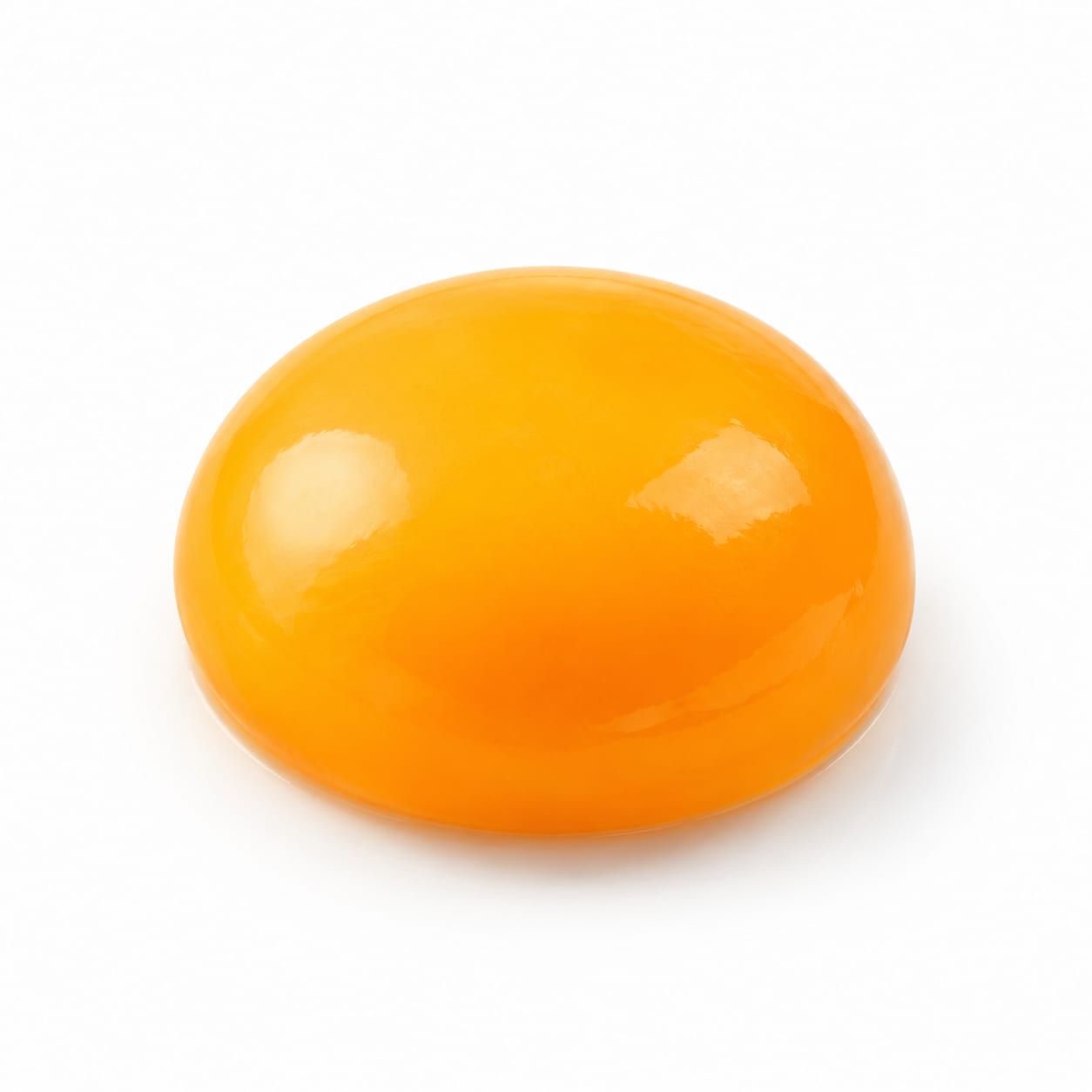
Egg Yolk
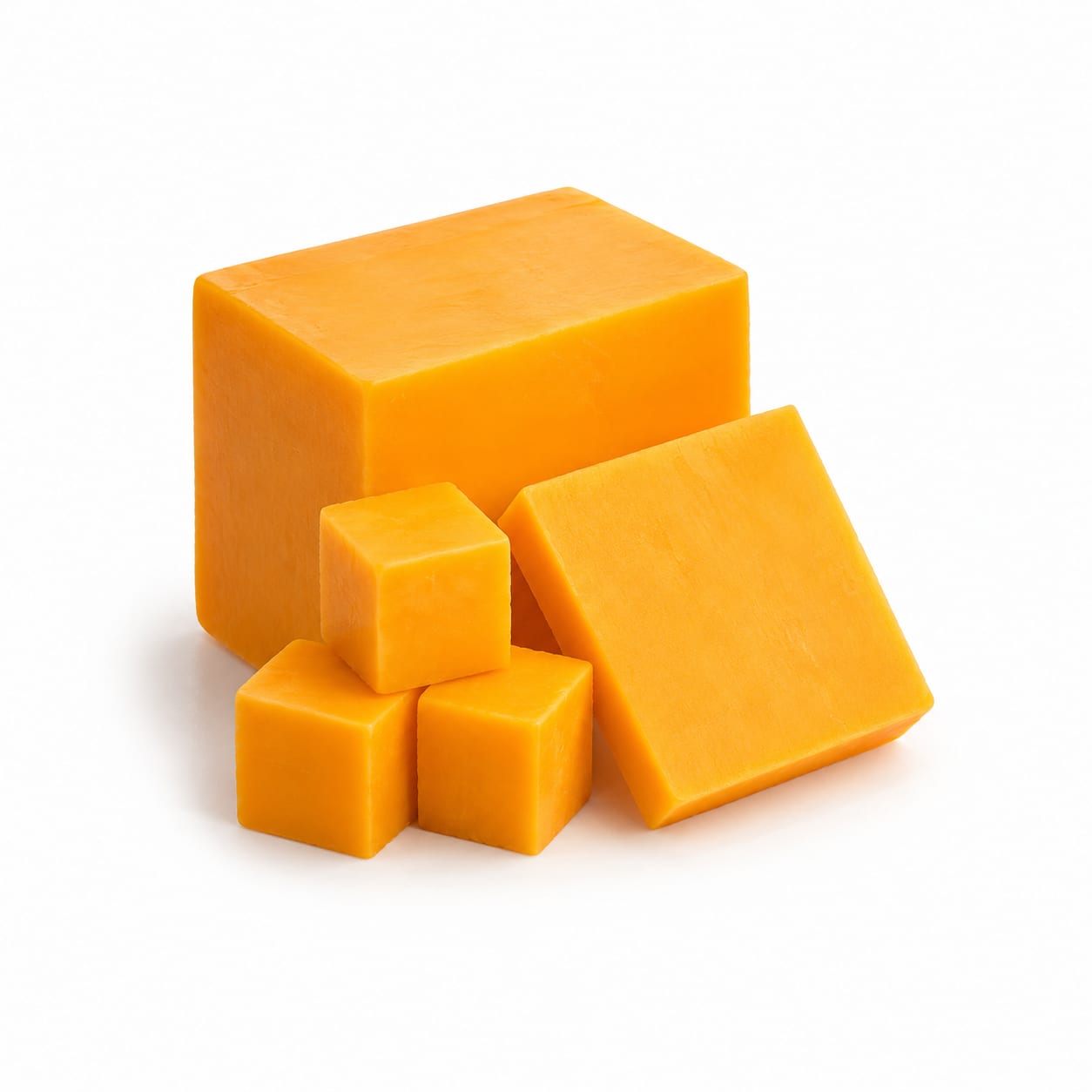
Cheddar Cheese
Egg yolk offers broader micronutrient diversity and unique brain-eye nutrients with zero sodium, while cheddar delivers more protein and calcium per serving but carries a significant sodium load.
Egg yolk scores slightly higher due to superior nutrient diversity, zero sodium, and unique choline and lutein content. Cheddar remains competitive with stronger protein and calcium but loses ground on sodium and processing level. The close scores reflect that both are legitimate foods with different strengths.
Egg yolk gives you more nutrient variety and choline for brain health; cheddar gives you more protein, calcium, and convenience but at the cost of much higher sodium.
At a glance
Executive summary
Overall
It depends
Healthier
It depends
More practical
Cheddar Cheese
Daily use
It depends
Key comparison lenses
saturated fat and cholesterol comparison
Both foods are major sources of saturated fat and dietary cholesterol, which are top concerns for most users comparing them
nutrient density per calorie
Egg yolk is famously nutrient-dense while cheddar offers different micronutrients, making this a key tradeoff
heart health impact
Cardiovascular risk is the primary health concern users have when choosing between these two high-fat animal foods
sodium and blood pressure
Cheddar is significantly higher in sodium, which matters for hypertension-prone individuals
bone health and calcium
Cheddar is a concentrated calcium source while egg yolk provides minimal calcium
brain and eye health nutrients
Egg yolk uniquely provides choline and lutein, nutrients absent in cheddar
Best choice for
Egg Yolk
- People prioritizing brain health and cognitive function
- Anyone watching sodium intake closely
- Those seeking fat-soluble vitamins A, D, and K2
- Eye health-conscious individuals wanting lutein
- People who cook meals at home regularly
Cheddar Cheese
- People needing concentrated calcium for bone density
- Anyone seeking a portable high-protein snack
- Those wanting longer shelf-stable nutrition
- Individuals who need quick satiating food on the go
- People following very low-carb diets needing fat calories
Least suitable for
Egg Yolk
- People strictly limiting dietary cholesterol
- Those who dislike cooking or preparation
- Anyone with egg allergies
- People wanting grab-and-go convenience
Cheddar Cheese
- People managing hypertension or sodium-restricted diets
- Those with dairy allergies or lactose sensitivity
- Anyone prone to migraine triggered by tyramine
- People concerned about overeating calorie-dense foods
Deep comparison
Dimension by dimension
Each lens scores both foods and breaks down who each option suits.
- Dimension 1 · Priority 95Egg Yolk
Nutrient Density and Diversity
Egg Yolk · 88Cheddar Cheese · 70Egg yolk packs a wider spectrum of micronutrients per calorie, including choline, lutein, zeaxanthin, vitamin D, biotin, and folate that cheddar simply lacks.
Tradeoff
Cheddar provides far more calcium and vitamin K2 per serving, but misses the brain and eye nutrients that make egg yolk unique.
Why it matters
Nutrient diversity matters more than total calorie count for long-term health, especially as you age and absorption declines.
Real-world impact
Eating egg yolk regularly supports memory and vision in ways cheddar cannot replicate, while cheddar better protects bone density.
Egg Yolk
- Brain health and cognitive longevity
- Eye health and macular protection
- B-vitamin intake especially biotin and folate
- Vitamin D acquisition from food sources
Better for
- Very low calcium content
- Less total protein per typical serving
Worse for
Cheddar Cheese
- Bone mineral density through concentrated calcium
- Vitamin K2 for arterial and bone health
- Higher total protein per serving
Better for
- Missing choline entirely
- No lutein or zeaxanthin for eye health
- Less vitamin D per calorie
Worse for
- Dimension 2 · Priority 90Egg Yolk
Heart Health Risk Profile
Egg Yolk · 62Cheddar Cheese · 48Both carry saturated fat, but egg yolk avoids the sodium burden that makes cheddar riskier for blood pressure and cardiovascular outcomes.
Tradeoff
Egg yolk has more cholesterol per gram, but dietary cholesterol impacts blood cholesterol less than the sodium-saturated fat combination in cheddar.
Why it matters
Sodium combined with saturated fat creates a worse cardiovascular profile than either alone, and cheddar delivers both in significant amounts.
Real-world impact
Regular cheddar consumption can nudge blood pressure upward over years, while moderate egg yolk intake shows neutral to slightly positive heart effects in most studies.
Egg Yolk
- Zero sodium reduces blood pressure risk
- Choline may help reduce homocysteine levels
- More favorable research on moderate consumption
Better for
- High dietary cholesterol still concerns some clinicians
- Saturated fat content remains significant
Worse for
Cheddar Cheese
- Some fermented cheese compounds may benefit gut-heart axis
Better for
- Sodium load directly raises blood pressure risk
- Saturated fat plus sodium is a worse combination for arteries
- Higher calorie density promotes overconsumption
Worse for
- Dimension 3 · Priority 85Egg Yolk
Sodium and Blood Pressure Impact
Egg Yolk · 95Cheddar Cheese · 30Egg yolk contains virtually zero sodium while cheddar delivers roughly 175mg per ounce, making this a dramatic difference for anyone monitoring blood pressure.
Tradeoff
If you need flavor without adding salt, cheddar provides it naturally but at a cardiovascular cost; egg yolk needs seasoning but keeps sodium minimal.
Why it matters
Most people already exceed daily sodium recommendations, and cheddar adds to that burden significantly while egg yolk does not.
Real-world impact
Three ounces of cheddar puts you at over 500mg sodium, roughly a third of the daily recommended limit, before any other food.
Egg Yolk
- Hypertension management
- Kidney health preservation
- Easier daily sodium budget management
Better for
- May taste bland without added salt
Worse for
Cheddar Cheese
- Situations where some sodium is actually needed like heavy sweating
Better for
- Directly contributes to elevated blood pressure over time
- Makes daily sodium budget very tight
- Compounds risk when paired with other salty foods
Worse for
- Dimension 4 · Priority 80Cheddar Cheese
Protein and Satiety
Egg Yolk · 52Cheddar Cheese · 78Cheddar delivers roughly 7g protein per ounce versus about 2.7g per egg yolk, making it substantially more filling per serving.
Tradeoff
Egg yolk protein is slightly higher quality with a perfect amino acid score, but cheddar simply provides more total protein in a typical portion.
Why it matters
Total protein per serving matters more for satiety and muscle maintenance than marginal differences in amino acid scoring.
Real-world impact
An ounce of cheddar as a snack staves off hunger noticeably longer than a single egg yolk, which most people consume as part of a whole egg anyway.
Egg Yolk
- Complete protein with excellent amino acid profile
- Leucine content supports muscle protein synthesis efficiently
Better for
- Low total protein per yolk makes it insufficient alone
- Rarely eaten as a standalone protein source
Worse for
Cheddar Cheese
- More total protein per realistic serving
- Better standalone snack for hunger control
- More satisfying mouthfeel contributes to perceived fullness
Better for
- Higher calorie cost per gram of protein
- Easy to overeat which negates satiety benefits
Worse for
- Dimension 5 · Priority 72Cheddar Cheese
Convenience and Practical Use
Egg Yolk · 40Cheddar Cheese · 82Cheddar is shelf-stable, portable, requires no cooking, and can be eaten instantly, while egg yolk requires refrigeration and cooking.
Tradeoff
Egg yolk demands preparation time and skill but integrates into more diverse recipes; cheddar is grab-and-go but limited in culinary flexibility.
Why it matters
The food you can actually eat consistently matters more than the food that is theoretically superior but impractical for your lifestyle.
Real-world impact
Keeping cheddar in the fridge means you always have a ready protein source; egg yolk requires planning and cooking every time.
Egg Yolk
- More versatile in cooking and baking
- Can enrich many different dishes nutritionally
- Works as an emulsifier in recipes like mayonnaise
Better for
- Requires cooking every time
- Fragile and messy to separate from whites
- Shorter window of freshness after cracking
Worse for
Cheddar Cheese
- Zero preparation required
- Long shelf life in the refrigerator
- Portable for work travel or hiking
- Easy portion control with pre-sliced options
Better for
- Limited culinary versatility compared to egg yolk
- Melting behavior changes texture unpredictably
Worse for
- Dimension 6 · Priority 75Cheddar Cheese
Calcium and Bone Health
Egg Yolk · 15Cheddar Cheese · 90Cheddar provides roughly 200mg calcium per ounce while egg yolk contains only about 22mg, making cheddar dramatically superior for bone support.
Tradeoff
Egg yolk offers vitamin D which helps absorb calcium, but you would need to get calcium from other sources since yolk provides almost none.
Why it matters
Most adults under-consume calcium, and cheddar is one of the most concentrated non-supplement sources available.
Real-world impact
Two ounces of cheddar covers about 30% of daily calcium needs; you would need over 50 egg yolks to match that, which is obviously unrealistic.
Egg Yolk
- Contains vitamin D which aids calcium absorption from other foods
Better for
- Negligible calcium content
- Cannot serve as a primary bone-support food
Worse for
Cheddar Cheese
- Extremely concentrated calcium source
- Contains vitamin K2 which directs calcium to bones not arteries
- Practical way to meet daily calcium targets
Better for
- High sodium may slightly increase urinary calcium loss
Worse for
Timeline
Health impact over time
Short-term
Hours to days
Egg Yolk
- Provides steady energy without sodium-driven thirst
- Choline supports alertness and focus within hours of eating
- Can feel heavy if consumed in large quantities due to fat density
- May cause mild digestive discomfort if not accustomed to high fat intake
Cheddar Cheese
- Quick satiation from protein and fat combination
- Sodium may cause noticeable thirst and mild bloating
- Tyramine can trigger headaches in sensitive individuals within hours
- Provides immediate satisfaction that may reduce snacking urge
Long-term
Months to years
Egg Yolk
- Consistent choline intake supports memory and cognitive preservation with aging
- Lutein and zeaxanthin accumulation protects macular density over decades
- Moderate consumption shows neutral effect on heart disease risk for most people
- Daily intake may improve nutrient status for hard-to-get vitamins like D and biotin
Cheddar Cheese
- Regular calcium intake maintains bone mineral density and reduces fracture risk
- Sodium accumulation contributes to gradual blood pressure elevation over years
- Consistent saturated fat intake may raise LDL cholesterol in susceptible individuals
- Protein contribution supports muscle preservation especially in older adults
Risk profile
Safety & processing
Egg yolk is essentially an unprocessed whole food as it exists in nature, while cheddar requires culturing, aging, and often includes additives like annatto coloring and preservatives. Cheddar production also introduces more contamination vectors through handling and aging time.
Egg Yolk
Salmonella contamination
mediumRaw or undercooked egg yolk carries salmonella risk, though modern farming practices have reduced this significantly. Cooking eliminates the danger.
Allergenicity
mediumEgg allergy is one of the most common food allergies, especially in children, though many outgrow it.
Cheddar Cheese
Listeria contamination
mediumAged cheeses can harbor listeria, particularly concerning for pregnant women and immunocompromised individuals.
Tyramine content
lowAged cheddar contains tyramine which can trigger migraines in sensitive people and interacts with certain antidepressant medications.
Histamine intolerance
lowFermented and aged foods like cheddar accumulate histamine, which can cause reactions in people with histamine intolerance.
Who wins for whom
Audience fit
Same foods, different winners depending on your goal.
children
Egg YolkCholine and lutein support brain and eye development, and the lower sodium content is better for children who are more sensitive to excessive salt intake.
daily consumption
Egg YolkLower sodium, broader micronutrient profile, and less processing make egg yolk slightly more sustainable as a daily staple, though portion control matters for both.
diabetes
Egg YolkBoth have minimal carbohydrate impact, but egg yolk has zero sodium and a cleaner metabolic profile, reducing cardiovascular risk that diabetics already face.
elderly
It dependsEgg yolk better supports cognitive preservation and eye health, while cheddar better addresses bone density and sarcopenia through calcium and protein. Both serve different priorities.
muscle gain
Cheddar CheeseCheddar provides more total protein per serving and is easier to consume in larger quantities, supporting higher protein targets for muscle building.
weight loss
Egg YolkEgg yolk has fewer calories per serving and zero sodium, making it easier to fit into a calorie-controlled plan without water retention concerns.
Your move
Decision guide
Choose Egg Yolk
- You want brain and eye health support from choline and lutein
- You are watching your sodium intake or blood pressure
- You cook at home and want a versatile nutrient booster
- You prefer less processed foods closer to their natural state
- You need fat-soluble vitamins without the sodium baggage
Choose Cheddar Cheese
- You need concentrated calcium for bone health
- You want a convenient grab-and-go protein source
- You struggle to get enough protein throughout the day
- You prefer shelf-stable foods that require no cooking
- You are on a very low-carb diet and need satisfying fat calories
Either works if
- You simply need more high-quality fat in your diet
- You are looking for B-vitamin supplementation through food
- You want to add richness and flavor to meals
- You tolerate both dairy and eggs without allergy concerns
Avoid both if
- You have severe hypercholesterolemia requiring strict saturated fat restriction
- You are following a plant-based or vegan diet
- You have both egg and dairy allergies
- Your doctor has advised minimizing all high-fat animal foods
Final recommendation
For most people, egg yolk is the slightly better choice for regular inclusion due to its broader nutrient profile, zero sodium, and brain-eye benefits. However, cheddar earns a clear place for calcium and convenience. The ideal approach is moderate amounts of both: egg yolk most days for nutrient density, cheddar a few times weekly for calcium and practical protein. Keep portions reasonable since both are calorie-dense, and prioritize whichever fills your current nutritional gaps.
Practical
Consumer tips
- 1
Pair egg yolk with leafy greens to absorb fat-soluble vitamins more effectively
- 2
Choose aged cheddar over mild for more flavor per gram, which naturally limits overeating
- 3
If sodium is a concern, look for reduced-sodium cheddar varieties that cut salt by 25-50%
- 4
Buy pastured eggs when possible for higher omega-3 and vitamin D content in the yolk
- 5
Combine both foods in a single meal like an omelet with cheddar for complementary nutrition
- 6
Measure cheddar portions with a food scale since calorie density makes eyeballing unreliable
- 7
Avoid cooking egg yolk at very high heat to preserve choline and vitamin content
- 8
If you have migraine triggers, test aged cheddar separately to identify tyramine sensitivity