
Nutrition comparison
Egg Yolk vs Chia Seeds: Which Is Healthier for Your Goals?
Compare egg yolk and chia seeds on heart health, brain nutrition, fiber, and daily usability. Learn which superfood fits your diet and when to use both.
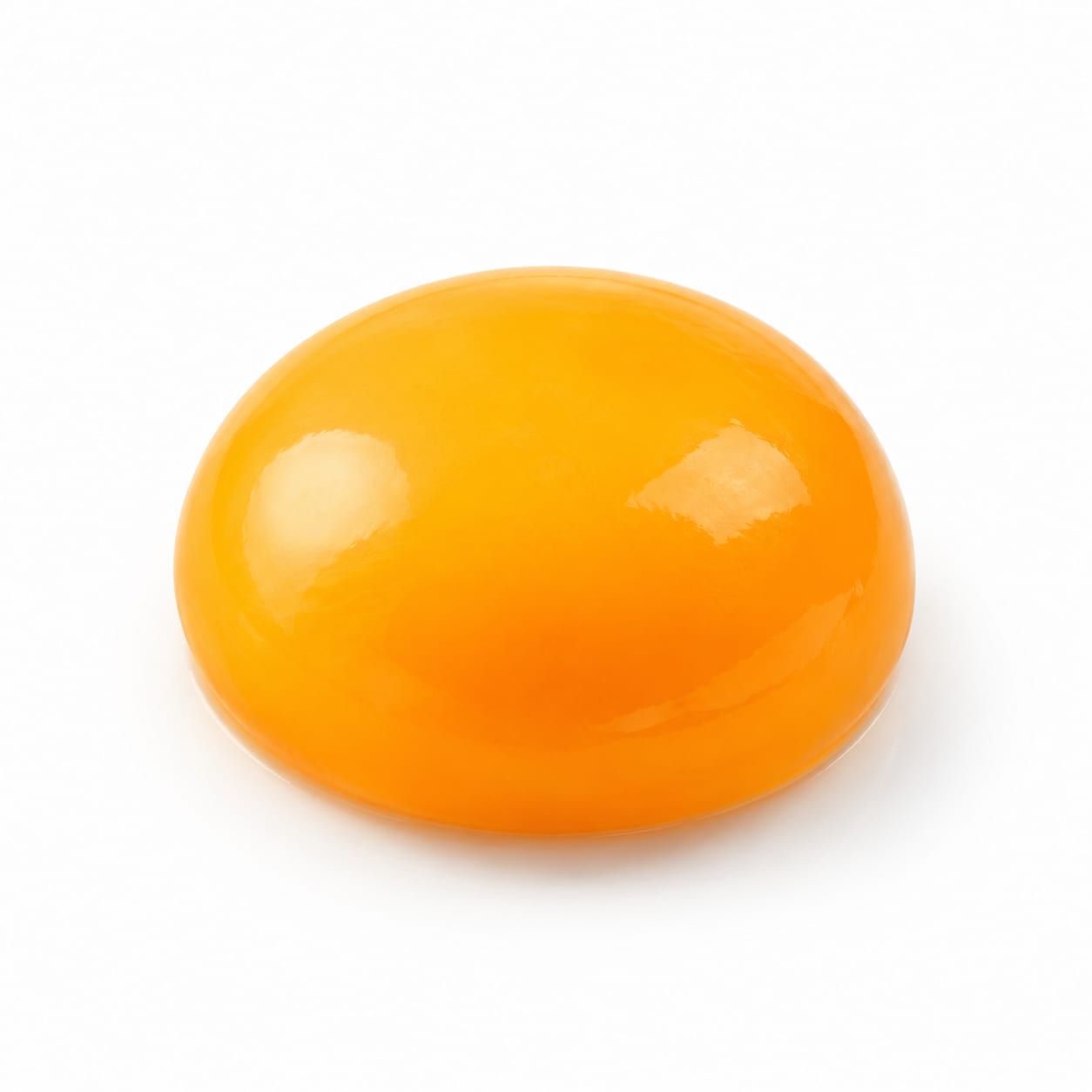
Egg Yolk
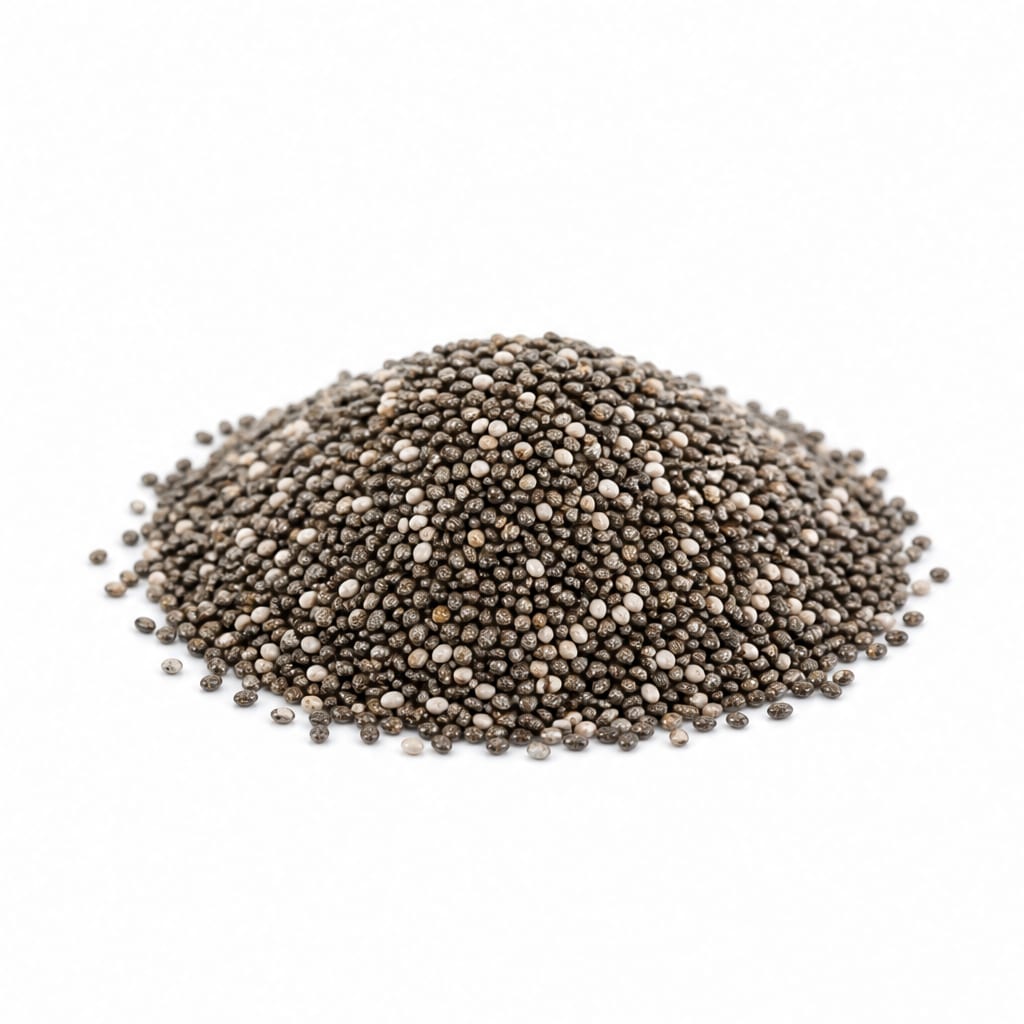
Chia Seeds
Egg yolk delivers brain-boosting choline and highly bioavailable nutrients, while chia seeds provide exceptional fiber and plant omega-3s. Your health goals determine the winner.
Chia seeds score higher overall due to broader daily usability, fiber content, and heart-health alignment. Egg yolk scores well for specific nutritional niches but carries cholesterol concerns that limit universal recommendation.
Brain and cellular nutrition from egg yolk versus heart and gut benefits from chia seeds — they solve completely different problems.
At a glance
Executive summary
Overall
It depends
Healthier
It depends
More practical
Chia Seeds
Daily use
Chia Seeds
Key comparison lenses
heart health cholesterol tradeoff
Egg yolk's cholesterol content versus chia seeds' fiber and omega-3 profile is the central tension most users care about
brain nutrition vs gut health
Egg yolk excels at choline for brain health while chia seeds dominate fiber for digestive health
animal vs plant nutrient sources
Users often weigh bioavailable animal nutrients against plant-based alternatives with different absorption profiles
satiety and weight management
Both foods fill you up differently — egg yolk through fat and protein, chia seeds through fiber and gel formation
daily consumption safety
Concerns about how many egg yolks are safe daily versus how much chia is tolerable digestively
Best choice for
Egg Yolk
- Pregnant women needing choline for fetal brain development
- Older adults at risk of B12 deficiency
- People seeking highly bioavailable fat-soluble vitamins
- Those needing calorie-dense nutrition in small portions
- Anyone avoiding fiber for digestive rest periods
Chia Seeds
- People managing high cholesterol or heart disease risk
- Anyone needing more daily fiber intake
- Vegans and vegetarians seeking plant-based omega-3
- Those wanting steady blood sugar throughout the day
- People looking for shelf-stable, no-cook nutrition
Least suitable for
Egg Yolk
- People with familial hypercholesterolemia
- Those strictly limiting dietary cholesterol
- Vegans and vegetarians
- Anyone with egg allergies
Chia Seeds
- People with difficulty swallowing or esophageal strictures
- Those on low-fiber diets for digestive conditions
- Anyone allergic to sesame or mustard seeds (cross-reactivity risk)
- People who struggle with the gel-like texture
Deep comparison
Dimension by dimension
Each lens scores both foods and breaks down who each option suits.
- Dimension 1 · Priority 95Chia Seeds
Heart Health Impact
Egg Yolk · 45Chia Seeds · 88Chia seeds actively support heart health through fiber and omega-3s, while egg yolk's cholesterol and saturated fat remain controversial for cardiovascular risk.
Tradeoff
Egg yolk provides nutrients that support cellular health but comes with LDL-cholesterol-raising effects that may not suit everyone's cardiovascular profile.
Why it matters
Heart disease remains the leading cause of death globally, making this the highest-stakes comparison dimension for most adults.
Real-world impact
Regular chia consumption correlates with improved cholesterol panels, while daily egg yolk intake may raise LDL cholesterol 5-10% in sensitive individuals.
Egg Yolk
- People with normal cholesterol who metabolize dietary cholesterol efficiently
- Those needing nutrient density over heart-specific optimization
Better for
- Hyper-responders to dietary cholesterol
- People already managing cardiovascular conditions
Worse for
Chia Seeds
- Anyone with elevated LDL cholesterol
- People with family history of heart disease
- Those following heart-healthy dietary patterns
Better for
- Those on blood-thinning medications who must limit omega-3 intake
Worse for
- Dimension 2 · Priority 90Egg Yolk
Brain and Cognitive Nutrition
Egg Yolk · 92Chia Seeds · 55Egg yolk is one of the richest dietary sources of choline, critical for memory and brain function, while chia seeds offer only modest cognitive support through omega-3s.
Tradeoff
You get far more brain-relevant nutrition from egg yolk, but the ALA omega-3 in chia seeds converts poorly to the DHA your brain actually uses.
Why it matters
Choline deficiency is surprisingly common and affects memory, mood, and fetal brain development during pregnancy.
Real-world impact
Two egg yolks daily provide most of your choline needs — you would need enormous quantities of chia seeds to approach equivalent brain nutrition.
Egg Yolk
- Pregnant and breastfeeding women
- Older adults concerned about cognitive decline
- Students and professionals needing mental sharpness
Better for
- Those avoiding all animal products
Worse for
Chia Seeds
- Vegans who supplement with DHA and use chia as a complementary source
Better for
- Anyone relying solely on plant sources for brain nutrition without DHA supplementation
Worse for
- Dimension 3 · Priority 85Chia Seeds
Digestive Health and Satiety
Egg Yolk · 35Chia Seeds · 94Chia seeds are a fiber powerhouse that expands in your stomach, creating lasting fullness. Egg yolk contains zero fiber and relies solely on fat for satiety.
Tradeoff
Chia seeds keep you fuller longer through mechanical and fiber-driven satiety, while egg yolk satisfies through rich flavor and fat content but leaves you hungry sooner.
Why it matters
Fiber intake is chronically low in most diets, and chia seeds deliver nearly 10g per ounce — a third of daily needs in one serving.
Real-world impact
A chia pudding breakfast can keep you full until lunch. An egg yolk alone would leave most people reaching for a snack within two hours.
Egg Yolk
- Those needing calorie density in small volumes
- People temporarily on low-fiber diets after surgery
Better for
- Anyone needing digestive regularity support
Worse for
Chia Seeds
- Anyone struggling with constipation or irregularity
- People trying to reduce overall calorie intake through better satiety
- Those who snack too frequently between meals
Better for
- People with IBS who are fiber-sensitive
- Those prone to bloating from fermentable fibers
Worse for
- Dimension 4 · Priority 82Egg Yolk
Nutrient Bioavailability
Egg Yolk · 90Chia Seeds · 58Egg yolk nutrients come pre-packaged with the fats needed for absorption and in forms your body uses immediately. Chia seed nutrients face absorption barriers from phytic acid and plant-based forms.
Tradeoff
You absorb more of what egg yolk offers, but chia seeds provide some nutrients that egg yolk lacks entirely, like fiber and manganese.
Why it matters
A nutrient only matters if your body can actually use it — plant sources often require conversion steps that lose efficiency.
Real-world impact
The iron in egg yolk is heme iron with ~25% absorption versus the non-heme iron in chia at ~5% absorption. Similar gaps exist for omega-3 conversion.
Egg Yolk
- Anyone with nutrient absorption issues
- Older adults with reduced digestive efficiency
- People who need maximum nutrition per calorie consumed
Better for
- People avoiding animal products entirely
Worse for
Chia Seeds
- Those whose primary need is fiber rather than micronutrient absorption
Better for
- Anyone relying on chia as a primary iron or omega-3 source without considering conversion losses
Worse for
- Dimension 5 · Priority 80Chia Seeds
Blood Sugar Stability
Egg Yolk · 55Chia Seeds · 90Chia seeds form a gel that slows digestion and creates remarkably steady blood sugar. Egg yolk has minimal direct impact but lacks fiber to buffer other foods eaten with it.
Tradeoff
Chia seeds actively smooth out blood sugar spikes from other foods, while egg yolk is merely neutral — it neither helps nor harms glycemic response significantly.
Why it matters
Blood sugar crashes drive cravings, fatigue, and overeating — foods that stabilize glucose make every meal work better.
Real-world impact
Adding chia seeds to a smoothie or oatmeal flattens the blood sugar curve noticeably. Egg yolk adds richness but no glycemic benefit to a meal.
Egg Yolk
- Those eating very low-carb meals where glycemic impact is already minimal
Better for
- People relying on egg yolk alone to manage glycemic response to carb-heavy meals
Worse for
Chia Seeds
- People with prediabetes or diabetes
- Anyone experiencing afternoon energy crashes
- Those pairing carbs with a blood-sugar-stabilizing food
Better for
- Those on very low-fiber protocols for medical reasons
Worse for
- Dimension 6 · Priority 72Chia Seeds
Convenience and Versatility
Egg Yolk · 50Chia Seeds · 82Chia seeds require no cooking, last months in the pantry, and can be added to almost anything. Egg yolk needs refrigeration, careful cooking, and separates easily from whites.
Tradeoff
Chia seeds win on convenience and shelf stability, but egg yolk offers culinary richness and emulsifying properties that chia cannot replicate in cooking.
Why it matters
The food that's easier to use consistently is the food you'll actually eat — convenience drives long-term dietary habits.
Real-world impact
Sprinkling chia seeds into yogurt takes five seconds. Extracting and cooking egg yolks requires planning, tools, and cleanup.
Egg Yolk
- Home cooks making sauces, custards, or baked goods needing emulsification
- Those who already cook eggs daily and find yolks effortless
Better for
- People without reliable refrigeration
- Those who find cooking eggs inconvenient
Worse for
Chia Seeds
- Busy people who need grab-and-go nutrition
- Travelers and campers needing shelf-stable options
- Anyone who wants to add nutrition without cooking
Better for
- Culinary applications requiring emulsification or richness
Worse for
Timeline
Health impact over time
Short-term
Hours to days
Egg Yolk
- Quick energy from easily digested fats and protein
- Immediate choline availability for mental focus
- Potential for feeling heavy if consumed in large quantities
- Risk of stomach upset if undercooked or contaminated
Chia Seeds
- Rapid feeling of fullness due to fiber expansion in the stomach
- Slower digestion creating sustained energy release
- Possible bloating or gas if consumed in large amounts without adequate water
- Thirst increase as chia absorbs significant fluid
Long-term
Months to years
Egg Yolk
- Sustained choline intake supports memory and cognitive preservation with aging
- Regular consumption may raise LDL cholesterol in sensitive individuals
- Consistent intake supports fat-soluble vitamin status (A, D, E, K)
- Lutein and zeaxanthin accumulation protects eye health over decades
Chia Seeds
- High daily fiber intake dramatically improves digestive regularity and gut microbiome diversity
- Plant omega-3 intake contributes to anti-inflammatory dietary patterns
- Mineral density supports bone health, especially in dairy-free diets
- Consistent use may help maintain healthy blood pressure through magnesium and fiber
Risk profile
Safety & processing
Both foods are about as natural as nutrition gets — egg yolk is a whole food separated from the white, and chia seeds are harvested and cleaned with minimal intervention. Neither raises ultra-processing concerns.
Egg Yolk
Salmonella contamination
mediumRaw or undercooked egg yolks carry salmonella risk. Proper cooking eliminates this, but dishes like hollandaise or homemade mayo require caution.
Allergic reactions
mediumEgg allergy is one of the most common food allergies, especially in children, though many outgrow it by adolescence.
Antibiotic and hormone exposure
lowConventionally raised eggs may carry trace antibiotic residues. Choosing organic or pasture-raised eggs significantly reduces this concern.
Chia Seeds
Choking hazard when dry
highDry chia seeds can swell and obstruct the esophagus if swallowed without adequate liquid. Always consume with water or soaked into food.
Digestive blockage in vulnerable individuals
mediumPeople with esophageal strictures, difficulty swallowing, or severe IBS should approach chia with caution due to its expanding nature.
Pesticide residue
lowConventional chia seeds may carry pesticide residues. Organic certification reduces this risk, though chia is generally lower on contamination watchlists.
Who wins for whom
Audience fit
Same foods, different winners depending on your goal.
children
Egg YolkEgg yolk's choline and bioavailable nutrients support developing brains and growing bodies, while chia's choking hazard and digestive demands make it less suitable for young children.
daily consumption
Chia SeedsChia seeds can be consumed daily without cholesterol concerns and actually improve with consistency, while egg yolk daily requires monitoring of blood lipid response in many individuals.
diabetes
Chia SeedsChia seeds' soluble fiber creates a gel that slows glucose absorption and flattens blood sugar spikes, making it one of the best functional foods for glycemic management.
elderly
It dependsEgg yolk helps prevent B12 deficiency and cognitive decline, but chia seeds address constipation and heart health — both common elderly concerns. The winner depends on which risk profile matters more.
muscle gain
Egg YolkEgg yolk provides highly bioavailable protein alongside cholesterol that supports hormone production, both relevant for muscle building, though neither is a primary protein source.
weight loss
Chia SeedsChia seeds create stronger and longer-lasting satiety through fiber expansion, helping reduce overall calorie intake more effectively than egg yolk's fat-driven fullness.
Your move
Decision guide
Choose Egg Yolk
- Your doctor has confirmed your cholesterol levels are healthy and you metabolize dietary cholesterol well
- You are pregnant or breastfeeding and need choline for fetal brain development
- You have low B12 or vitamin D levels and need highly absorbable sources
- You want rich, satisfying flavor in cooking that plant seeds cannot replicate
- You are underweight or need calorie-dense nutrition in small portions
Choose Chia Seeds
- You want to improve heart health markers like LDL cholesterol and triglycerides
- You struggle with constipation, irregular digestion, or low fiber intake
- You follow a plant-based diet and need omega-3 and mineral sources
- You experience blood sugar spikes and crashes throughout the day
- You want a no-cook, shelf-stable nutrition booster for busy mornings
Either works if
- You are generally healthy and want to rotate both for nutritional diversity
- You are building meals that benefit from both — chia in overnight oats, egg yolk at lunch
- Your budget allows for both as complementary staples rather than competitors
Avoid both if
- You have egg allergies and esophageal swallowing difficulties simultaneously
- You are on a strict low-fat medical diet that prohibits both high-fat foods
Final recommendation
Think of egg yolk and chia seeds as solving different problems rather than competing for the same plate. Egg yolk is your brain and cellular nutrition ally — unmatched for choline, B12, and bioavailable vitamins. Chia seeds are your heart, gut, and blood sugar champion — delivering fiber and plant omega-3s that egg yolk simply cannot offer. For most people, the smartest move is using both strategically: chia seeds daily for baseline fiber and heart health, egg yolks a few times per week for brain nutrition and culinary richness. If you must choose only one, chia seeds offer broader daily benefits with fewer caveats for the average person.
Practical
Consumer tips
- 1
Always soak chia seeds for at least 10-15 minutes before eating to prevent choking and improve digestibility
- 2
Choose pasture-raised eggs when possible — they contain significantly more omega-3s and vitamin D than conventional eggs
- 3
If worried about cholesterol from egg yolk, get your bloodwork checked after 4-6 weeks of regular consumption to see how your body actually responds
- 4
Add chia seeds to smoothies, oatmeal, or yogurt rather than eating them dry — the gel texture is a feature, not a bug
- 5
Combine both in a single meal: a chia seed pudding topped with a soft-boiled egg gives you brain nutrition, heart benefits, and lasting fullness
- 6
Start with one tablespoon of chia seeds daily and increase gradually to avoid sudden fiber overload and bloating
- 7
If you have diabetes, chia seeds before or during carb-containing meals can meaningfully reduce your post-meal blood sugar spike