
Nutrition comparison
Egg Yolk vs Avocado: Which Healthy Fat Is Better?
Compare Egg Yolk and Avocado for health, weight loss, and daily use. Discover the nutritional tradeoffs between these two popular fat sources.
Overall winner · Avocado
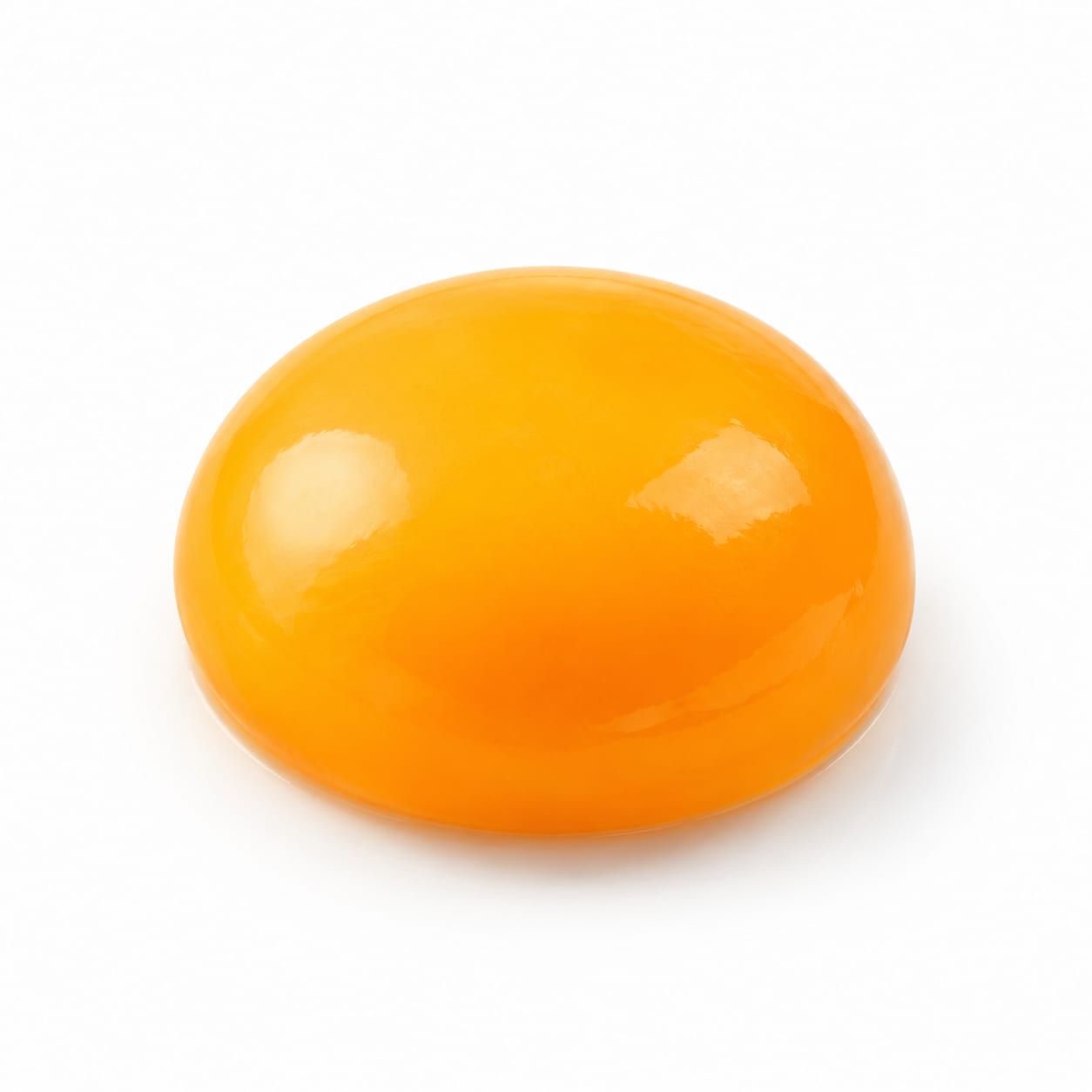
Egg Yolk
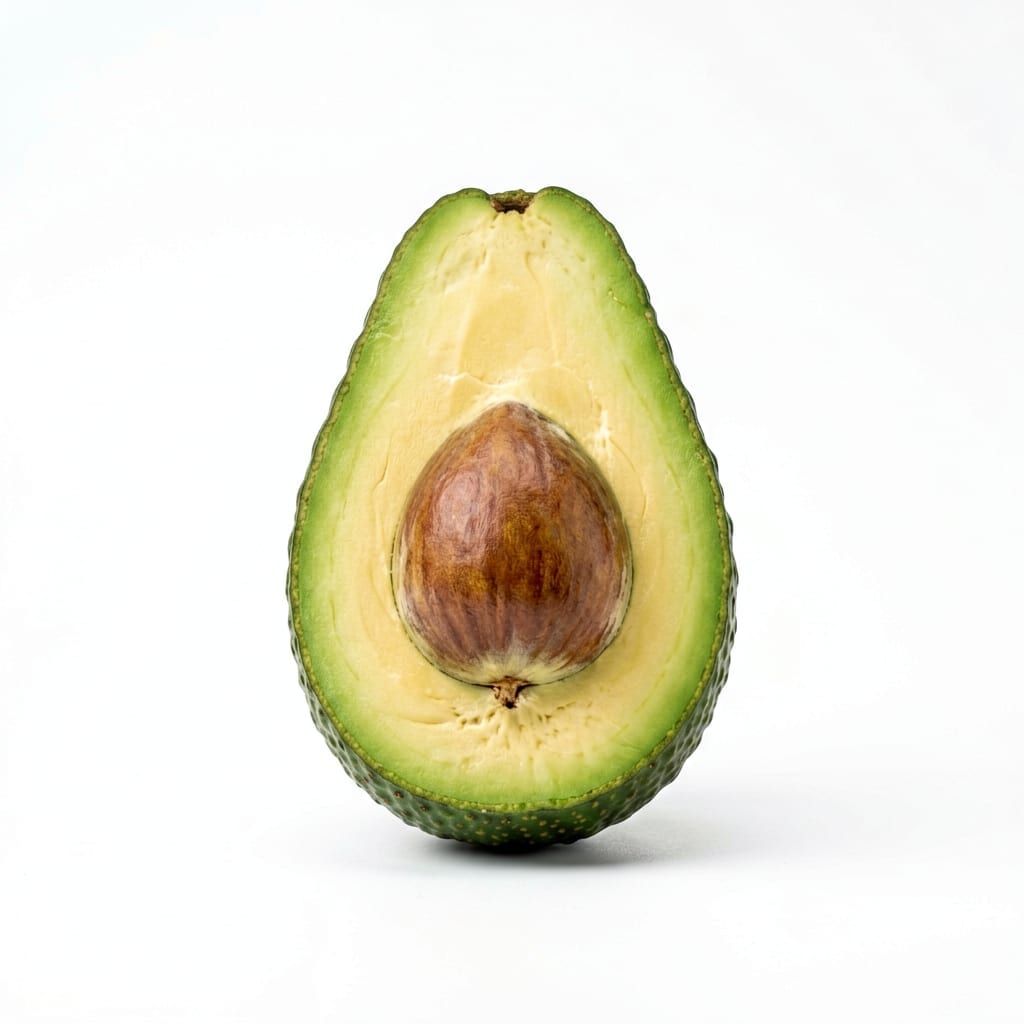
Avocado
Avocado wins for everyday heart-healthy eating and digestion, while Egg Yolk is a micronutrient powerhouse best enjoyed in moderation.
Avocado scores higher due to its fiber content, heart-healthy fat profile, and broader safety for daily consumption. Egg Yolk remains highly valuable but is penalized slightly for cholesterol concerns and lack of fiber.
Egg Yolk delivers unmatched choline and fat-soluble vitamins but brings dietary cholesterol, whereas Avocado provides gut-friendly fiber and clean fats with fewer micronutrient peaks.
At a glance
Executive summary
Overall
Avocado
Healthier
Avocado
More practical
Avocado
Daily use
Avocado
Key comparison lenses
Fat quality and heart health impact
Both foods are high-fat, but one carries dietary cholesterol while the other provides plant-based monounsaturated fats.
Nutrient density and brain health
Egg Yolk is a top source of choline, while Avocado offers distinct phytonutrients and fiber.
Satiety and digestive regularity
Avocado's fiber content contrasts sharply with Egg Yolk's zero fiber, affecting fullness and gut health.
Daily consumption safety
Users often wonder if eating Egg Yolk daily is safe compared to the universally praised daily Avocado.
Best choice for
Egg Yolk
- Pregnant women seeking choline for fetal brain development
- Older adults needing bioavailable B12 and vitamin D
- Budget-conscious eaters looking for maximum nutrient density per dollar
Avocado
- People managing cholesterol or blood pressure
- Those needing digestive regularity and fiber
- Anyone seeking steady, crash-free energy throughout the day
Least suitable for
Egg Yolk
- People with severe hypercholesterolemia
- Those on strict low-fat diets for medical reasons
- Vegans and strict vegetarians
Avocado
- Individuals on strict calorie-restricted diets
- People with severe FODMAP sensitivities in large portions
- Those allergic to latex (cross-reactivity risk)
Deep comparison
Dimension by dimension
Each lens scores both foods and breaks down who each option suits.
- Dimension 1 · Priority 95Avocado
Heart Health & Lipid Profile
Egg Yolk · 60Avocado · 90Avocado actively supports heart health by lowering LDL cholesterol, while Egg Yolk's dietary cholesterol can raise concerns for sensitive individuals.
Tradeoff
You trade Egg Yolk's cholesterol for Avocado's blood-pressure-lowering potassium and plant sterols.
Why it matters
Heart disease is a leading risk, and the quality of fat you eat daily matters more than total fat.
Real-world impact
Swapping Egg Yolk for Avocado at breakfast can lead to better cholesterol checkups over time.
Egg Yolk
- People with normal cholesterol who need fat-soluble vitamins absorbed efficiently
Better for
- Those with familial hypercholesterolemia
Worse for
Avocado
- People managing hypertension or high cholesterol
Better for
- Those on strict low-fat cardiac diets requiring minimal plant fats
Worse for
- Dimension 2 · Priority 90Egg Yolk
Nutrient Density & Micronutrients
Egg Yolk · 95Avocado · 75Egg Yolk is a micronutrient bomb packed with choline, B12, and vitamin D, while Avocado offers solid but less concentrated vitamins.
Tradeoff
Egg Yolk gives you brain-boosting choline you cannot easily get elsewhere, but lacks the fiber Avocado provides.
Why it matters
Choline is critical for brain health, memory, and cell membrane structure.
Real-world impact
Eating Egg Yolk helps hit hard-to-reach nutrient targets, especially for brain and nervous system support.
Egg Yolk
- Pregnant women needing choline
- Older adults requiring B12 for nerve function
Better for
- Strict vegans who cannot consume animal products
Worse for
Avocado
- Those needing potassium to balance out high-sodium meals
Better for
- Those with severe B12 or vitamin D deficiencies
Worse for
- Dimension 3 · Priority 85Avocado
Satiety & Digestive Health
Egg Yolk · 65Avocado · 88Avocado keeps you fuller longer and supports digestion thanks to its fiber, while Egg Yolk digests quickly without aiding gut motility.
Tradeoff
Avocado's fiber slows digestion for steady energy, whereas Egg Yolk provides quick nutrient absorption but no roughage.
Why it matters
Fiber is essential for gut health, preventing constipation, and maintaining a healthy microbiome.
Real-world impact
Avocado on toast keeps you full until lunch; Egg Yolk alone might leave you hungry an hour later.
Egg Yolk
- Post-workout recovery needing fast nutrient uptake
Better for
- Constipation-prone individuals lacking fiber elsewhere
Worse for
Avocado
- Gut health maintenance and staying full between meals
Better for
- Those with IBS sensitive to large amounts of fat or fiber
Worse for
- Dimension 4 · Priority 75Avocado
Versatility & Practicality
Egg Yolk · 70Avocado · 85Avocado is ready to eat raw as a spread or topping, while Egg Yolk usually requires cooking and careful handling.
Tradeoff
Egg Yolk requires heat and carries food safety risks, while Avocado is grab-and-go but spoils quickly once cut.
Why it matters
Convenience determines what you actually eat on busy days.
Real-world impact
Smashing Avocado on bread takes seconds; cooking Egg Yolk takes time and cleanup.
Egg Yolk
- Baking and enriching sauces or custards
Better for
- No-cook situations like camping or office snacking
Worse for
Avocado
- Quick cold meals, snacks, and fast meal prep
Better for
- Hot cooking applications like making emulsified warm sauces
Worse for
- Dimension 5 · Priority 80Avocado
Sustained Energy & Blood Sugar
Egg Yolk · 68Avocado · 82Avocado's fiber and fat combo stabilizes blood sugar beautifully, while Egg Yolk lacks fiber to slow down absorption of accompanying carbs.
Tradeoff
Avocado actively prevents blood sugar spikes when eaten with carbs; Egg Yolk adds fat without the fibrous buffer.
Why it matters
Preventing energy crashes makes a huge difference in afternoon focus and mood.
Real-world impact
Pairing carbs with Avocado gives steadier energy than pairing them with Egg Yolk alone.
Egg Yolk
- Pre-workout energy if eaten with a light carb source
Better for
- Those trying to smooth out erratic blood sugar responses
Worse for
Avocado
- Diabetics and anyone prone to afternoon energy dips
Better for
- Pre-workout if too much fiber causes bloating
Worse for
Timeline
Health impact over time
Short-term
Hours to days
Egg Yolk
- Provides quick, dense satiety from fat
- Boosts absorption of fat-soluble vitamins from other foods
- Can feel heavy in the stomach if consumed in large quantities
Avocado
- Delivers smooth, sustained fullness without heaviness
- Easy on the digestive tract due to soluble fiber
- Can cause bloating if eaten in excessive amounts
Long-term
Months to years
Egg Yolk
- Supports brain health and memory via choline
- May increase LDL cholesterol in hyper-responders
- Promotes healthy hormone production
Avocado
- Improves lipid profile by lowering LDL and raising HDL
- Supports a healthy gut microbiome through prebiotic fiber
- Aids in long-term weight maintenance due to high satiety
Risk profile
Safety & processing
Both Egg Yolk and Avocado are whole, natural foods with virtually no additives when bought in their basic forms.
Egg Yolk
Salmonella contamination
mediumRaw or undercooked Egg Yolk carries a risk of Salmonella, requiring careful handling and cooking.
Antibiotic and hormone exposure
lowConventionally raised eggs may carry trace antibiotics or hormones, which can be avoided by choosing organic or pastured eggs.
Avocado
Pesticide residue on skin
mediumConventional Avocado skins can hold pesticide residues, though the thick skin protects the flesh. Washing before cutting is essential.
Bacterial contamination from skin
lowKnife blades can drag bacteria from the skin into the flesh if not washed properly before slicing.
Who wins for whom
Audience fit
Same foods, different winners depending on your goal.
children
Egg YolkEgg Yolk's choline and bioavailable B12 are crucial for early brain development, though Avocado is also an excellent soft food for infants.
daily consumption
AvocadoAvocado can be eaten daily without lipid concerns for most people, while daily Egg Yolk consumption requires monitoring cholesterol for sensitive individuals.
diabetes
AvocadoAvocado's soluble fiber actively blunts blood sugar spikes, whereas Egg Yolk lacks fiber to buffer glucose absorption from carbs.
elderly
Egg YolkEgg Yolk's concentrated B12 and vitamin D are vital for older adults who often struggle to absorb these nutrients from plant sources.
muscle gain
Egg YolkEgg Yolk provides cholesterol for natural hormone synthesis and highly bioavailable vitamins that support muscle recovery and growth.
weight loss
AvocadoAvocado's high fiber content creates longer-lasting fullness, making it easier to control overall calorie intake compared to Egg Yolk.
Your move
Decision guide
Choose Egg Yolk
- You need a brain-health boost and are focused on choline intake
- You are pregnant or nursing and need bioavailable B12 and folate
- You want to maximize nutrient density on a tight budget
- You are doing heavy weight training and want natural hormone support
Choose Avocado
- You want heart-healthy fats that actively improve your lipid profile
- You need more fiber to stay regular and feel full
- You want steady energy without afternoon crashes
- You prefer quick, no-cook meal additions
Either works if
- You just need high-quality fats to round out a low-carb meal
- You are doing keto and need diverse fat sources
- You want to absorb fat-soluble vitamins from a salad
Avoid both if
- You are on a strict very-low-fat diet for medical reasons, such as gallbladder recovery
Final recommendation
Make Avocado your daily fat source for heart and gut health, and enjoy Egg Yolk a few times a week for its unmatched micronutrient boost. Mixing both into your week gives you the best of both worlds.
Practical
Consumer tips
- 1
Buy pastured eggs to get a better omega-3 profile in Egg Yolk without the antibiotic concerns.
- 2
Store uncut Avocados at room temperature; refrigerate them once they yield to gentle pressure to extend shelf life.
- 3
Always wash Avocado skins before cutting to prevent dragging surface bacteria into the flesh.
- 4
Combine a whole egg with mashed Avocado on sprouted toast for a meal that balances choline, fiber, and sustained energy.