
Nutrition comparison
Egg Yolk vs Salmon: Nutrition, Omega-3, and Health Comparison
Compare egg yolk vs salmon for omega-3, protein, cholesterol, and brain health. Find out which is better for heart health, muscle gain, and daily nutrition.
Overall winner · Salmon

Egg Yolk
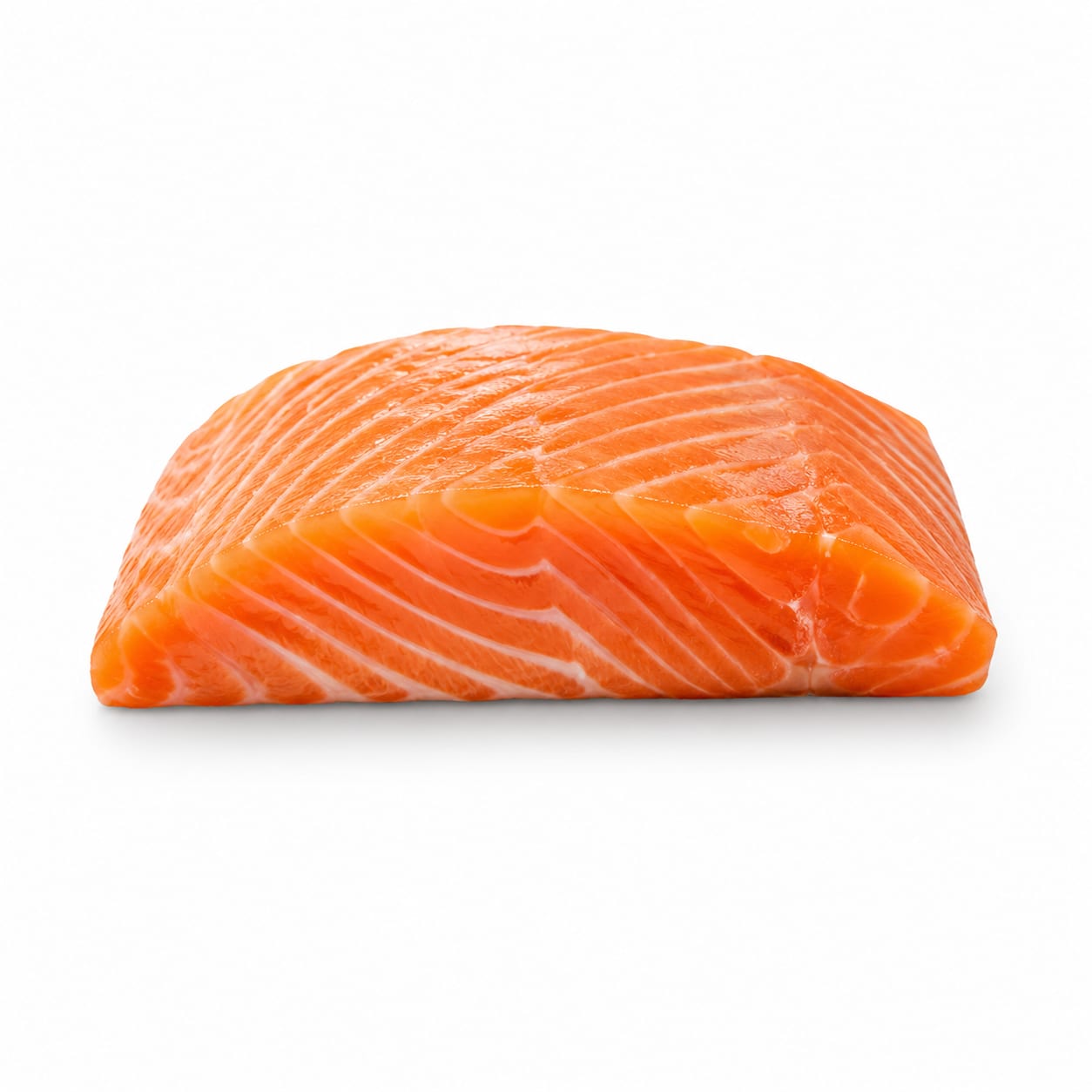
Salmon
Salmon delivers superior protein and anti-inflammatory omega-3s, while egg yolks offer unmatched affordability and brain-boosting choline.
Salmon scores higher due to its exceptional omega-3 to saturated fat ratio and high protein content, making it a stronger foundational health food. Egg yolk remains highly nutritious but its cholesterol and saturated fat content limit its daily viability for some people.
Salmon provides better heart-healthy fats and protein but costs significantly more; egg yolks are budget-friendly nutrient powerhouses but come with cholesterol and saturated fat tradeoffs.
At a glance
Executive summary
Overall
Salmon
Healthier
Salmon
More practical
Egg Yolk
Daily use
It depends
Key comparison lenses
Heart health and lipid profile optimization
Salmon is renowned for omega-3s while egg yolks are debated for cholesterol and saturated fat content.
Brain health and cognitive support
Both foods are top-tier brain foods, but through different pathways: DHA in salmon versus choline in egg yolks.
Budget and accessibility for daily nutrition
Egg yolks are incredibly cheap nutrient sources, whereas salmon is a premium protein.
Contamination and heavy metal exposure
Salmon carries mercury and PCB concerns, while egg yolks carry salmonella and antibiotic residue risks.
Best choice for
Egg Yolk
- Budget-conscious eaters
- Pregnant women needing choline for fetal brain development
- People looking for an easy nutrient boost to meals like oatmeal or salads
Salmon
- Those prioritizing heart health and reducing inflammation
- People needing high-quality protein for muscle maintenance
- Individuals fighting chronic brain fog or fatigue
Least suitable for
Egg Yolk
- People with severe hypercholesterolemia
- Those strictly limiting saturated fat intake
- Vegans
Salmon
- Households with tight food budgets
- People with fish allergies
- Those highly concerned about heavy metal accumulation
Deep comparison
Dimension by dimension
Each lens scores both foods and breaks down who each option suits.
- Dimension 1 · Priority 95Salmon
Heart Health & Lipid Profile
Egg Yolk · 55Salmon · 92Salmon is rich in EPA and DHA omega-3s, which actively lower inflammation and support heart rhythm. Egg yolks contain cholesterol and saturated fat, which can raise LDL cholesterol in sensitive individuals.
Tradeoff
You trade the budget-friendly calories of egg yolks for the cardiovascular protection of salmon fats.
Why it matters
Heart disease remains a leading cause of mortality, making the type of dietary fat a critical daily decision.
Real-world impact
Eating salmon regularly can lower triglycerides and improve heart health markers, while heavy egg yolk consumption might require closer monitoring of blood lipids.
Egg Yolk
- People with naturally low cholesterol who tolerate dietary fats well
Better for
- Individuals with familial hypercholesterolemia
- Those on strict low-saturated-fat diets
Worse for
Salmon
- Those managing cardiovascular risk factors
- People with high triglycerides
Better for
- None specifically for heart health, assuming moderate consumption
Worse for
- Dimension 2 · Priority 90It depends
Brain Health & Cognitive Support
Egg Yolk · 85Salmon · 88Salmon provides DHA for brain cell structure, while egg yolks are the top dietary source of choline, essential for memory and neurotransmitter synthesis.
Tradeoff
Salmon builds the structural fats of the brain, while egg yolks provide the chemical messengers.
Why it matters
Cognitive decline prevention requires both structural fats and neurotransmitter precursors.
Real-world impact
A breakfast with eggs supports memory focus for the day, while a salmon dinner provides the raw materials for long-term brain maintenance.
Egg Yolk
- Students needing quick memory and focus support
- Pregnant women requiring choline for fetal development
Better for
- Those avoiding cholesterol despite the choline benefit
Worse for
Salmon
- Older adults preserving brain volume
- Those fighting chronic brain fog
Better for
- Those who cannot afford regular fish consumption
Worse for
- Dimension 3 · Priority 85Salmon
Protein Quality & Quantity
Egg Yolk · 40Salmon · 95Salmon is a lean protein powerhouse, delivering high amounts of complete protein per calorie. Egg yolks contain very little protein compared to the white, acting mostly as a fat and nutrient source.
Tradeoff
If you eat just the yolk, you miss out on the protein; salmon gives you the fats and the protein in one package.
Why it matters
Muscle maintenance, satiety, and metabolic health depend on adequate high-quality protein.
Real-world impact
A salmon fillet keeps you full for hours due to its protein content, whereas eating just egg yolks leaves you hungry unless paired with egg whites or other proteins.
Egg Yolk
- Those adding nutrients to a protein-rich smoothie or meal
Better for
- Those relying on it as a primary protein source
Worse for
Salmon
- Athletes needing muscle repair
- Older adults preventing muscle loss
- Anyone needing a satisfying main course
Better for
- Those on a tight food budget needing cheap protein
Worse for
- Dimension 4 · Priority 80Egg Yolk
Affordability & Accessibility
Egg Yolk · 95Salmon · 45Egg yolks are incredibly cheap and accessible worldwide. Salmon is a premium protein with a high price tag and limited availability in some regions.
Tradeoff
You pay a premium for salmon's omega-3s and protein, while egg yolks deliver dense nutrition on a dime.
Why it matters
Dietary choices only work if they are financially sustainable long-term.
Real-world impact
Eating egg yolks daily is financially effortless for most households; eating salmon daily is a luxury that strains grocery budgets.
Egg Yolk
- Large families
- Students
- Budget-limited households
Better for
- Those who prioritize marine-sourced omega-3s above all else
Worse for
Salmon
- Those with flexible food budgets
- People prioritizing nutrient sourcing over cost
Better for
- Low-income households
- Those in landlocked areas with poor fish supply
Worse for
Timeline
Health impact over time
Short-term
Hours to days
Egg Yolk
- Quick energy from healthy fats
- High satiety if eaten with egg whites
- Potential for slight sluggishness due to fat density if overconsumed
Salmon
- Sustained energy from protein and fats
- Noticeable fullness without heaviness
- Easy digestion for most people
Long-term
Months to years
Egg Yolk
- Potential LDL cholesterol increase in hyper-responders
- Excellent choline intake for liver and brain health
- Supports eye health via lutein and zeaxanthin
Salmon
- Reduced cardiovascular inflammation
- Improved triglyceride levels
- Potential heavy metal accumulation if overconsumed
Risk profile
Safety & processing
Both whole egg yolks and fresh salmon fillets are minimally processed whole foods. However, farmed salmon may contain artificial colorants and antibiotics, making sourcing important for both foods.
Egg Yolk
Salmonella contamination
mediumRaw or undercooked egg yolks pose a bacterial risk, especially for immunocompromised individuals.
Antibiotic residues
lowConventionally raised eggs may have trace antibiotics, mitigated by choosing organic or pasture-raised.
Salmon
Heavy metal accumulation
mediumLarger salmon species can accumulate mercury, though generally lower than tuna. Farmed salmon may have different contaminant profiles.
Microplastics and PCBs
mediumFarmed salmon can have higher levels of PCBs and dioxins compared to wild-caught, requiring mindful sourcing.
Parasites
lowRaw or undercooked salmon can carry parasites, necessitating freezing before raw consumption.
Who wins for whom
Audience fit
Same foods, different winners depending on your goal.
children
It dependsEgg yolks offer crucial choline for brain development, while salmon provides DHA and vitamin D; both are beneficial but should be balanced.
daily consumption
It dependsEgg yolks can be eaten daily by most healthy people, but salmon is best limited to 2-3 times a week to avoid heavy metal accumulation.
diabetes
SalmonSalmon's omega-3s improve insulin sensitivity, whereas the saturated fat in egg yolks may worsen insulin resistance in high amounts.
elderly
SalmonSalmon's high-quality protein prevents muscle wasting and its omega-3s protect aging hearts and brains without the saturated fat load.
muscle gain
SalmonSalmon offers a massive protein advantage over egg yolks, which are primarily a fat source.
weight loss
SalmonSalmon provides high protein and satiety with fewer calories per gram of protein, making it easier to maintain a calorie deficit.
Your move
Decision guide
Choose Egg Yolk
- You need budget-friendly brain and eye nutrients
- You tolerate dietary cholesterol well
- You want an easy nutrient boost for meals like oatmeal or salads
Choose Salmon
- You want to maximize heart health and reduce inflammation
- You need a high-protein main course
- You can afford premium whole foods
Either works if
- You want high-quality B12 and fat-soluble vitamins
- You are building a nutrient-dense diet
- You want satisfying, low-carb whole food fats
Avoid both if
- You have severe egg and fish allergies
- You are on a strict ultra-low-fat diet for medical reasons
Final recommendation
Choose salmon as your primary fat and protein source for main meals to maximize heart health and muscle support, but keep egg yolks in your breakfast rotation for their unmatched choline and affordability. Eating salmon a few times a week and egg yolks on other days gives you the best of both worlds without the heavy metal or cholesterol risks of overdoing either.
Practical
Consumer tips
- 1
Mix one whole egg with extra egg whites to get the yolk's nutrients without overdoing the fat and cholesterol.
- 2
Choose wild-caught salmon when possible to avoid PCBs and artificial colorants found in some farmed varieties.
- 3
Buy pasture-raised eggs to get higher levels of omega-3s and vitamin D in the yolks.
- 4
Canned salmon is a budget-friendly alternative to fresh fillets, offering the same omega-3 benefits with slightly less heavy metal risk due to the smaller fish used.
- 5
If eating raw egg yolks or salmon, ensure they are sushi-grade or pasteurized to avoid foodborne illness.