
Nutrition comparison
Egg Yolk vs Whole Egg: Which Is Healthier and Better for You?
Compare Egg Yolk vs Whole Egg nutrition, protein, cholesterol, and health benefits. Find out which is better for weight loss, muscle gain, and daily eating.
Overall winner · Whole Egg
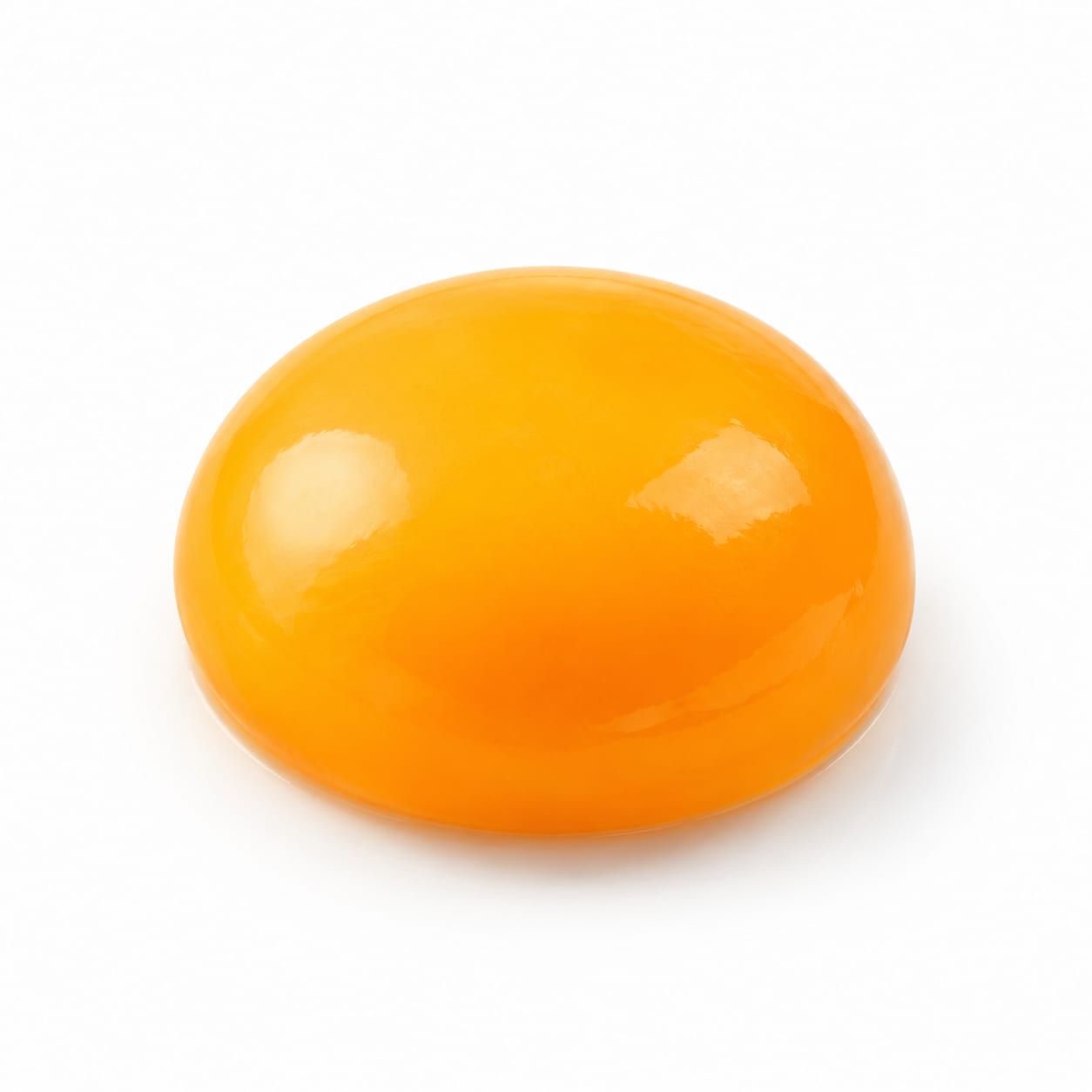
Egg Yolk
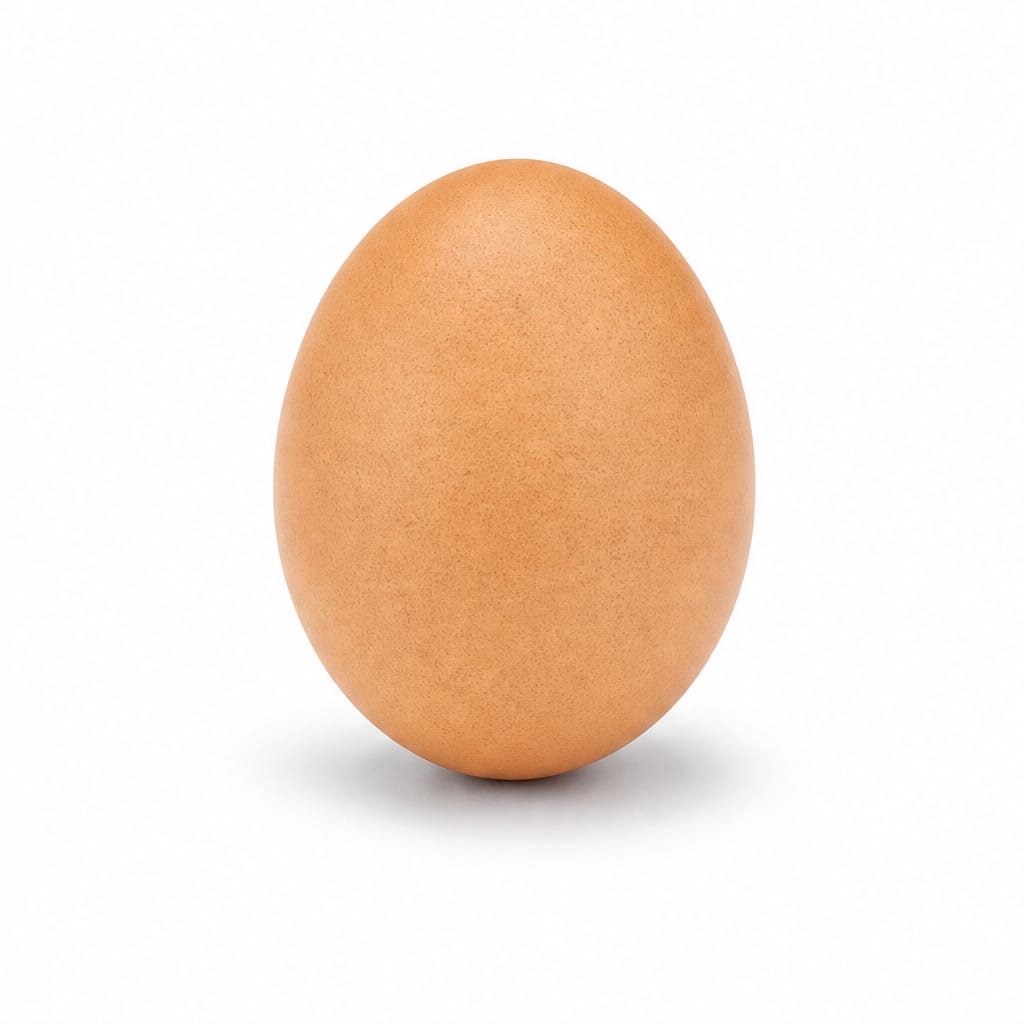
Whole Egg
Whole Egg delivers a more balanced, filling, and practical nutritional package. Egg Yolk is a micronutrient powerhouse but lacks the protein that makes eggs satisfying and versatile.
Whole Egg scores significantly higher because it combines the micronutrient richness of the yolk with the high-quality protein of the white. Egg Yolk is excellent at what it does, but it is inherently incomplete without the white.
Egg Yolk gives you concentrated vitamins and brain-boosting choline but at the cost of protein, satiety, and calorie balance. Whole Egg sacrifices nothing nutritionally while being far more filling.
At a glance
Executive summary
Overall
Whole Egg
Healthier
Whole Egg
More practical
Whole Egg
Daily use
Whole Egg
Key comparison lenses
Nutritional completeness and balance
Whole Egg includes the white, which dramatically shifts the protein-to-fat ratio and overall nutritional profile compared to Egg Yolk alone
Cholesterol and heart health concerns
Egg Yolk concentrates all dietary cholesterol, making this a key decision factor for cardiovascular-conscious eaters
Protein intake and muscle support
The egg white contributes over half the protein in a whole egg, so removing it significantly reduces protein content
Satiety and appetite control
Protein from the white increases fullness, making Whole Egg more satisfying per calorie than Egg Yolk alone
Micronutrient density per calorie
Egg Yolk is one of the most nutrient-dense foods by calorie, which matters for those eating in a surplus or seeking specific vitamins
Best choice for
Egg Yolk
- People needing extra choline for pregnancy or brain health
- Those on high-fat low-carb diets seeking calorie density
- Anyone already getting plenty of protein from other sources
- Older adults needing concentrated vitamin D and B12
Whole Egg
- Most everyday eaters seeking balanced nutrition
- Anyone counting calories or managing weight
- Active people needing complete protein for recovery
- Families wanting a simple, affordable, whole-food protein source
Least suitable for
Egg Yolk
- People with high cholesterol who need to limit dietary cholesterol
- Anyone tracking calories closely since Egg Yolk is very calorie-dense for its volume
- Those relying on eggs as a primary protein source
Whole Egg
- People with severe egg allergies (both yolk and white proteins can trigger reactions)
- Those on very strict low-fat diets, though the fat in Whole Egg is moderate
Deep comparison
Dimension by dimension
Each lens scores both foods and breaks down who each option suits.
- Dimension 1 · Priority 95Whole Egg
Protein Quality and Quantity
Egg Yolk · 35Whole Egg · 92A single Egg Yolk contains roughly 2.7g of protein, while a Whole Egg delivers about 6g with a complete amino acid profile. The white is where most of the protein lives.
Tradeoff
Egg Yolk gives you some protein but not enough to meaningfully support muscle maintenance or satiety on its own. Whole Egg provides a complete, highly bioavailable protein source.
Why it matters
Protein is the main reason most people eat eggs. Without the white, you lose over half the protein and much of the functional benefit.
Real-world impact
A breakfast with two Whole Eggs keeps you full until lunch. Two Egg Yolks alone leave you hungry again within an hour.
Egg Yolk
- Adding richness to dishes where protein is not the goal
Better for
- Anyone using eggs as a primary protein source
- Muscle-building diets that need efficient protein per calorie
Worse for
Whole Egg
- Post-workout recovery meals
- Sustained energy throughout the morning
- Meeting daily protein targets without supplements
Better for
- Dimension 2 · Priority 88Egg Yolk
Micronutrient Density
Egg Yolk · 94Whole Egg · 82Egg Yolk is one of the most nutrient-dense foods on the planet per gram, packed with vitamin A, vitamin D, vitamin K2, B12, folate, selenium, and choline. Whole Egg dilutes this slightly with the white's water and protein content.
Tradeoff
Egg Yolk gives you more vitamins and minerals per bite, but you pay for it with more calories and fat. Whole Egg still delivers excellent micronutrition, just less concentrated.
Why it matters
Choline is critical for brain health and fetal development, and Egg Yolk is one of the best food sources. Vitamin D and K2 are also hard to find in common foods.
Real-world impact
Pregnant women, older adults, and anyone with low vitamin D or B12 can benefit from the concentrated micronutrients in Egg Yolk.
Egg Yolk
- Prenatal nutrition where choline and folate are priorities
- Vitamin D deficiency support
- Brain health and cognitive function maintenance
Better for
- Those who need to watch calorie intake while getting nutrients
Worse for
Whole Egg
- General daily nutrition where balance matters more than concentration
Better for
- Dimension 3 · Priority 85Whole Egg
Satiety and Fullness
Egg Yolk · 40Whole Egg · 88Whole Egg is significantly more filling because the protein in the white triggers stronger satiety signals. Egg Yolk alone is rich and satisfying in flavor but lacks the protein volume that keeps hunger at bay.
Tradeoff
Egg Yolk tastes richer and more indulgent, but the feeling fades faster. Whole Egg keeps you satisfied for hours with fewer total calories relative to fullness.
Why it matters
Satiety is one of the strongest predictors of long-term weight management. Foods that keep you full reduce snacking and overeating.
Real-world impact
Two Whole Eggs at breakfast can prevent the mid-morning energy crash and cravings. Two Egg Yolks feel luxurious initially but leave you reaching for a snack by 10 AM.
Egg Yolk
- Enriching sauces or dressings where satiety comes from the full meal
Better for
- Anyone prone to snacking between meals
- Calorie-conscious eaters who need maximum fullness per calorie
Worse for
Whole Egg
- Weight management and appetite control
- Busy mornings when you cannot snack before lunch
- Preventing afternoon energy dips
Better for
- Dimension 4 · Priority 82Whole Egg
Cholesterol and Heart Health
Egg Yolk · 45Whole Egg · 70Egg Yolk contains roughly 185-210mg of cholesterol per yolk. Whole Egg has the same amount since all cholesterol is in the yolk, but the additional protein and lower calorie density make it easier to fit into a heart-healthy pattern.
Tradeoff
Neither is truly low in cholesterol, but Whole Egg's better protein-to-fat ratio and satiety make it easier to eat in moderation. Egg Yolk concentrates the cholesterol without the balancing protein.
Why it matters
For people with elevated LDL or familial hypercholesterolemia, dietary cholesterol still matters. For most healthy people, saturated fat and overall dietary pattern matter more.
Real-world impact
If you eat two Whole Eggs, you get full and stop. If you eat multiple Egg Yolks in rich dishes, you can easily consume far more cholesterol without feeling satisfied.
Egg Yolk
- Those whose doctors have confirmed dietary cholesterol does not significantly affect their blood levels
Better for
- People with high LDL cholesterol
- Those with a family history of heart disease
Worse for
Whole Egg
- People monitoring heart health who still want egg nutrition
- Anyone trying to moderate cholesterol while staying satisfied
Better for
- Dimension 5 · Priority 78Whole Egg
Calorie Efficiency
Egg Yolk · 42Whole Egg · 85A single Egg Yolk is about 55 calories with 2.7g protein. A Whole Egg is about 72 calories with 6g protein. Whole Egg delivers more than twice the protein for only 17 extra calories.
Tradeoff
Egg Yolk gives you more flavor and micronutrients per gram, but far less protein per calorie. Whole Egg is one of the most protein-efficient whole foods available.
Why it matters
When calories are limited, you want each calorie to work harder. Whole Egg is among the best foods for protein per calorie in a whole-food format.
Real-world impact
On a 2000-calorie diet, choosing Whole Eggs over Egg Yolks alone can save you hundreds of calories while hitting protein targets more easily.
Egg Yolk
- Underweight individuals needing calorie density
- Endurance athletes in caloric surplus
Better for
- Calorie-restricted diets
- People who tend to overeat rich foods
Worse for
Whole Egg
- Weight loss or maintenance diets
- Lean bulking where protein per calorie matters
- Anyone tracking macros efficiently
Better for
- Dimension 6 · Priority 70It depends
Culinary Versatility
Egg Yolk · 78Whole Egg · 82Egg Yolk excels in enriching sauces, custards, and baked goods. Whole Egg is more versatile overall for everyday cooking like scrambles, omelets, and baking.
Tradeoff
Egg Yolk is irreplaceable in certain recipes like hollandaise or carbonara. Whole Egg is the better all-purpose ingredient for most home cooking.
Why it matters
Practicality in the kitchen determines what people actually eat daily. A food that is easier to use consistently wins in real life.
Real-world impact
Most people reach for Whole Eggs for breakfast and cooking. Egg Yolks are a specialty ingredient you use occasionally for specific recipes.
Egg Yolk
- Making custards, aioli, and rich sauces
- Baking recipes calling specifically for yolks
- Finishing pasta dishes with silky texture
Better for
- Everyday cooking where simplicity matters
Worse for
Whole Egg
- Quick everyday breakfasts
- Simple meal prep like hard-boiled eggs
- Most baking recipes that call for whole eggs
Better for
- Recipes specifically requiring yolk-only enrichment
Worse for
Timeline
Health impact over time
Short-term
Hours to days
Egg Yolk
- Quick source of fat-soluble vitamins that support immediate energy metabolism
- Rich mouthfeel that can feel satisfying momentarily but may not sustain fullness
- Concentrated choline provides a mild cognitive boost, especially on an empty stomach
Whole Egg
- High protein content triggers satiety hormones, reducing hunger for 3-4 hours
- Steadier blood sugar response compared to yolk alone due to protein buffering fat absorption
- Balanced macronutrients prevent the energy dip that can follow fat-heavy meals without protein
Long-term
Months to years
Egg Yolk
- Excellent choline intake supports brain health and may reduce dementia risk
- Consistent vitamin K2 intake supports bone and cardiovascular health
- High cholesterol intake may elevate LDL in sensitive individuals over time
- Missing out on the protein benefits that protect muscle mass with aging
Whole Egg
- Complete protein supports muscle preservation, especially important after age 40
- Choline and micronutrients from the yolk still present in meaningful amounts
- Moderate egg consumption (1-2 daily) shows no increased heart disease risk in most studies
- The satiety effect supports healthier body weight long-term
Risk profile
Safety & processing
Both Egg Yolk and Whole Egg are minimally processed whole foods. The only processing involved is separation for Egg Yolk. Neither contains additives unless pre-packaged with preservatives, which is uncommon for fresh eggs.
Egg Yolk
Salmonella contamination
mediumEgg Yolk is more commonly consumed raw in sauces and dressings, which increases salmonella risk if using unpasteurized eggs.
Oxidized cholesterol
lowWhen Egg Yolk is exposed to high heat or air, cholesterol can oxidize, forming compounds that may be more harmful than dietary cholesterol itself.
Whole Egg
Salmonella contamination
lowWhole Egg is typically cooked thoroughly, which eliminates salmonella risk. Raw whole egg consumption is less common than raw yolk.
Allergenicity
mediumWhole Egg contains proteins from both the yolk and white, making it one of the top 8 allergens, especially in children.
Who wins for whom
Audience fit
Same foods, different winners depending on your goal.
children
Whole EggGrowing children need complete protein for development, and Whole Egg provides it in an easy-to-eat, nutrient-rich package. Egg Yolk alone misses the protein kids need.
daily consumption
Whole EggWhole Egg is nutritionally complete, satisfying, and easy to incorporate daily. Most healthy adults can safely eat 1-3 Whole Eggs per day without negative health effects.
diabetes
Whole EggThe protein in Whole Egg slows digestion and stabilizes blood sugar response. Egg Yolk alone has minimal protein to buffer the fat content.
elderly
It dependsWhole Egg is better for preventing age-related muscle loss due to its protein content. However, Egg Yolk provides concentrated vitamin D and B12, which are commonly deficient in older adults. A mix is often ideal.
muscle gain
Whole EggWhole Egg delivers complete protein with a high leucine content, which is the key amino acid trigger for muscle protein synthesis.
weight loss
Whole EggWhole Egg provides significantly more protein per calorie, which increases satiety and helps preserve lean muscle during caloric deficit.
Your move
Decision guide
Choose Egg Yolk
- You are pregnant or trying to conceive and want maximum choline and folate
- You are on a ketogenic or high-fat diet and need calorie-dense fat sources
- You already get plenty of protein from other foods and want the micronutrient boost
- You are making a specific recipe like hollandaise, custard, or carbonara
- You have been diagnosed with low vitamin D or B12 and need concentrated sources
Choose Whole Egg
- You want the simplest, most balanced nutrition from a single whole food
- You are managing your weight or calorie intake
- You rely on eggs as a primary protein source at any meal
- You want to stay full and energized for hours after eating
- You are an active person or athlete needing efficient protein for recovery
- You are feeding children who need complete protein for growth
Either works if
- You tolerate eggs well and eat a varied diet with other protein sources
- You occasionally enjoy eggs and want flexibility in cooking
- You are healthy with normal cholesterol levels and no specific dietary restrictions
Avoid both if
- You have a confirmed egg allergy, which can cause reactions to both yolk and white proteins
- You have been advised by a doctor to eliminate all dietary cholesterol due to severe hypercholesterolemia
Final recommendation
For most people, Whole Egg is the better everyday choice. It delivers the best of both worlds: the micronutrient richness of the yolk plus the satisfying, muscle-supporting protein of the white. Egg Yolk is a powerful supplement to an already protein-rich diet, but eating it alone means missing the very thing that makes eggs such a popular and effective food. If you are healthy, eat Whole Eggs daily and enjoy Egg Yolks in recipes that call for them.
Practical
Consumer tips
- 1
Buy pasture-raised eggs when possible. They contain significantly more omega-3s and vitamin D than conventional eggs, making both the yolk and whole egg more nutritious.
- 2
If you are concerned about cholesterol, research consistently shows that 1-2 Whole Eggs daily do not raise heart disease risk for most healthy people. Saturated fat and overall diet quality matter far more.
- 3
Save leftover Egg Yolks in the fridge for up to 2 days in a sealed container covered with water to prevent drying out. They are great for enriching oatmeal, making salad dressing, or adding to smoothies.
- 4
If you want the micronutrient boost of extra yolk without losing protein balance, try one Whole Egg plus one extra yolk in your scrambled eggs or omelet.
- 5
Avoid overcooking Egg Yolks at very high heat. Gentle cooking preserves choline and prevents cholesterol oxidation while still making the egg safe to eat.
- 6
For pregnant women, choline from Egg Yolk is one of the most important nutrients for fetal brain development. Aim for at least 450mg daily, which is roughly 3-4 yolks or 4-5 Whole Eggs.