
Nutrition comparison
Egg Yolk vs Olive Oil: Which Fat Source Is Healthier for Daily Use?
Compare Egg Yolk and Olive Oil nutrition, health benefits, and tradeoffs. Learn which fat source is better for heart health, weight loss, cooking, and daily consumption.
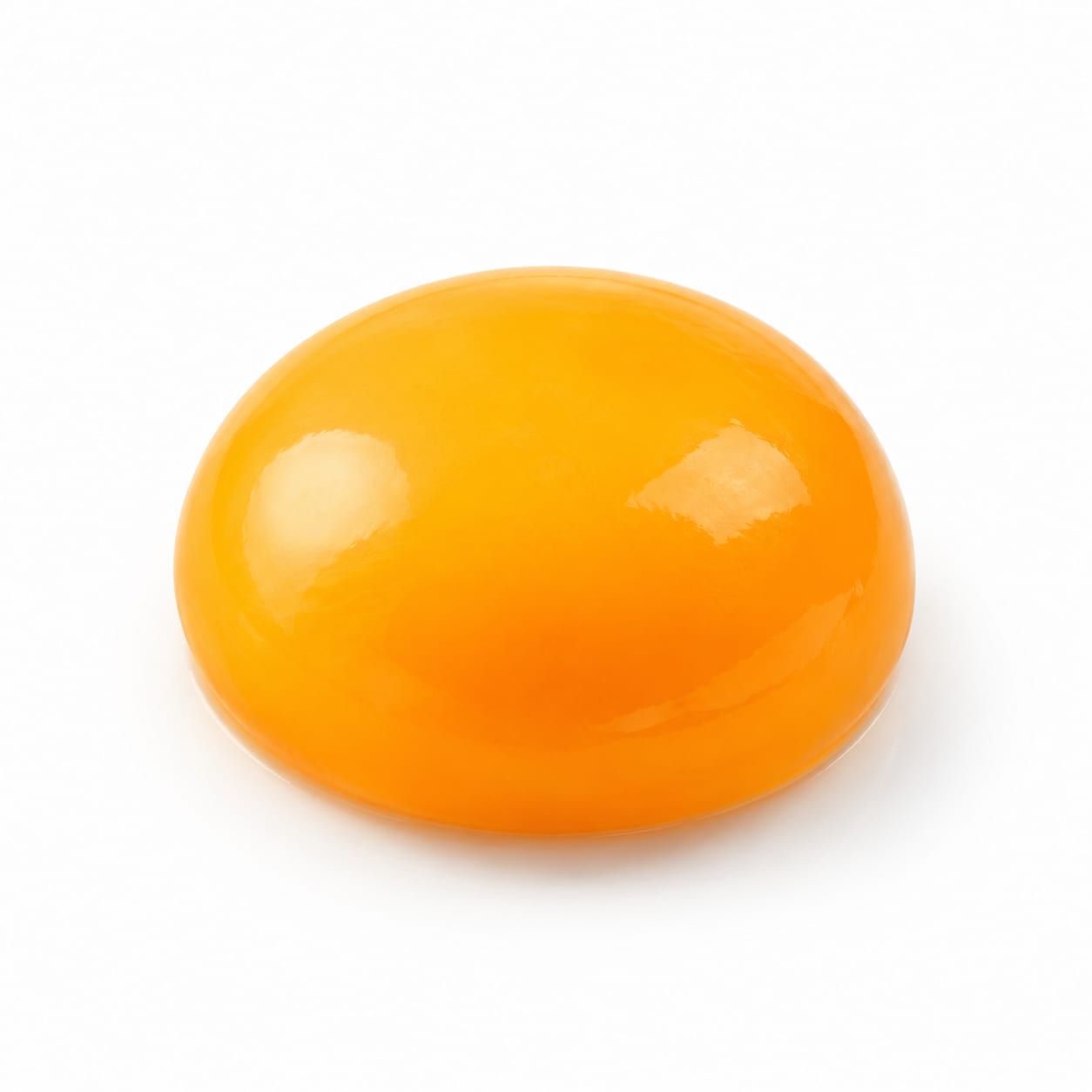
Egg Yolk
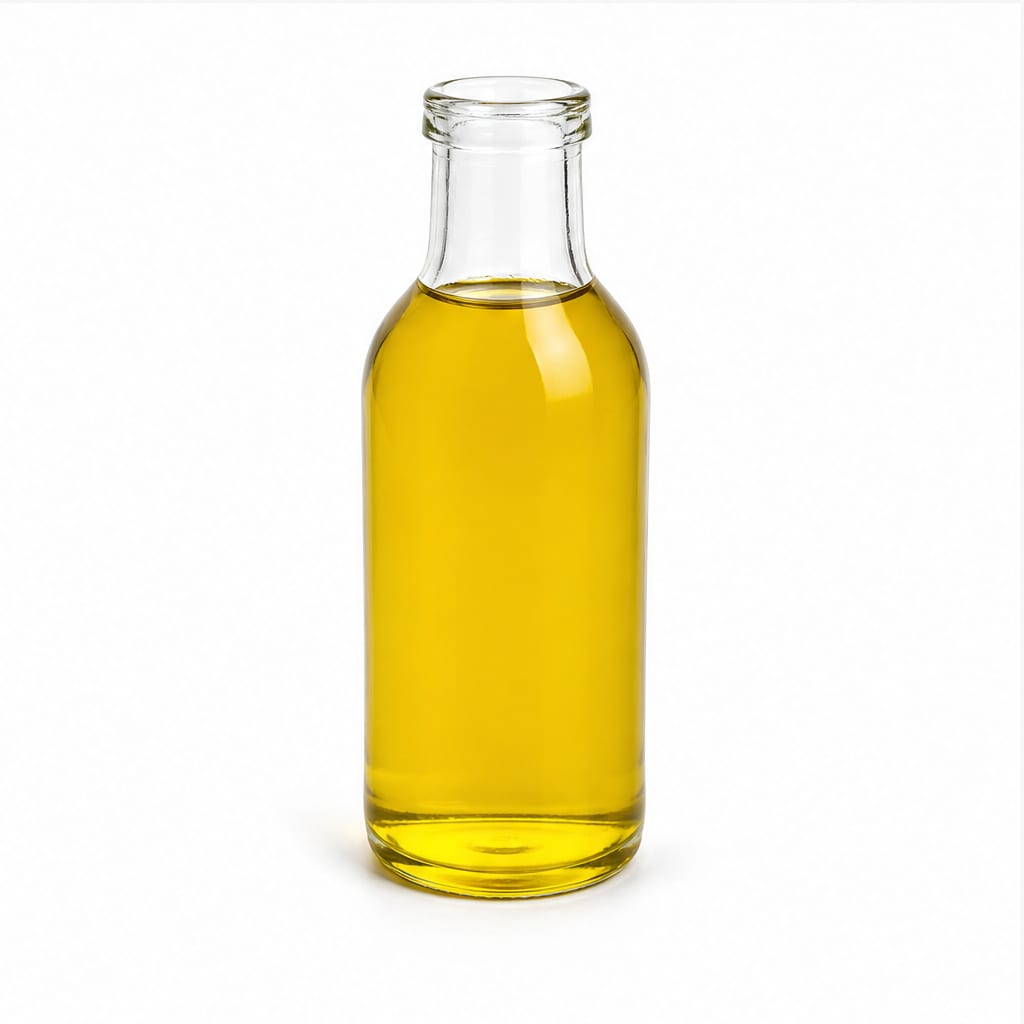
Olive Oil
Egg yolk is a nutrient powerhouse with protein and micronutrients, while olive oil is a cleaner heart-healthy fat with less controversy attached.
Olive Oil scores higher primarily due to its favorable fat profile and stronger cardiovascular evidence base. Egg Yolk is nutritionally richer but carries more controversy around cholesterol and saturated fat, which narrows its suitability for some populations.
Nutrient richness and satiety from Egg Yolk versus cardiovascular confidence and simplicity from Olive Oil.
At a glance
Executive summary
Overall
It depends
Healthier
Olive Oil
More practical
Olive Oil
Daily use
Olive Oil
Key comparison lenses
Fat source quality and heart health impact
Both foods are primarily fat sources, so the type and health impact of that fat is the central question
Nutrient density beyond calories
Egg yolk delivers significant micronutrients alongside fat while olive oil is calorically dense with fewer nutrients
Cholesterol and cardiovascular risk
Egg yolk's dietary cholesterol concerns vs olive oil's heart-protective reputation is a key decision factor
Cooking versatility and practical use
These serve different culinary roles and understanding when each shines matters for daily decisions
Satiety and overeating potential
Liquid oils are easy to overpour while whole egg yolks provide built-in portion awareness
Best choice for
Egg Yolk
- People needing choline for brain health or pregnancy
- Anyone seeking a filling, nutrient-dense fat source
- Those wanting fat paired with complete protein
- Breakfast meals where eggs fit naturally
- Vitamin D and B12 supplementation through food
Olive Oil
- People prioritizing heart health and lipid profiles
- Anyone cooking at high heat needing stable fat
- Those managing cholesterol concerns
- Salad dressings and cold preparations
- Mediterranean diet followers
Least suitable for
Egg Yolk
- People with severe hypercholesterolemia
- Those on strict saturated fat restriction
- Vegans and plant-based eaters
- Anyone with egg allergies
Olive Oil
- People needing protein with their fat source
- Those tracking every calorie closely due to easy overpouring
- Anyone with olive or tree nut allergies
- Budget-conscious shoppers needing cheaper cooking fat
Deep comparison
Dimension by dimension
Each lens scores both foods and breaks down who each option suits.
- Dimension 1 · Priority 95Olive Oil
Fat Quality and Heart Health
Egg Yolk · 55Olive Oil · 90Olive Oil is predominantly monounsaturated fat with strong cardiovascular benefits, while Egg Yolk contains a mix of saturated and monounsaturated fat plus dietary cholesterol.
Tradeoff
Egg Yolk offers more diverse nutrients alongside its fat, but Olive Oil delivers a cleaner heart-healthy fat profile with less controversy.
Why it matters
For daily fat consumption, the type of fat matters more than quantity for long-term heart health outcomes.
Real-world impact
Regularly choosing Olive Oil over saturated fat sources correlates with measurably better cholesterol numbers over months, not years.
Egg Yolk
- Situations where you need fat paired with other nutrients
- Meals where satiety matters more than lipid optimization
Better for
- People with genetically high cholesterol
- Those whose doctors recommended reducing saturated fat
Worse for
Olive Oil
- Daily cooking fat for heart-conscious individuals
- Anyone with family history of cardiovascular disease
- Dressings and finishing oils where flavor enhances satisfaction
Better for
- Meals where you need the fat to contribute protein and micronutrients too
Worse for
- Dimension 2 · Priority 90Egg Yolk
Nutrient Density
Egg Yolk · 92Olive Oil · 35Egg Yolk is one of the most nutrient-dense foods per calorie available, delivering choline, vitamin D, B12, folate, iron, and selenium. Olive Oil provides vitamin E, vitamin K, and polyphenols but little else.
Tradeoff
Egg Yolk functions as both a fat source and a multivitamin, while Olive Oil is essentially a pure fat source with minor antioxidant benefits.
Why it matters
If your diet has nutrient gaps, Egg Yolk fills them efficiently. Olive Oil requires you to get nutrients elsewhere.
Real-world impact
Two egg yolks give you meaningful amounts of choline, vitamin D, and B12 that would require several supplements or carefully planned meals to replicate from other sources.
Egg Yolk
- Pregnant women needing choline and folate
- Anyone with low vitamin D or B12
- Growing children who need dense nutrition in small portions
- Older adults at risk for nutrient deficiencies
Better for
- Situations where you want a neutral fat without additional nutritional load
Worse for
Olive Oil
- People already eating a nutrient-rich diet who just need a quality fat
- Those taking targeted supplements for the nutrients Egg Yolk would provide
Better for
- Diets that are already marginal in key micronutrients
- Anyone relying on a single fat source to contribute meaningful nutrition
Worse for
- Dimension 3 · Priority 75Egg Yolk
Satiety and Portion Control
Egg Yolk · 78Olive Oil · 45Egg Yolk comes in a natural portion with protein that triggers fullness signals. Olive Oil is easy to overpour and provides almost no satiety feedback.
Tradeoff
Egg Yolk's physical form makes mindful eating easier. Olive Oil's liquid form makes accidental overconsumption likely.
Why it matters
A tablespoon of Olive Oil poured over salad barely registers in fullness but adds 120 calories. An egg yolk feels like eating something substantial.
Real-world impact
People who switch from measured egg portions to free-pouring oil often underestimate how many calories they add to meals.
Egg Yolk
- Weight-conscious eaters who struggle with portion awareness
- Meals where feeling satisfied matters for avoiding later snacking
Better for
- Meals where you want light fat addition without fullness
Worse for
Olive Oil
- Situations where you want calories without feeling full
- Athletes needing calorie density without stomach bulk
Better for
- Anyone prone to overpouring cooking oil
- People tracking calories who find liquid fats hard to measure
Worse for
- Dimension 4 · Priority 72Olive Oil
Cooking Versatility
Egg Yolk · 55Olive Oil · 88Olive Oil works for sautéing, roasting, dressing, finishing, and baking. Egg Yolk is primarily an emulsifier, binder, or breakfast component.
Tradeoff
Olive Oil is a universal kitchen staple. Egg Yolk has specific culinary roles but cannot replace cooking fat in most applications.
Why it matters
Practical daily cooking demands a versatile fat. Olive Oil fills that role effortlessly.
Real-world impact
You can cook nearly any savory dish with Olive Oil. Egg Yolk shines in specific recipes but sits unused in most cooking scenarios.
Egg Yolk
- Making mayonnaise, hollandaise, or custards
- Breakfast dishes where egg yolk is a natural fit
- Baking recipes requiring emulsification
Better for
- High-heat cooking where yolk would burn or scramble
- Any application needing a neutral pourable fat
Worse for
Olive Oil
- Everyday stovetop cooking
- Salad dressings and marinades
- Roasting vegetables
- Finishing dishes with flavor
Better for
- Recipes specifically requiring emulsification or egg richness
Worse for
- Dimension 5 · Priority 80Olive Oil
Inflammatory Profile
Egg Yolk · 50Olive Oil · 85Olive Oil contains oleocanthal and polyphenols with documented anti-inflammatory effects. Egg Yolk contains arachidonic acid which can promote inflammation in sensitive individuals.
Tradeoff
Olive Oil actively fights inflammation. Egg Yolk is neutral to mildly inflammatory depending on the person.
Why it matters
Chronic inflammation underlies most modern diseases. Daily fat choices either help or hinder this significantly over time.
Real-world impact
People with joint pain or autoimmune conditions often notice improvement when swapping saturated and omega-6 heavy fats for Olive Oil.
Egg Yolk
- Healthy individuals without inflammatory conditions
- Those whose overall diet is already anti-inflammatory
Better for
- People with rheumatoid arthritis or inflammatory bowel disease
- Those already consuming high omega-6 diets
Worse for
Olive Oil
- Anyone with chronic inflammation or joint issues
- People with autoimmune conditions
- Those eating a standard diet high in omega-6 fats who need counterbalance
Better for
- Rare cases of olive allergy causing inflammatory responses
Worse for
- Dimension 6 · Priority 60It depends
Digestive Tolerance
Egg Yolk · 70Olive Oil · 72Both are generally well-tolerated. Egg Yolk can cause issues for those with egg sensitivities. Olive Oil in large amounts can trigger gallbladder symptoms or loose stools.
Tradeoff
Egg Yolk is gentler in small portions but problematic for allergic individuals. Olive Oil is safe for most but can cause digestive upset in concentrated doses.
Why it matters
Fat digestion varies widely between individuals, and both foods have specific tolerance considerations.
Real-world impact
Some people feel heavy or nauseous after multiple egg yolks, while others find straight oil on an empty stomach uncomfortable.
Egg Yolk
- People with gallbladder issues who tolerate eggs well
- Those who find liquid fats harder to digest
Better for
- Those with egg IgE or IgG sensitivities
- People with compromised fat digestion who find yolks heavy
Worse for
Olive Oil
- Anyone with egg allergies or intolerances
- People who find rich animal fats heavy
Better for
- People with gallbladder disease
- Those prone to diarrhea from high fat intake
Worse for
Timeline
Health impact over time
Short-term
Hours to days
Egg Yolk
- Provides sustained energy from fat and protein combination
- Choline supports immediate cognitive function and focus
- Can feel heavy or rich if consuming multiple yolks at once
Olive Oil
- Quick calorie source without digestive burden in moderate amounts
- Polyphenols may mildly reduce post-meal oxidative stress
- Overpouring easily adds hundreds of unnoticed calories
Long-term
Months to years
Egg Yolk
- Consistent choline intake supports brain health and may reduce dementia risk
- Dietary cholesterol has modest impact on blood cholesterol for most people, but hyper-responders see significant increases
- Lutein and zeaxanthin from yolk protect against macular degeneration
- Regular consumption may raise LDL cholesterol in genetically susceptible individuals
Olive Oil
- Strong evidence for reduced cardiovascular events with regular consumption
- Monounsaturated fat improves LDL-to-HDL ratio over time
- Polyphenols accumulate anti-inflammatory benefits with consistent daily use
- Easy to exceed calorie needs if not measured, potentially contributing to weight gain
Risk profile
Safety & processing
Both foods are minimally processed in their pure forms. Egg Yolk is a whole food component. Extra virgin Olive Oil is simply pressed fruit juice with no chemical extraction. Quality matters for both: pasture-raised eggs and cold-pressed extra virgin olive oil deliver significantly more nutrients than their conventional counterparts.
Egg Yolk
Salmonella contamination
mediumRaw or undercooked egg yolks carry Salmonella risk. Proper cooking eliminates this. Pasteurized eggs are available for raw preparations.
Antibiotic and hormone residues
lowConventional eggs may contain trace antibiotic residues. Pasture-raised organic eggs minimize this concern significantly.
Oxidized cholesterol
lowCooking egg yolks at very high heat can oxidize cholesterol, potentially making it more harmful. Gentle cooking is preferable.
Olive Oil
Adulteration with cheaper oils
mediumOlive Oil fraud is well-documented. Some products are cut with cheaper seed oils. Buying certified extra virgin from reputable sources mitigates this.
Oxidation from heat or light exposure
mediumOlive Oil degrades when stored in clear bottles or heated past its smoke point. This creates harmful compounds and destroys beneficial polyphenols.
Acrylamide formation when frying starchy foods
lowWhile not a risk of the oil itself, using Olive Oil for high-heat frying of starches can contribute to acrylamide formation. Moderate heat cooking is safer.
Who wins for whom
Audience fit
Same foods, different winners depending on your goal.
children
Egg YolkGrowing children benefit enormously from Egg Yolk's choline, vitamin D, iron, and complete protein. The nutrient density supports brain development and growth in ways Olive Oil cannot match.
daily consumption
Olive OilOlive Oil has stronger evidence for safe daily use across populations and no upper limit concerns for most people. Egg Yolk daily consumption remains debated for those with cholesterol concerns.
diabetes
Olive OilOlive Oil has zero carbohydrates and a well-established role in improving insulin sensitivity. Egg Yolk is also fine for blood sugar but carries more saturated fat, which may worsen insulin resistance in some people.
elderly
It dependsEgg Yolk helps prevent nutrient deficiencies common in aging, especially B12 and vitamin D. Olive Oil protects cardiovascular health, which becomes increasingly important with age. The best choice depends on individual health priorities.
muscle gain
Egg YolkEgg Yolk provides complete protein alongside fat, supporting muscle protein synthesis. Olive Oil offers calories but no amino acids.
weight loss
Egg YolkEgg Yolk's protein content increases satiety, making it easier to eat fewer calories overall. Olive Oil's liquid form makes accidental overconsumption common during weight loss efforts.
Your move
Decision guide
Choose Egg Yolk
- You want maximum nutrition per calorie and your cholesterol is within normal range
- You are pregnant or trying to conceive and need choline and folate
- You struggle with portion control and benefit from foods with built-in serving sizes
- You want a fat source that also contributes protein to your meal
- You are feeding children who need nutrient-dense foods for growth
Choose Olive Oil
- Heart health is your top priority, especially with family history of cardiovascular disease
- You need a versatile daily cooking fat that works across most recipes
- Your doctor has recommended reducing saturated fat or dietary cholesterol
- You follow a Mediterranean dietary pattern
- You want anti-inflammatory benefits from a daily fat source
Either works if
- You are healthy with normal cholesterol and simply want a quality fat source
- Your diet is varied enough that neither food creates a nutritional gap or excess
- You use both for different purposes: Olive Oil for cooking, Egg Yolk for breakfast
Avoid both if
- You have severe fat malabsorption issues
- You are on a very low-fat diet for medical reasons
- You have both egg allergy and olive sensitivity, which is rare but possible
Final recommendation
Use both strategically rather than choosing one exclusively. Cook with Olive Oil daily for its heart-protective fat profile, and include Egg Yolks several times per week for their unmatched nutrient density. This combination gives you the cardiovascular benefits of Olive Oil alongside the choline, vitamin D, and protein of Egg Yolk without overconsuming either. If you must pick only one, Olive Oil is the safer daily staple for most adults, while Egg Yolk is the superior nutritional supplement for specific life stages like pregnancy and childhood.
Practical
Consumer tips
- 1
Buy pasture-raised eggs when possible. They contain significantly more omega-3s and vitamin D than conventional eggs.
- 2
Choose extra virgin Olive Oil in dark glass bottles. Clear bottles and 'pure' or 'light' olive oils sacrifice polyphenols and quality.
- 3
Measure Olive Oil rather than pouring directly. A quick pour can add 200+ calories before you realize it.
- 4
Keep Egg Yolks runny or softly cooked when safe. Overcooking destroys some nutrients and can oxidize the cholesterol.
- 5
Store Olive Oil in a cool, dark place. Heat and light destroy polyphenols rapidly once the bottle is opened.
- 6
If cholesterol is a concern, limit Egg Yolks to 4-5 per week and let Olive Oil be your primary fat.
- 7
Combine both in a single meal: dress a salad with Olive Oil and top with a soft-boiled egg for maximum nutrient and flavor synergy.