
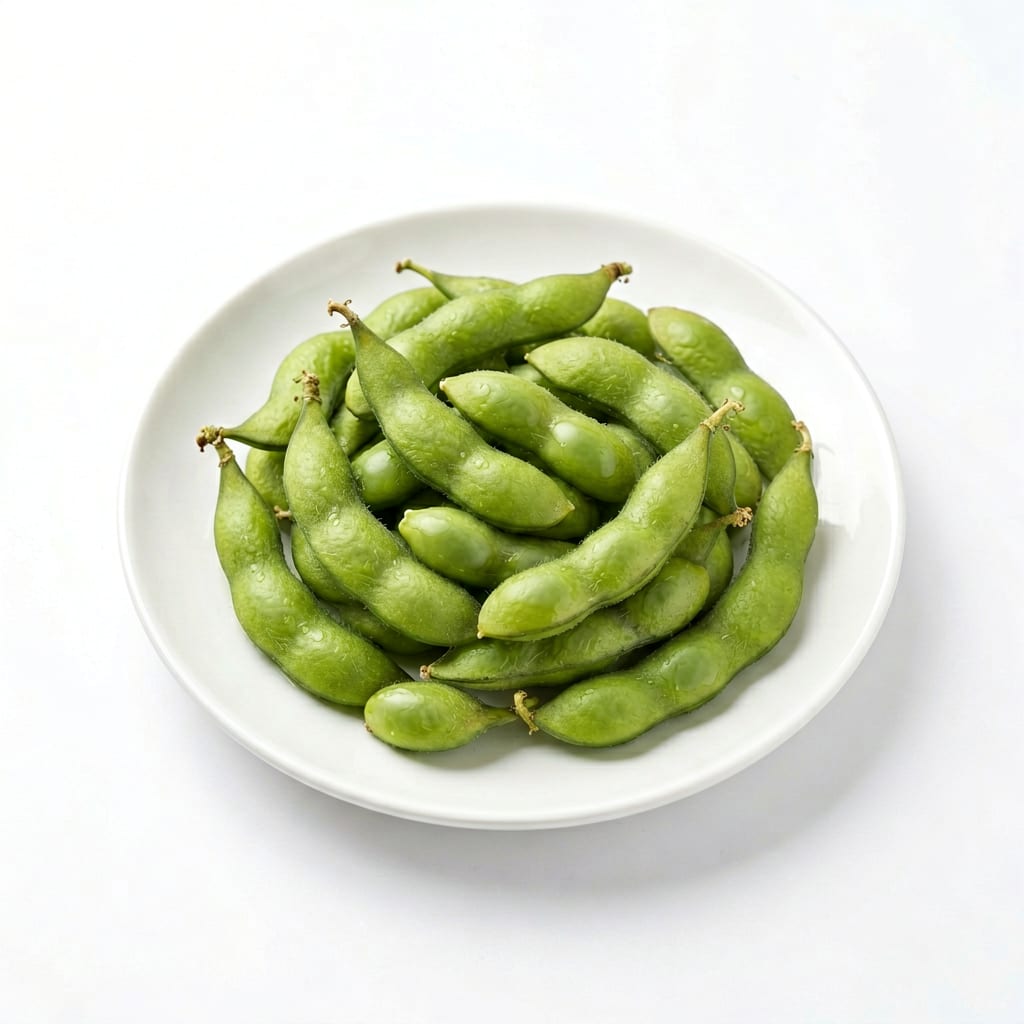
Legume
Edamame
Edamame is a green, immature soybean prized as a high-protein, high-fiber whole food snack or side dish.
Edamame are immature soybeans harvested before they harden, typically steamed or boiled and served salted in their pods.
high-protein high-fiber whole legume
Typical serving · 100g
Common varieties · in-pod, shelled, frozen, organic
Overall context score across nutrition, safety, and diet fit
At a glance
Quick facts
Simple indicators based on nutrition, processing, and diet fit.
The story
What makes it unique
Edamame provides a complete plant protein containing all essential amino acids, alongside significant dietary fiber and polyunsaturated fats. Its fiber-protein matrix slows digestion, promoting sustained energy and high satiety. As a whole food, it retains natural phytochemicals like isoflavones.
Varieties: in-pod · shelled · frozen · organic
Per 100g
Nutrition breakdown
Macro balance and key metrics at a glance.
Energy
Density 1.20 kcal/g
Protein
Carbs
Fat
Fiber
Sugar
2.2 g
Sodium
6 mg
Potassium
436 mg
Glycemic index
18
Glycemic load
1
Water content
68%
Standout compounds
Nutrient highlights
Protein
highSupports muscle growth, repair, and satiety
Fiber
highPromotes digestive health and stabilizes blood sugar
Folate
moderateEssential for cell division and DNA synthesis
Vitamin K
moderateImportant for blood clotting and bone metabolism
Manganese
highSupports bone formation and metabolic function
Wellness map
Health scores & processing
NOVA processing scale
minimally processed · Whole food
Typically sold fresh or frozen and only requires boiling or steaming, retaining its whole food status with no added artificial ingredients.
Diet compatibility
- Weight loss
- Muscle gain
- Diabetes
- Gut health
- Low carb
- High protein
- Heart health
Relative standing
Food rankings
Qualitative ranks compared to similar whole foods.
- Satietyexcellent
- Blood sugarexcellent
- Nutrient densityexcellent
- Fitness fuelgood
- Processing qualityexcellent
Eat with confidence
Food safety profile
Edamame is generally safe with low microbial contamination risk. The main concerns are pesticide residues and GMO status in conventional farming, which can be avoided by choosing organic.
Evidence confidence 95%
- Pesticidesmoderate
- Antibioticslow
- Heavy metalslow
- Contaminationlow
Watch for
- pesticide residues
- gmo cross-contamination
Safer choices
USDA Certified Organic edamame to ensure non-GMO and pesticide-free production.
Prep tips
Rinse frozen or fresh pods thoroughly under cold water before boiling to remove surface debris. If consuming shelled edamame, rinse after cooking.
High percentage of conventional soy is genetically modified; organic certification is the primary way to avoid GMOs and synthetic pesticide residues.
Deep dive
Health analysis
How this food may fit different goals and preparation choices.
Weight loss
High protein and fiber create strong satiety signals, reducing overall calorie intake. Low energy density allows for a satisfying portion size without excess calories.
Blood sugar
Very low glycemic index and load. The fiber and protein combination prevents blood sugar spikes, making it highly suitable for insulin resistance management.
Fitness & energy
Provides a steady amino acid release for muscle repair and slow-digesting carbohydrates for sustained energy, ideal as a post-workout recovery food.
Gut health
Supplies 5.2g of fiber per 100g, which feeds beneficial gut bacteria and promotes regular bowel movements. Some individuals with severe IBS may need to limit portions due to FODMAPs.
Processing quality
A whole, unrefined food that undergoes minimal processing from farm to table, preserving its native nutrient matrix and phytochemicals.
Food safety
Low risk of microbial contamination. Primary considerations are choosing organic to avoid GMOs and synthetic pesticides used in conventional soy agriculture.
Common mistakes
Adding excessive sodium via heavy salting, or assuming all soy products offer the same whole-food benefits as intact edamame.
Best preparation
Steaming or boiling in lightly salted water for 3-5 minutes until tender. Avoid deep-frying or heavy oil-based sauces to maintain the healthy nutritional profile.
Practical guide
Best use cases
When and how this food fits real eating patterns.
Post-workout recovery snack
Provides complete protein for muscle repair and slow-digesting carbs to replenish glycogen without a sugar crash.
High-volume low-calorie eating
The pods take time to eat, naturally slowing down eating pace, while the high fiber and protein maximize fullness per calorie.
Plant-based protein booster
Easily added to grain bowls, salads, or stir-fries to increase the protein content of vegan or vegetarian meals without processed meat substitutes.
Balance sheet
Pros & cons
Upsides
- Complete plant protein with all essential amino acids
- Very low glycemic index prevents blood sugar spikes
- High fiber content promotes prolonged satiety
- Rich in vitamins and minerals like folate, manganese, and vitamin K
- Convenient whole food snack requiring minimal preparation
Trade-offs
- Contains phytoestrogens which may concern some consumers despite evidence of safety
- Conventional farming often uses GMOs and pesticides
- Can cause bloating or gas in individuals sensitive to FODMAPs
- Commonly served with high amounts of added sodium
Fit check
Who is it for?
Great match
- plant-based diets
- weight loss
- blood sugar management
- post-workout recovery
Consider alternatives
- strict ketogenic diets
- soy allergy sufferers
- severe IBS or FODMAP sensitivity
Side by side
How it compares
Open the full head-to-head analysis for nutrition, safety, and practical tradeoffs.
This food
Edamame
VS90% alike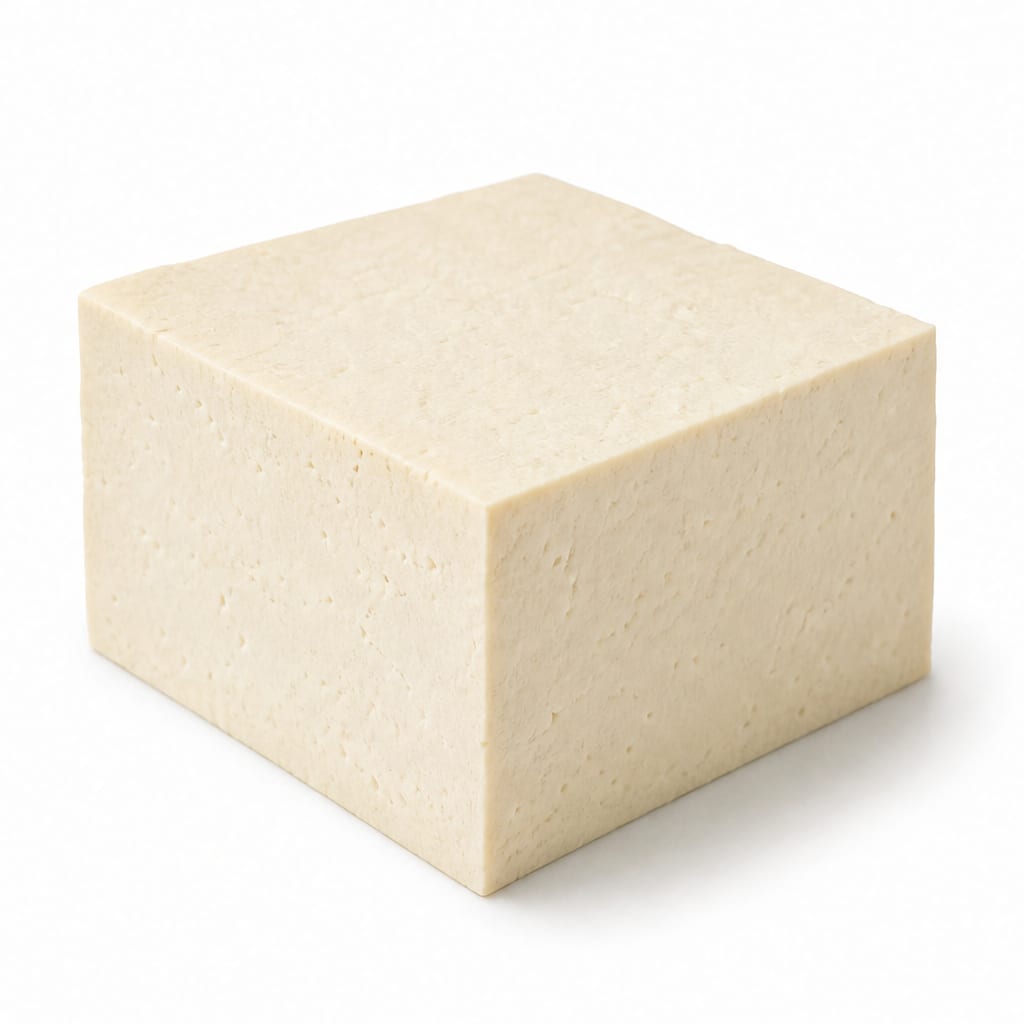
Compare with
Tofu
Tofu is more processed and lower in fiber and carbs, while edamame is a whole food higher in fiber and micronutrients.
Edamame provides more fiber and whole-food satiety, while tofu offers higher protein density and lower carbs for stricter diets.
This food
Edamame
VS85% alike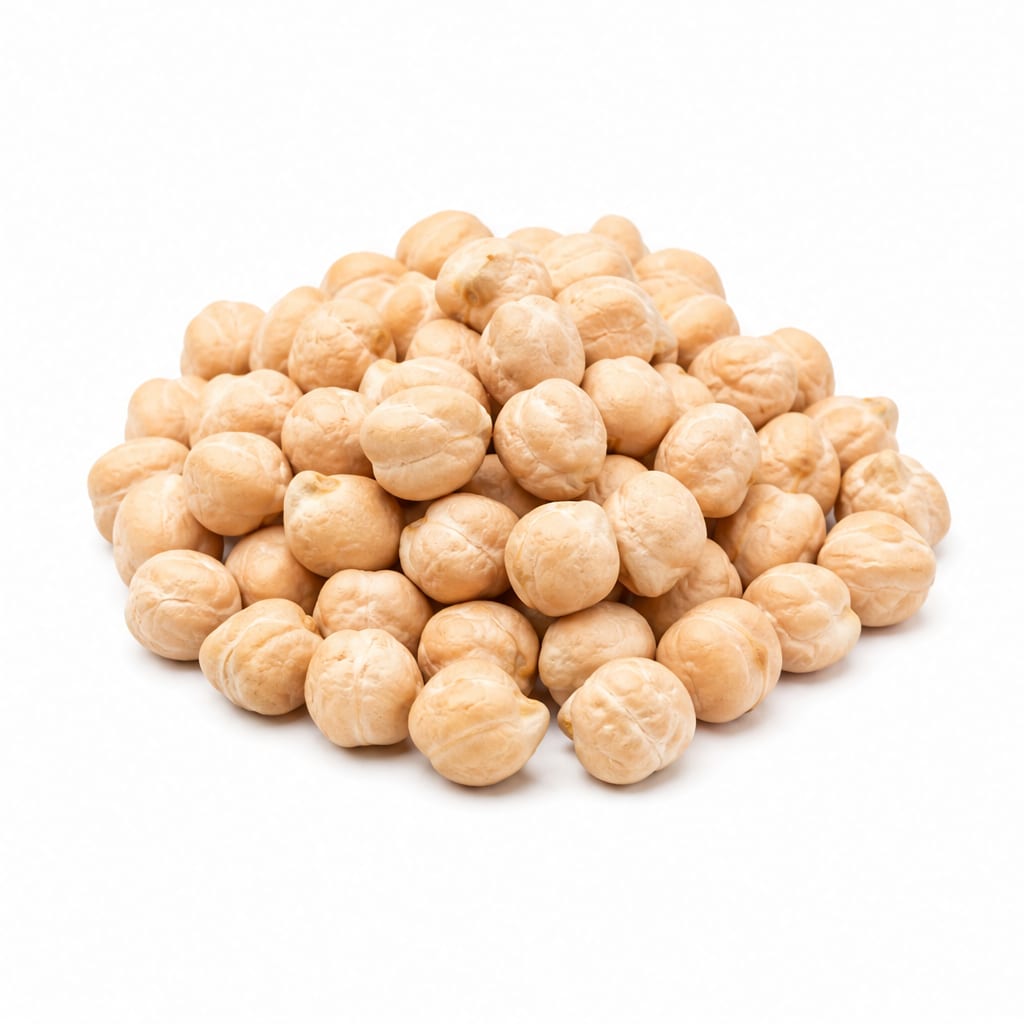
Compare with
Chickpeas
Chickpeas are higher in carbohydrates and lower in protein, while edamame offers a complete protein profile and lower net carbs.
Edamame is lower in carbs and higher in complete protein than chickpeas, making it better for blood sugar control and low-carb diets.
This food
Edamame
VS80% alike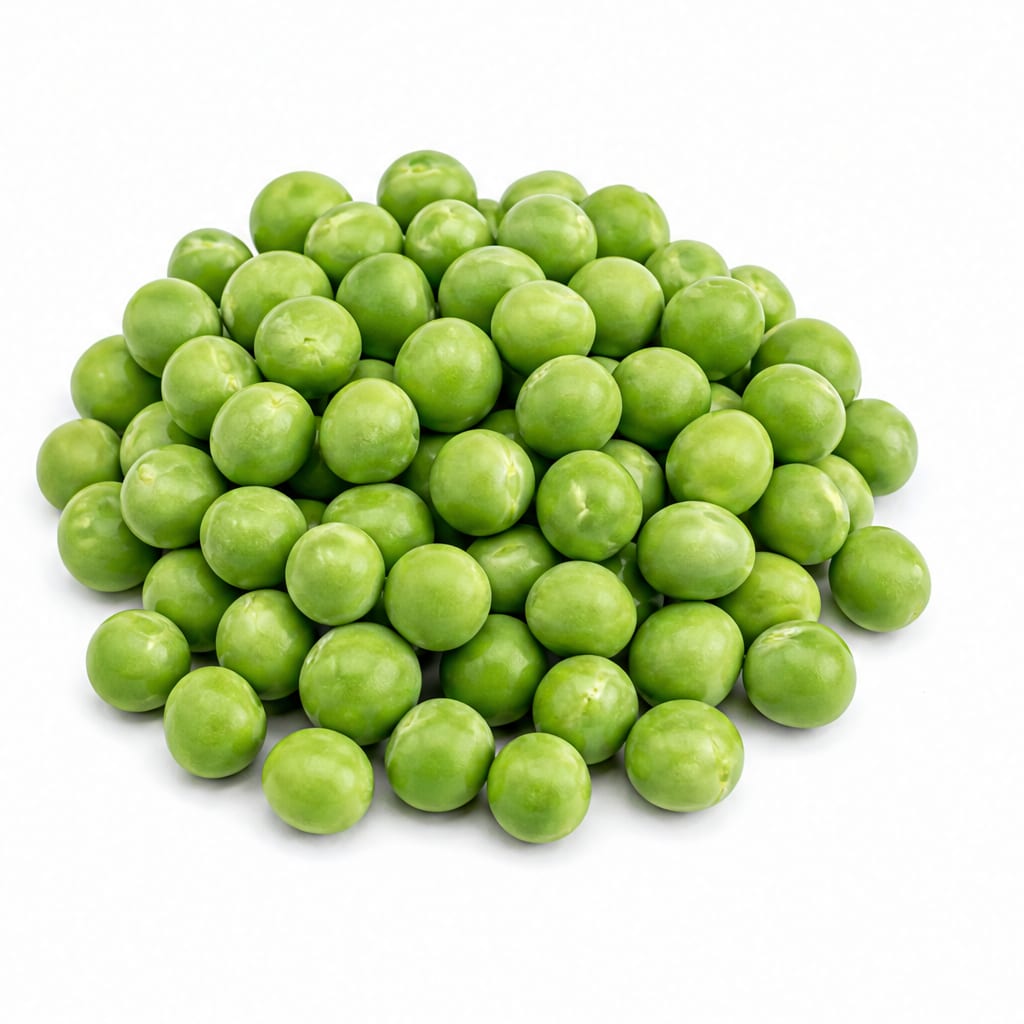
Compare with
Green Peas
Peas are lower in fat and protein, while edamame is significantly higher in protein and healthy fats.
Edamame provides more than double the protein of green peas and more healthy fats, making it far superior for muscle maintenance and satiety.
This food
Edamame
VS80% alike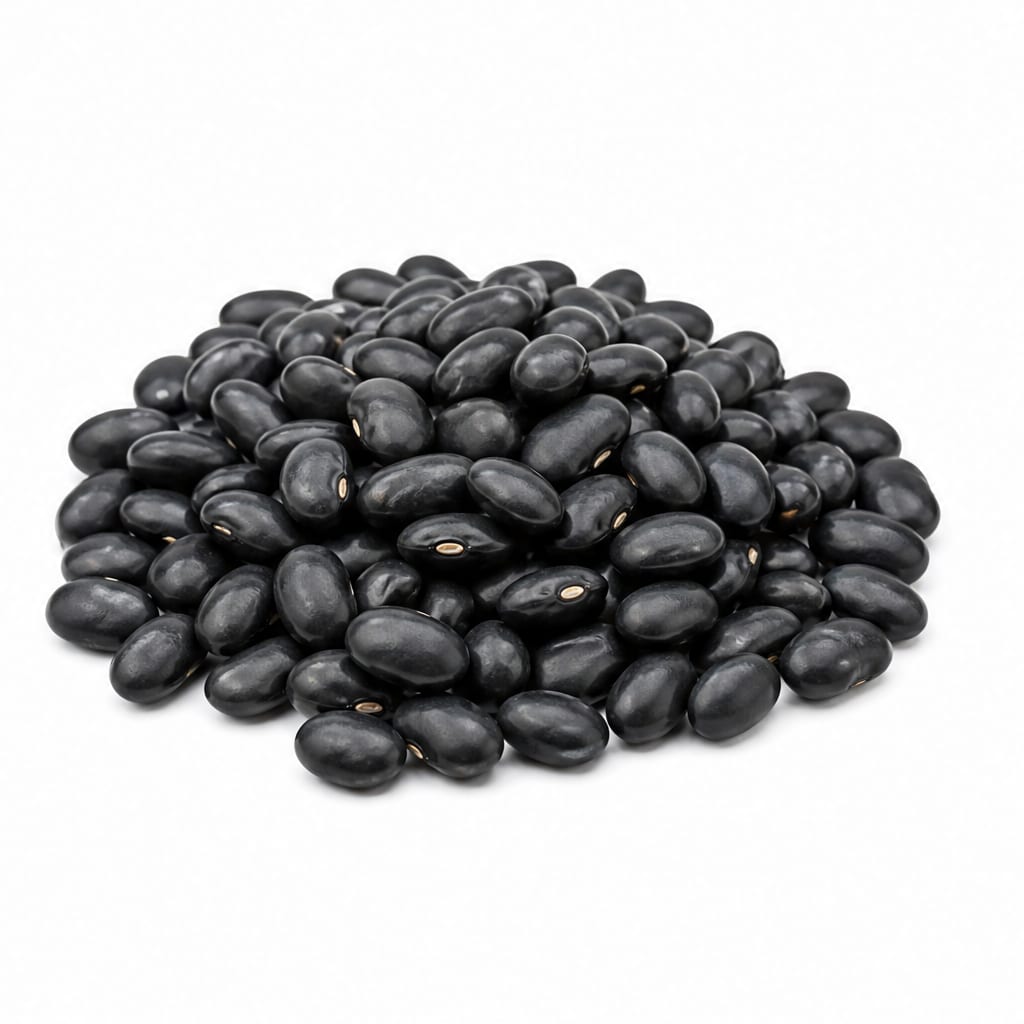
Compare with
Black Beans
Black beans are higher in carbs and fiber, while edamame is higher in protein and healthy fats with a complete amino acid profile.
Edamame offers complete protein and lower net carbs, while black beans provide slightly more fiber and are easier to find in canned form.
This food
Edamame
VS75% alike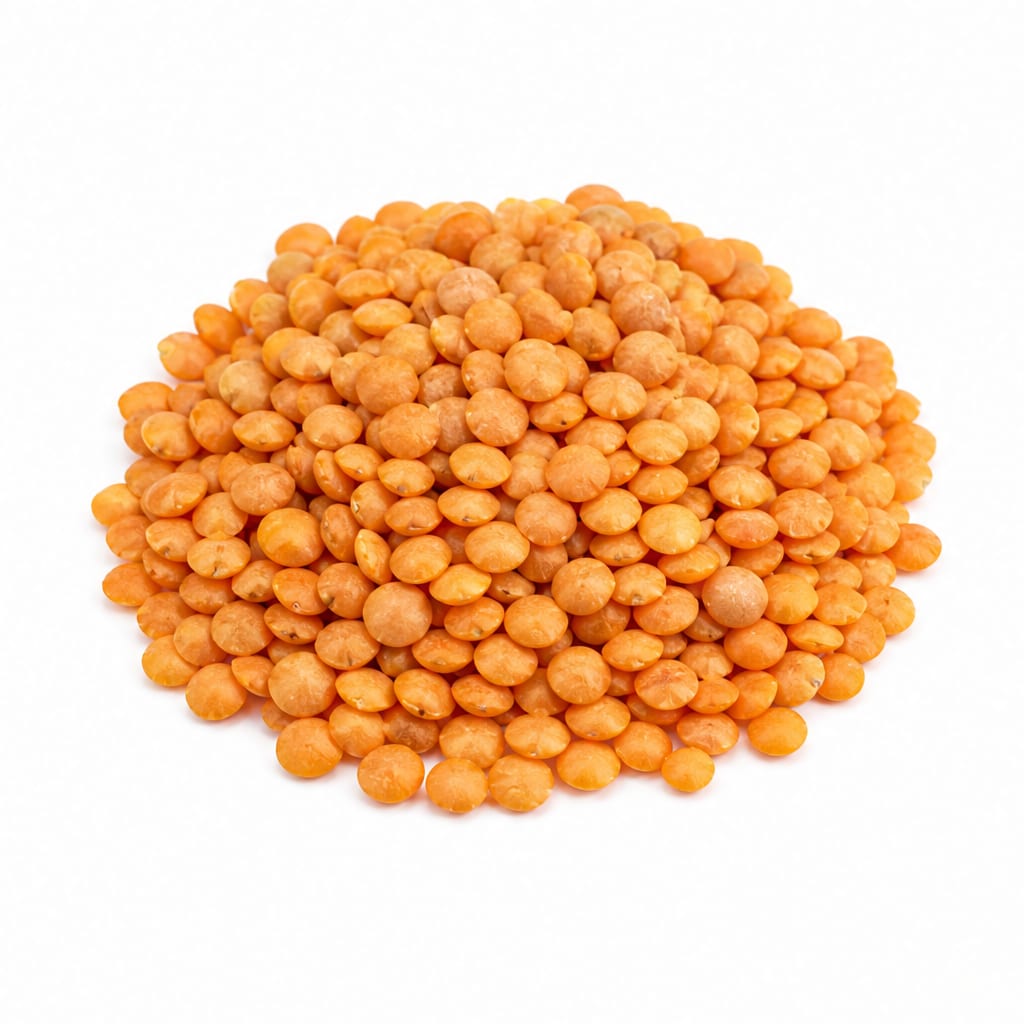
Compare with
Lentils
Lentils are higher in carbs and iron, while edamame is higher in protein, healthy fats, and is a complete protein.
Lentils are an excellent iron source, but edamame provides complete protein and healthy fats, making it slightly better for muscle building and low-carb diets.
This food
Edamame
VS85% alike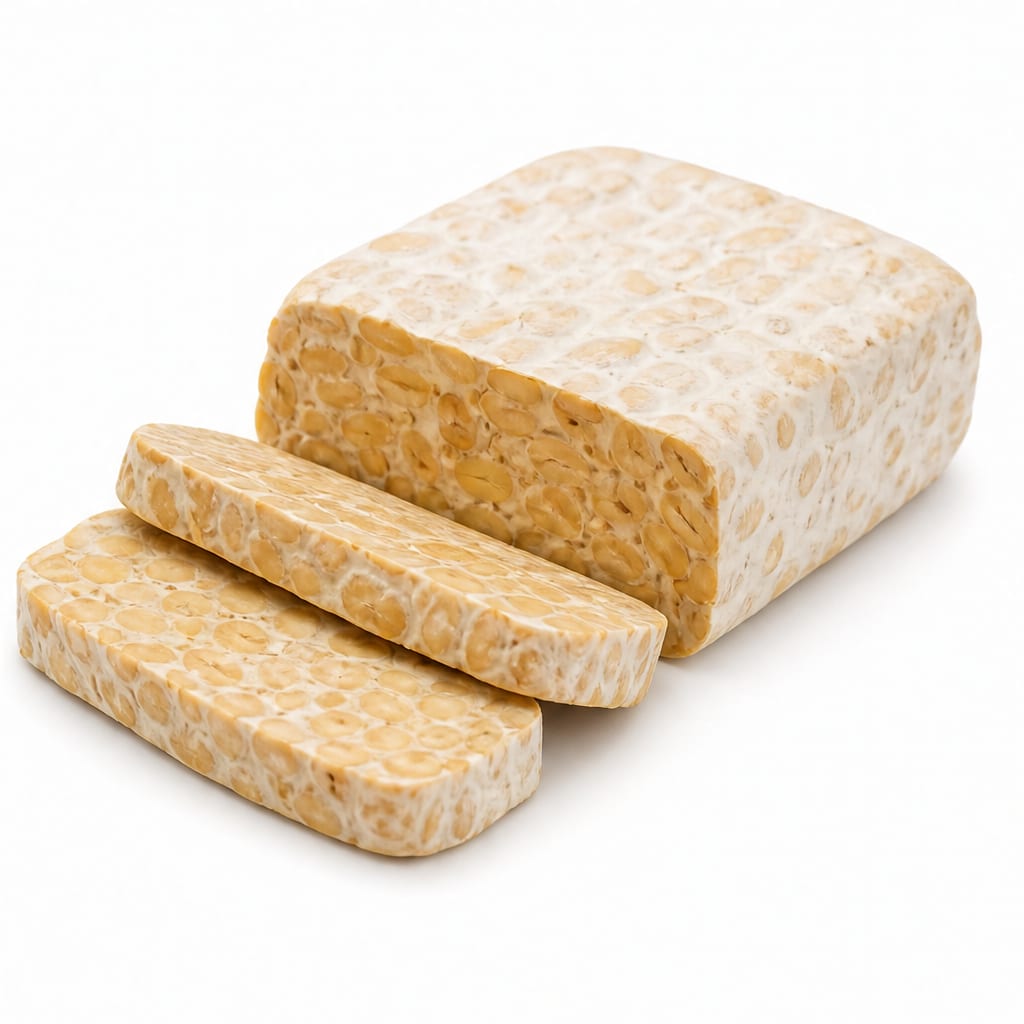
Compare with
Tempeh
Tempeh is fermented and more protein-dense, while edamame is less processed, lower in calories, and higher in fiber.
Tempeh offers more protein per calorie and gut-friendly probiotics, while edamame is a lower-calorie whole food with more fiber for satiety.
This food
Edamame
VS70% alike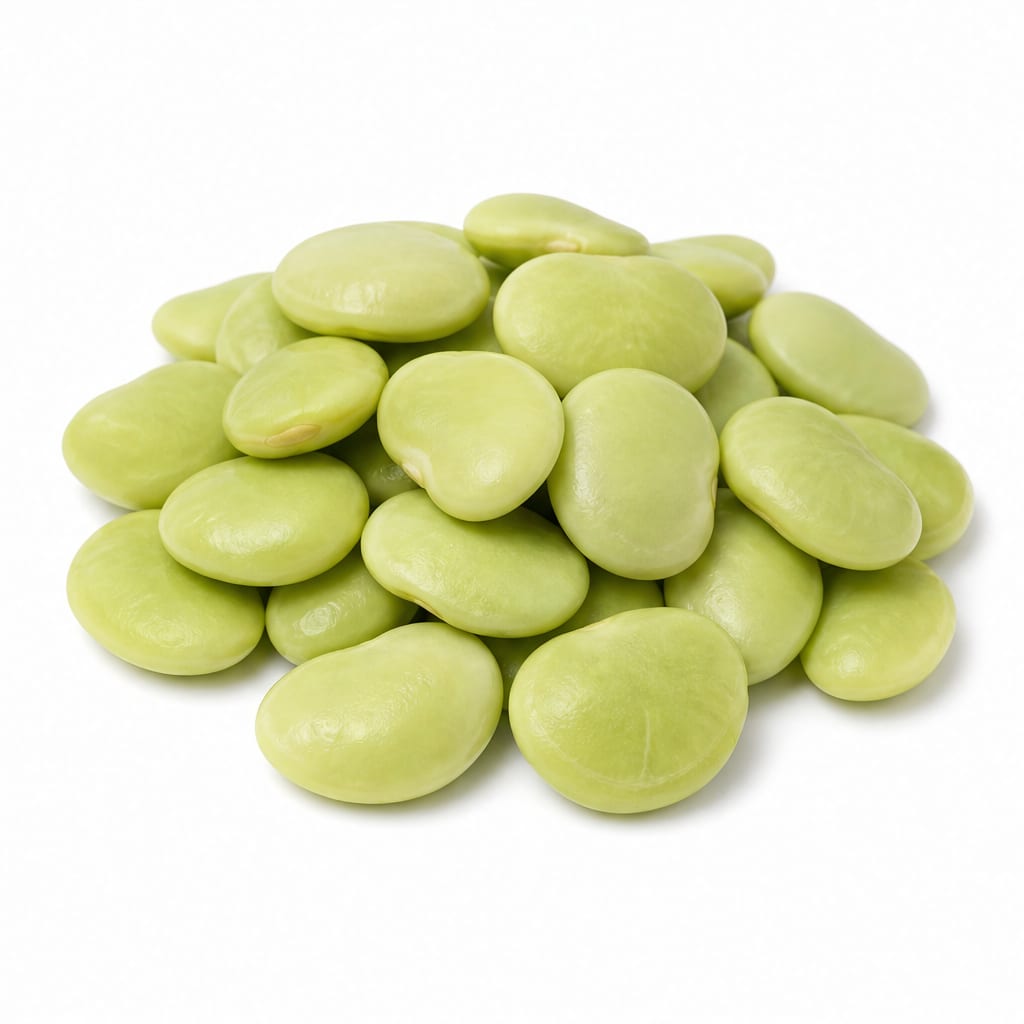
Compare with
Lima Beans
Lima beans are higher in carbs and lower in protein, while edamame provides a much stronger protein profile.
Edamame is far higher in protein and lower in net carbs than lima beans, making it the better choice for weight loss and blood sugar management.
This food
Edamame
VS65% alike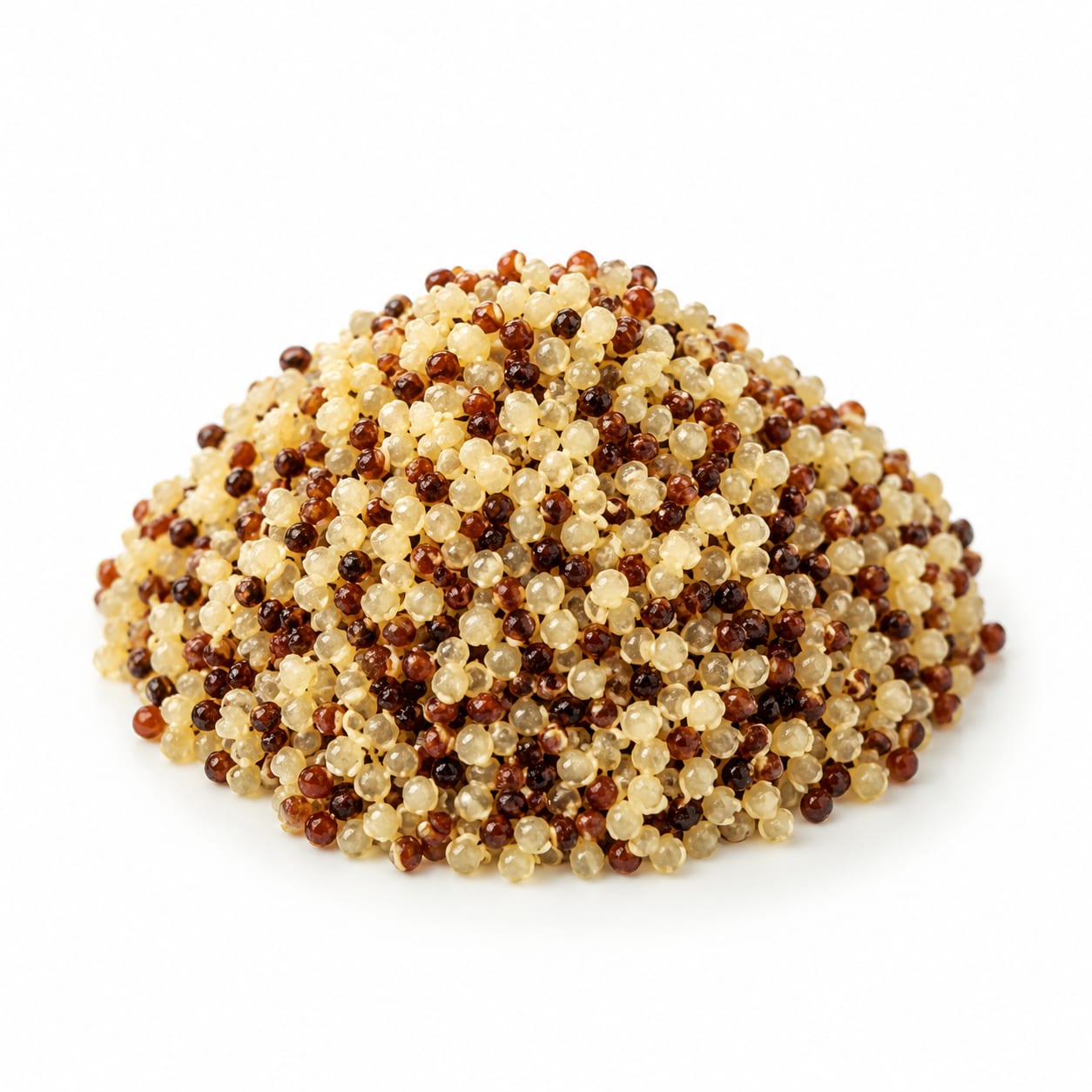
Compare with
Quinoa
Quinoa is a grain higher in carbs, while edamame is a legume higher in protein and fiber.
Edamame provides more protein and fiber with fewer carbs than quinoa, making it better for satiety and low-carb diets, though quinoa cooks faster.
This food
Edamame
VS50% alike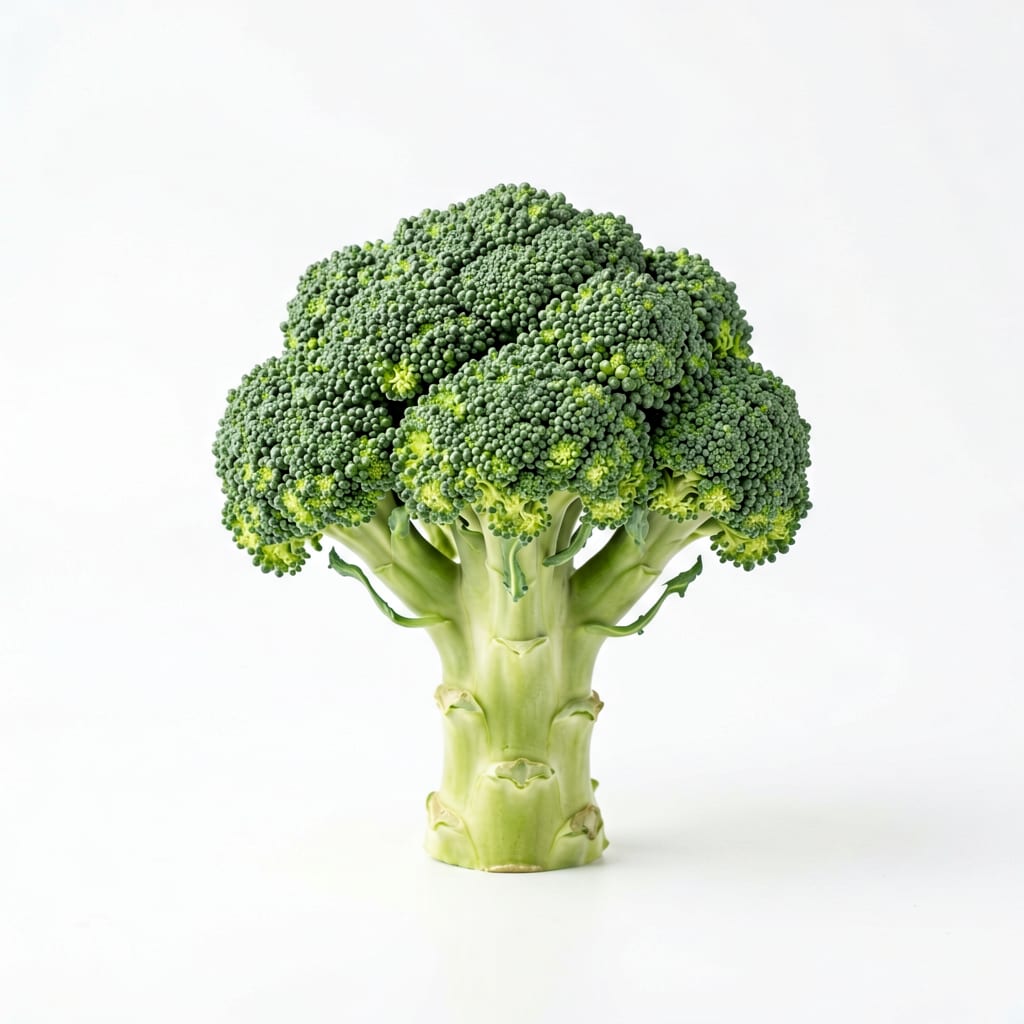
Compare with
Broccoli
Broccoli is very low in protein and calories, while edamame is a significant protein source.
Broccoli is lower in calories, but edamame provides essential protein and healthy fats, making edamame much better for satiety and muscle support.
This food
Edamame
VS60% alike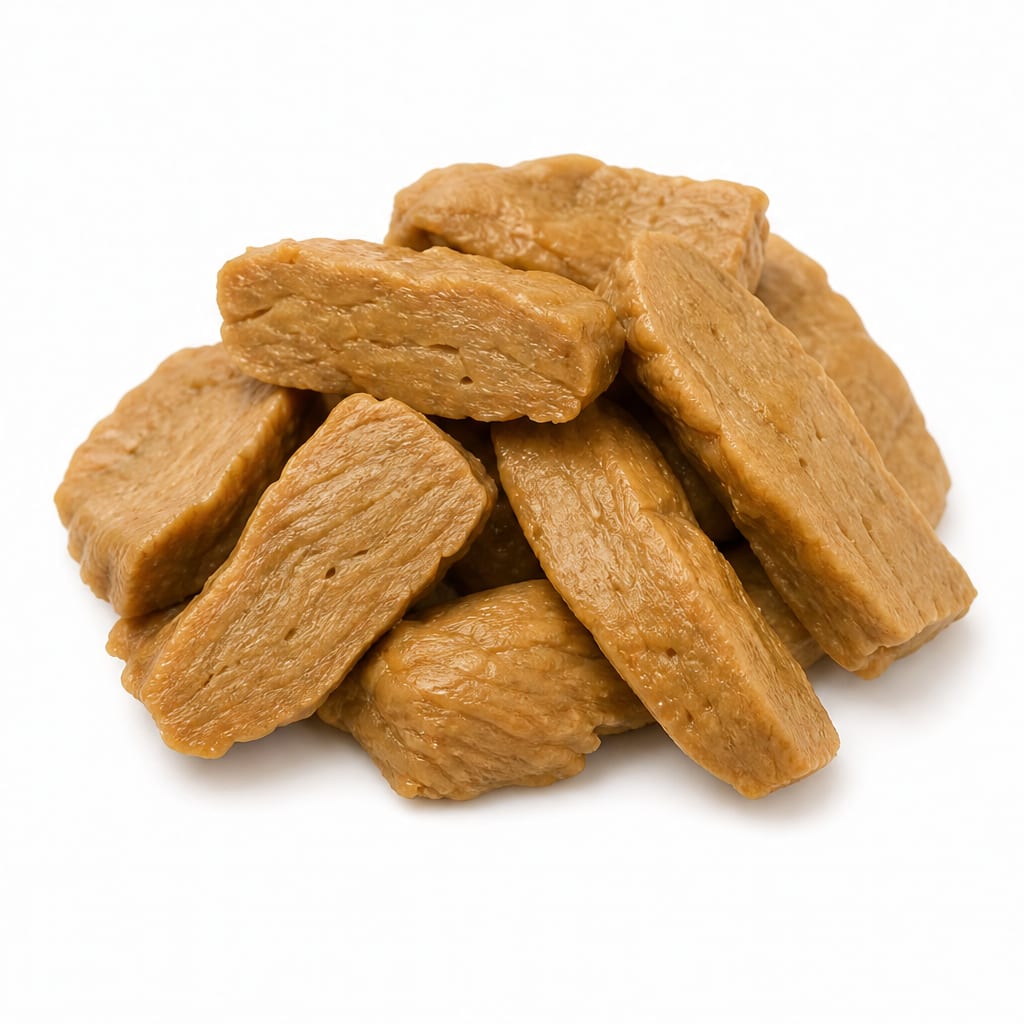
Compare with
Seitan
Seitan is extremely high in protein but low in fiber and is highly processed, while edamame is a whole food with balanced macros and high fiber.
Seitan provides more protein per gram, but edamame offers whole-food fiber, healthy fats, and superior satiety without the heavy processing.
Common questions
FAQ
Answers aligned with how people search for this food.
Is edamame good for weight loss?
Yes, edamame is excellent for weight loss. It is high in both protein and fiber, which increases feelings of fullness and helps control appetite, while being relatively low in calories.
Can diabetics eat edamame?
Yes, edamame is highly diabetic-friendly. It has a very low glycemic index and glycemic load, meaning it does not cause blood sugar spikes. The fiber and protein help stabilize blood glucose levels.
Is edamame a complete protein?
Yes, edamame is one of the few plant foods that is a complete protein, meaning it contains all nine essential amino acids your body cannot produce on its own.
Does edamame affect estrogen levels?
Edamame contains isoflavones, which are phytoestrogens. Moderate consumption does not disrupt human hormone levels and may offer protective health benefits. Studies show typical dietary amounts are safe and do not feminize men or disrupt female hormones.
Is edamame keto-friendly?
Edamame can fit into a moderate or lazy keto diet. It contains 8.9g of total carbs but 5.2g of fiber, resulting in only 3.7g of net carbs per 100g serving, making it one of the most keto-friendly legumes.
Is frozen edamame as healthy as fresh?
Yes, frozen edamame is just as healthy as fresh. It is typically flash-frozen shortly after harvesting, which locks in vitamins, minerals, and antioxidants at their peak ripeness.
How much edamame should I eat a day?
A standard healthy portion is about 1/2 to 1 cup of shelled edamame (roughly 75-150g) per day. This provides a substantial amount of protein and fiber without overconsuming calories or isoflavones.
What is the difference between edamame and soybeans?
Edamame are immature green soybeans harvested before they harden, while typical soybeans are mature, dry, and beige. Edamame is softer, sweeter, and eaten as a vegetable, whereas mature soybeans are processed into tofu, soy milk, or tempeh.
Transparency
Data confidence
Estimated confidence for nutrition data, interpretation, safety notes, and comparisons.
Nutrition data
Health analysis
Food safety
Comparisons