
Nutrition comparison
Edamame vs Broccoli: Nutrition, Protein, and Health Comparison
Compare edamame vs broccoli for protein, calories, and health benefits. Find out which is better for weight loss, muscle gain, and daily nutrition.
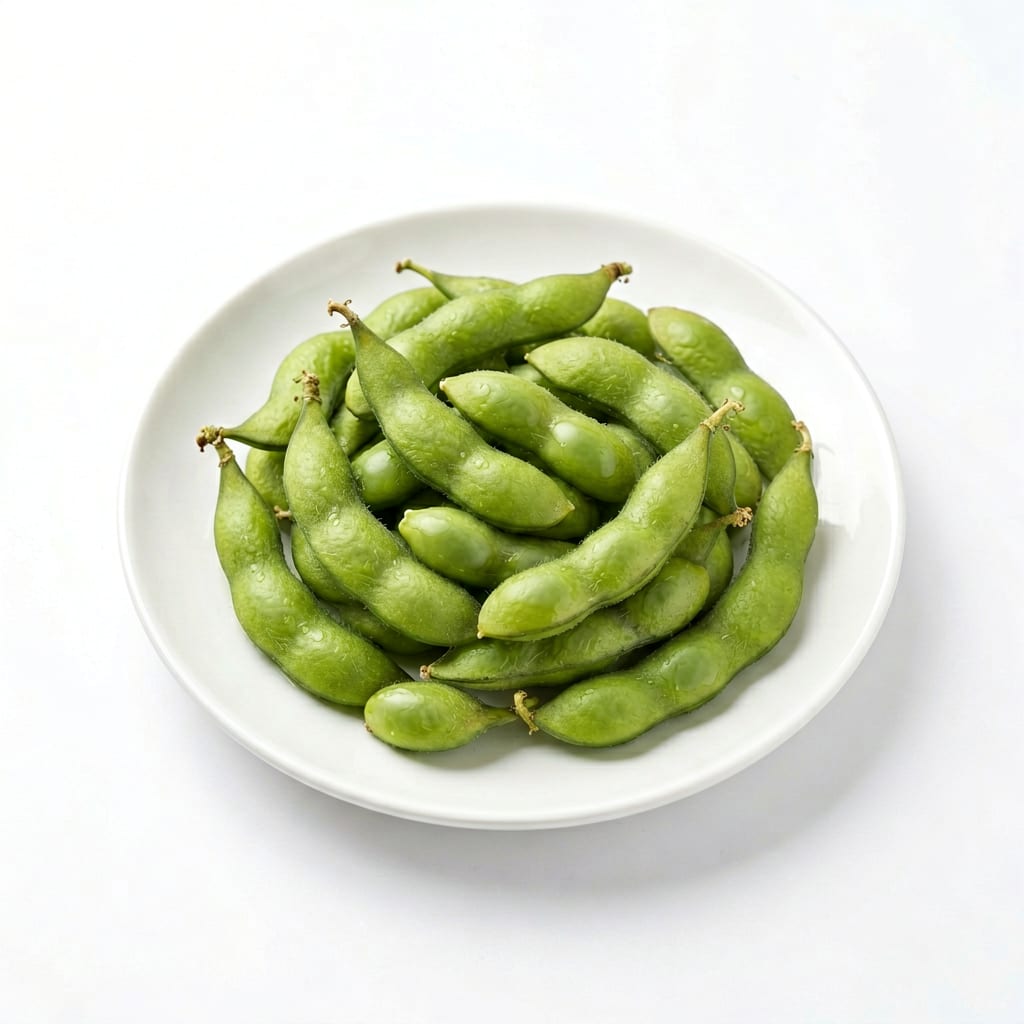
Edamame
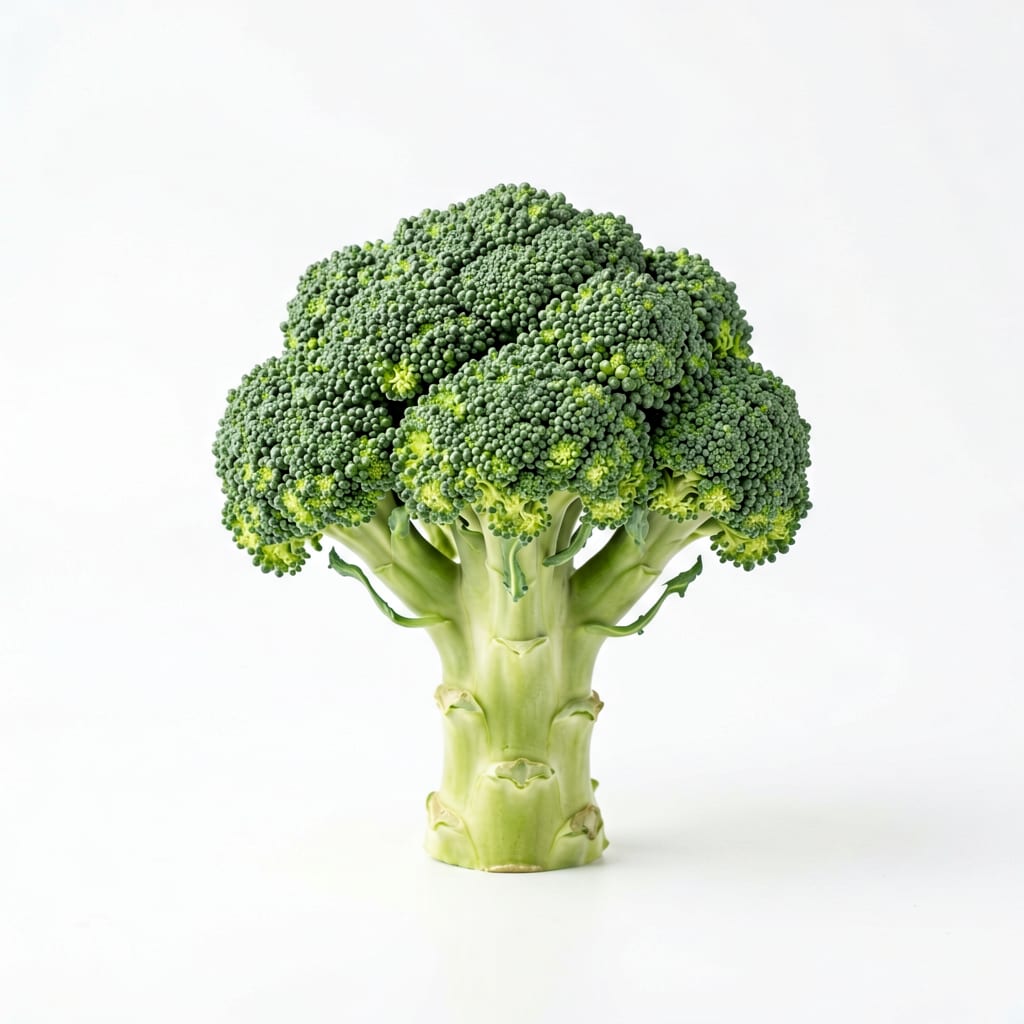
Broccoli
Edamame wins on protein and lasting fullness, but broccoli dominates in vitamin density and caloric efficiency.
Broccoli slightly edges out edamame overall due to its exceptional nutrient-to-calorie ratio and lack of soy-related controversies, though edamame remains the clear winner for plant-based protein.
Edamame offers a satisfying protein punch at a higher calorie cost, while broccoli provides massive volume and vitamins for almost no calories.
At a glance
Executive summary
Overall
It depends
Healthier
It depends
More practical
Broccoli
Daily use
Broccoli
Key comparison lenses
Plant-based protein vs. low-calorie volume
Edamame is prized for its high protein content, while broccoli is a staple for filling up on minimal calories.
Soy consumption safety and hormones
Edamame brings soy phytoestrogens and GMO concerns to the table, whereas broccoli avoids these controversies entirely.
Micronutrient profile differences
Users often compare these two to understand whether they need the iron and folate of edamame or the vitamin C and K of broccoli.
Satiety and snacking behavior
Edamame acts as a filling, savory snack, while broccoli is better for bulk eating without consequence.
Best choice for
Edamame
- Plant-based eaters needing protein
- Post-workout recovery snacking
- Curbing afternoon hunger pangs
Broccoli
- Low-calorie volume eaters
- Vitamin C and K boosts
- Balancing heavier, calorie-dense meals
Least suitable for
Edamame
- Soy allergy sufferers
- Those strictly avoiding GMOs (if non-organic)
- Very low-calorie diets
Broccoli
- High-protein dieters
- Those needing calorie density for weight gain
- People with severe IBS (when consumed raw)
Deep comparison
Dimension by dimension
Each lens scores both foods and breaks down who each option suits.
- Dimension 1 · Priority 95Edamame
Protein & Satiety
Edamame · 92Broccoli · 40Edamame delivers a rare plant-based combo of high protein and fiber, making it far more filling than broccoli.
Tradeoff
You get significantly more protein with edamame, but it comes with more calories per serving.
Why it matters
Protein is key for staying full between meals and maintaining muscle, especially on plant-based diets.
Real-world impact
A bowl of edamame keeps you full for hours; broccoli alone leaves you hunting for a protein source soon after.
Edamame
- Plant-based eaters needing protein
- Post-workout snacking
- Curbing afternoon hunger
Better for
- Strict calorie restrictors
- Soy allergy sufferers
Worse for
Broccoli
- Very low-calorie diets
- Light grazing
- Volumizing meals without adding calories
Better for
- Those needing muscle-building protein
- People who get hungry easily
Worse for
- Dimension 2 · Priority 88Broccoli
Caloric & Volume Efficiency
Edamame · 55Broccoli · 98Broccoli provides massive physical volume for almost no calories, while edamame is more calorie-dense due to its fat and protein content.
Tradeoff
Broccoli lets you eat a large volume to feel physically full, whereas edamame provides satiety through macronutrients in a smaller package.
Why it matters
If you are trying to lose weight or manage portions, volume eating can be a highly effective strategy.
Real-world impact
You can eat an entire head of broccoli for under 100 calories, but a cup of edamame runs about 200 calories.
Edamame
- Bulking up small meals
- Hikers needing calorie density
Better for
- Volume eaters
- Calorie restrictors
Worse for
Broccoli
- Weight loss diets
- Big plate satisfaction
- Late-night mindless snacking
Better for
- Those needing energy density
- Athletes in a caloric surplus
Worse for
- Dimension 3 · Priority 82Broccoli
Micronutrient Profile
Edamame · 72Broccoli · 92Broccoli is a vitamin powerhouse, especially for vitamin C and vitamin K, while edamame offers more folate and iron.
Tradeoff
Broccoli excels at immune-supporting vitamins, while edamame provides minerals more relevant to blood health and energy.
Why it matters
Vitamin C from broccoli aids iron absorption, which pairs well with the iron in edamame.
Real-world impact
Eating broccoli can help fend off a cold, while edamame helps prevent the fatigue associated with low iron.
Edamame
- Preventing iron deficiency
- Supporting prenatal health (folate)
Better for
- Those needing high vitamin C
Worse for
Broccoli
- Immune system support
- Bone health (Vitamin K)
- Antioxidant boosts
Better for
- Those needing plant-based iron and folate
Worse for
- Dimension 4 · Priority 75Broccoli
Hormonal & Anti-nutrient Concerns
Edamame · 50Broccoli · 75Edamame contains phytoestrogens and is commonly GMO, raising concerns for some, while broccoli contains goitrogens that can affect thyroid if eaten raw in extreme amounts.
Tradeoff
Edamame's soy phytoestrogens are controversial for hormone-sensitive individuals, whereas broccoli's goitrogens are mostly neutralized by cooking.
Why it matters
For people with thyroid issues or hormone sensitivities, these factors can dictate daily food choices.
Real-world impact
Someone with hypothyroidism might need to limit raw broccoli and monitor edamame, but cooking broccoli makes it safer.
Edamame
- Those without soy sensitivities
- People seeking plant-based estrogenic effects
Better for
- People with soy allergies
- Those avoiding GMOs (if not organic)
- Hormone-sensitive individuals
Worse for
Broccoli
- Those avoiding soy
- People with hormone-sensitive conditions (when cooked)
Better for
- People with severe thyroid issues (if consumed raw in large amounts)
Worse for
Timeline
Health impact over time
Short-term
Hours to days
Edamame
- Sustained energy from protein and healthy fats
- Quick satiety from a small portion
- Possible bloating if sensitive to soy
Broccoli
- Quick physical fullness from volume and fiber
- Blood sugar stabilization
- Possible gas from high fiber if digestive system is not used to it
Long-term
Months to years
Edamame
- Supports muscle maintenance and metabolic health
- May help lower cholesterol
- Potential mild hormonal effects from daily soy intake
Broccoli
- Reduced cancer risk from glucosinolates
- Stronger bones from high Vitamin K
- Better immune resilience from Vitamin C
Risk profile
Safety & processing
Both are whole, minimally processed foods. Frozen edamame and frozen broccoli are equally clean choices, though edamame should ideally be organic to avoid GMOs.
Edamame
Phytoestrogen exposure
mediumSoy isoflavones can mimic estrogen, which may affect hormone-sensitive conditions if consumed in large amounts daily.
GMO contamination
mediumThe vast majority of conventional soy is genetically modified; choosing organic edamame avoids this risk.
Allergen risk
highSoy is a top 8 allergen and can cause severe reactions in sensitive individuals.
Broccoli
Pesticide residue
mediumConventional broccoli can retain pesticide residue; washing thoroughly or buying organic minimizes this.
Goitrogenic compounds
lowRaw broccoli contains goitrogens that can interfere with thyroid function, but cooking largely deactivates them.
Who wins for whom
Audience fit
Same foods, different winners depending on your goal.
children
BroccoliBroccoli is a safer, allergy-free vegetable, though kids often find edamame fun to eat from the pod.
daily consumption
BroccoliBroccoli has fewer controversies, lower calories, and is easier to incorporate daily in large quantities.
diabetes
BroccoliBroccoli has minimal impact on blood sugar and offers high fiber with very few carbohydrates.
elderly
BroccoliCooked broccoli is easier to digest and provides crucial bone-health vitamins without the soy controversy.
muscle gain
EdamameEdamame provides a substantial plant-based protein boost necessary for muscle repair and growth.
weight loss
BroccoliBroccoli's extremely low calorie density allows for large portions that fill you up without slowing weight loss.
Your move
Decision guide
Choose Edamame
- You need more plant-based protein in your diet
- You want a savory, satisfying afternoon snack
- You are an athlete or actively lifting weights
- You tolerate soy well and want lasting fullness
Choose Broccoli
- You want to lose weight or maintain a low calorie intake
- You need an immune boost from vitamin C
- You have a soy allergy or avoid soy products
- You want a versatile, low-calorie side dish
Either works if
- You need more fiber in your diet
- You are building a healthy stir-fry
- You want whole-food nutrient density
Avoid both if
- You have severe IBS and are highly sensitive to FODMAPs
Final recommendation
Choose edamame when you need protein and lasting fullness, and choose broccoli when you want maximum nutrients and volume for minimal calories. Eating both together gives you the perfect balance of plant protein, fiber, and vitamins.
Practical
Consumer tips
- 1
Buy organic edamame to easily avoid GMO soy and pesticide concerns.
- 2
Steam or roast broccoli to neutralize goitrogens and improve digestion.
- 3
Pair broccoli with a healthy fat like olive oil to absorb its fat-soluble vitamins.
- 4
Keep frozen edamame and broccoli on hand for quick, nutritious meal additions.
- 5
If you have a soy sensitivity, swap edamame for roasted chickpeas to get a similar protein crunch.