
Nutrition comparison
Edamame vs Chickpeas: Nutrition, Protein, and Health Comparison
Compare edamame vs chickpeas to see which legume is better for your goals. Learn about protein quality, fiber, blood sugar impact, and the best uses for each.
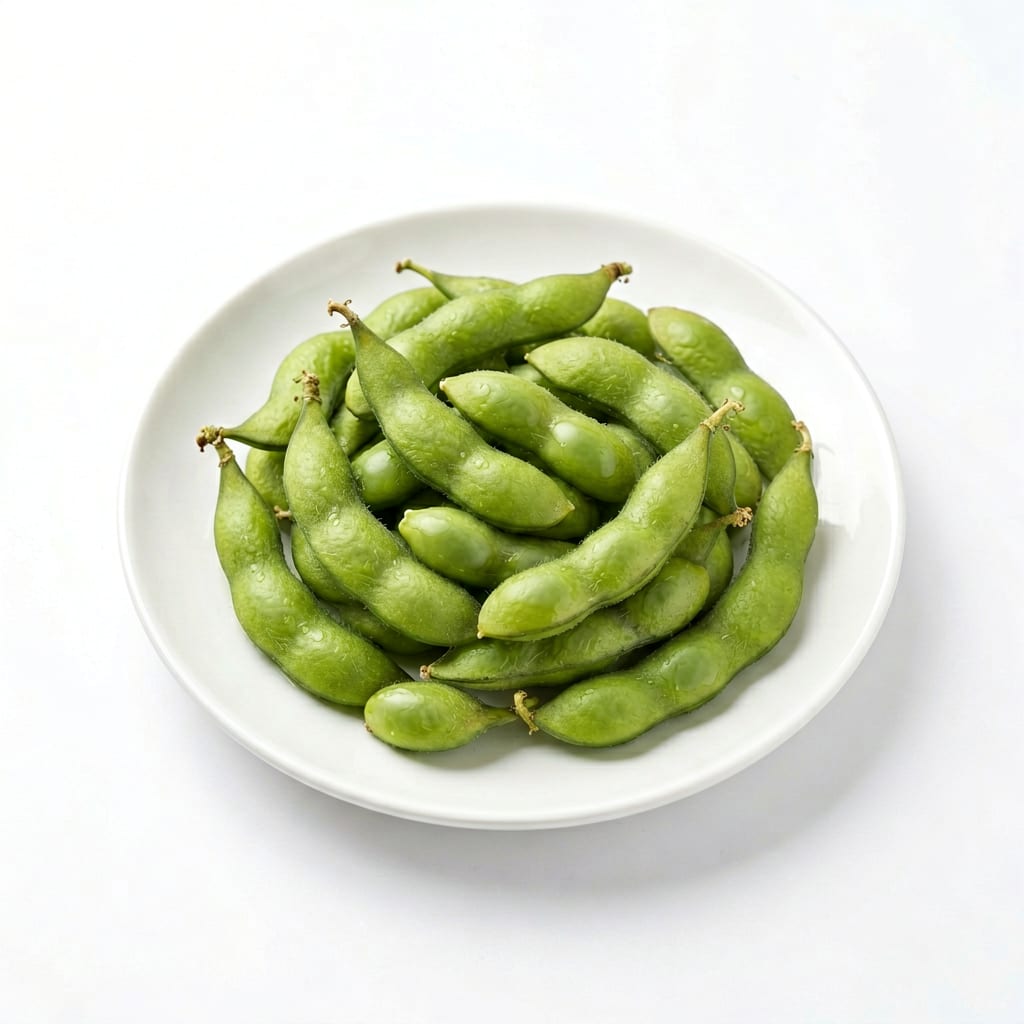
Edamame
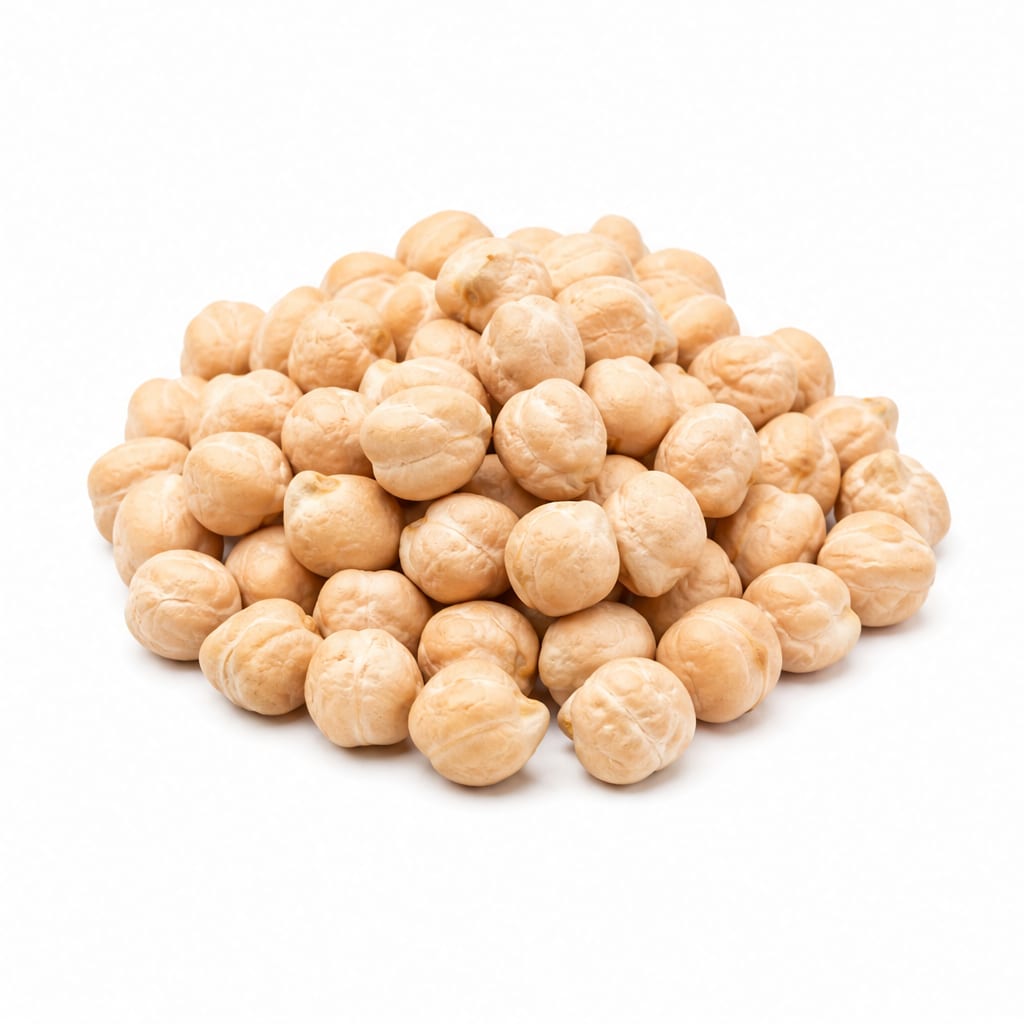
Chickpeas
Edamame delivers more protein with fewer carbs, while chickpeas offer more fiber and culinary flexibility at a lower cost.
Edamame and chickpeas are both nutritional powerhouses, but edamame edges ahead slightly for protein quality and blood sugar impact, while chickpeas win on fiber and versatility, making them nearly tied depending on your dietary goals.
Complete protein and low carbs versus higher fiber, complex carbs, and broader recipe adaptability.
At a glance
Executive summary
Overall
It depends
Healthier
It depends
More practical
Chickpeas
Daily use
It depends
Key comparison lenses
Plant-based protein quality and completeness
Edamame is one of the few complete plant proteins, while chickpeas require pairing for a full amino acid profile.
Carbohydrate and blood sugar management
Edamame is much lower in net carbs, making it a frequent choice for low-carb dieters, whereas chickpeas are a dense carb source.
Digestive tolerance and FODMAP sensitivity
Chickpeas are high in fiber and FODMAPs, often causing bloating, while edamame is typically easier on the gut.
Hormonal effects of soy consumption
Edamame contains phytoestrogens, which are beneficial for many but a concern for those with specific hormone-sensitive conditions.
Best choice for
Edamame
- Low-carb eaters
- People needing complete plant protein
- Those seeking a light, savory snack
Chickpeas
- Meal preppers
- Budget-conscious households
- Endurance athletes needing complex carbs
Least suitable for
Edamame
- People with soy allergies or sensitivities
- Those avoiding phytoestrogens
- Strict low-fat dieters
Chickpeas
- Strict low-carb dieters
- People highly sensitive to FODMAPs
- Those wanting a quick ready-to-eat snack without cooking
Deep comparison
Dimension by dimension
Each lens scores both foods and breaks down who each option suits.
- Dimension 1 · Priority 95Edamame
Protein Quality & Muscle Support
Edamame · 92Chickpeas · 75Edamame is a complete protein with all essential amino acids, offering significantly more protein per serving than chickpeas.
Tradeoff
You get a superior amino acid profile with edamame, but chickpeas still provide respectable protein alongside more carbohydrates for energy.
Why it matters
Complete proteins are rarer in the plant world and crucial for muscle repair and retention.
Real-world impact
If you are relying mostly on plants for protein, edamame makes hitting your amino acid needs much easier.
Edamame
- Vegans needing complete proteins
- Post-workout recovery
- Maintaining muscle on a plant-based diet
Better for
- Those who find soy difficult to digest
Worse for
Chickpeas
- Balancing protein with sustained energy
- Bulking up meals cheaply
Better for
- People tracking macros who need high protein without high carbs
Worse for
- Dimension 2 · Priority 90Edamame
Blood Sugar & Carbohydrate Impact
Edamame · 88Chickpeas · 78Edamame is much lower in net carbs, making it far friendlier for blood sugar management and low-carb diets.
Tradeoff
Chickpeas provide slow-burning complex carbs great for energy, but the higher carb load requires more insulin response.
Why it matters
Managing blood sugar spikes is key to avoiding afternoon energy crashes and long-term metabolic issues.
Real-world impact
Snacking on edamame won't cause the slight carb crash that a large portion of chickpeas might.
Edamame
- Keto or low-carb diets
- Diabetics managing blood sugar
- Evening snacking without insulin spikes
Better for
- Athletes needing quick glycogen replenishment
Worse for
Chickpeas
- Carb-loading before endurance events
- Fueling active lifestyles
Better for
- Sedentary individuals watching carb intake
- People with severe insulin resistance
Worse for
- Dimension 3 · Priority 85Chickpeas
Digestive Health & Fiber
Edamame · 75Chickpeas · 90Chickpeas are significantly higher in fiber, promoting better gut health and more sustained fullness.
Tradeoff
The high fiber in chickpeas is amazing for your gut but can cause bloating if you aren't used to it, whereas edamame is generally easier on the stomach.
Why it matters
A diverse, well-fed gut microbiome is foundational for immunity and mood regulation.
Real-world impact
A chickpea-heavy salad will keep you full for hours, but might require a period of adjustment to avoid gas.
Edamame
- People with sensitive stomachs who still want fiber
- Low-FODMAP diet followers in small amounts
Better for
- Those needing massive fiber intake to stay regular
Worse for
Chickpeas
- Improving gut microbiome diversity
- Curing persistent constipation
- Staying full between meals
Better for
- People prone to severe bloating or IBS
Worse for
- Dimension 4 · Priority 80Chickpeas
Culinary Versatility & Convenience
Edamame · 70Chickpeas · 92Chickpeas can be transformed into hummus, roasted for crunch, or added to stews, making them a kitchen staple.
Tradeoff
Edamame is mostly limited to side dishes or snack bowls, while chickpeas can serve as a base, thickener, or main event.
Why it matters
You are more likely to eat healthy foods that fit easily into your favorite recipes.
Real-world impact
You can throw canned chickpeas into almost any meal, but edamame usually requires a specific Asian-inspired dish or a simple snack presentation.
Edamame
- Quick, no-cook snacking
- Adding to poke bowls or stir-fries
Better for
- Someone who gets bored eating the same textures
- Cooking for picky eaters
Worse for
Chickpeas
- Meal prepping for the week
- Making dips and spreads
- Creating textured plant-based meals
Better for
- Situations requiring a light, fresh side dish
Worse for
- Dimension 5 · Priority 75It depends
Phytonutrients & Hormonal Effects
Edamame · 85Chickpeas · 80Edamame contains isoflavones which may benefit heart and bone health, while chickpeas offer unique antioxidants that support blood vessel function.
Tradeoff
Soy isoflavones act as mild phytoestrogens, which are beneficial for most but controversial for those with specific hormone-sensitive conditions.
Why it matters
The long-term protective effects of plant compounds are a major reason to eat legumes in the first place.
Real-world impact
Eating edamame regularly might ease menopause symptoms for some, but could be a concern for those avoiding soy for thyroid or hormonal reasons.
Edamame
- Women looking for natural menopause support
- People seeking heart-healthy fats
Better for
- People with a history of estrogen-receptor positive breast cancer
- Those with hypothyroidism on medication
Worse for
Chickpeas
- Those avoiding soy entirely
- Men concerned about phytoestrogen intake
Better for
- Those specifically seeking the unique vascular benefits of soy isoflavones
Worse for
Timeline
Health impact over time
Short-term
Hours to days
Edamame
- Quick, steady energy without a carb crash
- High satiety from protein and fat
- Mild bloating if eating too fast
Chickpeas
- Very sustained fullness from high fiber
- Potential gas or bloating if unaccustomed
- Solid energy for physical labor or workouts
Long-term
Months to years
Edamame
- Supports muscle maintenance due to complete protein
- May improve cholesterol levels
- Isoflavones could support bone density
Chickpeas
- Excellent for digestive regularity and gut health
- Helps maintain stable blood sugar over time
- Supports healthy weight management through high fiber
Risk profile
Safety & processing
Both are whole foods in their natural state, though canned chickpeas may contain added salt, and frozen edamame might be pre-cooked.
Edamame
Soy allergy
highSoy is a top 8 allergen; reactions can be severe for sensitive individuals.
Phytoestrogen interaction
mediumMay interfere with thyroid medication or hormone-sensitive conditions if consumed in excess.
Chickpeas
Digestive distress
mediumHigh FODMAP content can cause significant bloating, gas, and stomach cramps in sensitive people.
Canned sodium
lowCanned versions often contain high sodium; rinsing helps but doesn't remove it all.
Who wins for whom
Audience fit
Same foods, different winners depending on your goal.
children
ChickpeasHummus or roasted chickpeas are often more palatable and fun for kids, and the soy/phytoestrogen debate makes some parents cautious about edamame.
daily consumption
ChickpeasChickpeas are cheaper, integrate into more meals, and lack the hormonal controversies of daily soy consumption.
diabetes
EdamameSignificantly lower in net carbs and higher in protein, leading to a gentler impact on blood sugar.
elderly
ChickpeasThe exceptional fiber in chickpeas combats common age-related constipation, and hummus is easy to chew and digest.
muscle gain
EdamameEdamame is a complete protein, making it more effective for muscle repair and growth compared to chickpeas.
weight loss
EdamameEdamame provides more protein and fewer carbs, which helps preserve muscle and control hunger with fewer calories from carbohydrates.
Your move
Decision guide
Choose Edamame
- You are on a low-carb or keto-friendly diet
- You need a high-quality, complete plant protein
- You want a light, savory snack that won't spike your blood sugar
- You are focused on muscle retention while eating plant-based
Choose Chickpeas
- You need budget-friendly, bulk calories and nutrients
- You want to improve your digestion and gut health
- You love cooking diverse recipes like curries, stews, and dips
- You are an endurance athlete needing complex carbohydrates
Either works if
- You just want a healthy, whole-food plant-based side dish
- You are trying to eat more legumes for heart health
Avoid both if
- You have severe IBS or are in the elimination phase of a low-FODMAP diet
- You have legume allergies
Final recommendation
Keep both in your rotation. Use edamame when you need a protein-heavy, low-carb snack or side, and rely on chickpeas when you need filling, fiber-rich meals that stretch your grocery budget.
Practical
Consumer tips
- 1
Buy frozen shelled edamame for the fastest prep—just microwave for 2 minutes.
- 2
Always rinse canned chickpeas thoroughly to remove about 40% of the sodium.
- 3
If chickpeas make you bloated, start with small portions and increase gradually to let your gut adapt.
- 4
Look for dry roasted edamame as a crunchy, shelf-stable snack, but watch the added salt.
- 5
Cook chickpeas from scratch in an Instant Pot for the best texture and lowest cost.