
Nutrition comparison
Edamame vs Black Beans: Protein, Fiber, and Nutrition Comparison
Compare edamame and black beans on protein quality, fiber, calories, and health benefits. Find out which is better for weight loss, muscle gain, and daily meals.
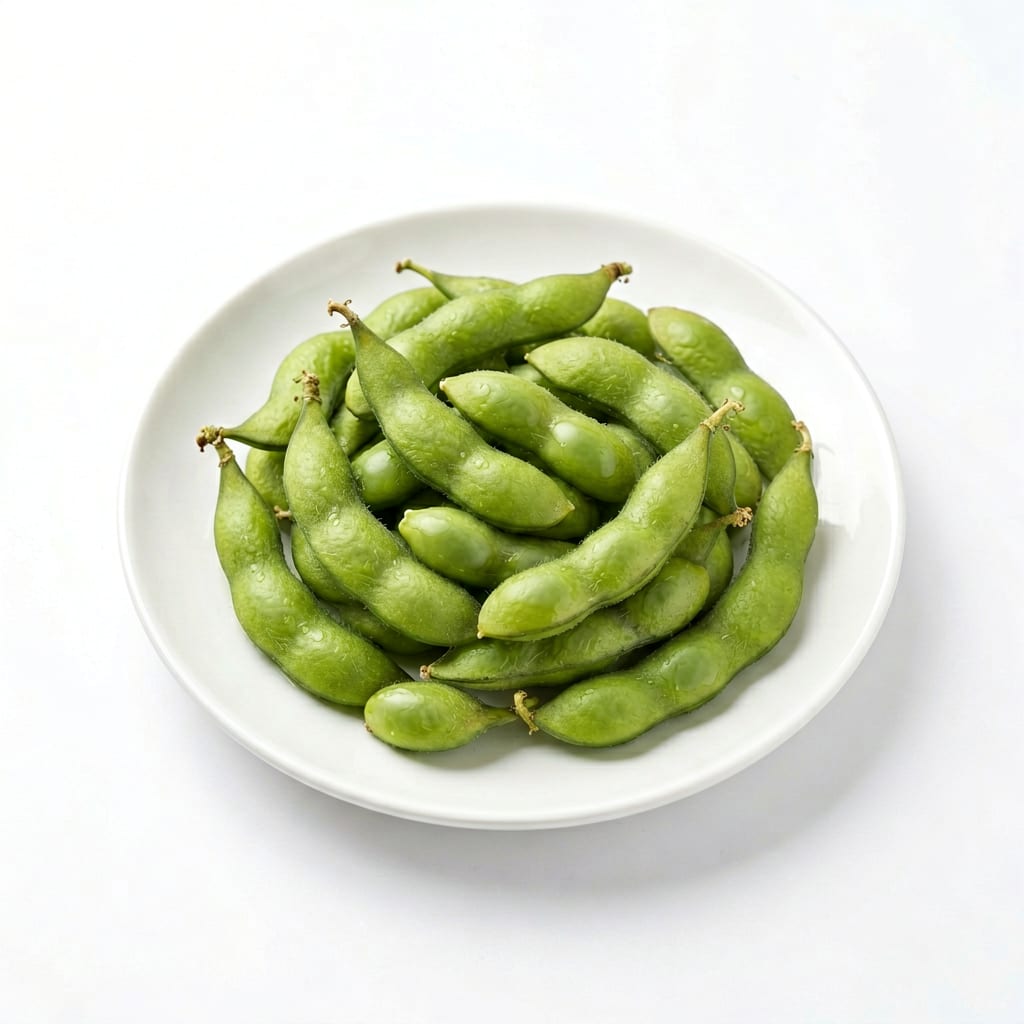
Edamame
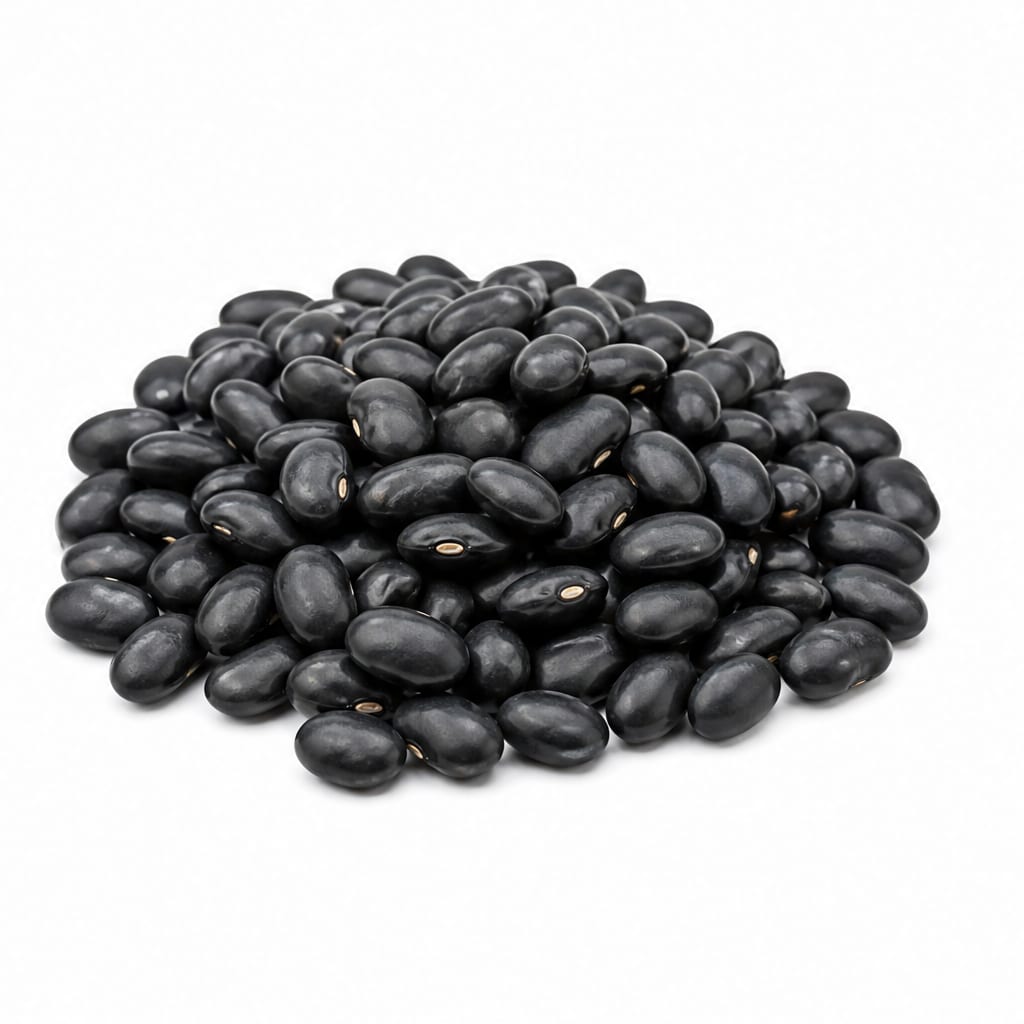
Black Beans
Edamame wins on protein quality and lower calories; black beans win on fiber, iron, and meal versatility. Your choice depends on whether you need a protein-rich snack or a filling meal base.
Black beans edge ahead slightly due to superior fiber, mineral content, and meal versatility. Edamame's complete protein and lower calorie profile keep it competitive, especially as a snack. The close scores reflect that both are excellent choices serving different needs.
Complete protein and lighter eating with edamame versus deeper fullness and stronger mineral nutrition with black beans.
At a glance
Executive summary
Overall
It depends
Healthier
It depends
More practical
Black Beans
Daily use
Black Beans
Key comparison lenses
plant protein source selection
Both are top plant proteins but differ significantly in amino acid completeness and protein density
meal vs snack usage
Edamame is typically a snack or side, while black beans anchor entire meals
fiber and digestive health
Black beans deliver substantially more fiber, impacting fullness and gut health differently
weight management strategy
Calorie density and satiety profiles differ enough to influence weight loss approaches
soy vs legume health concerns
Edamame's isoflavones raise unique questions about hormonal effects that black beans avoid
Best choice for
Edamame
- Snack-focused eaters wanting protein without heaviness
- People needing complete protein on plant-based diets
- Anyone watching calorie intake closely
- Those wanting quick prep with minimal cooking
Black Beans
- Meal builders needing a filling, affordable staple
- People prioritizing digestive health and fiber intake
- Anyone needing more iron and magnesium
- Budget-conscious eaters wanting maximum nutrition per dollar
Least suitable for
Edamame
- People with soy allergies or sensitivities
- Those concerned about phytoestrogen effects
- Anyone wanting a hearty, meal-satisfying base
- Budget-limited households
Black Beans
- People prone to bloating or gas from high-fiber foods
- Those wanting a light, low-calorie snack
- Anyone needing quick-prep options without cooking
- People avoiding higher carbohydrate intake
Deep comparison
Dimension by dimension
Each lens scores both foods and breaks down who each option suits.
- Dimension 1 · Priority 95Edamame
Protein Quality and Density
Edamame · 88Black Beans · 72Edamame provides all nine essential amino acids in a single food, making it a rare complete plant protein. Black beans fall short on methionine and need grain pairing for completeness.
Tradeoff
Edamame gives you complete protein effortlessly, but black beans offer more total protein per typical serving when paired with rice.
Why it matters
If you eat limited protein sources, completeness matters more. If you eat varied meals, pairing black beans with grains solves the gap easily.
Real-world impact
A bowl of edamame after a workout covers your amino acid needs alone. Black beans need rice or tortillas to do the same job.
Edamame
- Post-workout recovery when eaten alone
- Simpler meal planning for plant-based beginners
- Snacking without needing complementary foods
Better for
- Situations requiring large protein amounts per serving
Worse for
Black Beans
- Traditional meal combinations like beans and rice
- Higher total protein intake across a full meal
Better for
- Standalone protein snacking without complementary foods
Worse for
- Dimension 2 · Priority 90Black Beans
Fiber and Satiety
Edamame · 65Black Beans · 92Black beans deliver roughly double the fiber per serving, creating longer-lasting fullness and better gut health support. Edamame provides decent fiber but cannot compete here.
Tradeoff
Black beans keep you full for hours but may cause bloating. Edamame is gentler on digestion but leaves you hungry sooner.
Why it matters
If staying full between meals is a struggle, black beans solve it more effectively. If you prefer lighter eating, edamame feels more comfortable.
Real-world impact
A black bean lunch keeps you satisfied until dinner. An edamame snack might have you reaching for food again within two hours.
Edamame
- People with sensitive digestion who find high-fiber foods uncomfortable
- Light eaters who dislike feeling overly full
Better for
- Long gaps between meals where sustained energy matters
Worse for
Black Beans
- Anyone trying to reduce snacking between meals
- Weight loss efforts relying on natural appetite suppression
- Gut health optimization through prebiotic fiber
Better for
- Social situations where bloating or gas would be embarrassing
Worse for
- Dimension 3 · Priority 85Edamame
Calorie Density and Weight Management
Edamame · 86Black Beans · 68Edamame delivers more protein per calorie, making it easier to stay within calorie limits while meeting protein needs. Black beans are more calorie-dense due to higher carbs.
Tradeoff
Edamame lets you eat more volume for fewer calories, but black beans keep you fuller longer per serving despite the higher calorie count.
Why it matters
For strict calorie counting, edamame is more efficient. For intuitive eating where fullness prevents overeating, black beans may actually serve you better.
Real-world impact
You can eat a full cup of edamame for under 200 calories. A cup of black beans runs closer to 230 calories but might prevent a 400-calorie snack attack later.
Edamame
- Calorie-counting approaches to weight loss
- Multiple small meals throughout the day
- Evening snacking where lighter options feel better
Better for
- Situations where one meal needs to carry you for 5+ hours
Worse for
Black Beans
- Fewer meals where each one needs to sustain you longer
- Intuitive eating where fullness naturally limits portions
Better for
- Strict calorie budgets where every calorie must be maximized for protein
Worse for
- Dimension 4 · Priority 82Black Beans
Micronutrient Profile
Edamame · 73Black Beans · 85Black beans dominate in iron, magnesium, potassium, and folate. Edamame counters with vitamin K and more vitamin C, but the mineral advantage is decisive.
Tradeoff
Black beans are clearly superior for minerals, especially iron. Edamame provides some nutrients black beans lack but cannot match the overall mineral density.
Why it matters
Iron deficiency is common, especially for plant-based eaters. Black beans meaningfully help close that gap. Edamame's vitamin K supports bone health but is easier to get from greens.
Real-world impact
Regular black bean consumption can noticeably improve iron intake on a plant-based diet. Edamame helps but cannot be your primary iron strategy.
Edamame
- Bone health support through vitamin K
- Those already getting adequate iron from other sources
Better for
- Reliance on it as a primary mineral source
Worse for
Black Beans
- Plant-based eaters needing iron support
- Anyone with magnesium deficiency concerns
- Pregnant women needing extra folate
Better for
- Situations where vitamin K intake is specifically needed
Worse for
- Dimension 5 · Priority 78Black Beans
Convenience and Versatility
Edamame · 70Black Beans · 82Black beans integrate into far more dishes across more cuisines. Edamame is more limited in culinary use but requires less preparation when eaten as a simple snack.
Tradeoff
Edamame is faster as a standalone snack. Black beans are far more versatile as a meal ingredient across soups, bowls, tacos, and sides.
Why it matters
If you cook regularly, black beans become a kitchen staple. If you need grab-and-go options, edamame in pods is surprisingly convenient.
Real-world impact
Black beans work in burritos, soups, salads, dips, and grain bowls. Edamame mostly works as a side dish or snack, with fewer recipe applications.
Edamame
- Quick snacking straight from steamer bags
- Minimal cleanup meals for busy people
- Appetizer or side dish situations
Better for
- Building complete meals around it as a main ingredient
Worse for
Black Beans
- Cooking diverse meals throughout the week
- Batch meal prep where one ingredient serves multiple dishes
- Budget cooking where versatility maximizes value
Better for
- Instant snacking without any cooking or prep
Worse for
- Dimension 6 · Priority 80Black Beans
Blood Sugar Stability
Edamame · 72Black Beans · 83Black beans have a lower glycemic index and more fiber to slow glucose absorption. Edamame is still excellent for blood sugar but has slightly less fiber buffer.
Tradeoff
Both are strong choices for blood sugar management. Black beans simply offer more fiber protection against glucose spikes, while edamame's lower carb content also helps.
Why it matters
For diabetes management or energy stability, both foods outperform most alternatives. Black beans provide an extra margin of safety through higher fiber.
Real-world impact
A black bean meal produces a slower, steadier blood sugar curve. Edamame produces a gentle curve too, but with slightly less dampening effect.
Edamame
- Lower-carb eating approaches where total carbs matter more than glycemic response
- Snacking situations where a small amount is consumed
Better for
- Meals where maximum fiber protection against blood sugar spikes is needed
Worse for
Black Beans
- Diabetes management where maximum glucose stability is the priority
- Preventing afternoon energy crashes after lunch
Better for
- Very low-carb diets where even complex carbs are restricted
Worse for
- Dimension 7 · Priority 70It depends
Hormonal and Phytochemical Considerations
Edamame · 65Black Beans · 75Edamame contains isoflavones that may benefit some people but concern others. Black beans contain anthocyanins without hormonal questions, making them simpler to recommend broadly.
Tradeoff
Edamame's isoflavones may support bone health and reduce hot flashes for some, but raise questions for those with hormone-sensitive conditions. Black beans offer antioxidants without the ambiguity.
Why it matters
Most people can eat edamame without issues, but those with thyroid conditions or hormone-sensitive cancers should consult their doctor. Black beans carry no such concerns.
Real-world impact
A few servings of edamame weekly is fine for most people. Daily large servings might warrant a conversation with your doctor if you have hormonal concerns.
Edamame
- Postmenopausal women who may benefit from isoflavones
- People seeking possible bone density support
Better for
- History of estrogen-sensitive cancers without medical clearance
- Thyroid conditions requiring iodine monitoring
Worse for
Black Beans
- Anyone with hormone-sensitive conditions wanting to avoid phytoestrogens
- People who prefer foods without any hormonal ambiguity
- Thyroid patients under medical guidance
Better for
- Situations where isoflavone benefits are specifically desired
Worse for
Timeline
Health impact over time
Short-term
Hours to days
Edamame
- Quick protein satisfaction without heaviness
- Light energy boost suitable for afternoon slumps
- Minimal bloating compared to other legumes
- Easy to eat in controlled portions
Black Beans
- Strong and lasting fullness after meals
- Possible gas or bloating if you increase intake too quickly
- Steady energy release over several hours
- Better blood sugar control after eating
Long-term
Months to years
Edamame
- Consistent complete protein intake supporting muscle maintenance
- Isoflavones may support bone density and cardiovascular health
- Lower calorie intake pattern if replacing denser snacks
- Possible thyroid interaction with very high daily consumption
Black Beans
- Substantial fiber intake supporting gut microbiome diversity
- Improved iron stores, especially valuable for plant-based eaters
- Better long-term blood sugar regulation and diabetes risk reduction
- Anthocyanin antioxidants supporting cardiovascular health
Risk profile
Safety & processing
Both foods are whole, minimally processed options. Frozen edamame and dried black beans are about as natural as it gets. Canned black beans may contain added sodium, so rinsing or choosing low-sodium versions is worthwhile.
Edamame
Soy allergy reactions
highSoy is a top eight allergen. Reactions can range from mild hives to anaphylaxis in sensitive individuals.
Pesticide residue on conventional edamame
mediumSoy is a commonly sprayed crop. Choosing organic edamame significantly reduces exposure.
GMO concerns
lowMost US soy is genetically modified. Organic edamame guarantees non-GMO, which matters to some consumers.
Black Beans
BPA exposure from canned varieties
mediumCanned black beans may contain BPA from can linings. Choosing dried beans or BPA-free cans avoids this.
Sodium in canned beans
mediumCanned black beans can contain 400-500mg sodium per serving. Rinsing removes about 40%, or choose low-sodium versions.
Lectin content in undercooked beans
lowRaw or undercooked black beans contain phytohemagglutinin, which can cause nausea. Proper cooking eliminates this risk entirely.
Who wins for whom
Audience fit
Same foods, different winners depending on your goal.
children
Black BeansBlack beans are easier to incorporate into kid-friendly meals like quesadillas and soups. Edamame's choking hazard from pods and soy allergy risk make it slightly less suitable for young children.
daily consumption
Black BeansBlack beans integrate into more meals without repetition fatigue, offer broader mineral nutrition, and carry no hormonal concerns with daily use. Edamame daily is fine for most but requires more caution.
diabetes
Black BeansHigher fiber and lower glycemic index give black beans a stronger edge for glucose stability, though both are excellent choices compared to most foods.
elderly
Black BeansBlack beans provide more iron, folate, and fiber, which are commonly deficient in older adults. The higher fiber also supports the digestive regularity concerns common with aging.
muscle gain
EdamameEdamame's complete amino acid profile supports muscle protein synthesis more directly. Black beans need complementary proteins to achieve the same effect.
weight loss
It dependsEdamame is better for calorie-controlled snacking. Black beans are better for meal-based fullness that prevents overeating. Both work depending on your weight loss style.
Your move
Decision guide
Choose Edamame
- You want a protein-rich snack that does not sit heavy
- You are plant-based and need a complete protein source
- You are counting calories and want maximum protein per calorie
- You enjoy eating something light between meals
- You have no soy allergy or hormonal concerns
Choose Black Beans
- You want a filling meal base that keeps you satisfied for hours
- You need more iron, magnesium, or folate in your diet
- You cook regularly and want a versatile pantry staple
- You are managing blood sugar or diabetes
- You are budget-conscious and want maximum nutrition per dollar
Either works if
- You simply want more plant protein in your diet
- You are looking to reduce meat consumption
- You want minimally processed whole food options
- You are building a plant-based pantry from scratch
Avoid both if
- You have severe legume allergies
- You are on a very low-carb or ketogenic diet
- You have acute digestive conditions requiring low-fiber diets temporarily
Final recommendation
Keep both in your kitchen. Use edamame when you need a lighter protein snack or quick side dish. Use black beans when you need a hearty, filling meal with lasting energy. They complement each other perfectly across different eating occasions, and together they cover nearly every nutritional base a plant-based eater needs.
Practical
Consumer tips
- 1
Buy frozen edamame in pods for snacking or shelled for adding to dishes. Both are equally nutritious.
- 2
Rinse canned black beans thoroughly to remove about 40% of the sodium and reduce gassiness.
- 3
Soak dried black beans overnight and cook from scratch for the best flavor, texture, and sodium control.
- 4
If soy concerns you, choose organic edamame to avoid GMOs and reduce pesticide exposure.
- 5
Introduce black beans gradually if you are not used to high-fiber foods. Start with half-cup servings and increase over a week.
- 6
Edamame steams in 3-5 minutes from frozen, making it one of the fastest whole-food proteins available.
- 7
Pair black beans with vitamin C sources like bell peppers or tomatoes to dramatically improve iron absorption.
- 8
Season edamame simply with sea salt, or try chili flakes and lime for a more flavorful snack.