
Nutrition comparison
Edamame vs Tempeh: Which Soy Protein Is Better for You?
Compare edamame and tempeh on protein, digestion, fiber, and convenience. Learn when to choose each and why fermentation makes tempeh easier to absorb.

Edamame
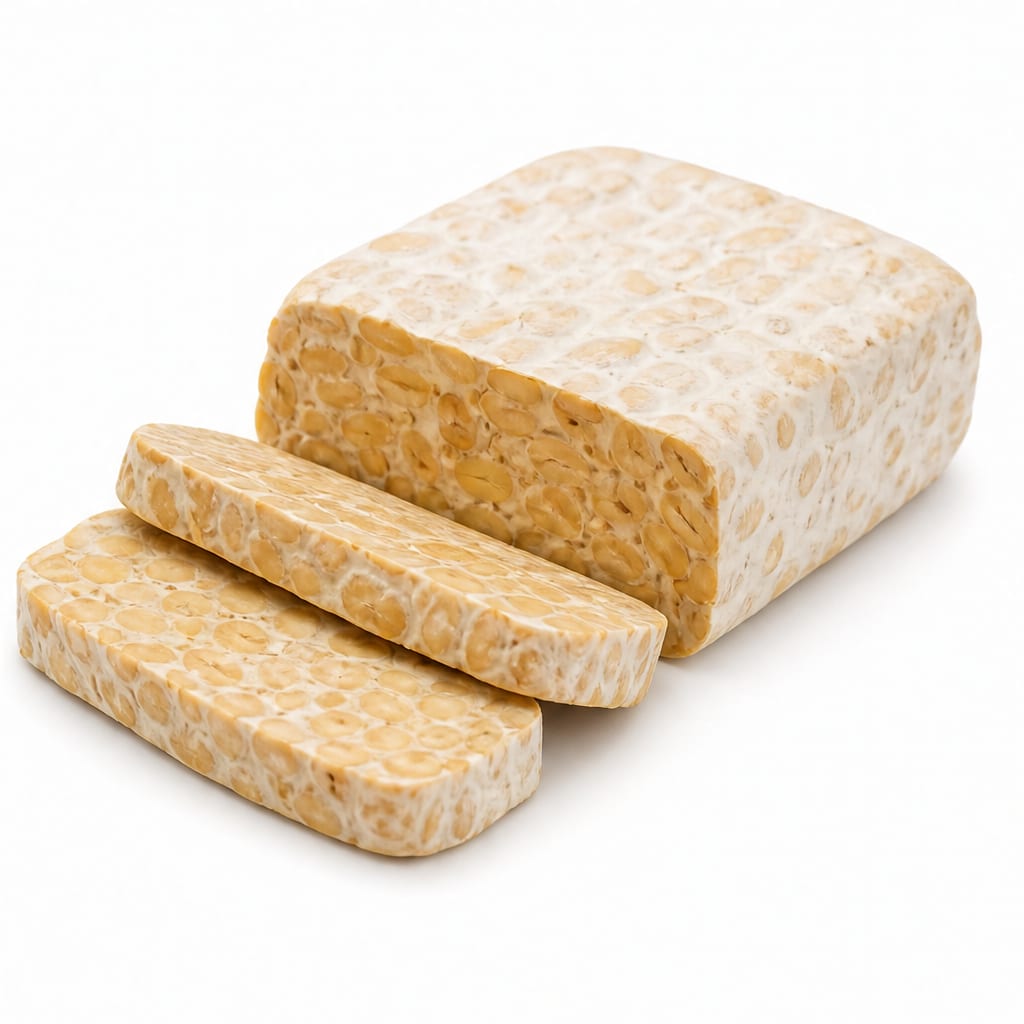
Tempeh
Tempeh delivers more protein and better absorption through fermentation, but edamame offers a cleaner whole-food experience with more fiber and less processing.
Tempeh edges ahead due to superior protein density, fermentation benefits, and better mineral absorption. Edamame stays competitive as a less processed whole food with higher fiber per calorie. The gap is modest because both are excellent choices.
Fermented density versus whole-food simplicity — tempeh gives you more protein per bite and easier digestion, while edamame keeps you closer to the natural bean with fewer steps between farm and plate.
At a glance
Executive summary
Overall
It depends
Healthier
It depends
More practical
Edamame
Daily use
Tempeh
Key comparison lenses
protein source quality for plant based eaters
Both are top-tier soy protein sources, but users want to know which delivers protein more effectively
fermentation and digestive benefits
Tempeh is fermented while edamame is not, creating a major digestibility and gut health distinction
whole food naturalness vs functional processing
Edamame is a whole intact food while tempeh involves culturing and pressing, raising naturalness questions
satiety and meal replacement potential
Users choosing between these often want to know which keeps them fuller as a main protein
antinutrient and absorption concerns
Raw soy contains phytates and lectins; fermentation changes this significantly
Best choice for
Edamame
- Snackers wanting a light, whole-food protein option
- People avoiding any fermented or cultured foods
- Those tracking fiber intake closely
- Anyone wanting minimal processing with recognizable ingredients
Tempeh
- Plant-based eaters needing concentrated protein for meals
- People with sensitive digestion who benefit from pre-digested protein
- Anyone meal-prepping main dishes for the week
- Those seeking probiotic and fermented food benefits
Least suitable for
Edamame
- People needing high protein in small portions
- Those wanting a main dish centerpiece rather than a side
Tempeh
- Anyone with histamine intolerance from fermented foods
- People wanting a quick no-cook snack option
Deep comparison
Dimension by dimension
Each lens scores both foods and breaks down who each option suits.
- Dimension 1 · Priority 95Tempeh
Protein Density and Quality
Edamame · 62Tempeh · 91Tempeh packs roughly 31g of protein per cup versus edamame's 17g, making it far more efficient for hitting protein targets.
Tradeoff
You get more protein per calorie with tempeh, but edamame's protein comes packaged with more fiber which slows digestion and steadies blood sugar.
Why it matters
For plant-based eaters, getting enough protein without overeating calories is a daily challenge. Tempeh solves this more efficiently.
Real-world impact
A tempeh burger at dinner easily delivers 25g of protein. You would need nearly double the edamame by volume to match that.
Edamame
- Lighter meals where you want protein without feeling heavy
- Snacking situations where moderate protein is sufficient
Better for
- Situations requiring protein efficiency in small portions
Worse for
Tempeh
- Post-workout recovery meals needing concentrated protein
- Building a high-protein plant-based meal plan
Better for
- Light snacking where dense protein feels excessive
Worse for
- Dimension 2 · Priority 90Tempeh
Digestibility and Gut Health
Edamame · 65Tempeh · 88Fermentation pre-digests tempeh's proteins and reduces antinutrients, making it gentler on the gut and more absorbable.
Tradeoff
Tempeh is easier to digest and absorb, but the fermentation process produces histamine which bothers some people.
Why it matters
Many people avoid soy due to bloating or gas. Tempeh sidesteps much of this because the mold culture has already broken down the difficult compounds.
Real-world impact
If regular soy products make you gassy or bloated, tempeh is often the one form you can tolerate well.
Edamame
- People with histamine sensitivity who react to fermented foods
Better for
- Those prone to bloating from unfermented soy
Worse for
Tempeh
- Anyone with IBS or sensitive digestion who struggles with beans
- Older adults with reduced digestive enzyme production
- People wanting probiotic food variety beyond yogurt and kimchi
Better for
- People with histamine intolerance or mast cell issues
Worse for
- Dimension 3 · Priority 80Edamame
Fiber and Satiety Per Calorie
Edamame · 84Tempeh · 68Edamame delivers more fiber per calorie, keeping you fuller on fewer calories and feeding gut bacteria more effectively.
Tradeoff
Edamame's fiber advantage means more volume and fullness, but tempeh's density means fewer bites to hit your protein goal.
Why it matters
If weight management is your priority, fiber-per-calorie is one of the strongest predictors of naturally eating less without feeling deprived.
Real-world impact
A cup of edamame as a snack feels substantial and takes time to eat. Tempeh disappears faster but hits harder with protein.
Edamame
- Weight loss where volume eating helps with satisfaction
- Afternoon snacking where you want something to nibble on slowly
Better for
- Athletes needing calorie-dense recovery food
Worse for
Tempeh
- Meals where you need compact nutrition without bulk
Better for
- Anyone who tends to overeat calorie-dense foods
Worse for
- Dimension 4 · Priority 75Tempeh
Mineral Absorption and Antinutrients
Edamame · 58Tempeh · 85Fermentation dramatically reduces phytates in tempeh, unlocking iron, zinc, and calcium that edamame holds hostage.
Tradeoff
Tempeh gives you access to more of the minerals you are eating, but the total mineral content is similar on paper.
Why it matters
It does not matter how much iron is in your food if phytates block absorption. Fermentation is nature's unlock key.
Real-world impact
Plant-based eaters are already fighting absorption battles. Tempeh makes those battles easier by reducing the interference.
Edamame
- Situations where you pair soy with vitamin C sources to boost absorption anyway
Better for
- Those with documented iron or zinc deficiency
Worse for
Tempeh
- Anyone relying on plant iron and zinc as primary sources
- People not taking mineral supplements who need maximum absorption
Better for
- Not a concern — tempeh wins this dimension clearly
Worse for
- Dimension 5 · Priority 70Edamame
Convenience and Versatility
Edamame · 82Tempeh · 60Edamame is ready to eat after a quick steam or microwave. Tempeh requires cooking, seasoning, and often marinating to taste good.
Tradeoff
Edamame is grab-and-go simple but limited to side-dish or snack roles. Tempeh takes effort but transforms into burgers, stir-fries, and tacos.
Why it matters
The best protein source is the one you actually eat. If tempeh sits in your fridge because cooking it feels like work, edamame wins by default.
Real-world impact
Steamed edamame with salt is a 3-minute snack. Making tempeh taste good requires 15-20 minutes and some skill.
Edamame
- Busy people needing zero-prep protein snacks
- Office or travel situations with no cooking access
- Kids who enjoy popping beans out of pods
Better for
- Anyone wanting a centerpiece protein for dinner
Worse for
Tempeh
- Home cooks who enjoy meal preparation
- Anyone building a protein-forward main dish
- Batch cooking for the week ahead
Better for
- People with limited cooking time or facilities
Worse for
- Dimension 6 · Priority 72Edamame
Processing and Naturalness
Edamame · 92Tempeh · 70Edamame is a whole bean with nothing added. Tempeh requires culturing, pressing, and incubating — a traditional but still multi-step process.
Tradeoff
Less processing means simpler ingredient lists, but tempeh's processing is what creates its digestive and nutritional advantages.
Why it matters
For people who prioritize eating close to nature, edamame feels honest and transparent. Tempeh is traditional fermentation, not industrial processing, but it is still transformed.
Real-world impact
You can see exactly what edamame is. Tempeh requires trusting that the fermentation was done correctly and that additives were not slipped in.
Edamame
- Clean-eating purists wanting minimal intervention
- Anyone avoiding even traditional food processing
Better for
- Not a concern — edamame wins this dimension clearly
Worse for
Tempeh
- People who value functional processing that enhances nutrition
- Those who view fermentation as an upgrade rather than a compromise
Better for
- Anyone suspicious of cultured or molded foods despite tradition
Worse for
Timeline
Health impact over time
Short-term
Hours to days
Edamame
- Quick satisfying snack that stabilizes blood sugar without heaviness
- May cause mild bloating in people sensitive to unfermented soy
- Natural fiber creates steady energy without spikes or crashes
Tempeh
- Dense protein hit that satisfies hunger for hours
- Easier digestion than other soy forms for most people
- Histamine from fermentation may trigger headaches in sensitive individuals
Long-term
Months to years
Edamame
- Consistent fiber intake supports healthy cholesterol and gut regularity
- Phytate exposure may slightly reduce mineral absorption over time if diet is not varied
- Isoflavones from whole soy may support bone density in postmenopausal women
Tempeh
- Fermentation-derived vitamin K2 supports cardiovascular and bone health
- Improved mineral absorption helps prevent deficiencies on plant-based diets
- Regular fermented food intake correlates with better gut microbiome diversity
Risk profile
Safety & processing
Edamame is simply a harvested and frozen or steamed soybean. Tempeh involves inoculating cooked soybeans with rhizopus mold and incubating them — a traditional artisanal process, not an industrial one. Neither contains artificial additives when made properly, but some commercial tempeh brands add vinegar or grains as fillers.
Edamame
Pesticide residue on conventional soybeans
mediumSoy is a heavily sprayed crop. Choosing organic edamame significantly reduces exposure.
Allergic reactions in soy-sensitive individuals
highSoy is a top 9 allergen. Edamame retains full allergenicity since it is unfermented.
Tempeh
Improper fermentation or contamination
mediumHomemade tempeh carries risk of unwanted mold growth. Commercial products are generally safer due to controlled conditions.
Histamine content from fermentation
lowFermented foods accumulate histamine. Usually only problematic for people with diagnosed histamine intolerance.
Soy allergy persistence
highFermentation does not eliminate soy allergens. Tempeh remains unsafe for those with soy allergies.
Who wins for whom
Audience fit
Same foods, different winners depending on your goal.
children
EdamameEdamame is fun to eat, easy to portion, and does not require cooking. Kids often enjoy the interactive pod-popping experience.
daily consumption
TempehTempeh's fermentation benefits and protein density make it a more impactful daily staple, provided you have time to cook it.
diabetes
TempehFermentation lowers glycemic impact and improves protein absorption, while higher protein content further stabilizes blood sugar.
elderly
TempehPre-digested protein and enhanced mineral absorption matter more as digestive efficiency declines with age.
muscle gain
TempehNearly double the protein per serving makes tempeh far more efficient for hitting muscle-building protein targets.
weight loss
EdamameHigher fiber per calorie and slower eating pace make edamame more naturally portion-controlled and satisfying on fewer calories.
Your move
Decision guide
Choose Edamame
- You want a no-cook whole-food snack you can eat in minutes
- Fiber intake and feeling light after eating matter more than protein density
- You are sensitive to fermented foods or histamine
- You prefer eating foods in their most natural untransformed state
- You need something portable for work or travel
Choose Tempeh
- You are building plant-based meals and need a protein centerpiece
- Digestive comfort with soy is a concern and unfermented forms cause bloating
- You want maximum mineral absorption from your food
- You enjoy cooking and want a versatile ingredient for stir-fries, sandwiches, and grain bowls
- You are actively working on muscle gain or athletic performance
Either works if
- You tolerate soy well and just want variety in your plant protein rotation
- You are not soy-allergic and want to include more whole soy foods in your diet
- You are looking for alternatives to processed mock meats
Avoid both if
- You have a diagnosed soy allergy — neither form is safe
- You are on thyroid medication and your doctor has advised limiting soy intake
- You have been told to avoid phytoestrogens for a specific medical condition
Final recommendation
Keep both in rotation. Use edamame when you need a quick snack or light side, and tempeh when you are building a real meal around plant protein. If you must pick one for daily use, tempeh gives you more nutritional leverage per serving — but only if you actually cook it. The best soy food is the one you will eat consistently.
Practical
Consumer tips
- 1
Buy organic for both — soy is one of the most pesticide-heavy crops and organic matters here more than most
- 2
Check tempeh ingredient lists for unnecessary grains or fillers — the best brands contain only soybeans and culture
- 3
Steam edamame from frozen for the best texture — boiling leaches water-soluble nutrients
- 4
Marinate tempeh in soy sauce, maple syrup, and smoked paprika before pan-frying for a bacon-like flavor that converts skeptics
- 5
If tempeh tastes bitter, steam it for 10 minutes before cooking — this removes the edge and helps it absorb marinades
- 6
Pair edamame with a vitamin C source like bell peppers to boost iron absorption and offset the phytate effect