
Nutrition comparison
Edamame vs Seitan: Which Plant Protein Is Better for You?
Compare edamame and seitan on protein quality, fiber, allergens, and health impact. Find out which plant-based protein fits your goals better with our expert breakdown.
Overall winner · Edamame

Edamame
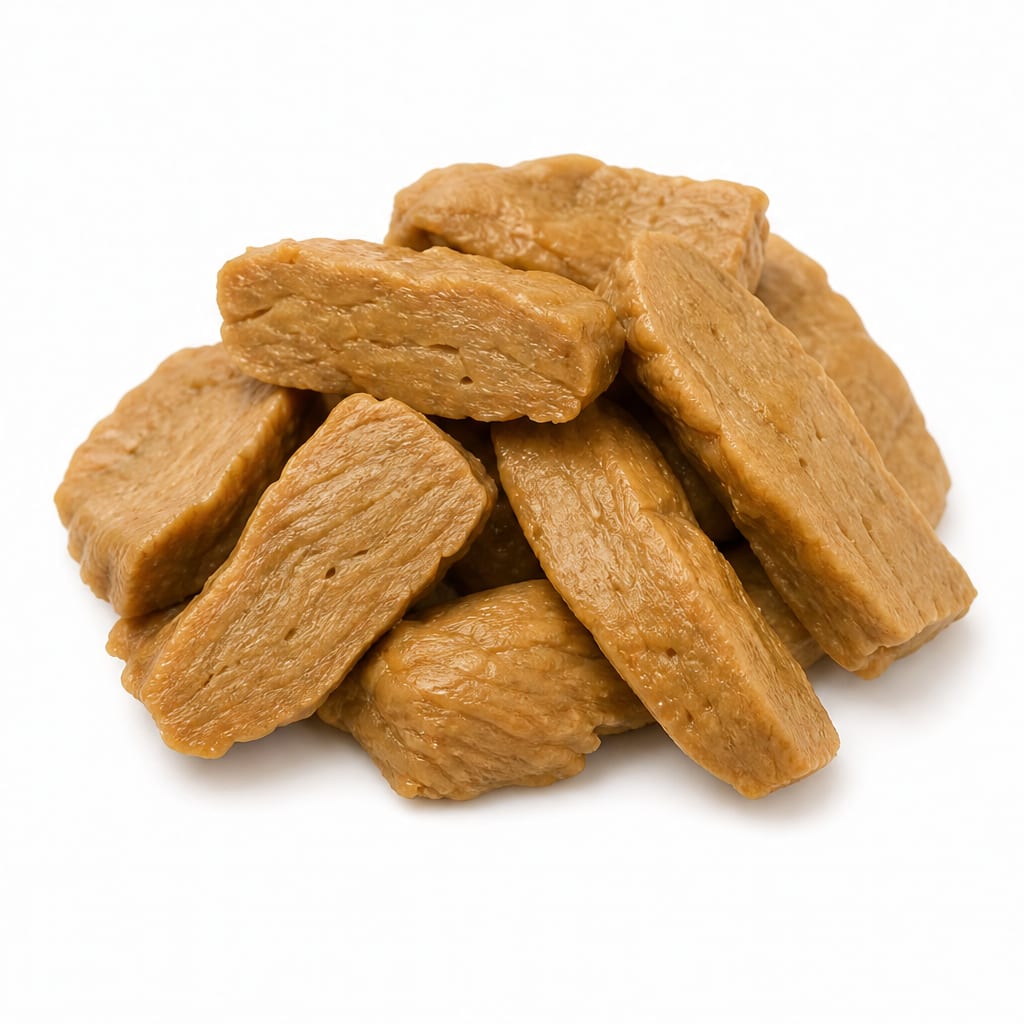
Seitan
Edamame wins for most people because it delivers complete protein alongside fiber, healthy fats, and micronutrients in a whole-food package. Seitan is a protein powerhouse but comes with gluten sensitivity risks and minimal nutritional breadth.
Edamame scores notably higher due to its whole-food status, complete amino acid profile, fiber content, and broader micronutrient value. Seitan's exceptional protein density and affordability are meaningful advantages, but its processed nature, gluten content, and narrow nutritional profile hold it back for general health recommendations.
Protein density versus nutritional completeness — seitan packs far more protein per bite, but edamame gives you a balanced nutrient profile that supports long-term health beyond just macros.
At a glance
Executive summary
Overall
Edamame
Healthier
Edamame
More practical
Seitan
Daily use
Edamame
Key comparison lenses
plant protein source selection
Both are popular plant-based proteins, but they differ dramatically in protein density, completeness, and whole-food status
allergen and digestive tolerance
Soy and gluten are two of the most common food sensitivities, making this a critical decision factor
minimally processed vs concentrated protein
Edamame is a whole food while seitan is a refined protein extract, raising processing and long-term health questions
satiety and weight management
Fiber and fat content differences significantly affect how filling each food is and their role in weight control
nutrient breadth vs protein purity
Edamame offers vitamins, minerals, and phytonutrients alongside protein, while seitan is almost pure protein with little else
Best choice for
Edamame
- People seeking a whole-food protein with broad nutritional benefits
- Anyone with gluten sensitivity or celiac disease
- Those prioritizing heart health and anti-inflammatory eating
- People who want a satisfying snack that naturally limits overeating
- Anyone looking for fiber alongside their protein
Seitan
- Vegans and vegetarians needing high protein intake for muscle gain
- Athletes in a caloric surplus who need concentrated protein
- People avoiding soy due to allergy or hormone concerns
- Those meal-prepping high-protein dishes on a budget
- Anyone who finds edamame too low in protein to meet daily targets
Least suitable for
Edamame
- People with soy allergies
- Those on very low-carb or keto diets
- Anyone needing extremely high protein per calorie
- People with hypothyroidism managing iodine levels carefully
Seitan
- Anyone with celiac disease or gluten intolerance
- People sensitive to highly processed or refined foods
- Those seeking micronutrient-rich whole foods
- Anyone watching sodium intake from seasoned preparations
Deep comparison
Dimension by dimension
Each lens scores both foods and breaks down who each option suits.
- Dimension 1 · Priority 95Edamame
Protein Quality and Completeness
Edamame · 82Seitan · 65Edamame provides all nine essential amino acids in meaningful amounts. Seitan is low in lysine, making it an incomplete protein that needs pairing with other foods.
Tradeoff
Seitan offers roughly three times more protein per calorie, but that protein is less complete. You get more total protein from seitan, but you must combine it with lysine-rich foods like beans or nutritional yeast for optimal quality.
Why it matters
Incomplete proteins can still support muscle growth when combined strategically throughout the day, but relying heavily on seitan alone risks amino acid gaps over time.
Real-world impact
A seitan stir-fry with vegetables leaves you short on lysine unless you add legumes. An edamame bowl covers your amino acid needs in a single serving.
Edamame
- Complete amino acid coverage in one food
- Better protein-to-nutrient ratio overall
- No need to combine with other proteins for completeness
Better for
- Lower total protein per serving — only about 17g per cup
- Less efficient for athletes needing 150g+ daily
Worse for
Seitan
- Much higher total protein per serving
- More efficient for hitting high daily protein targets
- Better protein-to-calorie ratio for lean bulking
Better for
- Deficient in lysine — requires food combining
- Lower protein digestibility compared to soy
Worse for
- Dimension 2 · Priority 90Edamame
Processing Level and Naturalness
Edamame · 92Seitan · 35Edamame is a whole soybean harvested before maturity — essentially a natural food. Seitan is made by washing wheat dough to isolate gluten, a refining process that strips away most other nutrients.
Tradeoff
You trade whole-food integrity for protein concentration. Seitan is not ultra-processed in the junk-food sense, but it is a refined extract, not something you could make by simply cooking a raw ingredient.
Why it matters
Diets high in refined protein isolates may lack the protective compounds found in whole foods — antioxidants, fiber, and phytonutrients that support gut health and reduce disease risk.
Real-world impact
Eating edamame feels like eating a vegetable. Eating seitan feels like eating a meat substitute. Your body processes them differently, and your gut microbiome responds to the fiber in edamame but gets nothing from seitan.
Edamame
- Intact whole food with natural nutrient matrix
- Contains phytonutrients like isoflavones
- No industrial refining required
Better for
- Often sold frozen, which may concern some freshness-focused eaters
Worse for
Seitan
- Minimal ingredients if made simply at home
- No artificial preservatives in basic preparations
Better for
- Refined wheat gluten extract with most of the grain removed
- Commercial versions often contain added sodium, seasonings, and binders
- Lacks the natural nutrient complexity of whole foods
Worse for
- Dimension 3 · Priority 90It depends
Allergen and Sensitivity Risk
Edamame · 60Seitan · 45Both foods carry significant allergen risks. Edamame contains soy, one of the top eight allergens. Seitan is pure gluten, making it completely unsuitable for anyone with celiac disease or gluten sensitivity.
Tradeoff
Soy allergy affects roughly 0.4% of children and is often outgrown. Gluten sensitivity and celiac disease affect roughly 5-7% of the population combined and are lifelong conditions. Seitan poses a wider risk to more people.
Why it matters
This is not a subtle nutritional difference — it is a hard stop. If you have celiac disease, seitan is genuinely dangerous. If you have a soy allergy, edamame is off the table. Neither is universally safe.
Real-world impact
At a dinner party, seitan is more likely to exclude someone. At a potluck, edamame is easier to label clearly. Both require disclosure when cooking for others.
Edamame
- Soy allergy is less prevalent than gluten sensitivity
- Soy allergies are often outgrown in childhood
- Edamame is clearly identifiable as soy for label readers
Better for
- Soy is a top allergen, especially for children
- Phytoestrogens may concern some people with hormone-sensitive conditions
Worse for
Seitan
- Safe for people with soy allergies
- No soy isoflavone concerns for those avoiding phytoestrogens
Better for
- Completely unsafe for anyone with celiac disease
- Can trigger symptoms in people with non-celiac gluten sensitivity
- Gluten content is extreme — even trace cross-contamination matters
Worse for
- Dimension 4 · Priority 85Edamame
Fiber and Satiety
Edamame · 88Seitan · 15Edamame delivers about 8g of fiber per cup along with healthy fats that slow digestion. Seitan contains virtually zero fiber and almost no fat, making it far less filling on its own.
Tradeoff
Seitan's lack of fiber means you can eat a lot of protein without feeling stuffed — useful for bulking, problematic for portion control. Edamame's fiber makes it naturally self-limiting and more satisfying per calorie.
Why it matters
Fiber is not just about digestion — it feeds gut bacteria, stabilizes blood sugar, and signals fullness. A high-protein, zero-fiber meal leaves you hungry again sooner.
Real-world impact
A cup of edamame as a snack keeps you full for hours. A seitan-based meal without added vegetables or grains leaves you looking for something else to eat within 90 minutes.
Edamame
- 8g fiber per cup supports gut health and regularity
- Healthy fats add satiety and slow gastric emptying
- Naturally self-limiting — hard to overeat
Better for
- Fiber and fat add calories, reducing protein efficiency per calorie
Worse for
Seitan
- Low fiber can be useful before workouts when you want light digestion
- Easy to pair with high-fiber sides for a balanced meal
Better for
- Virtually zero fiber — useless for gut health on its own
- Low satiety means you need larger portions or side dishes
- No fat content means less flavor and mouthfeel satisfaction
Worse for
- Dimension 5 · Priority 80Edamame
Micronutrient Density
Edamame · 85Seitan · 25Edamame provides folate, vitamin K, manganese, iron, magnesium, and potassium in meaningful amounts. Seitan is essentially protein and wheat starch residue with minimal vitamins or minerals unless fortified.
Tradeoff
Seitan gives you protein and almost nothing else nutritionally. Edamame gives you protein plus a genuine micronutrient package. If you eat a varied diet, seitan's gaps matter less. If you rely on a few staple foods, edamame's breadth is valuable.
Why it matters
Micronutrient deficiencies creep up slowly. A diet built around seitan without careful supplementation or pairing can leave gaps in folate, potassium, and magnesium over months and years.
Real-world impact
Edamame contributes to your daily vitamin and mineral targets without trying. Seitan requires you to get those nutrients entirely from other sources.
Edamame
- Good source of folate, important for cell repair and pregnancy
- Provides vitamin K for bone and blood health
- Contains manganese and magnesium for energy metabolism
- Iron content is meaningful, especially for plant-based eaters
Better for
- Iron is non-heme and less absorbable than animal sources
Worse for
Seitan
- Some iron content from the wheat
- Often seasoned with nutrient-rich sauces that add trace minerals
Better for
- Almost no vitamins in meaningful quantities
- Minimal mineral content beyond small amounts of iron and selenium
- No phytonutrients or antioxidants
Worse for
- Dimension 6 · Priority 72Seitan
Versatility and Convenience
Edamame · 65Seitan · 80Seitan absorbs flavors exceptionally well and works as a direct meat substitute in stir-fries, sandwiches, and grilling. Edamame is more limited — mainly a snack, salad topping, or side dish.
Tradeoff
Seitan is a culinary chameleon that replaces chicken or beef in recipes. Edamame is what it is — a bean that tastes like a bean. Seitan wins for meal-building flexibility; edamame wins for grab-and-go simplicity.
Why it matters
If you are cooking plant-based meals for a family, seitan's versatility makes it easier to create satisfying main dishes. If you need a quick protein snack, edamame is ready in minutes from frozen.
Real-world impact
Frozen edamame steams in 5 minutes for a no-thought snack. Seitan requires preparation, seasoning, and cooking technique to taste good — but when done well, it can fool a meat eater.
Edamame
- Ready in minutes from frozen — minimal prep required
- No seasoning or cooking skill needed
- Portable as a cold snack
Better for
- Limited to snack, side, or salad roles
- Does not work as a meat substitute in most recipes
- Flavor is mild and does not carry a dish
Worse for
Seitan
- Absorbs marinades and sauces like meat
- Works in dozens of cuisines and recipe formats
- Can be grilled, sautéed, braised, or baked with great texture
- More satisfying as a main dish centerpiece
Better for
- Requires preparation and seasoning knowledge
- Homemade seitan takes 60+ minutes to prepare
- Store-bought versions can be expensive and high in sodium
Worse for
Timeline
Health impact over time
Short-term
Hours to days
Edamame
- Steady energy release with no blood sugar spike due to fiber and fat content
- Comfortable fullness that lasts 2-3 hours after eating
- Mild digestive adjustment if you are not used to high-fiber soy foods
- Low risk of overeating due to natural satiety signals
Seitan
- Quick protein delivery that feels light in the stomach initially
- Hunger returns faster without fiber or fat to slow digestion
- Possible bloating or discomfort if you have undiagnosed gluten sensitivity
- High sodium in prepared versions can cause water retention
Long-term
Months to years
Edamame
- Soy isoflavones may support bone density and reduce menopausal symptoms
- Fiber intake supports lower cholesterol and improved gut microbiome diversity
- Consistent consumption associated with reduced cardiovascular risk in population studies
- Potential thyroid interaction at very high intakes, though moderate consumption appears safe
Seitan
- Reliance on a refined protein without fiber may contribute to gut microbiome imbalance over time
- High gluten exposure could trigger or worsen latent gluten sensitivity
- No protective phytonutrients or antioxidants for long-term disease prevention
- Sodium from commercial preparations may contribute to blood pressure concerns with regular use
Risk profile
Safety & processing
Edamame is harvested and frozen with minimal intervention — it is recognizably a bean. Seitan is produced by washing wheat dough until only gluten remains, a refining process that strips away bran, germ, and most nutrients. Commercial seitan often includes added sodium, yeast extract, and binders. Homemade seitan is cleaner but still a refined protein isolate, not a whole food.
Edamame
Soy allergy
highSoy is a top eight allergen. Reactions can range from hives to anaphylaxis in sensitive individuals. Always disclose when serving to others.
GMO exposure
mediumMost conventionally grown soy in the US is genetically modified. Choose organic edamame to avoid GMOs if that matters to you.
Thyroid interaction
lowVery high soy intake may interfere with thyroid hormone absorption in iodine-deficient individuals. Moderate consumption is safe for most people.
Seitan
Celiac and gluten sensitivity reaction
highSeitan is essentially pure gluten. Even tiny amounts can trigger serious autoimmune reactions in people with celiac disease and uncomfortable symptoms in those with gluten sensitivity.
High sodium in commercial products
mediumStore-bought seitan often contains 400-600mg sodium per serving. Regular consumption can contribute to elevated blood pressure over time.
Wheat contamination and pesticide residue
lowConventional wheat is often treated with pesticides. Choosing organic vital wheat gluten reduces this concern.
Who wins for whom
Audience fit
Same foods, different winners depending on your goal.
children
EdamameEdamame is a fun, finger-friendly whole food that kids often enjoy. Seitan's processed nature and extreme gluten content make it less ideal for developing digestive systems, and soy allergy is easier to identify and manage than latent gluten sensitivity.
daily consumption
EdamameEdamame's whole-food profile, fiber content, and micronutrient breadth make it sustainable as a daily staple. Seitan is best used as an occasional protein boost rather than a foundational daily food due to its processed nature and narrow nutrition.
diabetes
EdamameEdamame's fiber slows glucose absorption and prevents blood sugar spikes. Seitan has minimal carbohydrates but lacks fiber, meaning any carbs eaten alongside it absorb faster without the buffering effect.
elderly
EdamameOlder adults benefit from edamame's fiber for digestion, vitamin K for bone health, and folate for cognitive support. Seitan's concentrated protein is useful but its lack of micronutrients and gluten risk make it a less balanced daily choice.
muscle gain
SeitanSeitan delivers roughly 75g of protein per 100g dry weight, making it one of the most protein-dense plant foods available. For athletes needing high protein intake without excessive calories, seitan is more efficient.
weight loss
EdamameEdamame's fiber and fat create lasting fullness with only about 188 calories per cup. Seitan's low calorie count is appealing, but without fiber, you are likely to eat more overall to feel satisfied.
Your move
Decision guide
Choose Edamame
- You want a whole-food protein that supports overall health, not just macros
- You have any gluten sensitivity or eat for others who might
- You value fiber, satiety, and not overeating
- You want micronutrients alongside your protein
- You need a quick, no-prep snack that satisfies for hours
Choose Seitan
- You are an athlete or bodybuilder needing very high protein intake
- You have a soy allergy or avoid soy for personal reasons
- You want a versatile meat substitute for cooking
- You are in a bulking phase and need protein density over fullness
- You enjoy cooking and want a protein that absorbs flavors like meat
Either works if
- You eat a varied diet with plenty of vegetables, legumes, and whole grains
- You rotate protein sources throughout the week anyway
- You have no allergies or sensitivities to soy or gluten
- You are simply looking for plant-based protein options to diversify your meals
Avoid both if
- You have both soy and gluten sensitivities — consider lentils, chickpeas, or pea protein instead
- You are on a strict elimination diet for autoimmune or gut healing protocols
- You are sensitive to FODMAPs, as both can trigger symptoms in susceptible individuals
Final recommendation
Make edamame your everyday plant protein and use seitan strategically when you need a protein density boost or a satisfying meat substitute in recipes. Edamame gives you more health breadth per bite, while seitan gives you more protein per calorie. For most people, edamame 4-5 times a week and seitan 1-2 times a week is a balanced approach that captures the strengths of both without over-relying on either.
Practical
Consumer tips
- 1
Choose organic edamame to avoid GMO soy and pesticide residue — the price difference is usually small
- 2
Make seitan at home using vital wheat gluten, soy sauce, and broth — it costs a fraction of store-bought and lets you control sodium
- 3
If eating seitan regularly, pair it with lysine-rich foods like black beans, lentils, or nutritional yeast to complete the amino acid profile
- 4
Steam edamame with a pinch of sea salt for the simplest preparation — avoid heavily salted or oil-coated packaged versions
- 5
Freeze extra homemade seitan in portions — it reheats well and saves the effort of making it fresh each time
- 6
If you have thyroid concerns, cook edamame thoroughly and ensure adequate iodine intake from seaweed or iodized salt
- 7
Read labels on commercial seitan — some brands contain 30% or more of your daily sodium limit per serving