
Nutrition comparison
Edamame vs Green Peas: Protein, Satiety, and Nutrition Compared
Edamame delivers double the protein and steadier blood sugar. Green peas offer fewer calories and more meal versatility. See which legume fits your goals better.
Overall winner · Edamame
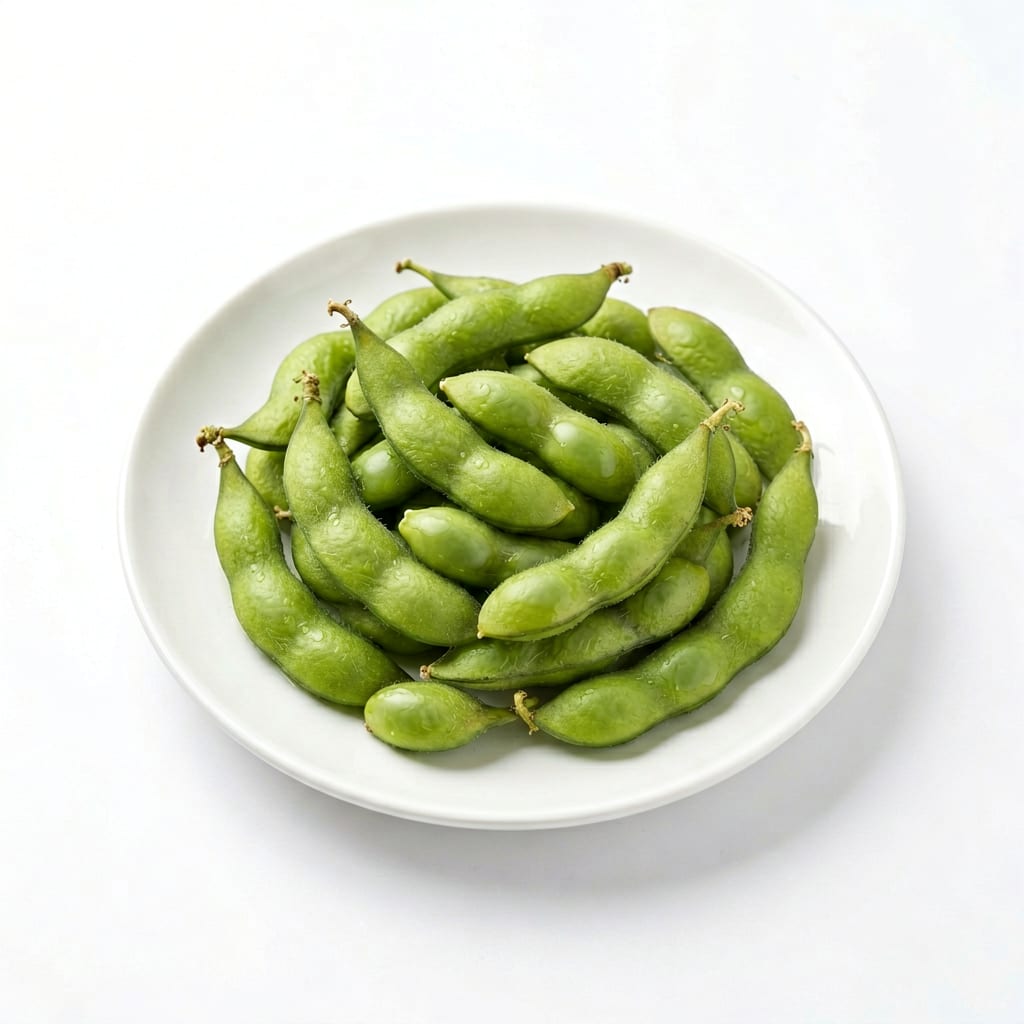
Edamame
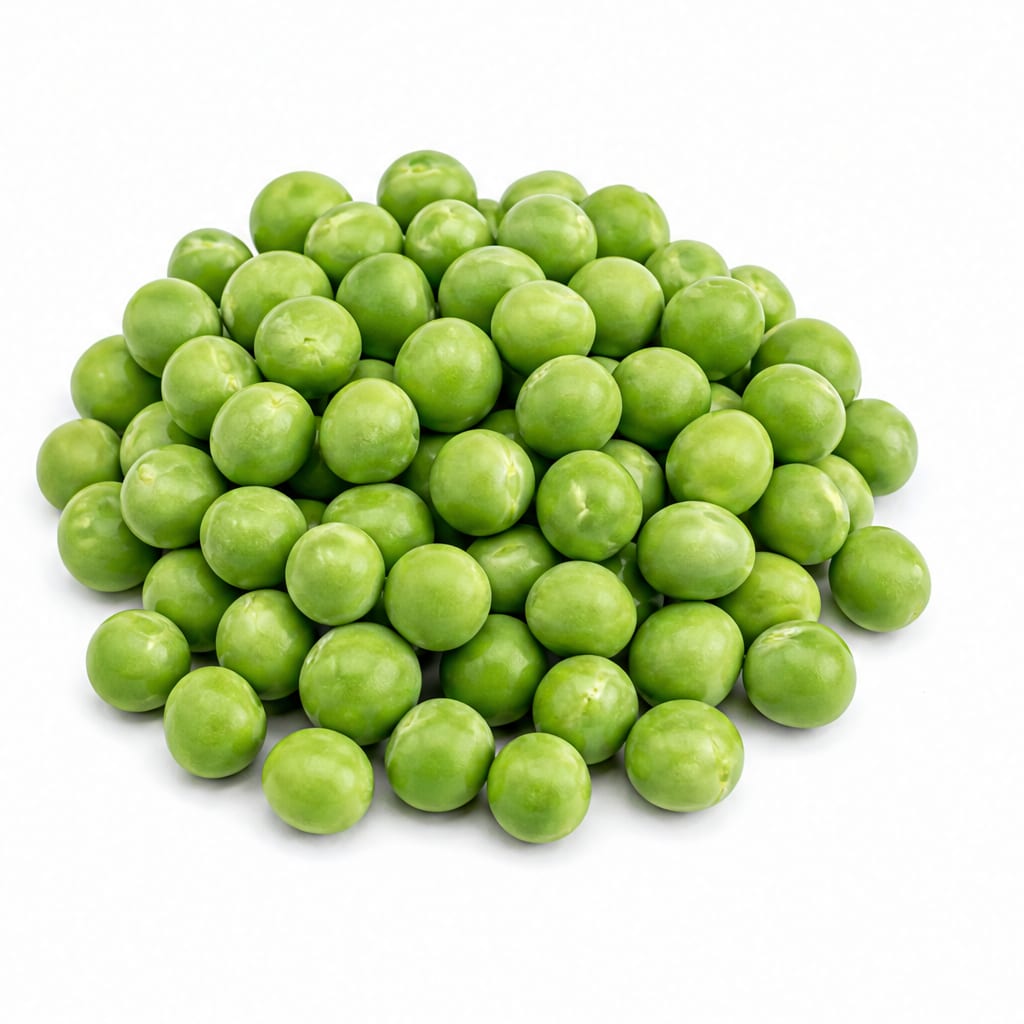
Green Peas
Edamame wins on protein, satiety, and blood sugar stability. Green peas win on calorie lightness, versatility, and allergen safety.
Edamame scores higher due to superior protein content, complete amino acid profile, and better blood sugar stability. Green peas remain strong for calorie efficiency and everyday meal integration but lack the protein density and satiety edge.
More protein and fullness from edamame versus fewer calories and broader cooking use from green peas.
At a glance
Executive summary
Overall
Edamame
Healthier
Edamame
More practical
Green Peas
Daily use
It depends
Key comparison lenses
plant protein quality and quantity
Both are legumes but edamame delivers roughly double the protein per serving, making this the most consequential difference
weight management and satiety
Users comparing these foods are often choosing between a denser protein snack and a lighter starchy side
blood sugar impact
Edamame's lower carb-to-fiber ratio makes it steadier for glucose, while green peas are starchier
allergen and GMO concerns
Edamame is soy-based, introducing soy allergy and GMO considerations that green peas avoid
meal versatility and convenience
Green peas integrate into far more dishes easily, while edamame is more of a standalone snack or appetizer
Best choice for
Edamame
- Athletes and strength trainers needing plant protein
- People managing blood sugar or insulin resistance
- Snack seekers wanting long-lasting fullness
- Vegetarians and vegans needing complete protein
Green Peas
- Calorie-conscious eaters wanting volume
- Home cooks needing a versatile side dish
- People with soy allergies or soy avoidance
- Budget-focused shoppers feeding a family
Least suitable for
Edamame
- People with soy allergies or sensitivities
- Those avoiding GMO crops unless organic
- Anyone wanting a low-calorie voluminous side
Green Peas
- Those needing high protein from a single food
- People strictly limiting starch or carbohydrates
- Anyone seeking a complete amino acid profile in one serving
Deep comparison
Dimension by dimension
Each lens scores both foods and breaks down who each option suits.
- Dimension 1 · Priority 95Edamame
Protein Quality and Quantity
Edamame · 90Green Peas · 58Edamame delivers roughly double the protein per cup and provides all essential amino acids, while green peas offer moderate incomplete protein.
Tradeoff
Edamame costs more per gram of protein but requires less total food to hit protein targets.
Why it matters
For anyone relying on plant foods for protein, this difference compounds over every meal across weeks and months.
Real-world impact
A cup of edamame after a workout feels genuinely satisfying. A cup of green peas leaves you looking for more food within an hour.
Edamame
- Post-workout recovery
- Vegan meal protein anchors
- Satiety between meals
Better for
- Soy-avoidant diets
Worse for
Green Peas
- Light protein contribution to mixed dishes
- Lower calorie protein topping
Better for
- Protein-forward meal planning
- Appetite control as a standalone snack
Worse for
- Dimension 2 · Priority 82Edamame
Blood Sugar Stability
Edamame · 82Green Peas · 65Edamame's higher protein and fat slow digestion significantly, while green peas deliver more starch that raises glucose faster.
Tradeoff
Green peas provide quicker energy but less metabolic steadiness, which matters for afternoon crashes and diabetes management.
Why it matters
Steadier blood sugar means fewer energy dips, less cravings, and better long-term metabolic health.
Real-world impact
Edamame as an afternoon snack keeps you even-keeled until dinner. Green peas alone might leave you reaching for something else within 90 minutes.
Edamame
- Insulin-resistant individuals
- Pre-diabetes management
- Sustained energy without crashes
Better for
- Those wanting rapid post-exercise glycogen replenishment
Worse for
Green Peas
- Pre-workout quick energy
- Active individuals needing faster carbohydrate fuel
Better for
- Late-night snacking when steadier glucose matters
- Sedentary evenings
Worse for
- Dimension 3 · Priority 78Green Peas
Calorie Efficiency and Volume
Edamame · 60Green Peas · 80Green peas provide more food volume per calorie, making them better for eaters who want to feel full on fewer calories.
Tradeoff
That volume comes with less protein and more starch, so the fullness fades faster than edamame's protein-driven satiety.
Why it matters
For weight loss, volume eating helps psychologically, but protein-driven satiety helps biochemically. Different strategies suit different people.
Real-world impact
A big bowl of green peas alongside fish feels like a proper meal portion. Edamame feels more like a concentrated protein side.
Edamame
- Smaller portion eaters who want density
- Protein-first meal builders
Better for
- Large-portion eaters watching calories
Worse for
Green Peas
- Volume eaters tracking calories
- Plate-fillers for visual satisfaction
Better for
- Those who need lasting fullness from less food
Worse for
- Dimension 4 · Priority 72It depends
Micronutrient Profile
Edamame · 76Green Peas · 74Edamame leads in iron, vitamin K, and folate. Green peas lead in vitamin C, vitamin A, and several B vitamins. Both are genuinely nutritious.
Tradeoff
Neither dominates broadly enough to be the clear winner. Rotating both gives the best coverage.
Why it matters
Micronutrient gaps accumulate slowly. Eating only one misses what the other uniquely provides.
Real-world impact
Edamame supports blood health and bone density better. Green peas support immune function and skin health better.
Edamame
- Iron-deficient individuals
- Bone health focus
- Pregnancy folate support
Better for
- Vitamin C-dependent immune seasons
Worse for
Green Peas
- Immune system support
- Vitamin A needs for eye health
Better for
- Iron-deficiency anemia concerns
Worse for
- Dimension 5 · Priority 75Green Peas
Allergen and Safety Profile
Edamame · 55Green Peas · 85Edamame carries soy allergy risk and frequent GMO exposure unless organic. Green peas are among the least allergenic legumes with minimal GMO concern.
Tradeoff
Edamame's nutritional advantages come with a safety profile that requires more label attention and personal awareness.
Why it matters
Soy is a top 8 allergen. Even without allergy, some people avoid soy for hormonal concerns, making green peas the safer default.
Real-world impact
Serving edamame at a party means checking for soy allergies first. Green peas are almost always safe for everyone at the table.
Edamame
- Those already confident about soy tolerance
Better for
- Children with undiagnosed soy sensitivity
- Thyroid medication users concerned about soy interference
Worse for
Green Peas
- Communal eating and potlucks
- Households with unknown allergy status
- Soy-avoidant diets including some thyroid protocols
Better for
- Dimension 6 · Priority 70Green Peas
Meal Versatility and Convenience
Edamame · 58Green Peas · 82Green peas blend into soups, stir-fries, pastas, salads, and casseroles effortlessly. Edamame works best as a snack or distinct side.
Tradeoff
Edamame's identity as a standalone food limits its recipe range, while green peas disappear supportively into almost any dish.
Why it matters
The food you can use in more ways is the food you actually eat consistently. Consistency beats perfection.
Real-world impact
Tossing green peas into fried rice takes zero thought. Edamame requires shelling, seasoning, and treating as its own component.
Edamame
- Standalone snacking
- Appetizer courses
- Protein-rich salad toppers
Better for
- Busy weeknight meal integration
- Batch cooking versatility
Worse for
Green Peas
- Weeknight cooking shortcuts
- Soup and stew additions
- Kid-friendly hidden nutrition
Better for
Timeline
Health impact over time
Short-term
Hours to days
Edamame
- Strong satiety within 30 minutes due to protein and fat content
- Stable energy without a sugar rush or crash
- Possible mild bloating if unaccustomed to soy fiber
Green Peas
- Quicker but shorter-lasting fullness from starch and volume
- Mild blood sugar rise within an hour, especially if eaten alone
- Gentle on digestion for most people, minimal bloating
Long-term
Months to years
Edamame
- Consistent plant protein intake supports muscle preservation with aging
- Soy isoflavones may benefit bone density and menopause symptoms but remain debated
- Regular soy consumption could affect thyroid function in susceptible individuals at high intakes
Green Peas
- Steady fiber intake supports digestive regularity and gut microbiome diversity
- Lower protein intake may require complementary protein sources over time
- Saponins and antioxidants contribute to anti-inflammatory benefits long-term
Risk profile
Safety & processing
Both foods are whole legumes typically sold frozen or fresh with minimal processing. Edamame sometimes comes pre-seasoned with salt, which adds sodium, but plain frozen versions are additive-free. Green peas are almost always sold plain. Both are clean choices.
Edamame
GMO exposure
mediumMost US soy is genetically modified. Choose organic edamame to avoid GMOs entirely.
Soy allergy reactions
highSoy is a major allergen. Reactions can range from hives to anaphylaxis in sensitive individuals.
Thyroid interference at high intake
lowVery high soy consumption may mildly affect thyroid hormone absorption, primarily in people with existing thyroid conditions on medication.
Green Peas
Pesticide residue
lowGreen peas are on the Environmental Working Group's Clean Fifteen list with typically low pesticide residues.
Lectin content
lowRaw peas contain lectins, but cooking eliminates this concern. Frozen and cooked peas are safe.
Who wins for whom
Audience fit
Same foods, different winners depending on your goal.
children
Green PeasGreen peas are sweeter, softer, less allergenic, and easier to mix into familiar foods. Edamame's soy content requires allergy caution in kids.
daily consumption
It dependsGreen peas are safer for daily use due to no allergen concerns and easier meal integration. Edamame is fine daily if soy is well-tolerated and organic is chosen.
diabetes
EdamameLower net carbs, higher protein, and more fat create a much gentler glycemic response. Green peas are acceptable but starchier.
elderly
EdamameOlder adults need more protein per meal to prevent sarcopenia. Edamame's protein density and bone-supportive vitamin K make it more protective.
muscle gain
EdamameEdamame provides nearly double the protein per serving with a complete amino acid profile, making it far more useful for muscle repair and growth.
weight loss
It dependsEdamame's protein keeps you full longer with fewer cravings, but green peas let you eat more volume for fewer calories. Choose based on whether you struggle more with hunger or portion psychology.
Your move
Decision guide
Choose Edamame
- You need serious plant protein without supplements
- Blood sugar management is a daily priority
- You tolerate soy well and can buy organic
- You want a satisfying standalone snack that curbs hunger for hours
Choose Green Peas
- Someone in your household has a soy allergy or sensitivity
- You want a versatile ingredient that works in almost any recipe
- Calorie density matters more to you than protein density
- You are feeding kids who need gentle, familiar vegetables
Either works if
- You are building a varied legume rotation for gut microbiome diversity
- You want affordable plant-based nutrition without heavy processing
- You are mixing both into a grain bowl or salad for complementary benefits
Avoid both if
- You have a severe legume allergy
- You are on a strict very-low-carb ketogenic protocol, as both contain meaningful carbohydrates
Final recommendation
Eat both, but lean into edamame when protein and satiety are your priority, and lean into green peas when you need versatility, calorie lightness, or allergen safety. The best long-term strategy is rotating them weekly rather than choosing only one.
Practical
Consumer tips
- 1
Buy frozen edamame in pods for snacking and shelled for cooking. The frozen versions retain nutrients well.
- 2
Choose organic edamame to avoid GMO soy unless the label explicitly confirms non-GMO.
- 3
Green peas from the freezer aisle are just as nutritious as fresh and far more convenient.
- 4
If edamame causes bloating, try smaller portions first. Your gut adapts over a week or two with regular intake.
- 5
Toss green peas into whatever you are already cooking. They require almost no extra effort and disappear into most dishes.
- 6
For the best of both worlds, mix shelled edamame and green peas in a cold salad with lemon and olive oil.