
Nutrition comparison
Edamame vs Tofu: Which Soy Protein Is Better for You?
Compare edamame and tofu on protein, fiber, processing, and real-world usability. Find out which one fits your health goals and cooking style better.
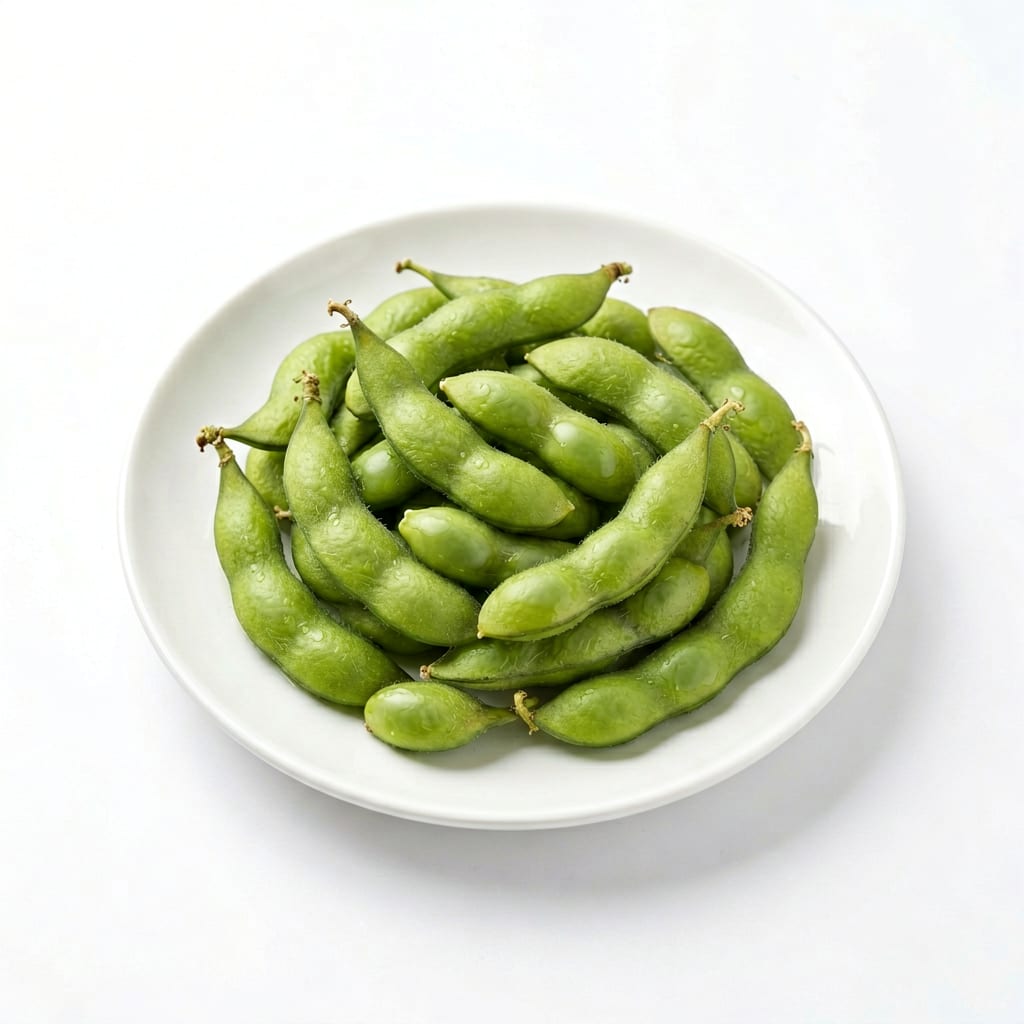
Edamame
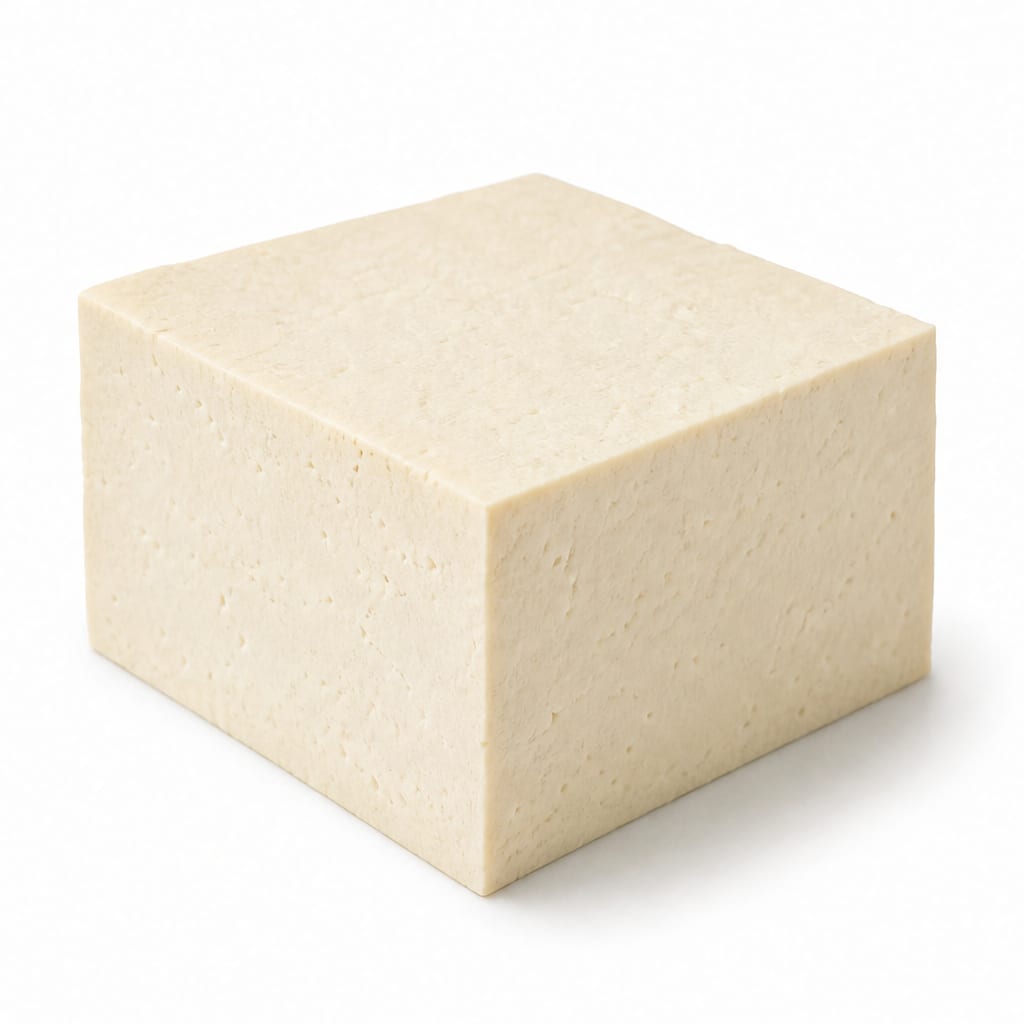
Tofu
Edamame delivers whole-food nutrition with fiber and micronutrients intact, while tofu offers concentrated protein and unmatched cooking versatility at the cost of processing.
Edamame edges ahead slightly due to its whole-food status and superior fiber content, but tofu stays competitive with higher protein density and far greater culinary utility. The close scores reflect that neither dominates the other universally.
Whole-food completeness versus protein density and kitchen flexibility.
At a glance
Executive summary
Overall
It depends
Healthier
Edamame
More practical
Tofu
Daily use
It depends
Key comparison lenses
Whole food vs processed soy comparison
Edamame is a whole soybean while tofu is condensed and processed, making naturalness a core decision factor
Protein density and satiety tradeoffs
Both are top plant proteins but differ significantly in how concentrated and filling they are per calorie
Fiber and digestive health impact
Edamame retains all its natural fiber while tofu loses most of it during processing
Cooking versatility and meal integration
Tofu absorbs flavors and works in hundreds of dishes while edamame is mostly a snack or side
GMO and pesticide exposure concerns
Both come from soybeans which are heavily GMO crops in the US, making sourcing critical
Best choice for
Edamame
- Snackers wanting a filling, fiber-rich option
- People prioritizing whole, minimally processed foods
- Anyone needing more fiber in their diet
- Those who eat on the go and want something ready to eat
Tofu
- Home cooks needing a versatile protein base
- People meal-prepping for the week
- Anyone tracking protein per calorie closely
- Those who want a neutral canvas for bold flavors
Least suitable for
Edamame
- People who need high protein in small portions
- Anyone wanting a neutral ingredient that blends into dishes
- Those who dislike eating with their hands or shelling pods
Tofu
- Strict whole-food eaters avoiding all processing
- People sensitive to texture issues like softness or sponginess
- Anyone wanting a grab-and-eat snack with zero prep
Deep comparison
Dimension by dimension
Each lens scores both foods and breaks down who each option suits.
- Dimension 1 · Priority 92Tofu
Protein Quality and Density
Edamame · 68Tofu · 85Tofu packs more protein into fewer calories, making it more efficient for hitting daily protein targets.
Tradeoff
You get more protein per bite with tofu, but edamame provides protein alongside fiber that slows digestion and steadies absorption.
Why it matters
If you are tracking macros or eating limited calories, tofu helps you reach protein goals faster without filling up on volume.
Real-world impact
A 150-calorie serving of tofu delivers roughly 15g of protein, while edamame gives about 12g in the same calories but keeps you full longer.
Edamame
- Sustained energy release throughout the afternoon
- Avoiding the post-meal hunger spike that pure protein can cause
Better for
- Body recomposition phases requiring high protein intake
Worse for
Tofu
- Post-workout recovery when you need protein fast
- Muscle preservation during calorie deficits
- Building meals around a compact protein source
Better for
- Situations where you want slow-digesting fuel for endurance
Worse for
- Dimension 2 · Priority 88Edamame
Fiber and Digestive Health
Edamame · 90Tofu · 35Edamame is a fiber powerhouse while tofu is nearly fiber-free due to the manufacturing process that strips it away.
Tradeoff
Choosing tofu for protein means sacrificing the gut-health and fullness benefits that edamame's fiber provides.
Why it matters
Most people already fall short on daily fiber. Edamame helps close that gap while tofu does nothing for it.
Real-world impact
A cup of edamame provides about 8g of fiber, roughly a quarter of daily needs. The same calories of tofu give you less than 1g.
Edamame
- Improving gut microbiome diversity
- Staying regular without supplements
- Managing cholesterol through dietary fiber
Better for
- People on strict low-fiber protocols temporarily
Worse for
Tofu
- Low-residue diets after surgery or during digestive flare-ups
Better for
- Anyone already struggling to get enough daily fiber
- People prone to constipation on high-protein diets
Worse for
- Dimension 3 · Priority 85Edamame
Processing and Naturalness
Edamame · 92Tofu · 58Edamame is simply steamed or boiled young soybeans. Tofu requires coagulation, pressing, and molding, making it a processed food.
Tradeoff
Tofu's processing creates culinary versatility but removes fiber and some heat-sensitive micronutrients that edamame retains.
Why it matters
Diets centered on whole foods consistently show better long-term health outcomes than those relying on processed alternatives, even minimally processed ones.
Real-world impact
Edamame looks almost identical to its natural state. Tofu bears no visual resemblance to a soybean, which tells you something about the transformation.
Edamame
- Clean-eating approaches that prioritize whole foods
- Anyone concerned about cumulative processing in their diet
Better for
- When you need an ingredient that dissolves, absorbs, or transforms in cooking
Worse for
Tofu
- Situations where cooking utility outweighs naturalness concerns
- Cultural dishes where tofu is traditional and irreplaceable
Better for
- Strict whole-food or paleo-adjacent eaters
Worse for
- Dimension 4 · Priority 80Tofu
Culinary Versatility
Edamame · 40Tofu · 92Tofu is one of the most versatile proteins in any kitchen. Edamame is mostly limited to snacks, salads, and grain bowls.
Tradeoff
Tofu can be scrambled, fried, baked, blended, or marinated. Edamame is what it is, which limits how often you can creatively use it.
Why it matters
If you cannot figure out how to cook a food multiple ways, you will get bored and stop eating it regardless of its health profile.
Real-world impact
Tofu can replace eggs at breakfast, go into stir-fries at dinner, or become a dessert base. Edamame is a great snack but rarely carries a meal.
Edamame
- Zero-cook situations where you just want something ready
- Party snacks and appetizers requiring no preparation
Better for
- Anyone tired of eating the same thing the same way
Worse for
Tofu
- Weekly meal prep where one ingredient serves multiple meals
- Cooking for picky eaters who need texture variety
- Budget-conscious cooking stretching protein across dishes
Better for
- People who hate cooking or pressing tofu before use
Worse for
- Dimension 5 · Priority 75Edamame
Micronutrient Retention
Edamame · 82Tofu · 65Edamame retains more vitamin K, folate, and vitamin C because it undergoes minimal processing. Tofu gains calcium if set with calcium salts but loses other nutrients.
Tradeoff
Tofu can actually be a better calcium source than edamame, but it sacrifices folate, vitamin C, and some B vitamins in the process.
Why it matters
Micronutrient gaps accumulate over time, especially on plant-based diets where every source counts.
Real-world impact
Calcium-set tofu provides about 350mg calcium per serving, which is genuinely useful. But edamame gives you broader vitamin coverage overall.
Edamame
- Pregnant women needing folate
- Anyone not taking a multivitamin who relies on food for vitamins
Better for
- Those specifically targeting calcium intake without dairy
Worse for
Tofu
- Dairy-free eaters needing calcium from non-dairy sources
- People at risk of osteoporosis seeking calcium-rich foods
Better for
- Anyone counting on broad-spectrum vitamin intake from protein sources
Worse for
- Dimension 6 · Priority 78Edamame
Satiety and Snackability
Edamame · 85Tofu · 60Edamame's fiber-protein combo and physical eating process make it far more satisfying as a standalone snack.
Tradeoff
Tofu fills you up when cooked into a meal, but on its own it is not something you reach for when hungry between meals.
Why it matters
The best healthy snack is one that actually stops you from reaching for junk twenty minutes later.
Real-world impact
Shelling edamame slows you down and extends the eating experience, which naturally reduces overconsumption. Tofu has no equivalent snack form.
Edamame
- Afternoon slumps when you need something to hold you over
- Mindful snacking that prevents grazing on chips or candy
Better for
- Moments when you need fast fuel without the effort of eating slowly
Worse for
Tofu
- Structured meals where satiety comes from the full plate, not one item
Better for
- Hunger between meals when cooking is not an option
Worse for
Timeline
Health impact over time
Short-term
Hours to days
Edamame
- Steady energy without blood sugar spikes due to fiber slowing glucose absorption
- Comfortable fullness that lasts 2-3 hours after eating
- Mild gas or bloating possible if you are not used to high-fiber legumes
Tofu
- Quick protein availability for muscle recovery after exercise
- Light feeling in the stomach since it digests without much residue
- Possible mild digestive discomfort if you eat large portions of very soft tofu
Long-term
Months to years
Edamame
- Better gut microbiome diversity from consistent fiber intake
- Lower cholesterol supported by soy fiber and plant compounds
- Sustained satiety patterns that help prevent gradual weight gain
Tofu
- Preserved muscle mass during aging due to reliable protein intake
- Possible bone density support from calcium-set varieties
- Easier long-term adherence to plant-based eating because of cooking versatility
Risk profile
Safety & processing
Edamame is simply harvested and steamed, retaining its whole-food integrity. Tofu is made by soaking, grinding, boiling, coagulating, and pressing soybeans into curds. While tofu uses minimal additives, typically just a coagulant like calcium sulfate or nigari, the multi-step transformation moves it firmly into processed territory. Neither contains concerning artificial additives, but edamame wins on naturalness by a wide margin.
Edamame
GMO exposure
mediumOver 90% of US soybeans are genetically modified. Unless labeled organic or non-GMO verified, edamame is likely GMO. Health effects remain debated, but many consumers prefer avoiding GMOs.
Pesticide residue
mediumSoybeans are a heavily sprayed crop. Frozen edamame from certain countries may have higher pesticide loads. Choosing organic significantly reduces this concern.
Phytoestrogen intake
lowSoy isoflavones are mild plant estrogens. Current research shows they are safe for most people and may even be protective, but those with hormone-sensitive conditions should consult their doctor.
Tofu
GMO exposure
mediumSame GMO concern as edamame since tofu comes from the same soybeans. Organic or non-GMO tofu is widely available and solves this.
Coagulant sensitivity
lowSome tofu uses calcium sulfate, which is generally beneficial, while others use nigari (magnesium chloride). Rarely, individuals may be sensitive to specific coagulants.
Phytoestrogen intake
lowTofu contains isoflavones similar to edamame. Processing slightly alters the profile but the health considerations remain the same.
Contamination in bulk storage
lowFresh tofu sold in open water bins at markets can harbor bacteria if not handled properly. Vacuum-sealed or shelf-stable packaging reduces this risk.
Who wins for whom
Audience fit
Same foods, different winners depending on your goal.
children
EdamameKids enjoy the hands-on experience of popping edamame from pods, and the whole-food form gives them broader nutrition. Tofu works well hidden in meals but is less engaging on its own.
daily consumption
It dependsEdamame is ideal as a daily snack, while tofu is better as a daily meal ingredient. Both can coexist in a healthy diet serving different roles.
diabetes
EdamameThe fiber in edamame significantly slows carbohydrate absorption, leading to gentler blood sugar responses. Tofu is also low-carb but lacks the fiber advantage.
elderly
TofuTofu's soft texture is easier to chew and swallow for those with dental issues. Its concentrated protein also helps counter age-related muscle loss without requiring large portions.
muscle gain
TofuTofu delivers more protein per calorie and per gram, making it easier to hit elevated protein targets without excessive volume or calorie intake.
weight loss
EdamameEdamame's fiber keeps you full longer per calorie, reducing the urge to snack on higher-calorie foods later. The physical act of shelling also naturally slows consumption.
Your move
Decision guide
Choose Edamame
- You want a whole-food snack that satisfies between meals
- Fiber intake is a priority for your digestion or cholesterol
- You prefer foods that are ready to eat with minimal or no preparation
- You are cautious about processed foods in your daily diet
- You enjoy eating mindfully and slowing down with your food
Choose Tofu
- You cook regularly and need a versatile protein that adapts to any cuisine
- You are tracking protein and need efficient calories
- You are meal-prepping and want one ingredient that works across multiple dishes
- You need a dairy-free calcium source
- You have texture or chewing difficulties that make soft foods preferable
Either works if
- You eat a varied plant-based diet and can use both for different purposes
- You are not soy-sensitive and want to diversify your protein sources
- You want the heart-health benefits of soy regardless of form
Avoid both if
- You have a diagnosed soy allergy
- You are on a soy-restricted diet due to hormone-sensitive conditions under medical guidance
- You have severe FODMAP sensitivities that react to legumes
Final recommendation
Keep both in your rotation. Use edamame when you need a satisfying whole-food snack and tofu when you need a cooking workhorse that delivers concentrated protein. They complement each other perfectly rather than competing. If budget forces a choice, tofu gives you more meal flexibility per dollar, while edamame gives you a cleaner nutritional profile per bite.
Practical
Consumer tips
- 1
Buy frozen organic edamame in bulk. It stays fresh for months and costs far less than fresh or restaurant portions.
- 2
Choose calcium-set tofu by checking the ingredient list for calcium sulfate. This turns tofu into a meaningful calcium source.
- 3
Press tofu for 15 minutes before cooking to improve texture and help it absorb marinades better. A tofu press is worth the small investment.
- 4
Steam or microwave edamame straight from frozen. It takes 3 minutes and requires no added oil or seasoning to taste great.
- 5
If GMO concerns you, always choose organic for both foods. This is the most reliable way to avoid GMO soy in the US.
- 6
Try firm or extra-firm tofu for stir-fries and baking, and silken tofu for smoothies, soups, and desserts. They are not interchangeable.
- 7
Season edamame simply with sea salt or a pinch of chili flakes. Heavy sauces mask the natural flavor and add unnecessary calories.
- 8
Marinate tofu in soy sauce, ginger, and a touch of sesame oil for 20 minutes before pan-frying. This transforms bland tofu into something genuinely craveable.