
Nutrition comparison
Edamame vs Quinoa: Which Plant Protein Is Right for You?
Compare edamame and quinoa on protein, carbs, blood sugar impact, and meal versatility. Find out which fits your diet better — low-carb snacking or versatile meal building.

Edamame
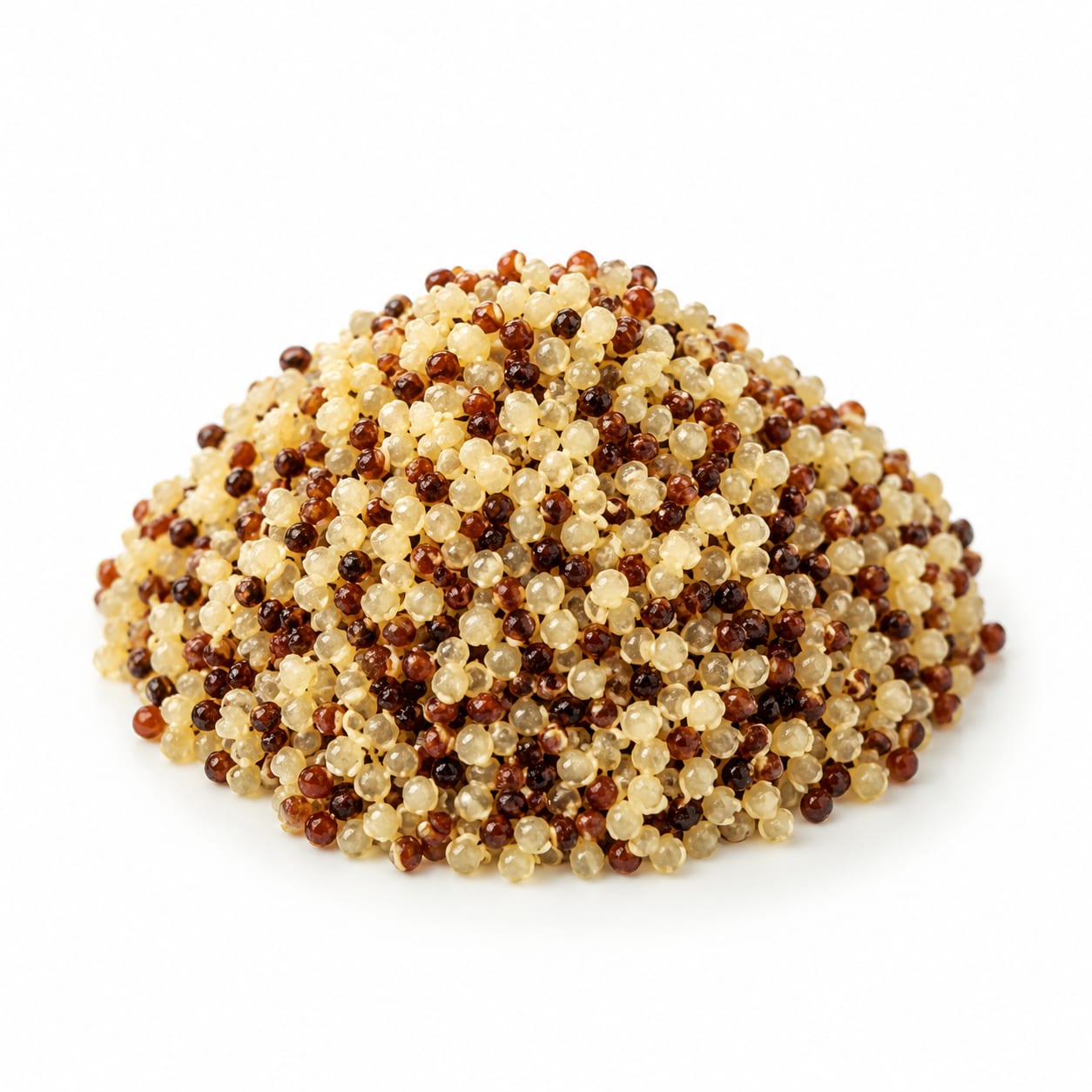
Quinoa
Edamame wins for low-carb protein and snacking; quinoa wins for meal versatility and steady energy from complex carbs.
Nearly tied overall. Edamame edges ahead on protein density and blood sugar impact, but quinoa's versatility and broader nutrient profile keep it competitive. Your dietary priorities determine the real winner.
You choose between edamame's higher protein-to-carb ratio and quinoa's broader culinary flexibility and carb-based energy.
At a glance
Executive summary
Overall
It depends
Healthier
It depends
More practical
Quinoa
Daily use
Quinoa
Key comparison lenses
plant-based protein source selection
Both foods are top-tier plant protein options, and users are likely deciding which better supports their protein needs
low-carb vs moderate-carb meal planning
Edamame is notably low-carb while quinoa is carb-forward, making this a key dietary fork
blood sugar management
The glycemic gap between these two is significant for anyone monitoring glucose
meal base vs snack versatility
Quinoa serves as a meal foundation while edamame is more of a side or snack, shaping how people actually use them
soy allergy and sensitivity awareness
Edamame carries soy allergen risk that quinoa avoids entirely
Best choice for
Edamame
- Low-carb and keto eaters
- Blood sugar management
- High-protein snacking
- Soy-tolerant plant-based dieters
- People wanting minimal prep
Quinoa
- Meal-preppers needing a versatile grain base
- Endurance athletes needing carb fuel
- People with soy allergies or sensitivities
- Families wanting a neutral side dish
- Anyone meal-building from scratch
Least suitable for
Edamame
- People with soy allergies
- Those avoiding phytoestrogens
- Anyone wanting a neutral-flavored carb base
- Low-sodium dieters if salted heavily
Quinoa
- Strict low-carb or keto followers
- People sensitive to saponins
- Those wanting a high-protein snack without cooking
- Anyone watching calorie density closely
Deep comparison
Dimension by dimension
Each lens scores both foods and breaks down who each option suits.
- Dimension 1 · Priority 95Edamame
Protein Quality & Density
Edamame · 88Quinoa · 75Edamame delivers more protein per calorie with a robust amino acid profile, while quinoa offers respectable but lower protein density.
Tradeoff
Edamame gives you more protein per bite, but quinoa still provides all essential amino acids alongside its carb energy.
Why it matters
For plant-based eaters, every gram of protein counts. Edamame makes hitting targets easier without extra calories.
Real-world impact
A cup of edamame packs roughly 17g protein with only 188 calories and 8g net carbs. The same cup of cooked quinoa has 8g protein but 222 calories and 34g net carbs.
Edamame
- Plant-based athletes hitting protein targets
- Anyone counting protein per calorie
- Post-workout recovery without heavy carbs
Better for
- Soy-allergic individuals who cannot access this protein source
Worse for
Quinoa
- Endurance athletes who need carbs with protein
- People who dislike eating protein in isolation
Better for
- Low-carb dieters who find the protein-to-carb ratio unfavorable
Worse for
- Dimension 2 · Priority 88Edamame
Blood Sugar Stability
Edamame · 92Quinoa · 68Edamame has minimal impact on blood sugar, while quinoa causes a moderate rise despite being a whole grain.
Tradeoff
Edamame keeps glucose rock-steady but lacks the carb energy some people need. Quinoa provides that energy with a gentler spike than most grains, but a spike nonetheless.
Why it matters
For prediabetics, insulin-resistant individuals, or anyone avoiding afternoon crashes, this difference is daily-life significant.
Real-world impact
Edamame as a snack will not cause the energy rollercoaster. Quinoa as a lunch base gives you fuel but may leave you hungry sooner if eaten without added protein or fat.
Edamame
- Diabetics and prediabetics
- Intermittent fasters breaking a fast gently
- Anyone prone to afternoon energy crashes
Better for
- Under-fueled athletes who need carbohydrate energy
Worse for
Quinoa
- Athletes before training who need available glucose
- Hikers and active people needing sustained carb energy
Better for
- Anyone monitoring HbA1c closely
Worse for
- Dimension 3 · Priority 85Quinoa
Meal Versatility & Culinary Role
Edamame · 55Quinoa · 92Quinoa is a culinary Swiss army knife — bowls, salads, soups, porridge, baking. Edamame is more of a supporting actor.
Tradeoff
Quinoa can carry a meal; edamame usually complements one. You can build an entire dish around quinoa, but edamame shines as a side or topping.
Why it matters
Practicality drives consistency. The food you can use in more ways is the food you will actually eat regularly.
Real-world impact
Quinoa works for breakfast porridge, lunch bowls, dinner sides, and even veggie burger binders. Edamame is mostly steamed, tossed in salads, or eaten from the pod as a snack.
Edamame
- Quick snackers who want zero-cook protein
- Japanese and East Asian meal pairings
Better for
- Anyone bored by limited preparation options
Worse for
Quinoa
- Meal preppers cooking in bulk
- Home cooks wanting one base for multiple recipes
- Families needing a rice or pasta substitute
Better for
- People who want grab-and-go convenience without cooking
Worse for
- Dimension 4 · Priority 78It depends
Micronutrient Density
Edamame · 83Quinoa · 82Edamame brings more folate, vitamin K, and iron. Quinoa brings more magnesium, manganese, and certain B vitamins. Different strengths.
Tradeoff
Neither dominates. Edamame supports blood health and bone density; quinoa supports energy metabolism and antioxidant defenses.
Why it matters
If you have a specific nutrient gap, one may fill it better. Broadly, rotating both gives the best coverage.
Real-world impact
Edamame covers iron needs important for menstruating women. Quinoa covers magnesium needs important for muscle recovery and sleep quality.
Edamame
- Women needing iron and folate support
- Anyone low on vitamin K
Better for
- Those relying on it for magnesium who fall short
Worse for
Quinoa
- People deficient in magnesium
- Anyone needing manganese for joint and bone support
Better for
- Those relying on it for iron who get less than expected
Worse for
- Dimension 5 · Priority 82Edamame
Satiety & Fullness
Edamame · 86Quinoa · 74Edamame's higher protein and fiber per calorie keeps you fuller longer. Quinoa fills you up but the carb load can trigger hunger sooner.
Tradeoff
Edamame delivers longer-lasting satisfaction in fewer calories. Quinoa fills the stomach but may need protein additions to match that staying power.
Why it matters
If you snack at 3pm and want to last until dinner, edamame does the job better solo.
Real-world impact
A bowl of edamame as an afternoon snack suppresses hunger for hours. A quinoa bowl alone may have you reaching for something else within 90 minutes.
Edamame
- Snackers trying to cut between-meal eating
- Calorie-conscious eaters wanting maximum fullness
Better for
- Those wanting a hot, hearty meal experience from a single food
Worse for
Quinoa
- People who feel satisfied by volume and warmth of a grain dish
Better for
- Grazers who find carb-heavy meals trigger more snacking
Worse for
- Dimension 6 · Priority 75Quinoa
Allergen & Sensitivity Risk
Edamame · 55Quinoa · 85Edamame carries soy allergen and phytoestrogen concerns. Quinoa has saponin sensitivity issues but is allergen-free for most people.
Tradeoff
Edamame is off-limits for a significant portion of the population with soy issues. Quinoa is safer broadly, though not perfect for everyone.
Why it matters
Soy is a top-8 allergen. Even non-allergic people sometimes avoid it over hormone concerns, whether fully warranted or not.
Real-world impact
If you have soy sensitivity, edamame causes bloating, hives, or worse. Quinoa rarely triggers allergic response, though some report digestive irritation from saponins if not rinsed.
Edamame
- People without any soy sensitivity who tolerate it well
Better for
- Soy-allergic people who cannot consume it at all
- Those worried about phytoestrogen effects on thyroid or hormones
Worse for
Quinoa
- Soy-allergic individuals
- Anyone avoiding phytoestrogens
- People with multiple food sensitivities needing a safer option
Better for
- People with saponin sensitivity who experience gut irritation
Worse for
- Dimension 7 · Priority 72Edamame
Convenience & Preparation
Edamame · 82Quinoa · 65Edamame can be microwaved or steamed in minutes from frozen. Quinoa requires rinsing, boiling, and draining — more effort and dishes.
Tradeoff
Edamame is nearly instant. Quinoa takes 15-20 minutes and attention. For busy weeknights, this gap matters.
Why it matters
The easier food to prepare is the one you will reach for more often, especially when tired or rushed.
Real-world impact
Frozen edamame goes from freezer to plate in under 5 minutes. Quinoa demands a pot, a timer, and a strainer — not hard, but not effortless either.
Edamame
- Busy professionals wanting fast nutrition
- Anyone cooking for one with minimal cleanup
- Post-gym snackers needing protein fast
Better for
- People wanting a hot, complex meal from a single ingredient
Worse for
Quinoa
- Weekend meal preppers who cook in batches
- Anyone already cooking grains and adding quinoa to the rotation
Better for
- Time-pressed cooks who find the prep cycle annoying
Worse for
Timeline
Health impact over time
Short-term
Hours to days
Edamame
- Quick protein satisfaction with minimal blood sugar disruption
- Possible bloating if you are sensitive to soy or FODMAPs
- Light, clean energy without carb crash
Quinoa
- Steady carb-based energy for 2-3 hours after eating
- Mild blood sugar rise that supports activity but may cause hunger if eaten alone
- Warm, comforting fullness from the grain texture
Long-term
Months to years
Edamame
- Consistent intake supports muscle maintenance and metabolic health
- Isoflavones may offer bone and heart benefits for some populations
- Over-reliance on soy raises questions about thyroid interaction for susceptible individuals, though moderate intake is well-supported
Quinoa
- Regular consumption supports digestive health through fiber variety
- Magnesium and manganese intake benefits bone density and energy production
- Saponins may have anti-inflammatory properties, though evidence is still emerging
Risk profile
Safety & processing
Both are whole foods with minimal processing. Frozen edamame is simply blanched and frozen. Dry quinoa is harvested and cleaned. Neither carries additive concerns in their basic forms, though flavored edamame packs and seasoned quinoa mixes can introduce sodium and preservatives.
Edamame
Soy allergen exposure
highSoy is a top allergen. Reactions range from mild hives to anaphylaxis. Always confirm guests are not soy-allergic before serving.
GMO crop exposure
mediumMost conventionally grown soy in the US is GMO. Choose organic edamame to avoid this concern if it matters to you.
Phytoestrogen effects
lowModerate consumption is safe for most people, but those with thyroid conditions or hormone-sensitive conditions should consult their doctor.
Quinoa
Saponin digestive irritation
mediumUnrinsed quinoa contains bitter saponins that can cause stomach upset and reduce nutrient absorption. Always rinse thoroughly before cooking.
Oxalate content
lowQuinoa contains moderate oxalates. People prone to kidney stones should be mindful of portion sizes.
Who wins for whom
Audience fit
Same foods, different winners depending on your goal.
children
QuinoaQuinoa is allergen-free for most kids, easy to mix into familiar dishes, and provides energy for growing bodies. Edamame's soy content and choking hazard from pods make it less ideal for young children.
daily consumption
QuinoaGreater culinary versatility and lower allergen risk make quinoa easier to eat daily without fatigue or concern. Edamame is best rotated in rather than relied on exclusively due to soy concentration.
diabetes
EdamameDramatically lower glycemic impact. Edamame barely moves blood sugar, while quinoa causes a moderate rise.
elderly
QuinoaEasier to chew and digest when cooked soft, and the carb energy supports activity levels. Edamame can be harder to digest for aging gastrointestinal systems.
muscle gain
EdamameMore protein per serving and per calorie supports muscle protein synthesis more efficiently, though combining both is ideal.
weight loss
EdamameHigher protein and fiber per calorie with minimal carbs makes edamame more satiating with less caloric impact.
Your move
Decision guide
Choose Edamame
- You are low-carb, keto, or managing blood sugar
- You want a high-protein snack with almost no prep
- You tolerate soy well and want more plant protein per calorie
- You need something to suppress hunger between meals
Choose Quinoa
- You need a versatile grain base for meal prep
- You are feeding a family with diverse tastes and possible soy allergies
- You want carb energy for workouts or active days
- You are building bowls, salads, or soups and need a neutral foundation
Either works if
- You are plant-based and just need more protein variety
- You rotate foods to avoid overexposure to any single item
- You want both a snack option and a meal base in your weekly rotation
Avoid both if
- You have both soy allergy and saponin sensitivity
- You are on a strict elimination diet that excludes soy and grains
- You are seeking a fruit or vegetable rather than a protein or grain
Final recommendation
Keep both in your kitchen. Use edamame when you need low-carb protein or a quick snack. Use quinoa when you need a meal foundation or carb energy. They solve different problems, and together they cover nearly every plant-based eating scenario.
Practical
Consumer tips
- 1
Buy frozen edamame in pods for snacking or shelled for tossing into dishes — both are equally nutritious
- 2
Always rinse quinoa under cold water for 30 seconds to remove bitter saponins, even if the bag says pre-rinsed
- 3
Choose organic edamame to avoid GMO soy if that matters to you
- 4
Cook a big batch of quinoa on Sunday and use it across 3-4 meals throughout the week
- 5
Pair quinoa with a protein source like edamame, beans, or eggs to balance the carb load and extend satiety
- 6
Season edamame simply with sea salt or chili flakes — avoid heavily sauced versions that add sugar and sodium
- 7
Store dry quinoa in an airtight container away from heat and it lasts for months, making it a reliable pantry staple