
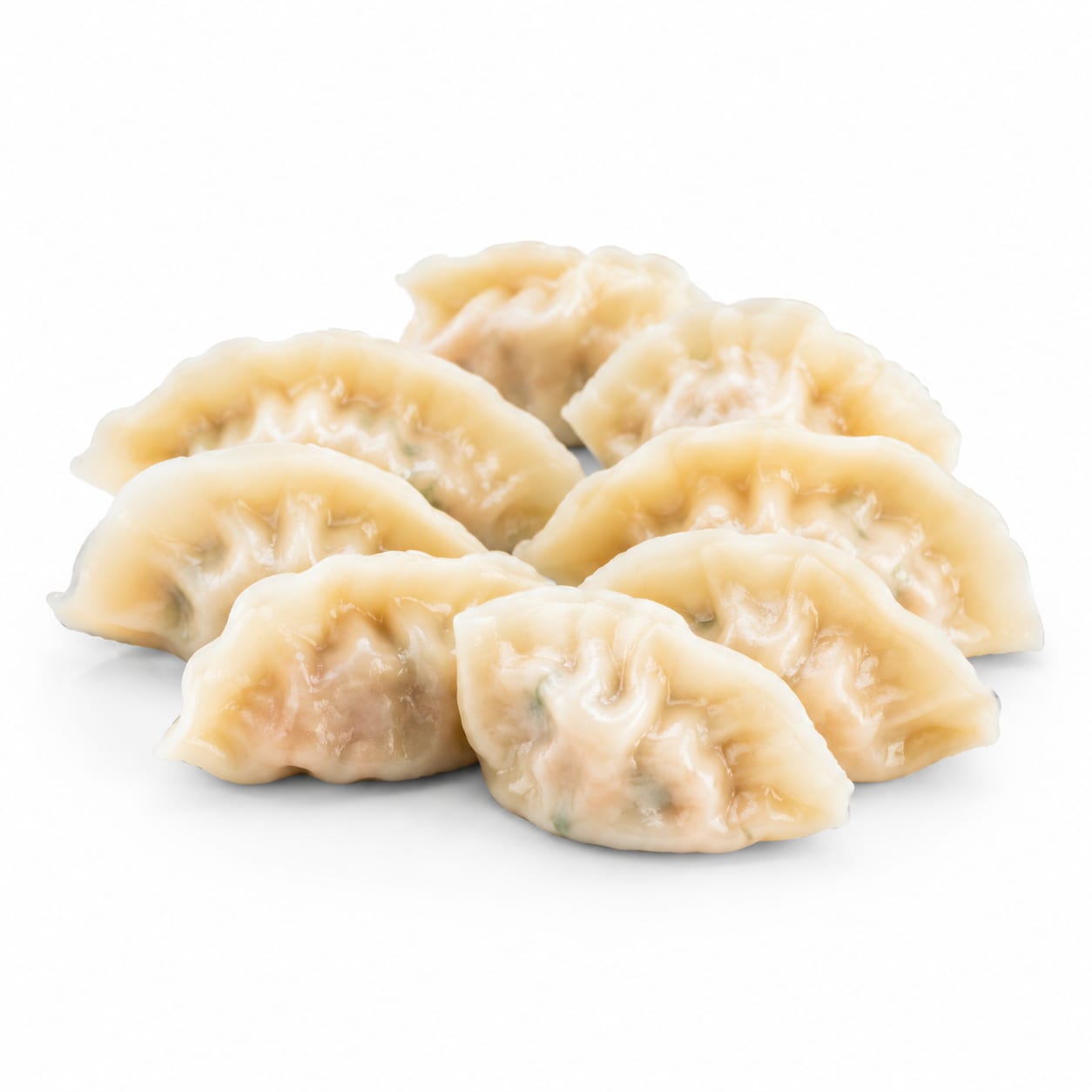
Mixed Dish
Dumpling
A wrapped dough pocket filled with meat or vegetables, commonly boiled, steamed, or pan-fried.
A broad class of dishes consisting of pieces of dough wrapped around a filling, which can be meat, seafood, or vegetables, typically cooked by boiling, steaming, or frying.
moderate-calorie carbohydrate and protein composite food
Typical serving · 150g
Common varieties · pork dumpling, chicken dumpling, vegetable dumpling, shrimp dumpling, potsticker +1 more
Overall context score across nutrition, safety, and diet fit
The story
What makes it unique
Dumplings provide a mixed macronutrient profile of refined carbohydrates from the wheat wrapper and protein and fat from the filling. Digestion speed is moderate, slowed slightly by the fat and protein content, but the refined flour wrapper can cause a relatively rapid glycemic response. Satiety is moderate due to the combined macronutrients, though low fiber content limits prolonged fullness.
Varieties: pork dumpling · chicken dumpling · vegetable dumpling · shrimp dumpling · potsticker · soup dumpling
Per 100g
Nutrition breakdown
Macro balance and key metrics at a glance.
Energy
Density 2.15 kcal/g
Protein
Carbs
Fat
Fiber
Sugar
1.5 g
Sodium
520 mg
Potassium
140 mg
Glycemic index
55
Glycemic load
13
Water content
55%
Standout compounds
Nutrient highlights
Sodium
highElectrolyte balance
Selenium
moderateAntioxidant defense and thyroid function
Carbohydrates
highQuick energy source
Protein
moderateMuscle maintenance and satiety
Wellness map
Health scores & processing
NOVA processing scale
moderately processed · Whole food
Typically made with refined flour wrappers and seasoned meat fillings. Commercial frozen versions often contain preservatives and flavor enhancers, pushing them toward ultra-processed.
Diet compatibility
- Weight loss
- Muscle gain
- Diabetes
- Gut health
- Low carb
- High protein
- Heart health
Relative standing
Food rankings
Qualitative ranks compared to similar whole foods.
- Satietymoderate
- Blood sugarpoor
- Nutrient densitypoor
- Fitness fuelmoderate
- Processing qualitymoderate
Eat with confidence
Food safety profile
Primary safety risks involve undercooked meat fillings, particularly pork. Commercial varieties can be high in sodium and may contain preservatives.
Evidence confidence 85%
- Pesticideslow
- Antibioticsmoderate
- Heavy metalslow
- Contaminationmoderate
Watch for
- salmonella
- trichinella
- listeria
Safer choices
Homemade dumplings using lean ground poultry and whole wheat wrappers.
Prep tips
Ensure internal temperature reaches 165°F (74°C) to eliminate pathogens in meat fillings.
Sodium content in restaurant and frozen varieties often exceeds daily recommended limits per serving.
Deep dive
Health analysis
How this food may fit different goals and preparation choices.
Weight loss
Moderate calorie density and low fiber make it easy to overconsume. Frying significantly increases calorie content compared to steaming.
Blood sugar
Refined wheat wrappers digest quickly, causing moderate blood sugar spikes. Pairing with fiber-rich vegetables can help stabilize the response.
Fitness & energy
Provides a mix of fast-digesting carbs and protein, suitable for a moderate-energy meal, but high fat content in some fillings can slow digestion.
Gut health
Low fiber content offers minimal prebiotic benefit. High sodium and fat in some recipes may negatively impact gut microbiome diversity.
Processing quality
Traditional recipes use simple ingredients, but commercial products often add MSG, preservatives, and highly processed dough conditioners.
Food safety
Risk of foodborne illness if meat fillings are not cooked to safe internal temperatures. High sodium is a cardiovascular risk factor.
Common mistakes
Assuming all dumplings are equal; pan-fried potstickers have significantly more calories and fat than steamed versions.
Best preparation
Steaming or boiling to avoid added fats from pan-frying. Using whole grain wrappers and lean protein fillings.
Practical guide
Best use cases
When and how this food fits real eating patterns.
post-workout carb reload
Provides a mix of carbs and protein to replenish glycogen and support muscle recovery.
moderate calorie meal pairing
Combine a small portion of steamed dumplings with a large vegetable-based soup or stir-fry for a balanced meal.
cultural dining experience
Enjoying traditional dishes in social settings while practicing portion control.
Balance sheet
Pros & cons
Upsides
- Provides a balanced mix of carbohydrates, protein, and fat in one bite
- Steamed versions offer a lower-fat cooking option
- Versatile fillings allow for nutrient customization
- Convenient and easy to meal prep in batches
Trade-offs
- Refined flour wrappers spike blood sugar and offer little fiber
- Commercial and restaurant versions are extremely high in sodium
- Pan-frying adds significant empty calories from oil
- Calorie density makes portion control difficult
Fit check
Who is it for?
Great match
- post-workout glycogen replenishment
- quick convenience meals
- cultural food enjoyment
Consider alternatives
- strict low-carb diets
- sodium-sensitive individuals
- weight loss phases requiring high-volume eating
- blood sugar management
Side by side
How it compares
Open the full head-to-head analysis for nutrition, safety, and practical tradeoffs.
This food
Dumpling
VS95% alike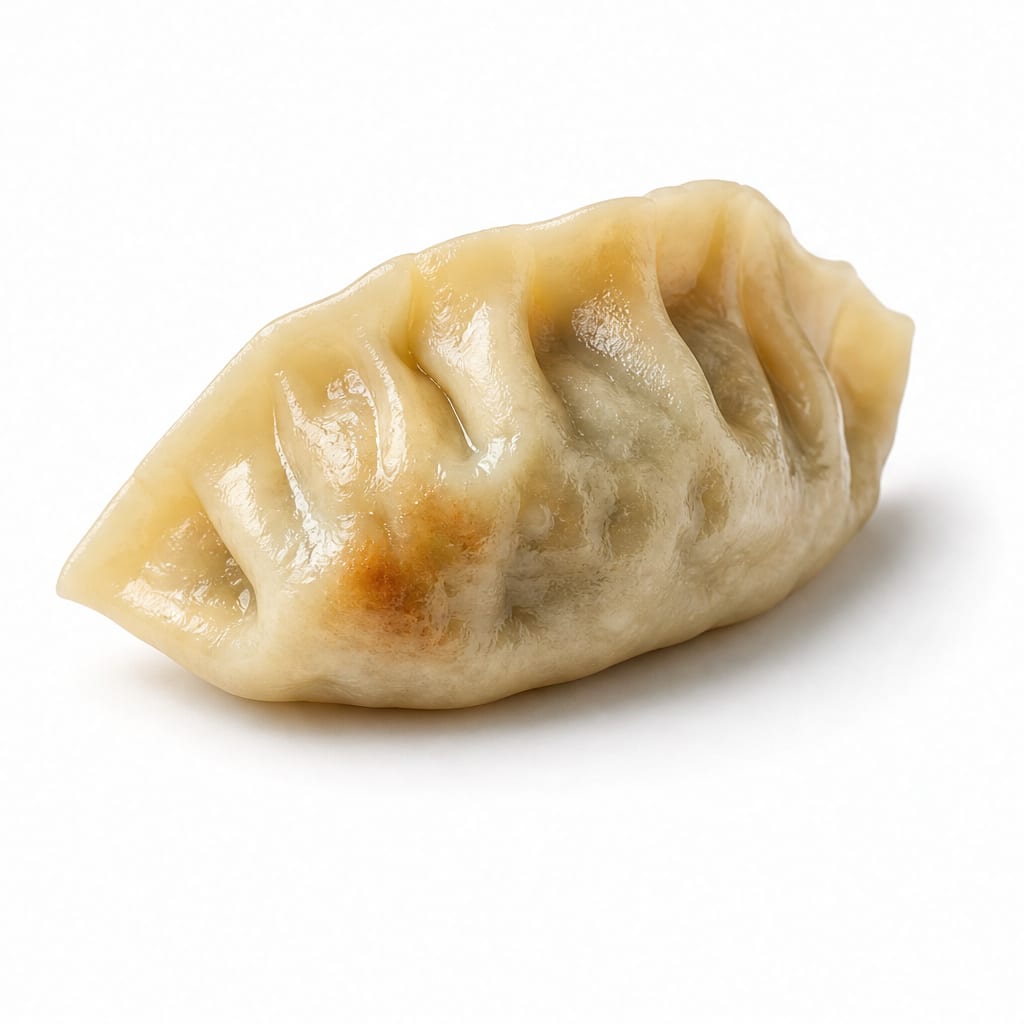
Compare with
Potsticker
Potstickers are pan-fried dumplings, making them higher in calories and fat than steamed dumplings.
Steamed dumplings are lower in calories and fat than potstickers, which absorb extra oil during pan-frying.
This food
Dumpling
VS85% alike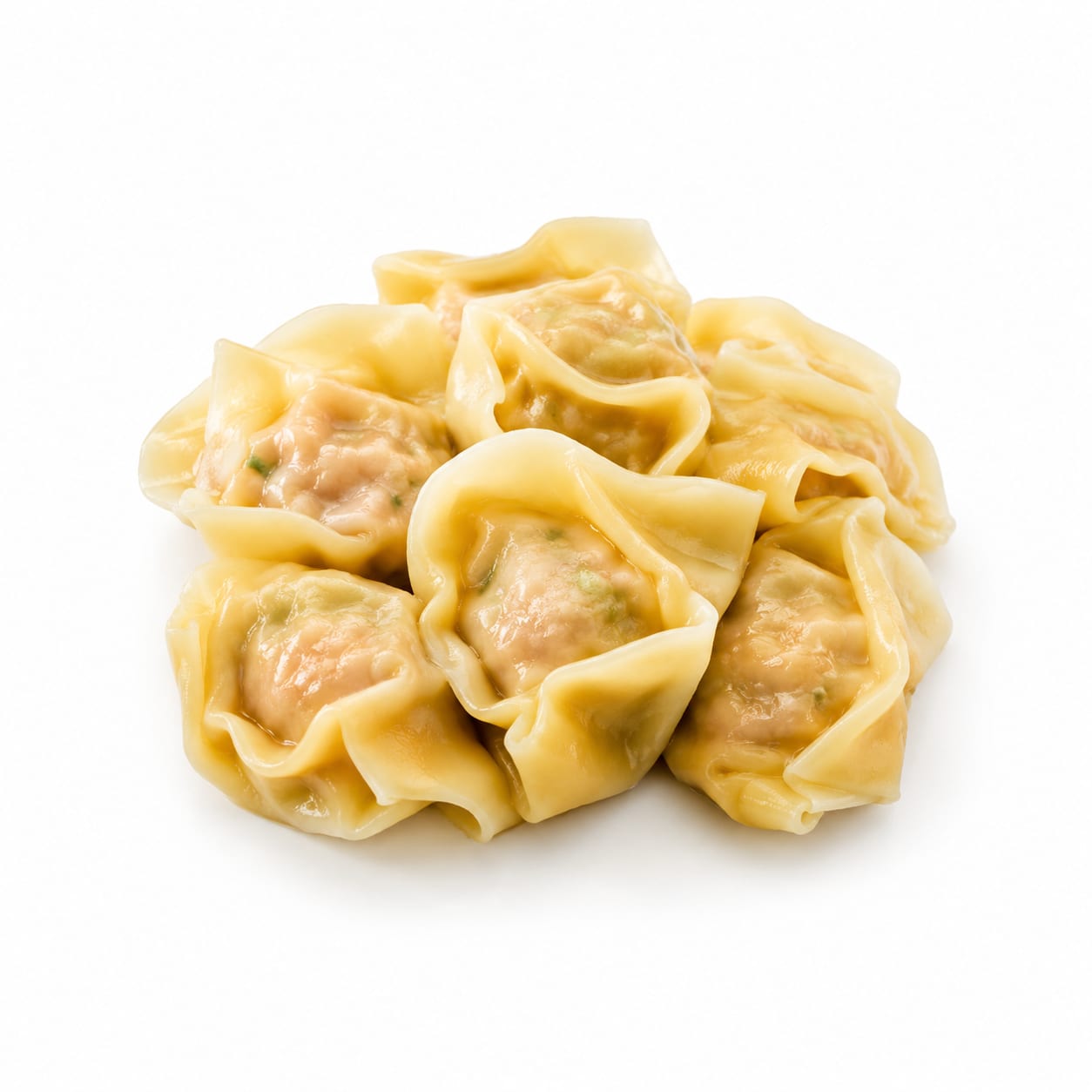
Compare with
Wonton
Wontons have thinner wrappers and are often served in broth, slightly lowering the carb density per serving compared to dumplings.
Wontons have thinner wrappers and fewer carbs than dumplings, but dumplings offer more filling and satiety.
This food
Dumpling
VS75% alike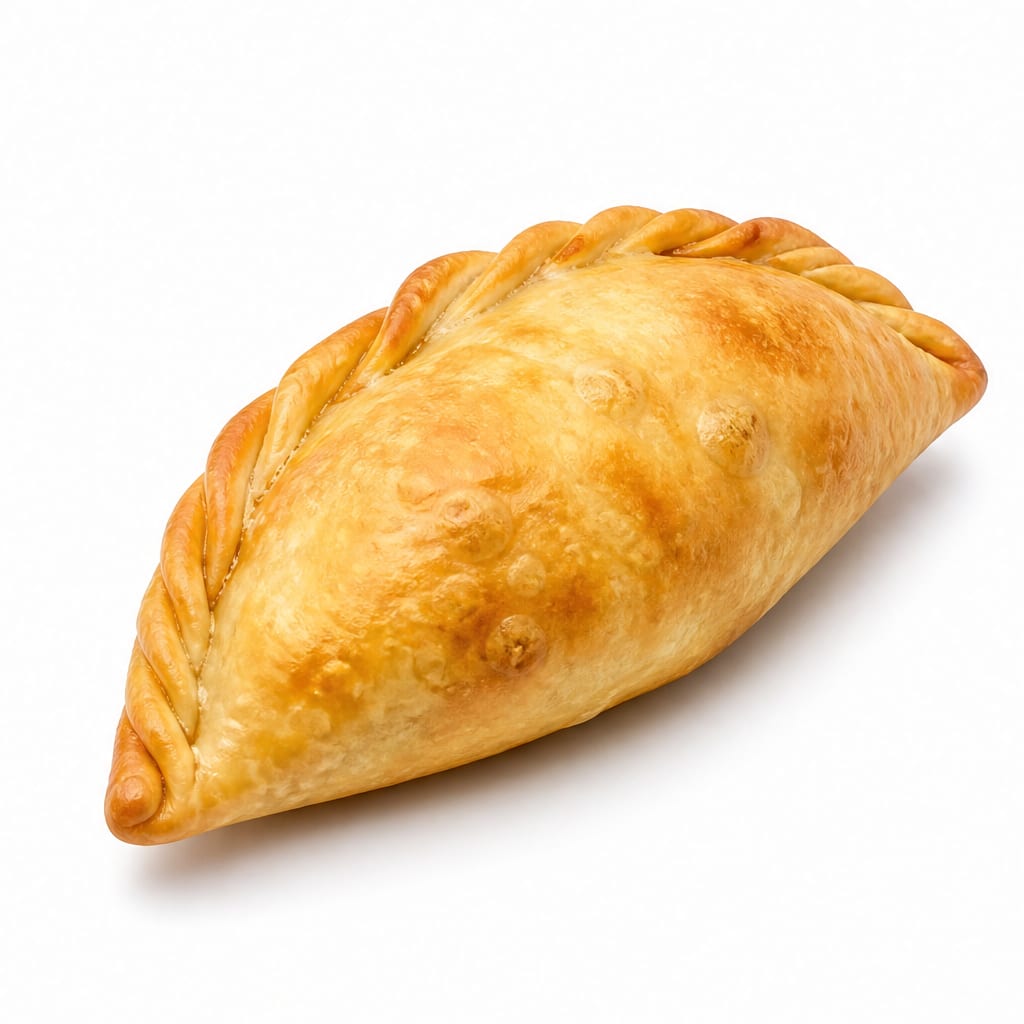
Compare with
Empanada
Empanadas are typically larger, baked or fried, and use pastry dough, resulting in higher calories and fat than standard steamed dumplings.
Dumplings are generally lower in calories than empanadas, which feature heavier, flakier dough and larger portions.
This food
Dumpling
VS70% alike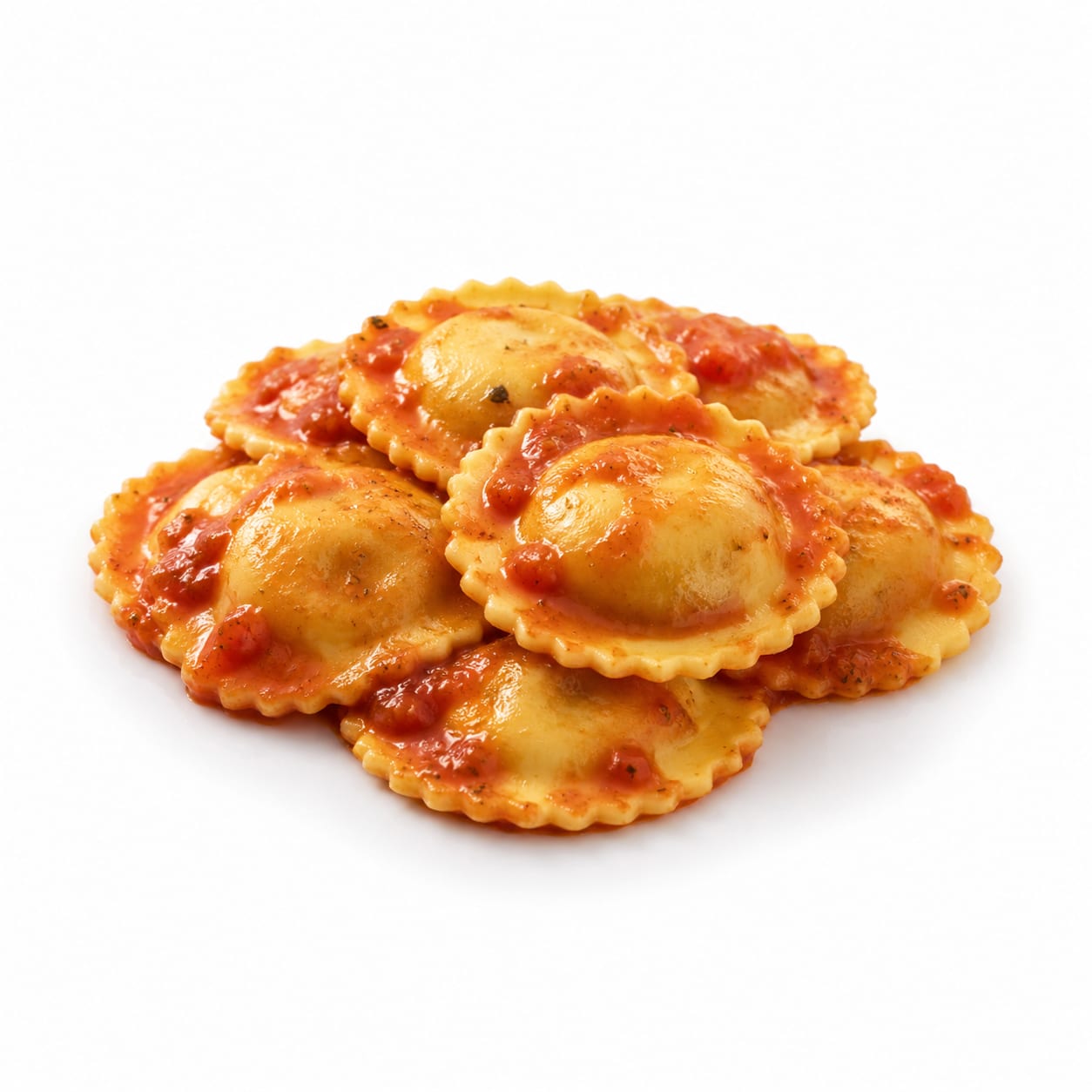
Compare with
Ravioli
Ravioli uses egg pasta dough and often cheese fillings, offering more protein but also higher calorie density than meat dumplings.
Ravioli provides more protein from cheese fillings, while steamed dumplings are lower in overall calories and fat.
This food
Dumpling
VS65% alike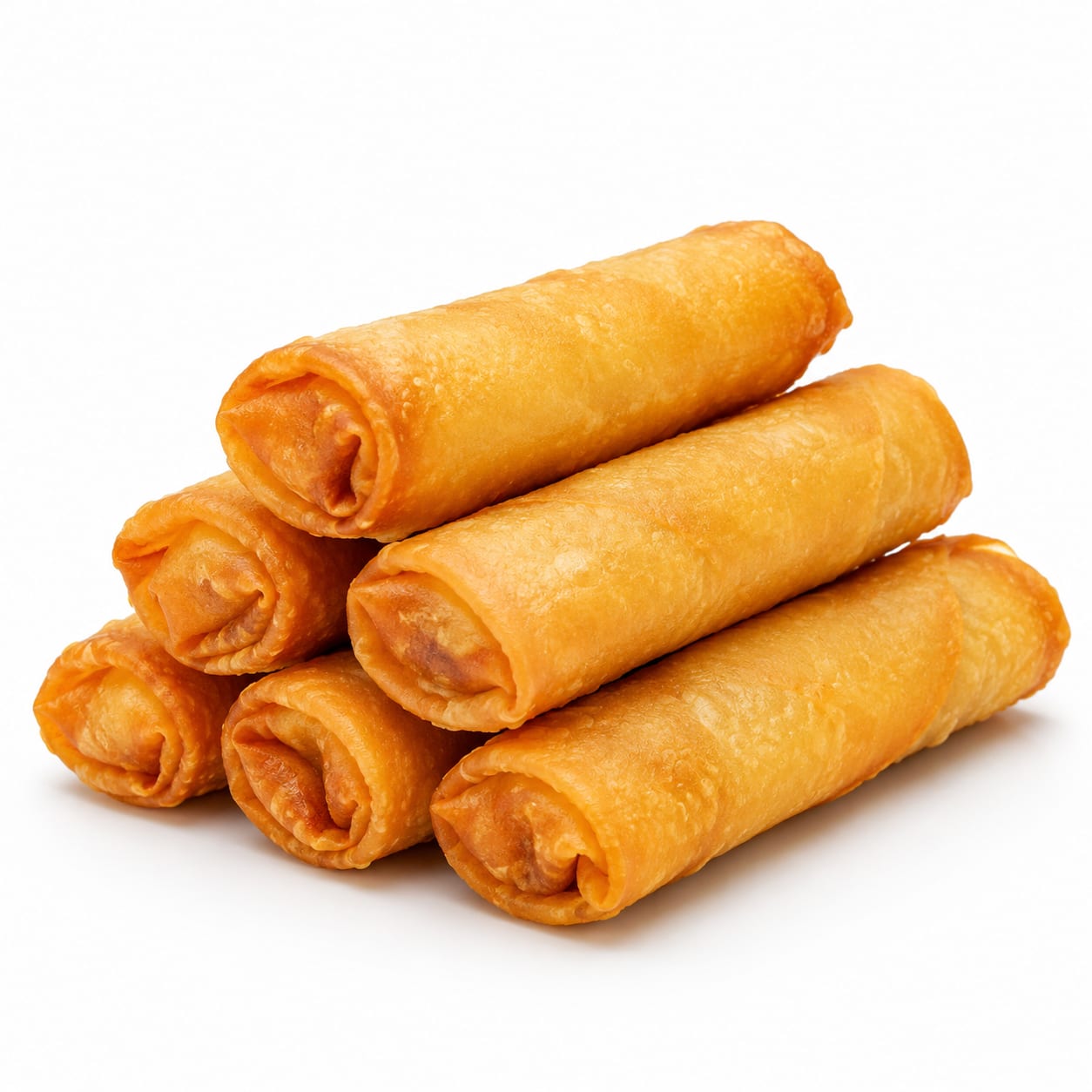
Compare with
Spring Roll
Fresh spring rolls use rice paper and raw veggies, making them much lower in calories and fat than fried or even steamed dumplings.
Fresh spring rolls are lower in calories and fat than dumplings, but dumplings provide more protein and satiety.
This food
Dumpling
VS70% alike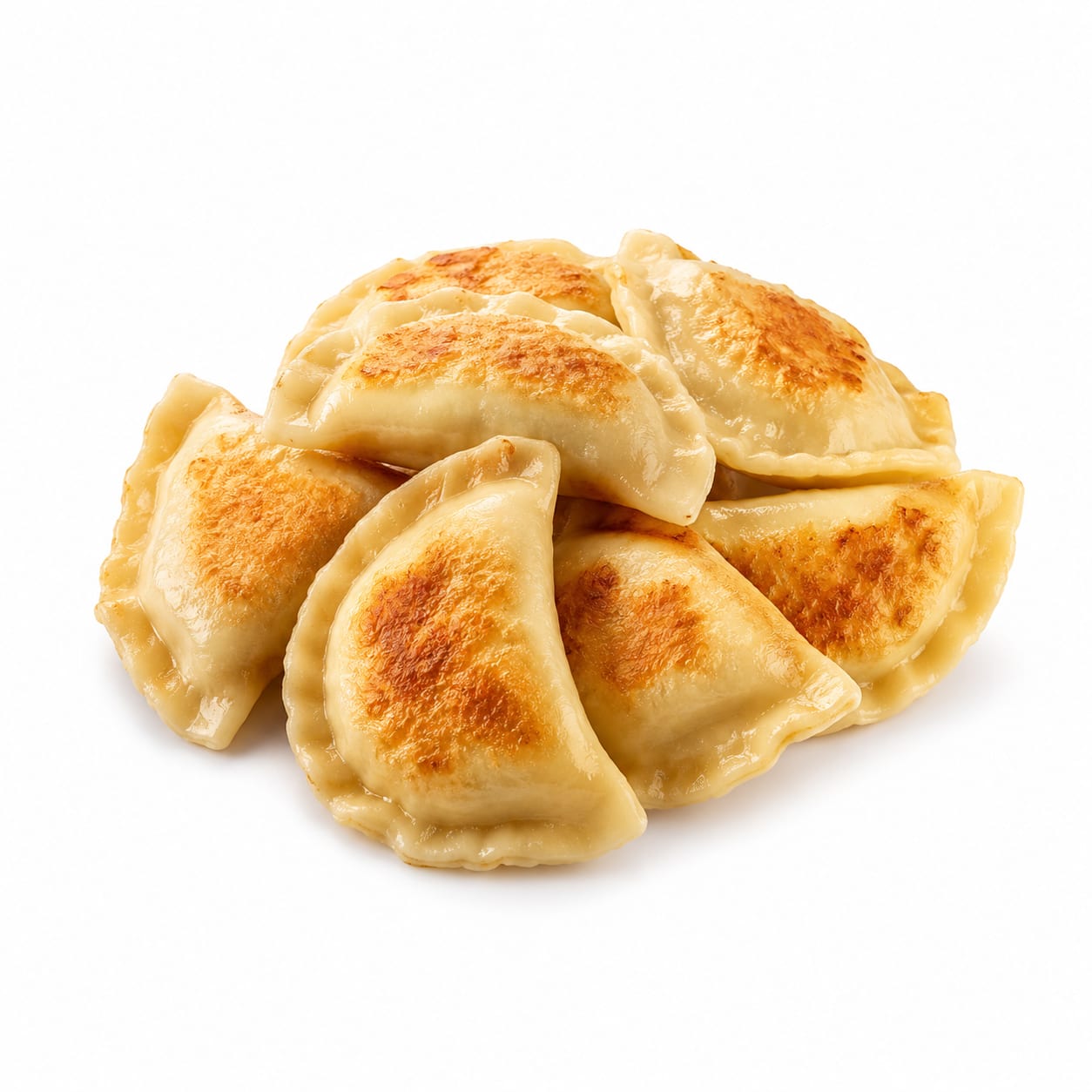
Compare with
Pierogi
Pierogi are often filled with potatoes and cheese, then boiled and pan-fried, offering less protein and more simple carbs than meat dumplings.
Meat dumplings offer more protein and better blood sugar control than potato-filled pierogi.
This food
Dumpling
VS80% alike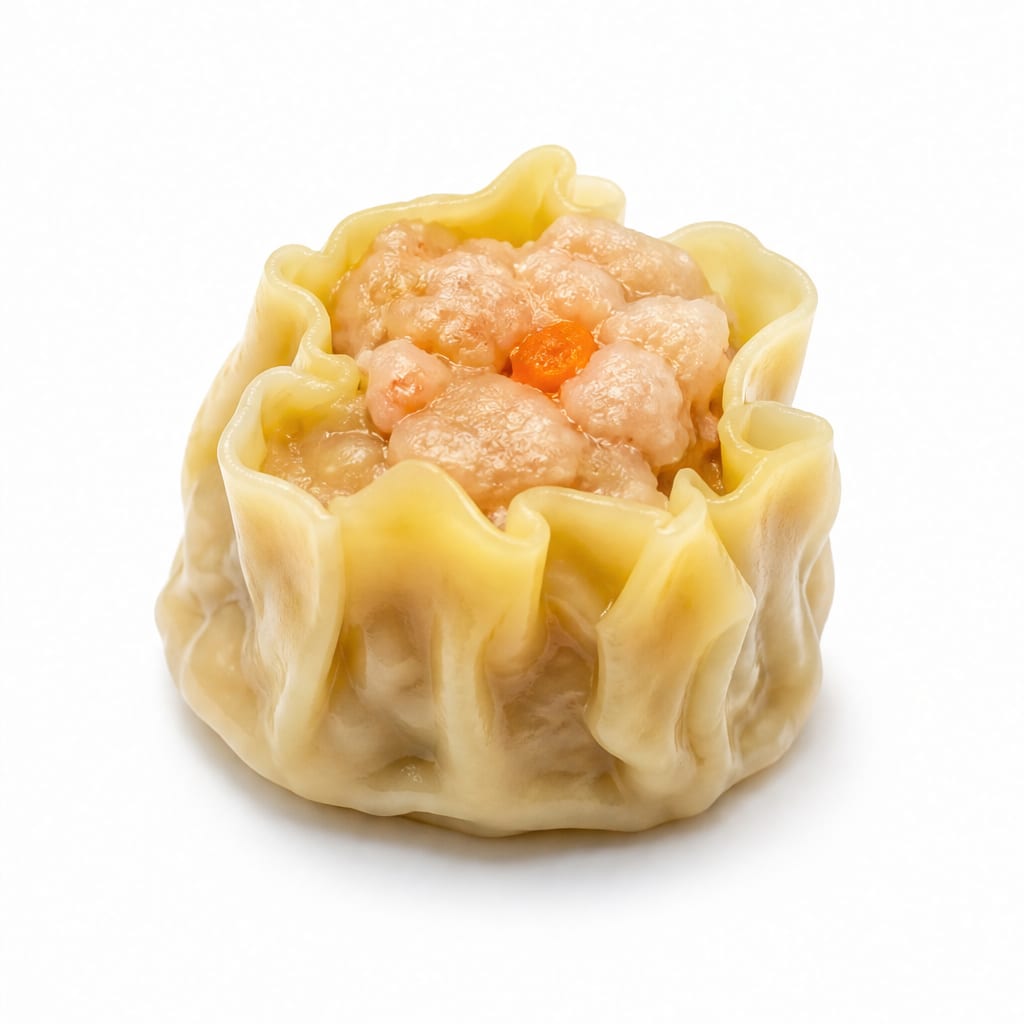
Compare with
Shumai
Shumai lacks the thick dough wrapper on top, reducing carbohydrate content slightly compared to fully wrapped dumplings.
Shumai has fewer carbs due to its open-top wrapper, while fully wrapped dumplings provide more satiety.
This food
Dumpling
VS90% alike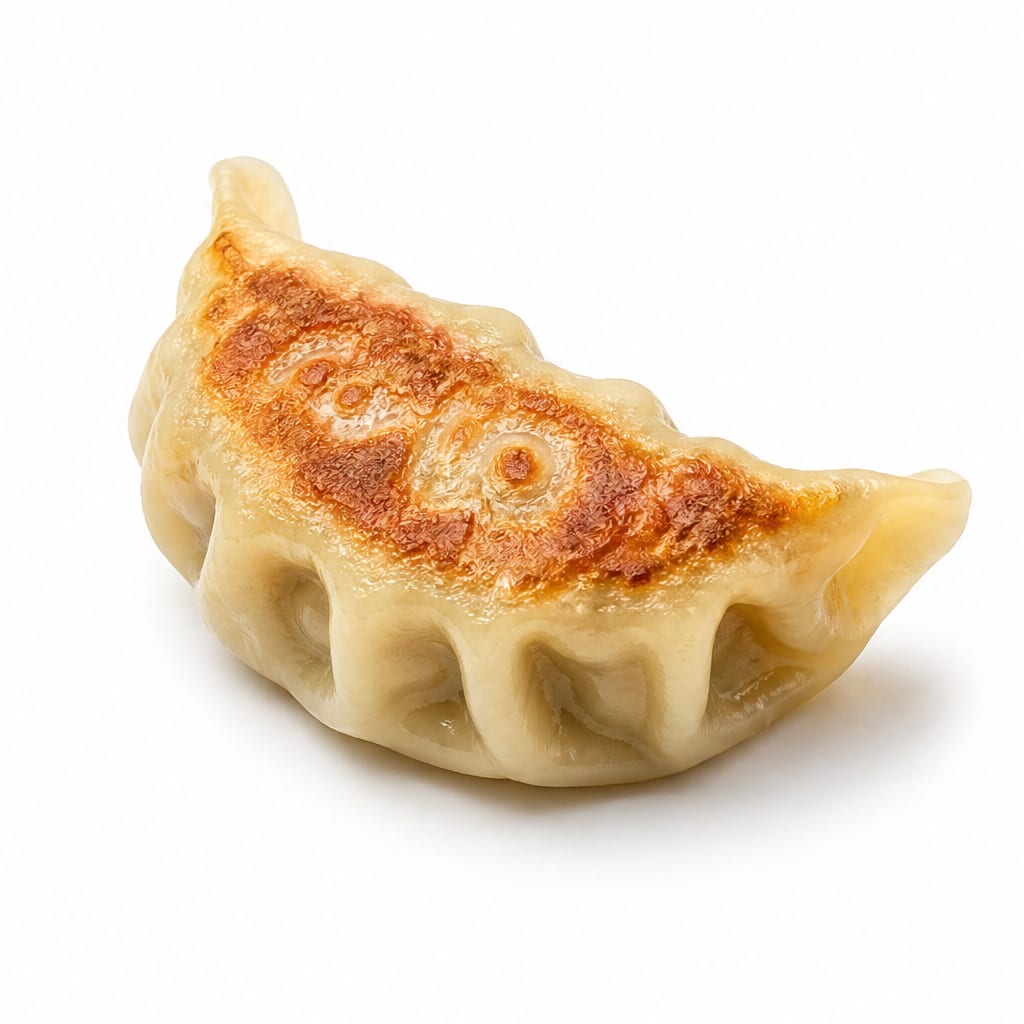
Compare with
Gyoza
Gyoza features a thinner wrapper and more garlic in the filling, and is typically pan-fried, making it similar in calories to potstickers.
Steamed dumplings are lower in fat than gyoza, which are typically pan-fried, though gyoza wrappers contain slightly fewer carbs.
This food
Dumpling
VS85% alike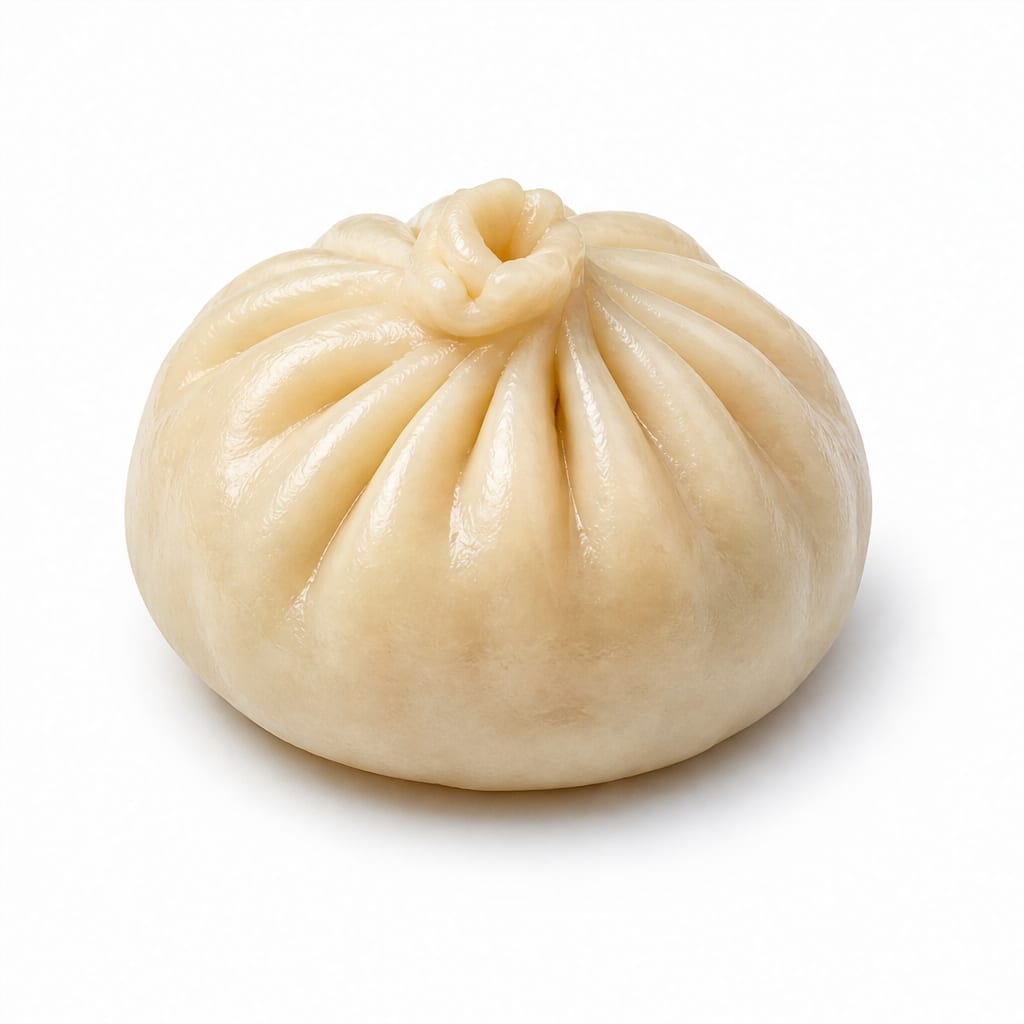
Compare with
Momo
Momos are very similar to Chinese dumplings but often use spiced lean meat and steaming, making them nutritionally nearly identical.
Momos and steamed dumplings are nutritionally similar, though momos often use leaner meats and less sodium.
This food
Dumpling
VS60% alike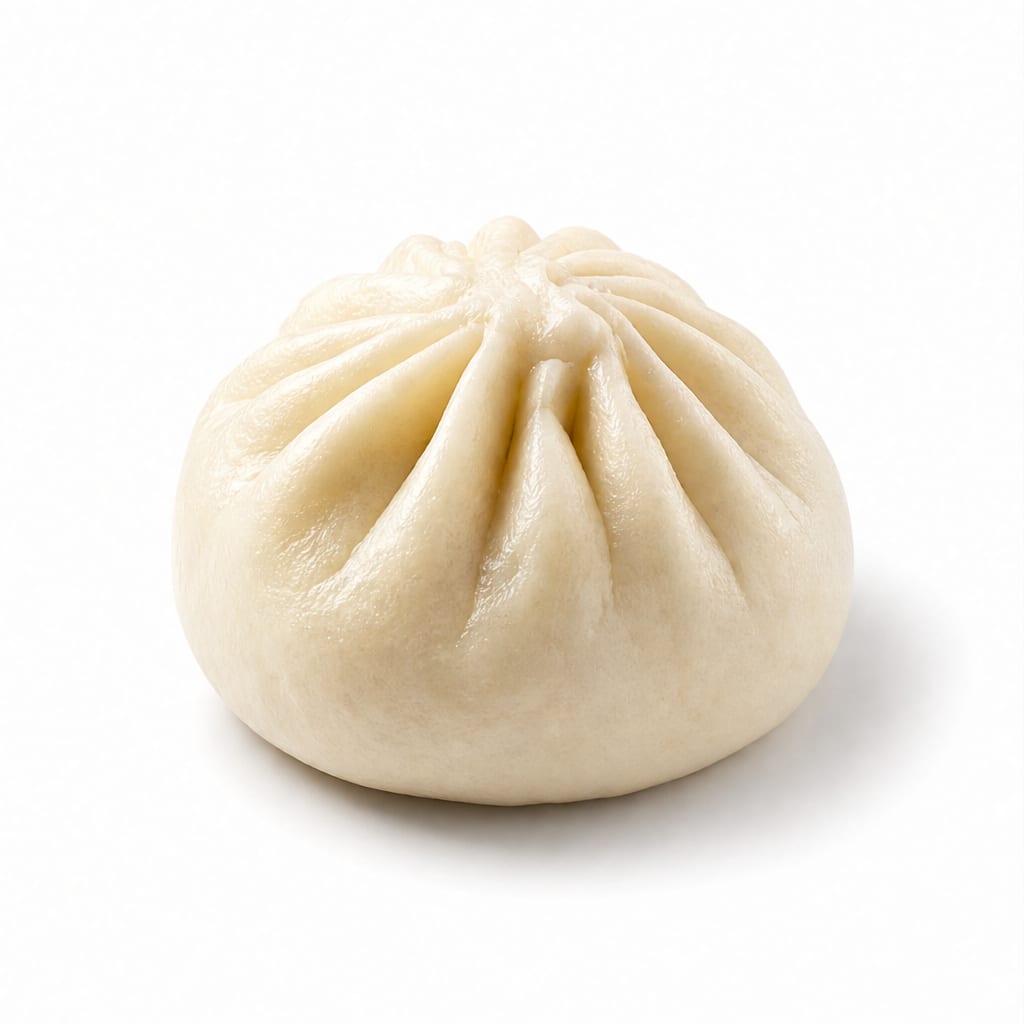
Compare with
Baozi
Baozi uses leavened bread-like dough, significantly increasing the carbohydrate content and calorie density compared to thin-wrapper dumplings.
Dumplings have fewer carbs and calories than baozi, which feature a thick, leavened bread wrapper.
Common questions
FAQ
Answers aligned with how people search for this food.
Are dumplings good for weight loss?
Dumplings are not ideal for weight loss due to moderate calorie density and low fiber, which can lead to overeating. Steamed versions are better than fried.
How many calories are in a pork dumpling?
A typical medium pork dumpling contains about 40-80 calories depending on size and cooking method, with pan-fried versions on the higher end.
Are steamed dumplings healthier than fried?
Yes, steaming avoids adding extra oil, significantly reducing the fat and calorie content compared to pan-frying or deep-frying.
Can diabetics eat dumplings?
Dumplings can raise blood sugar due to the refined flour wrapper. Diabetics should limit portion sizes and pair them with high-fiber vegetables.
Are dumplings high in carbs?
Yes, the wheat-based wrapper makes dumplings a moderate-to-high carbohydrate food.
What is the healthiest type of dumpling?
Steamed vegetable or shrimp dumplings made with whole wheat wrappers are the healthiest options, offering more nutrients and less saturated fat.
Are dumplings considered processed food?
Traditional homemade dumplings are minimally processed, but commercial frozen dumplings often contain preservatives and fall into the ultra-processed category.
Why are restaurant dumplings so high in sodium?
Restaurants use heavy seasoning, soy sauce, and sodium-based preservatives to enhance flavor and extend shelf life.
Transparency
Data confidence
Estimated confidence for nutrition data, interpretation, safety notes, and comparisons.
Nutrition data
Health analysis
Food safety
Comparisons