
Nutrition comparison
Dumpling vs Potsticker: Which Is Healthier and What Are the Real Tradeoffs?
Compare dumplings and potstickers nutritionally. Steamed dumplings are lighter and lower in calories, while potstickers are crispier and more satisfying but higher in fat. Find out which fits your goals.
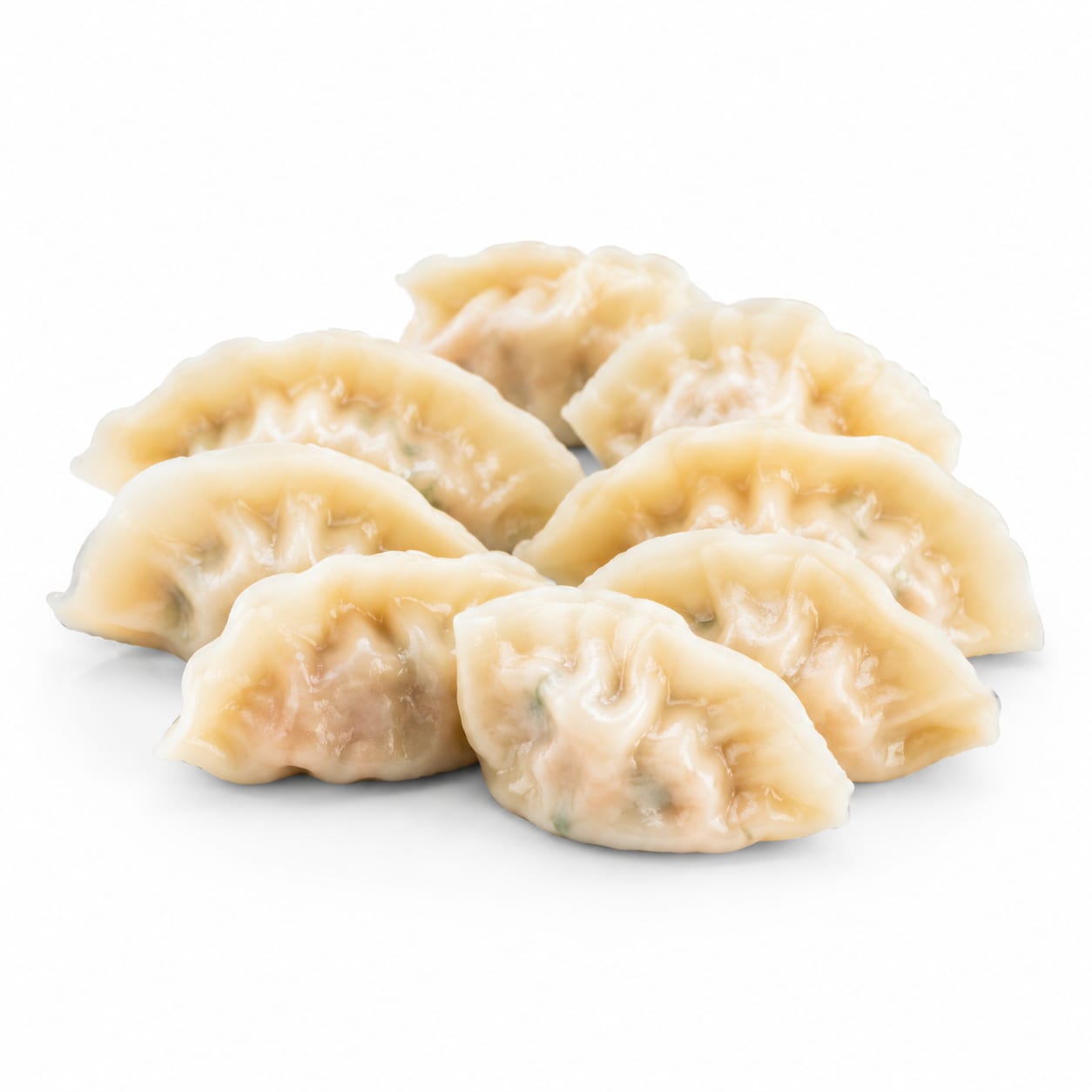
Dumpling
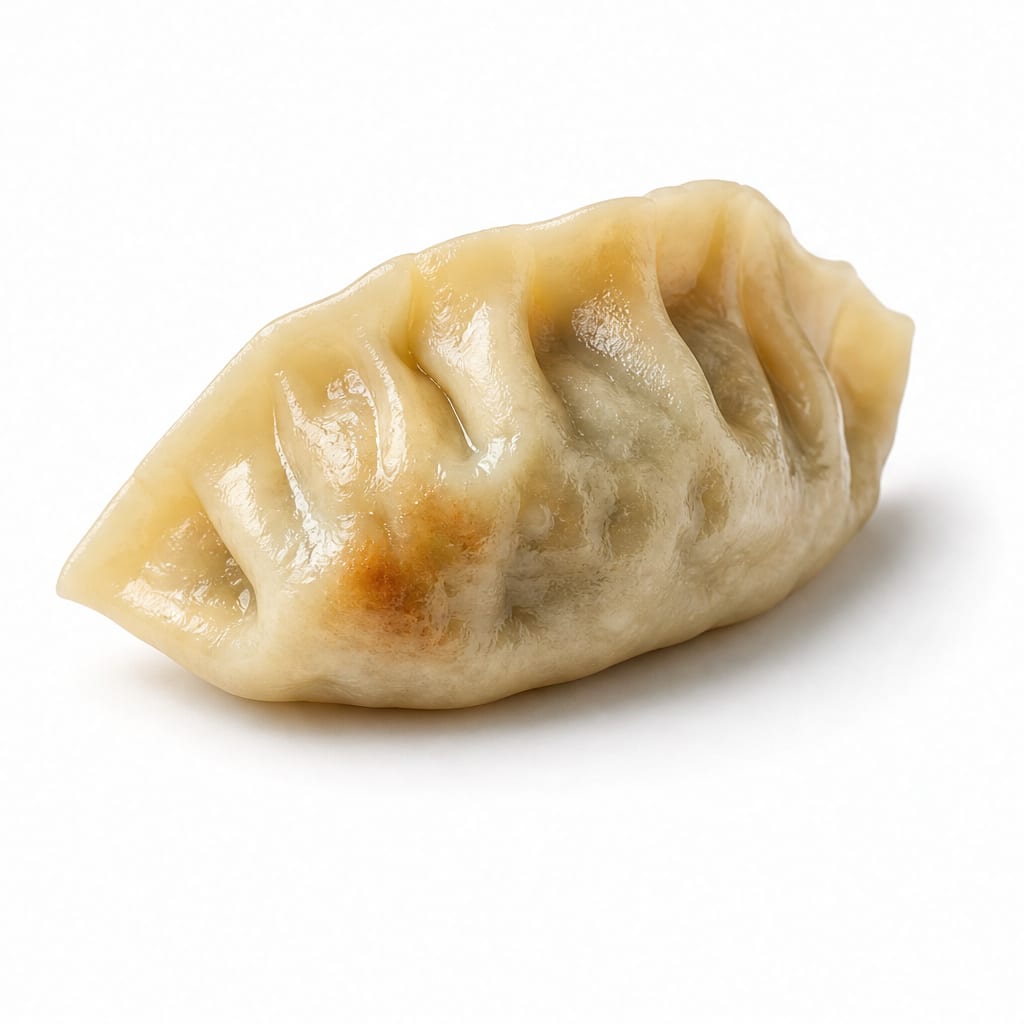
Potsticker
Steamed or boiled dumplings are lighter and lower in calories, while potstickers are crispier and more satisfying but significantly higher in fat due to pan-frying.
Dumplings score higher primarily because steaming or boiling preserves a lighter nutritional profile with less added fat. Potstickers lose ground on calorie density and fat content, though they win on taste satisfaction and practicality as a quick crispy option.
You trade fewer calories and less grease for the irresistible crispy bottom and richer flavor that pan-frying provides.
At a glance
Executive summary
Overall
It depends
Healthier
Dumpling
More practical
Potsticker
Daily use
Dumpling
Key comparison lenses
cooking method nutrition impact
The core difference between dumplings and potstickers is how they are cooked — steamed/boiled vs pan-fried — which dramatically affects fat and calorie content
calorie density comparison
Pan-frying adds significant oil, making potstickers noticeably more calorie-dense per piece
satiety and satisfaction
The crispy texture of potstickers increases hedonic satisfaction but may lead to eating more pieces
everyday meal choice
People commonly choose between these as a quick meal or appetizer and want to know which fits their goals better
sodium and oil intake
Both can be high in sodium, but potstickers add extra oil from the pan-frying process
Best choice for
Dumpling
- People tracking calories or trying to lose weight
- Anyone watching their fat intake
- Those who prefer lighter meals that do not sit heavy
- Meal preppers who batch-steam for the week
Potsticker
- People craving texture and flavor satisfaction
- Those who want a more filling appetizer or snack
- Anyone eating a smaller portion and wanting it to feel indulgent
- Home cooks who love the crispy-bottom technique
Least suitable for
Dumpling
- People who find steamed food bland or unsatisfying
- Those wanting a crispy, indulgent eating experience
Potsticker
- People on low-fat or calorie-restricted diets
- Anyone sensitive to greasy foods or heavy meals
- Those eating multiple pieces as a main course
Deep comparison
Dimension by dimension
Each lens scores both foods and breaks down who each option suits.
- Dimension 1 · Priority 95Dumpling
Calorie Density
Dumpling · 78Potsticker · 52Steamed or boiled dumplings typically run 40-80 calories per piece, while potstickers can hit 70-120 calories each due to the oil absorbed during pan-frying.
Tradeoff
That crispy golden bottom adds roughly 30-50% more calories per piece compared to the steamed version.
Why it matters
If you are eating 6-8 pieces as a meal, the calorie difference can easily reach 200-300 calories — enough to matter for weight management.
Real-world impact
A plate of 8 steamed dumplings might cost you 400 calories. The same count of potstickers could push 700. That is the difference between a light lunch and a heavy one.
Dumpling
- Calorie counters
- Weight loss diets
- Light lunch seekers
Better for
Potsticker
- Calorie counters
- Weight loss diets
- People eating large portions
Worse for
- Dimension 2 · Priority 90Dumpling
Fat Content
Dumpling · 75Potsticker · 40Pan-frying adds 2-5 grams of extra fat per potsticker from cooking oil. Steamed or boiled dumplings rely only on the fat already in the filling.
Tradeoff
The oil that creates the signature crispy crust also makes potstickers significantly greasier. A serving can contain 3-4 times the fat of steamed dumplings.
Why it matters
High fat intake from added oils adds up quickly and can contribute to sluggishness after eating, especially if you are not used to greasy meals.
Real-world impact
After a plate of potstickers you may feel heavier and sleepier than after steamed dumplings. That post-meal energy crash is the fat load talking.
Dumpling
- Low-fat diets
- Digestive sensitivity
- Post-meal productivity
Better for
Potsticker
- Low-fat diets
- Gallbladder issues
- People prone to post-meal fatigue
Worse for
- Dimension 3 · Priority 88Potsticker
Taste Satisfaction
Dumpling · 60Potsticker · 88The crispy-chewy contrast of a potsticker is genuinely more satisfying to most palates than the soft, uniform texture of a steamed dumpling.
Tradeoff
You sacrifice nutritional lightness for a dramatically more enjoyable eating experience. The Maillard browning on the bottom creates flavors steaming cannot replicate.
Why it matters
Satisfaction matters for sustainability. If steamed dumplings feel like a compromise, you may overeat later to compensate.
Real-world impact
Three potstickers might leave you more satisfied than five steamed dumplings. Sometimes less of the tastier option actually works out better.
Dumpling
- People who find steamed food boring
- Emotional eaters needing satisfaction
Worse for
Potsticker
- Flavor-driven eaters
- Smaller portion strategies
- Social dining and sharing
Better for
- Dimension 4 · Priority 72It depends
Sodium Load
Dumpling · 55Potsticker · 50Both are typically high in sodium from soy sauce, filling seasonings, and dipping sauces. Potstickers sometimes get an extra salt sprinkle for the crispy crust, but the difference is minor.
Tradeoff
Neither is a low-sodium choice. The real sodium driver is the dipping sauce, not the cooking method.
Why it matters
If blood pressure is a concern, both foods require caution. The cooking method matters less than how heavily you dip.
Real-world impact
Swapping soy sauce dip for a vinegar-based one cuts sodium more than switching from potstickers to steamed dumplings.
Dumpling
- Hypertension patients
Worse for
Potsticker
- Hypertension patients
Worse for
- Dimension 5 · Priority 70Dumpling
Digestive Comfort
Dumpling · 78Potsticker · 55Steamed or boiled dumplings are gentler on the stomach. The extra oil in potstickers can slow digestion and trigger heartburn in sensitive people.
Tradeoff
Lighter preparation means easier digestion but less flavor excitement. Greasier food takes longer to leave your stomach.
Why it matters
If you have reflux, IBS, or simply dislike feeling stuffed, the steamed version is noticeably more comfortable.
Real-world impact
Steamed dumplings for lunch? You can still focus at your 2pm meeting. Potstickers? You might be fighting a food coma.
Dumpling
- Acid reflux sufferers
- IBS-sensitive individuals
- Midday meal eaters
Better for
Potsticker
- Acid reflux sufferers
- People prone to bloating
Worse for
- Dimension 6 · Priority 65Potsticker
Convenience and Practicality
Dumpling · 60Potsticker · 75Frozen potstickers are widely available, easy to cook in a single pan, and deliver a restaurant-quality result at home with minimal technique.
Tradeoff
Steaming requires a bamboo steamer or steaming setup, which is slightly more equipment and attention. Boiling is easy but can lead to dumplings falling apart.
Why it matters
The easier a food is to cook well, the more likely you are to make it at home instead of ordering takeout.
Real-world impact
Most home cooks find the pan-fry-and-steam method for potstickers more foolproof than getting steamed dumplings right without sticking or tearing.
Dumpling
- People without steaming equipment
Worse for
Potsticker
- Busy weeknight cooks
- Beginner home chefs
- Minimal cleanup preference
Better for
Timeline
Health impact over time
Short-term
Hours to days
Dumpling
- Lighter post-meal feeling with less sluggishness
- Lower blood fat spike after eating
- Easier digestion with less bloating risk
Potsticker
- Higher satiety from fat content but potential food coma
- Possible heartburn or reflux from the grease
- More immediate satisfaction and fullness per piece
Long-term
Months to years
Dumpling
- Easier to maintain calorie balance when eaten regularly
- Lower cumulative fat intake supports heart health
- Better fit for consistent weekly consumption without weight creep
Potsticker
- Regular consumption adds significant hidden calories from cooking oil
- Higher fat intake may contribute to gradual weight gain if portions are not controlled
- The satisfying taste can encourage more frequent indulgence
Risk profile
Safety & processing
Both dumplings and potstickers are similarly processed — the fillings and wrappers are comparable. The only real difference is the cooking oil added during pan-frying. Store-bought frozen versions of both may contain preservatives, but homemade versions of either are equally natural.
Dumpling
Undercooked pork filling
highSteamed or boiled dumplings must reach internal temperature of 165°F. Thick dumplings can cook on the outside while the center remains raw, especially when boiled.
Cross-contamination from raw meat filling
mediumHandling raw pork-filled dumplings before cooking can spread bacteria to surfaces and utensils.
Potsticker
Undercooked pork filling
mediumThe pan-fry-then-steam method typically cooks filling more reliably than steaming alone, but thick potstickers still need verification.
Oil splatter and burn risk
lowAdding water to hot oil during the steam phase can cause splattering. More of a kitchen safety issue than a food safety one.
Who wins for whom
Audience fit
Same foods, different winners depending on your goal.
children
PotstickerKids overwhelmingly prefer the crispy texture of potstickers. The fun crunch makes them more likely to actually eat it, and the extra fat supports growing bodies.
daily consumption
DumplingThe lighter calorie and fat profile of steamed or boiled dumplings makes them more sustainable as a regular meal without gradual weight gain.
diabetes
DumplingLower fat content means less interference with insulin sensitivity. Both have similar carb loads from the wrapper, so the lighter preparation gives dumplings a slight edge.
elderly
DumplingSteamed dumplings are softer, easier to chew, and gentler on aging digestive systems. The lower fat content is also more appropriate for older metabolisms.
muscle gain
It dependsBoth provide similar protein from the filling. The choice depends on whether you need extra calories (potstickers) or want to keep lean (steamed dumplings).
weight loss
DumplingSteamed or boiled dumplings have significantly fewer calories and less fat per piece, making portion control easier and calorie tracking more forgiving.
Your move
Decision guide
Choose Dumpling
- You are watching your weight or counting calories
- Heavy, greasy meals leave you feeling sluggish
- You have acid reflux or sensitive digestion
- You eat dumplings multiple times per week
- You want a lighter lunch that will not kill your afternoon energy
Choose Potsticker
- Flavor and texture satisfaction are your top priorities
- You are eating a small portion and want it to feel worth it
- You are cooking for kids or picky eaters
- You want a foolproof home-cooking method with great results
- It is an occasional treat, not a daily habit
Either works if
- You are eating just 2-3 pieces as a side dish
- You make them from scratch and control the filling and oil
- You pair them with a large vegetable-heavy meal
- Sodium is your primary concern — both are similar there
Avoid both if
- You have celiac disease or gluten intolerance from the wheat wrappers
- You are on a strict low-sodium diet and cannot control the seasoning
- You are allergic to common fillings like pork or shellfish
- You are following a low-carb or ketogenic eating plan
Final recommendation
For everyday eating, steamed or boiled dumplings are the smarter choice — lighter, lower in calories, and easier on your body. But potstickers are the better experience, and treating yourself to them occasionally is worth the extra calories. The best strategy: steam your dumplings for daily meals, and save potstickers for when you really want that crispy satisfaction.
Practical
Consumer tips
- 1
Make potstickers lighter by using just a thin brush of oil instead of pouring it into the pan
- 2
Swap soy sauce dipping for a vinegar-chili mix to cut sodium by 60% or more
- 3
If buying frozen, check the nutrition label — some potstickers have double the fat of the same brand's steamed dumplings
- 4
Steam dumplings over a bed of cabbage leaves to prevent sticking without adding oil
- 5
Fill half your plate with vegetables and treat dumplings or potstickers as the protein-starch component
- 6
Make a big batch of dumplings and freeze them raw — steaming from frozen takes only 2-3 extra minutes
- 7
For the best of both worlds, pan-fry just the bottom of steamed dumplings for 30 seconds right before serving