
Nutrition comparison
Dumpling vs Baozi: Which Is Healthier? Nutrition, Carbs, and Satiety Compared
Dumplings vs Baozi — compare carbs, protein, sodium, and blood sugar impact. Find out which steamed option is better for weight loss, diabetes, and daily eating.
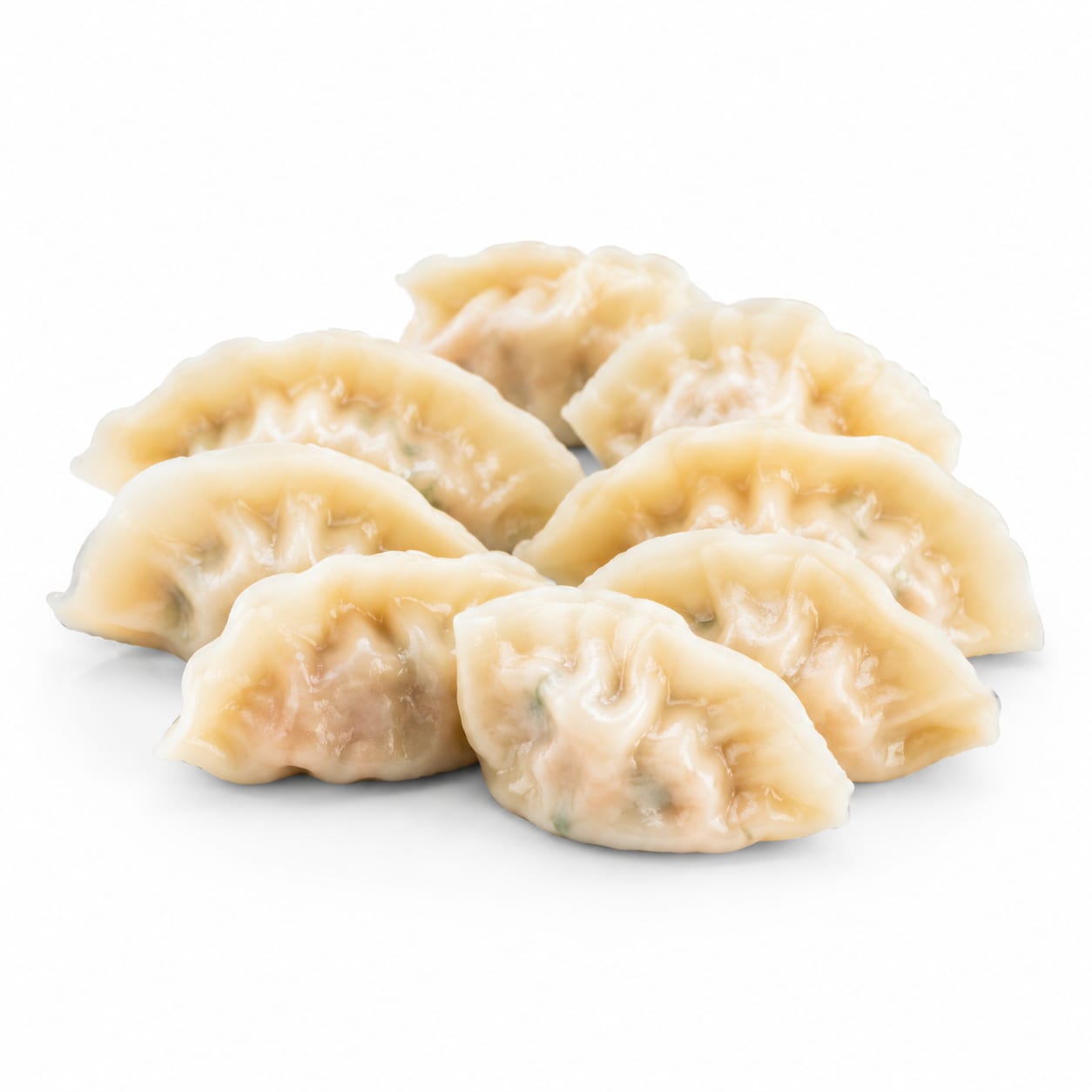
Dumpling
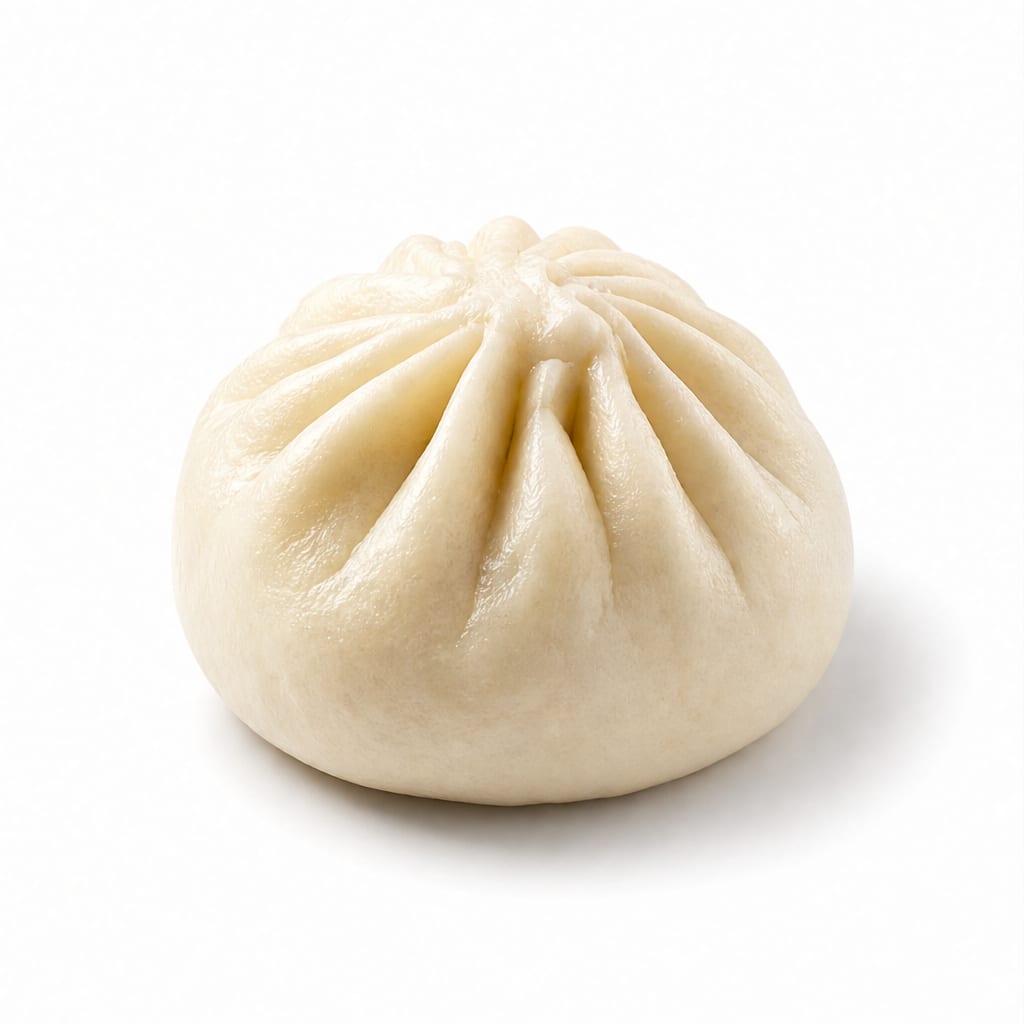
Baozi
Dumplings win for protein density and portion control; Baozi win for morning convenience and digestive comfort. The thick dough flips the tradeoff.
Dumplings score higher due to a better protein-to-carb ratio and easier portion control. Baozi lose ground on carbohydrate density and blood sugar impact, though they excel in convenience and digestibility. The gap is moderate because both are refined-carb foods with similar filling quality concerns.
Dumplings give you more filling per calorie, but Baozi's soft bread is more comforting and easier on an empty stomach.
At a glance
Executive summary
Overall
It depends
Healthier
Dumpling
More practical
Baozi
Daily use
It depends
Key comparison lenses
Carbohydrate load and blood sugar impact
Baozi's thick leavened dough delivers significantly more carbs per serving than Dumplings' thin wrappers, making glycemic impact the starkest difference
Portion control and calorie management
Dumplings are bite-sized and easier to moderate; Baozi are large and deceptively calorie-dense due to the bread-like shell
Protein-to-carb ratio for satiety
Users choosing between these often want to know which keeps them full longer without a carb crash
Sodium and sauce consumption
Dumplings are typically dunked in soy-based sauces, adding hidden sodium that Baozi don't require
Breakfast vs snack versatility
Baozi is a traditional breakfast staple while Dumplings skew toward lunch, dinner, or snacking contexts
Best choice for
Dumpling
- People tracking calories or macros
- Those wanting higher protein-to-carb ratios
- Anyone prone to afternoon carb crashes
- Folks who enjoy eating slowly with dipping sauces
Baozi
- Busy commuters needing a handheld breakfast
- People with sensitive stomachs who need gentle foods
- Those wanting a comforting, warm meal on a cold morning
- Anyone who finds small bites too easy to overeat
Least suitable for
Dumpling
- People strictly limiting sodium (due to dipping sauces)
- Those wanting a quick one-handed meal on the go
- Anyone avoiding wheat gluten in large quantities
Baozi
- People managing diabetes or insulin resistance
- Those on low-carb or keto-style eating patterns
- Anyone who finds bread-heavy meals leave them sluggish
Deep comparison
Dimension by dimension
Each lens scores both foods and breaks down who each option suits.
- Dimension 1 · Priority 92Dumpling
Carbohydrate Load and Blood Sugar Stability
Dumpling · 62Baozi · 38Dumplings have thin wheat wrappers, while Baozi wrap fillings in thick leavened dough — often 3-4x the carbs per piece.
Tradeoff
You gain comfort and softness with Baozi but absorb a much larger glycemic hit that can leave you sleepy an hour later.
Why it matters
If you eat either food in the morning, the Baozi carb load can spike blood sugar harder, especially with sweet fillings like red bean.
Real-world impact
A plate of Dumplings feels like a balanced meal. Two Baozi can feel like eating sandwiches — heavy and sedating.
Dumpling
- Steadier energy after eating
- Better blood sugar control for prediabetics
- Less post-meal drowsiness
Better for
- May not feel like enough food without multiple pieces
Worse for
Baozi
- Quick energy before physical activity
- Carb-loading needs for athletes
Better for
- Afternoon energy crash if eaten for lunch
- Problematic for anyone monitoring blood sugar
Worse for
- Dimension 2 · Priority 85Dumpling
Protein Density and Satiety
Dumpling · 70Baozi · 48Dumplings deliver more filling relative to their wrapper, giving you a higher protein-to-carb ratio per bite.
Tradeoff
Baozi's dough adds bulk and fullness, but that fullness comes from starch rather than protein — it fades faster.
Why it matters
Protein-dense meals keep you satisfied longer. Dumplings get you closer to that goal without extra carbs.
Real-world impact
Six Dumplings with pork filling feel satisfying like a real meal. Two Baozi with the same filling leave you stuffed but hungry again by 2pm.
Dumpling
- Longer-lasting fullness from more filling per calorie
- Better post-workout option with higher protein ratio
Better for
- Easy to overeat because each piece feels small
Worse for
Baozi
- Immediate physical fullness from volume
Better for
- Fullness is carb-driven and short-lived
- Less actual protein per serving
Worse for
- Dimension 3 · Priority 78Baozi
Sodium and Hidden Sauce Intake
Dumpling · 42Baozi · 68Dumplings are almost always paired with soy sauce, chili oil, or vinegar-based dips that add significant sodium. Baozi are typically eaten plain.
Tradeoff
Dumpling sauces add flavor and satisfaction but can push sodium past 800mg per meal without noticing.
Why it matters
If you have hypertension or are sodium-sensitive, the dipping habit is a stealth problem.
Real-world impact
Each Dumpling dunk can add 50-100mg sodium. After 8 pieces, you've accumulated a serious salt load. Baozi skip this entirely.
Dumpling
- More flavor control — you choose how much sauce
Better for
- Soy sauce habit easily exceeds daily sodium limits
- Chili oil adds hidden calories alongside sodium
Worse for
Baozi
- Lower default sodium without sauce dependency
- No hidden sodium from condiments
Better for
- Some pre-made Baozi have high-sodium fillings inside
Worse for
- Dimension 4 · Priority 80Dumpling
Portion Control and Eating Behavior
Dumpling · 72Baozi · 55Dumplings come in countable pieces, making it easier to track intake. Baozi are large units where one is rarely enough and two is often too much.
Tradeoff
Dumplings give you precision. Baozi give you simplicity. Precision usually wins for weight management.
Why it matters
People underestimate calories in Baozi because one piece feels like one serving — but it can pack 250-350 calories.
Real-world impact
Saying 'I had six Dumplings' is easier to track than 'I had one and a half Baozi,' which feels awkward and imprecise.
Dumpling
- Easier to count and moderate intake
- Natural stopping points every few pieces
Better for
- Grazing risk — grabbing just one more is tempting
Worse for
Baozi
- One or two is a complete meal — less decision fatigue
Better for
- All-or-nothing portioning — hard to eat half a Baozi
- Easy to overconsume without realizing calorie density
Worse for
- Dimension 5 · Priority 72Baozi
Convenience and Portability
Dumpling · 50Baozi · 82Baozi are self-contained, handheld, and sauce-free — perfect for eating while walking or commuting. Dumplings require chopsticks, plates, and dips.
Tradeoff
Baozi sacrifice the interactive eating experience for grab-and-go practicality.
Why it matters
In real life, convenience often beats nutrition. A Baozi you actually eat is better than a Dumpling you skip because it's messy.
Real-world impact
You can eat a Baozi at a bus stop with one hand. Dumplings require sitting down, managing sauce, and using both hands.
Dumpling
- More satisfying sit-down meal experience
Better for
- Requires utensils and a surface
- Not commute-friendly
Worse for
Baozi
- True one-handed eating on the go
- No sauce spills or messy fingers
- Better for busy mornings when time is tight
Better for
- Limited eating engagement — feels like fuel, not a meal
Worse for
- Dimension 6 · Priority 70Baozi
Digestive Comfort
Dumpling · 55Baozi · 75Baozi's steamed, leavened dough is soft and easy to break down. Dumpling wrappers can be denser, especially when pan-fried.
Tradeoff
Baozi are gentler on the stomach but the higher carb content can cause bloating in sensitive people.
Why it matters
If you eat first thing in the morning or have a sensitive gut, Baozi feel less aggressive.
Real-world impact
A warm Baozi on an empty stomach feels soothing. Pan-fried Dumplings can feel heavy and greasy by comparison.
Dumpling
- Boiled Dumplings are also gentle if you skip frying
Better for
- Pan-fried versions add grease that irritates some stomachs
- Denser wrappers take more effort to digest
Worse for
Baozi
- Soft texture is ideal for sensitive stomachs
- Steaming makes it easier to digest than fried options
- Traditional comfort food for recovery from illness
Better for
- Large portion of dough can cause bloating
- Yeast-fermented dough bothers some people
Worse for
Timeline
Health impact over time
Short-term
Hours to days
Dumpling
- Quick satiety from protein-rich filling if you eat enough pieces
- Potential sodium spike from heavy sauce use
- Pan-fried versions can cause greasy afterfeel and mild indigestion
- Boiled versions feel lighter and more balanced
Baozi
- Strong immediate fullness from dough volume
- Carb-driven energy spike within 30-60 minutes
- Possible drowsiness 1-2 hours after eating if filling is sweet
- Comforting and settling on an empty stomach
Long-term
Months to years
Dumpling
- Better weight management if you control sauce portions
- Higher protein intake supports muscle maintenance
- Sodium from sauces is the main long-term cardiovascular concern
- Refined wheat wrappers contribute to glycemic load over time
Baozi
- Higher chronic carbohydrate load if eaten daily
- Increased risk of insulin resistance with frequent consumption
- Lower protein intake may affect satiety and muscle preservation
- Gentle on digestion which matters for aging populations
Risk profile
Safety & processing
Both foods are traditionally made with simple ingredients — flour, water, filling, and seasonings. The processing concern comes from store-bought and frozen versions, which often add preservatives, dough conditioners, and flavor enhancers. Restaurant Dumplings may contain MSG and commercial Baozi frequently include dough softeners. Homemade versions of either are far cleaner.
Dumpling
Undercooked pork filling
highDumplings cook quickly and dense meat fillings can stay raw in the center, especially with thick homemade wrappers. Trichinosis and bacterial contamination are real risks.
Cross-contamination in shared steamers
mediumRestaurant Dumplings are often steamed alongside other items, creating potential allergen and contamination exposure.
Sauce hygiene at shared tables
mediumCommunal dipping sauces are a vector for cross-contamination, especially in busy restaurants.
Baozi
Improper holding temperature
highStreet vendors and convenience stores often hold Baozi in warmers for hours, creating bacterial growth risk if temperatures drop below safe thresholds.
Dough fermentation byproducts
lowTraditional yeast fermentation is safe, but over-fermented dough can develop off-flavors and mild digestive irritants.
Fillings spoiling in sealed buns
mediumThe enclosed nature of Baozi makes it hard to detect spoiled filling before biting in. Pork and custard fillings are highest risk.
Who wins for whom
Audience fit
Same foods, different winners depending on your goal.
children
BaoziBaozi are soft, easy to hold, and don't require chopsticks. The mild, sweet fillings appeal to kids, and there's no sauce mess to manage.
daily consumption
It dependsDumplings are better if you watch carbs and sodium. Baozi are better if you need a quick, comforting breakfast. Neither is ideal as a daily staple due to refined flour.
diabetes
DumplingThinner wrappers mean less carbohydrate per piece. Dumplings still contain refined carbs, but the glycemic load is meaningfully lower than Baozi.
elderly
BaoziThe soft, steamed texture is gentle on aging teeth and digestive systems. Baozi are a traditional recovery food in Chinese culture for good reason.
muscle gain
DumplingMore filling per calorie means more protein per serving. Dumplings paired with a soy-based dip provide a decent amino acid profile for recovery meals.
weight loss
DumplingDumplings offer better portion control and a higher protein-to-calorie ratio. Skipping or reducing sauce makes them a leaner choice overall.
Your move
Decision guide
Choose Dumpling
- You're tracking calories or macros carefully
- You want more protein relative to carbohydrates
- You're prone to blood sugar crashes after carb-heavy meals
- You enjoy the ritual of dipping sauces and eating slowly
- You're eating as part of a balanced meal with vegetables
Choose Baozi
- You need a quick handheld breakfast before work
- You have a sensitive stomach and want something gentle
- It's cold out and you want comforting, warm bread
- You're feeding kids or elderly family members
- You prefer eating with your hands, no utensils needed
Either works if
- You want a warm, satisfying comfort food
- You're eating traditional Chinese cuisine and both are available
- You're not worried about carb or calorie intake today
Avoid both if
- You're strictly limiting refined carbohydrates
- You have celiac disease or wheat intolerance
- You need a high-protein, low-carb meal — neither fits well
- You're trying to minimize sodium and processed flour intake simultaneously
Final recommendation
Choose Dumplings when nutrition and portion control matter more. Choose Baozi when convenience, comfort, and digestibility are the priority. If you eat either regularly, opt for homemade versions with whole-grain wrappers and lean fillings — the restaurant and frozen versions are where both foods lose the most nutritional ground.
Practical
Consumer tips
- 1
Ask for boiled Dumplings instead of pan-fried to cut grease and calories by 30-40%
- 2
Limit dipping sauce to a small side dish rather than pouring it over Dumplings — you'll halve your sodium
- 3
Choose vegetable or shrimp fillings over pork for both foods to reduce saturated fat
- 4
If buying frozen Baozi, check the ingredient list for dough conditioners and preservatives — shorter lists are better
- 5
Pair either food with a side of steamed greens to balance the meal and add fiber
- 6
Reheat Baozi by steaming rather than microwaving to avoid tough, chewy dough
- 7
For Dumplings, vinegar-based dips are lower in sodium than soy sauce-based ones
- 8
Avoid street-vendor Baozi that have been sitting in warmers for unknown periods