
Nutrition comparison
Dumplings vs Pierogi: Which Is Healthier? Nutrition Comparison
Dumplings vs pierogi — compare protein, carbs, calories, and fat. Find out which is better for weight loss, blood sugar, and everyday eating.
Overall winner · Dumpling
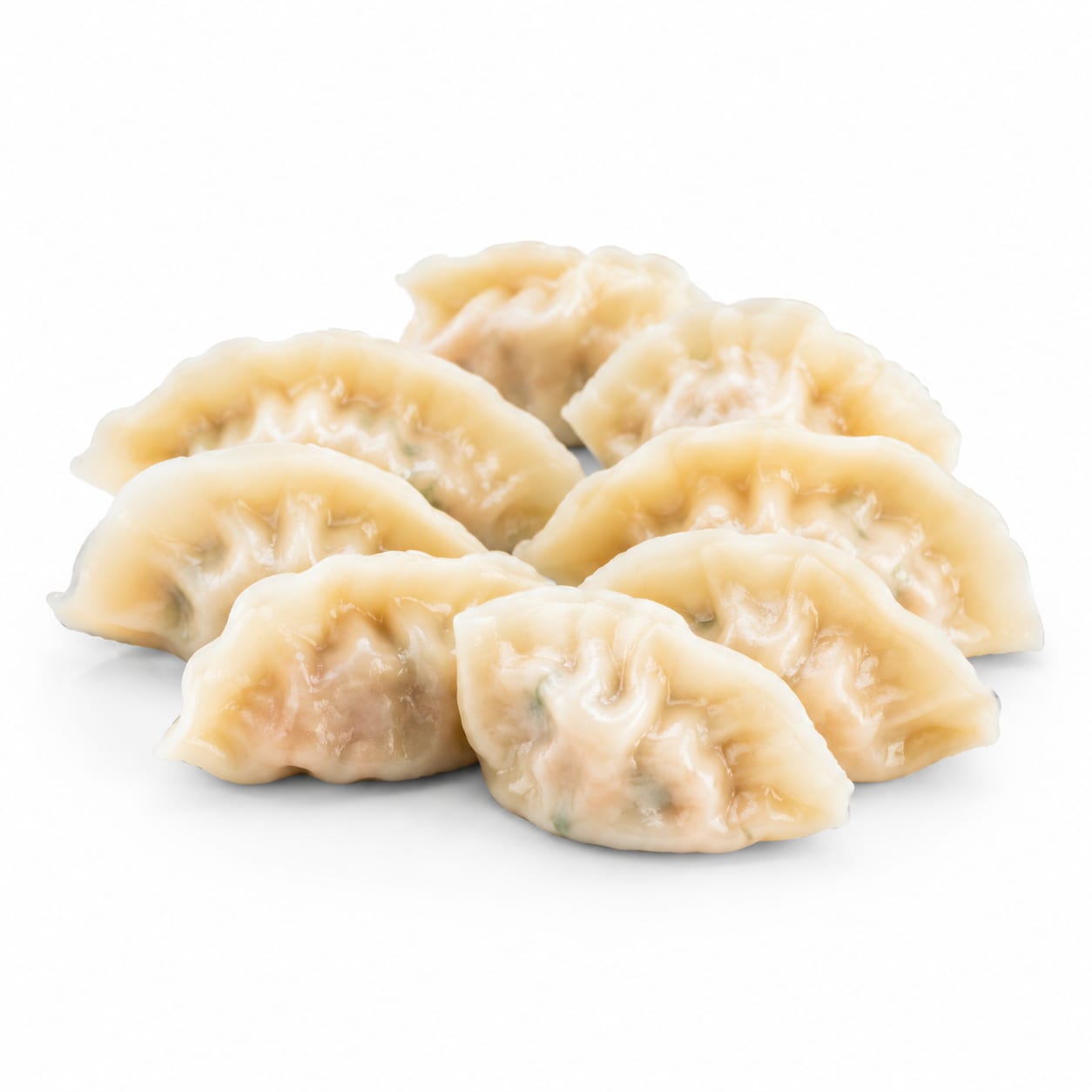
Dumpling
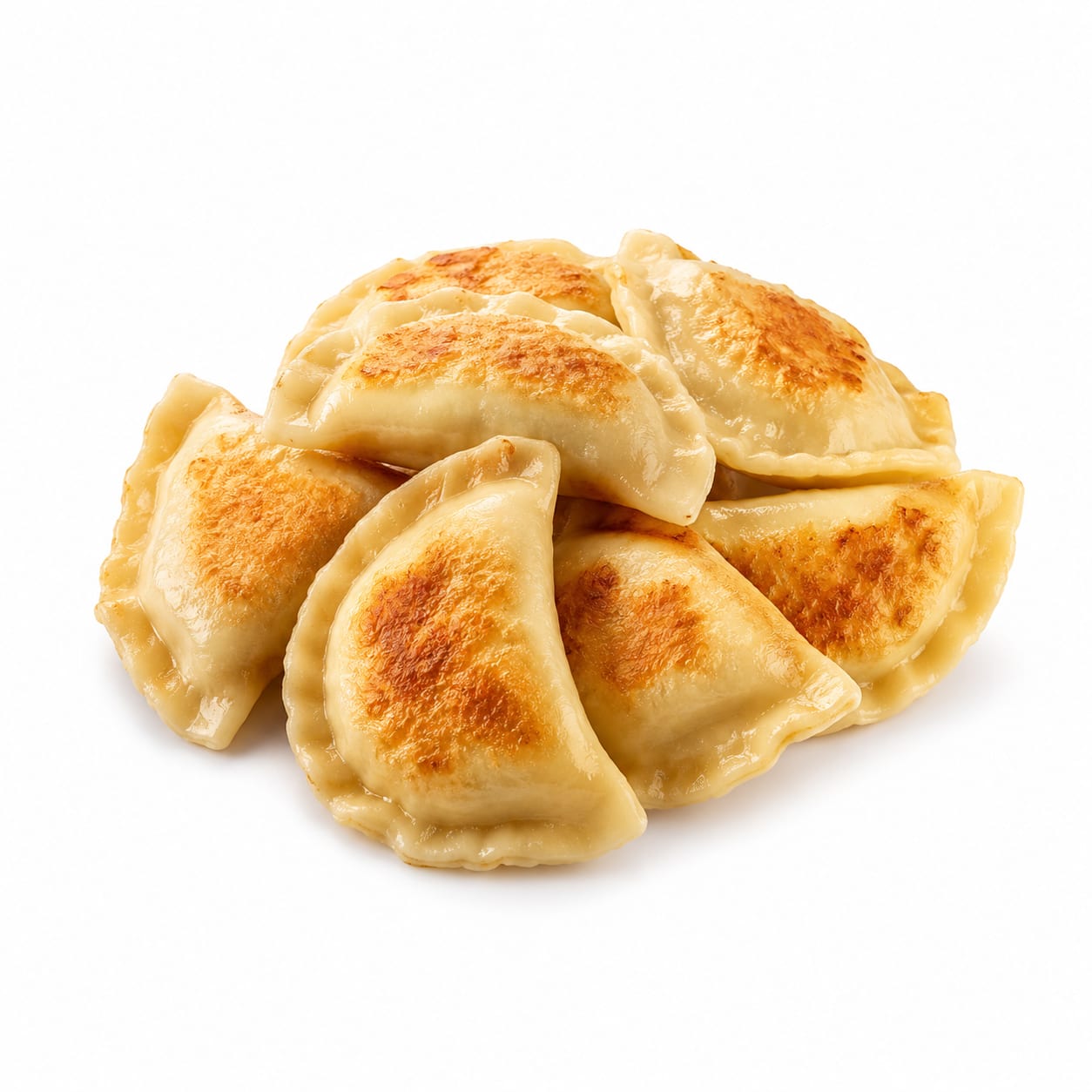
Pierogi
Dumplings generally edge out pierogi thanks to higher protein, lighter carb load, and more flexible cooking methods — but pierogi win on comfort and satisfying richness.
Dumplings score higher primarily due to better protein-to-carb ratios and lighter calorie density. Pierogi lose ground on carbohydrate load and saturated fat, though they excel at delivering comfort and satisfaction. The gap narrows significantly when comparing steamed dumplings to boiled-only pierogi.
Dumplings give you leaner protein and steadier energy; pierogi deliver comforting carbs and creamy satisfaction at a higher calorie cost.
At a glance
Executive summary
Overall
Dumpling
Healthier
Dumpling
More practical
It depends
Daily use
Dumpling
Key comparison lenses
carbohydrate load and blood sugar impact
Pierogi's potato filling and thicker dough create a significantly heavier carb hit than most dumplings
protein quality and satiety
Dumplings typically pack more meat protein per bite, keeping you fuller longer
fat profile and cooking method
Pierogi are often pan-fried in butter and served with sour cream, adding saturated fat that steamed dumplings avoid
portion control and overeating risk
Both are easy to overeat, but pierogi's density makes calorie stacking faster
sodium and sauce impact
Dumplings paired with soy-based dipping sauces can spike sodium intake quickly
Best choice for
Dumpling
- Higher protein intake with meat or seafood fillings
- Lighter meals that won't leave you sluggish
- Blood sugar management and lower carb eating
- Post-workout recovery when filled with lean protein
Pierogi
- Comfort food cravings and emotional eating
- Hearty cold-weather meals that feel deeply satisfying
- Vegetarian meals when filled with potato and cheese
- Budget-friendly filling meals using inexpensive ingredients
Least suitable for
Dumpling
- Strict low-sodium diets due to dipping sauce habits
- People avoiding wheat or gluten
- Those wanting a fully vegetarian meal without careful selection
Pierogi
- Low-carb or keto eating plans
- Weight loss diets due to high calorie density
- Blood sugar management and diabetes
- Anyone watching saturated fat intake
Deep comparison
Dimension by dimension
Each lens scores both foods and breaks down who each option suits.
- Dimension 1 · Priority 90Dumpling
Protein Quality and Quantity
Dumpling · 72Pierogi · 38Dumplings typically deliver 8-12g protein per serving from meat or seafood fillings, while pierogi's potato-cheese filling offers only 4-6g.
Tradeoff
You get substantially more muscle-fueling protein from dumplings, but pierogi's cheese filling provides some complete protein if that's your only option.
Why it matters
Protein keeps you full and stabilizes blood sugar. A dumpling meal holds you longer between meals than a pierogi meal of equal calories.
Real-world impact
After a dumpling lunch, you're less likely to crave a snack at 3pm. After pierogi, the carb crash can hit within two hours.
Dumpling
- Muscle maintenance and growth
- Staying full between meals
- Active individuals needing protein spread throughout the day
Better for
- Vegetarian and vegan eaters unless specifically veggie-filled
Worse for
Pierogi
- Vegetarians who rely on dairy protein
Better for
- Anyone needing substantial protein per meal
- Athletes in training phases
Worse for
- Dimension 2 · Priority 92Dumpling
Carbohydrate Load and Blood Sugar
Dumpling · 65Pierogi · 32Pierogi combine thick wheat dough with starchy potato filling — essentially carbs wrapped in carbs. Dumplings use thinner wrappers and often pair carbs with protein.
Tradeoff
Dumplings create a gentler blood sugar curve. Pierogi can cause a faster spike and subsequent energy dip, especially if boiled and eaten without protein sides.
Why it matters
Steady blood sugar means steady energy and fewer cravings. Pierogi's double-starch hit is tough on metabolic balance.
Real-world impact
A plate of pierogi can leave you reaching for coffee an hour later. Dumplings with meat filling provide more sustained energy.
Dumpling
- People managing prediabetes or diabetes
- Anyone avoiding afternoon energy crashes
- Low-to-moderate carb eating styles
Better for
- Those wanting maximum carb energy for physical labor
Worse for
Pierogi
- Endurance athletes carb-loading before events
- People needing quick caloric energy in cold conditions
Better for
- Insulin-resistant individuals
- Anyone monitoring glycemic load
- Low-carb dieters
Worse for
- Dimension 3 · Priority 85Dumpling
Fat Profile and Saturated Fat
Dumpling · 68Pierogi · 40Steamed or boiled dumplings keep fat low. Pierogi are typically pan-fried in butter and served with sour cream, stacking saturated fat quickly.
Tradeoff
Dumplings can stay lean if steamed; pierogi almost always carry significant saturated fat from butter, cheese, and sour cream traditions.
Why it matters
Saturated fat from butter and cheese adds up fast with pierogi, impacting heart health when eaten regularly.
Real-world impact
Six pierogi with butter and sour cream can deliver 15-20g saturated fat — close to a full day's limit. Steamed dumplings stay under 5g.
Dumpling
- Heart-conscious eaters
- Anyone tracking saturated fat intake
- Lighter dinner preferences
Better for
- Pan-fried potstickers can approach pierogi fat levels
Worse for
Pierogi
- People needing calorie-dense meals in cold climates
- Traditional food enthusiasts prioritizing cultural authenticity
Better for
- Regular consumption risks elevated LDL cholesterol
- Not suitable for low-fat diet protocols
Worse for
- Dimension 4 · Priority 75Pierogi
Sodium and Sauce Impact
Dumpling · 42Pierogi · 60Dumplings are often dunked in soy sauce or salty dipping sauces, pushing sodium to 800-1200mg per serving. Pierogi rely more on butter and onion, keeping sodium lower.
Tradeoff
Pierogi win on sodium by default — their flavor comes from fat and onion rather than salt bombs. But dumpling sauce is optional if you have discipline.
Why it matters
Sodium sneaks up through condiments. Dumpling eaters who control their dipping can close this gap entirely.
Real-world impact
Heavy soy sauce use with dumplings can leave you bloated and thirsty. Pierogi with salted butter still add up but more gradually.
Dumpling
- People who enjoy dumplings with low-sodium or no-sauce options
Better for
- Anyone who automatically reaches for the soy sauce bottle
- People on strict sodium restrictions
Worse for
Pierogi
- Salt-sensitive individuals
- Those managing hypertension who prefer butter to soy sauce
Better for
- Those who add extra salt to the cooking water
Worse for
- Dimension 5 · Priority 82Dumpling
Calorie Density and Portion Control
Dumpling · 66Pierogi · 38Steamed dumplings average 40-60 calories each. Pierogi run 70-100+ calories each once butter-fried. Both are easy to overeat, but pierogi stack calories faster.
Tradeoff
You can eat more dumplings for the same calorie budget. Pierogi feel heavier sooner, but by then you've already consumed more calories.
Why it matters
Both foods disappear quickly on the plate. Pierogi's density means a casual serving can easily hit 600-800 calories before you feel full.
Real-world impact
Six steamed dumplings might be 300 calories. Six butter-fried pierogi can reach 600+. The difference shows up on the scale over weeks.
Dumpling
- Weight management and calorie counting
- People who like eating larger volumes of food
- Mindful eating practices
Better for
- Oil-heavy pan-fried versions approach pierogi calorie counts
Worse for
Pierogi
- People needing calorie-dense meals who struggle to eat enough
Better for
- Weight loss efforts
- Anyone who eats until stuffed rather than satisfied
Worse for
- Dimension 6 · Priority 78Pierogi
Comfort and Satisfaction
Dumpling · 62Pierogi · 82Pierogi deliver a uniquely comforting experience — soft, buttery, and deeply satisfying. Dumplings are enjoyable but lighter and less emotionally indulgent.
Tradeoff
Pierogi trade nutritional efficiency for emotional satisfaction. Sometimes that comfort is worth the calorie cost.
Why it matters
Food isn't just fuel. Emotional satisfaction prevents feelings of deprivation that derail healthy eating long-term.
Real-world impact
On a cold evening, a plate of pierogi with caramelized onions feels like a hug. Dumplings hit different — lighter, quicker, less of an event.
Dumpling
- Quick weeknight meals where comfort matters less
- Hot weather eating when heavy food feels wrong
Better for
- Moments when only deeply comforting food will do
Worse for
Pierogi
- Emotional eating that feels intentional rather than mindless
- Family traditions and cultural celebrations
- Cold-weather comfort meals
Better for
- Hot summer days when heavy meals feel oppressive
Worse for
Timeline
Health impact over time
Short-term
Hours to days
Dumpling
- Quick energy from wrapper carbs with protein slowing the spike if meat-filled
- Moderate fullness that lasts 2-3 hours with adequate protein fillings
- Sodium bloating possible if using heavy soy sauce dipping
- Light feeling after steamed versions, heavier if pan-fried
Pierogi
- Rapid blood sugar rise from double-starch combination of dough and potato
- Heavy fullness that can feel sluggish rather than energized
- Comfort and satisfaction from fat-carb combination
- Possible sleepiness after large portions due to carb crash
Long-term
Months to years
Dumpling
- Better protein intake supports muscle maintenance with regular consumption
- Lower saturated fat exposure protects heart health when steamed
- Sodium intake remains a concern if soy sauce habits persist unchecked
- Moderate carb load easier to sustain in balanced eating patterns
Pierogi
- Regular saturated fat from butter and cheese may impact cardiovascular markers
- High refined carb load challenges insulin sensitivity over time
- Calorie density contributes to gradual weight gain if portions aren't managed
- Potassium from potato filling offers modest benefit, but preparation methods often negate it
Risk profile
Safety & processing
Both foods are similarly processed — handmade versions use simple ingredients, but frozen store-bought versions of both often contain preservatives, dough conditioners, and added sodium. Frozen pierogi frequently include more additives to maintain texture through freezing. Restaurant dumplings can contain MSG and flavor enhancers. Homemade versions of either are the cleanest option, with dumplings having a slight edge because their simpler wrapper dough needs fewer stabilizers.
Dumpling
Undercooked pork filling
highPork dumplings must reach safe internal temperature. Quick steaming or pan-frying may leave centers undercooked, risking trichinosis or bacterial infection.
Cross-contamination in restaurants
mediumBusy dumpling kitchens often handle raw meat and cooked products in close proximity, increasing contamination risk.
Soy sauce allergen exposure
lowWheat-based soy sauce is a hidden allergen for gluten-sensitive individuals who assume rice wrappers mean gluten-free.
Pierogi
Dairy spoilage in cheese fillings
mediumPierogi with farmer's cheese or ricotta can spoil faster than meat fillings if left at room temperature during preparation or serving.
Listeria risk with unpasteurized cheese
mediumTraditional recipes sometimes use unpasteurized farmer's cheese, which carries listeria risk especially for pregnant women.
Botulism in canned mushroom fillings
lowMushroom-filled pierogi using home-canned mushrooms carry rare but serious botulism risk if improperly preserved.
Who wins for whom
Audience fit
Same foods, different winners depending on your goal.
children
PierogiPierogi's mild potato-cheese filling, soft texture, and familiar comfort-food appeal make them more kid-friendly than dumplings with stronger flavors or chewier textures.
daily consumption
DumplingDumplings offer better nutritional balance for regular eating — more protein, less saturated fat, and lighter carb load make them easier to incorporate without metabolic strain.
diabetes
DumplingDumplings create a gentler blood sugar response thanks to protein-rich fillings and thinner wrappers. Pierogi's double-starch load is challenging for glucose management.
elderly
PierogiPierogi's soft texture is easier to chew and digest for aging teeth and digestive systems. The familiar comfort also supports appetite in older adults.
muscle gain
DumplingMeat-filled dumplings provide substantially more complete protein per serving than potato-cheese pierogi, supporting muscle repair and growth.
weight loss
DumplingSteamed dumplings offer more protein and fewer calories per piece, making portion control easier and satiety stronger for the same calorie budget.
Your move
Decision guide
Choose Dumpling
- You want more protein and longer-lasting fullness
- Blood sugar management is a priority
- You prefer steamed or boiled foods over butter-heavy preparations
- You're watching calories but still want a satisfying meal
- You need a lighter meal before or after physical activity
Choose Pierogi
- Comfort and emotional satisfaction are the priority tonight
- You're cooking for kids who prefer mild, familiar flavors
- It's cold out and you want something deeply warming and hearty
- You're intentionally eating a rich, celebratory meal
- You need a vegetarian option and don't want to hunt for veggie dumplings
Either works if
- You're eating at a restaurant and both are house-made
- You plan to balance the meal with a large vegetable side
- Portion control is your main strategy regardless of choice
Avoid both if
- You're strictly limiting refined carbohydrates
- You have wheat or gluten sensitivity without gluten-free alternatives
- You need a low-sodium meal and can't control preparation
- You're eating late at night and want something easy to digest
Final recommendation
For regular meals, steamed or boiled dumplings with meat or vegetable filling are the smarter nutritional choice — more protein, fewer carbs, less saturated fat. Save pierogi for intentional comfort occasions where the experience matters more than the macros. When eating either, add a vegetable side to slow digestion and round out the meal.
Practical
Consumer tips
- 1
Ask for steamed dumplings instead of fried to cut calories and fat by 30-40%
- 2
Use low-sodium soy sauce or a vinegar-based dipping sauce to slash sodium intake
- 3
Boil pierogi and skip the butter pan-fry to remove 100-200 calories per serving
- 4
Add steamed broccoli or a side salad to either meal to slow carb absorption and add fiber
- 5
Freeze homemade versions of both — they reheat well and let you control ingredients
- 6
Fill homemade dumplings with chicken and vegetables for the best protein-to-calorie ratio
- 7
Limit pierogi servings to 4-5 pieces and round out the plate with sauerkraut for fiber and probiotics
- 8
Read frozen package labels carefully — sodium and preservatives vary wildly between brands