
Nutrition comparison
Dumplings vs Gyoza: Which Is Healthier for You?
Compare dumplings and gyoza on calories, fat, sodium, and portion control. Learn which one fits your health goals and when to choose each.
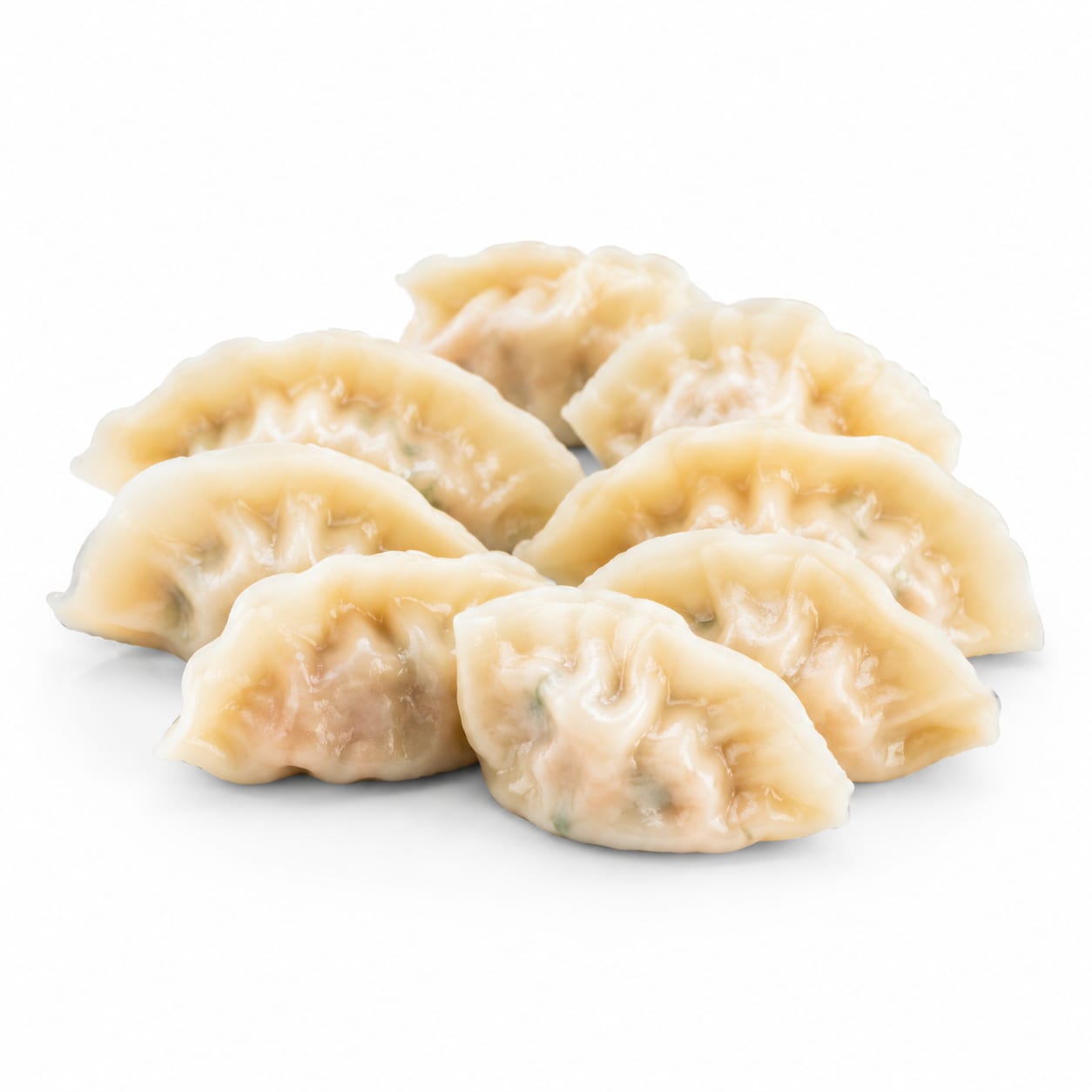
Dumpling
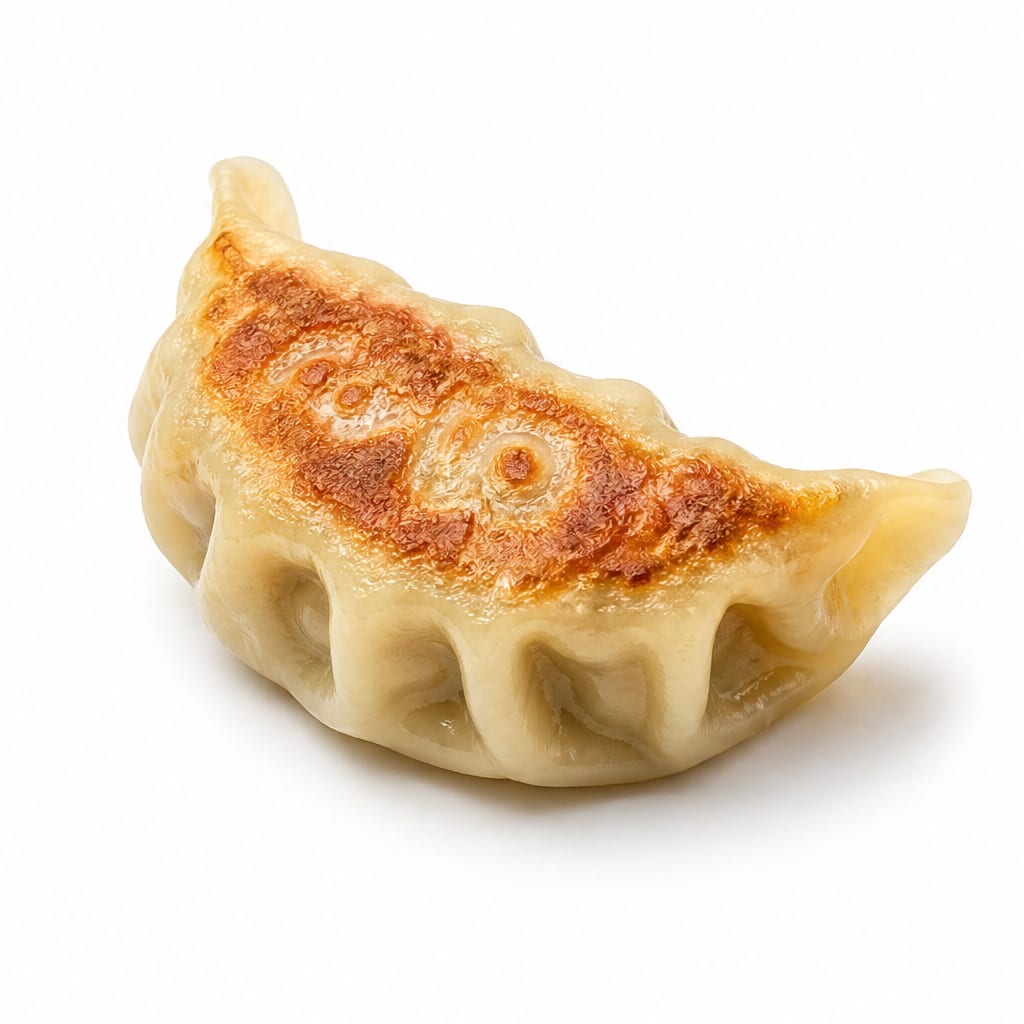
Gyoza
Gyoza wins for portion control and lighter wrappers, but steamed dumplings win for lower fat. The real deciding factor is cooking method.
Gyoza scores slightly higher due to thinner wrappers and natural portion control, but the margin is slim because preparation method matters more than the food itself. A steamed dumpling beats a gyoza in fat content, while a fried dumpling loses to gyoza on almost every dimension.
Gyoza's crispy pan-fried finish adds flavor and satisfaction but increases fat, while steamed dumplings stay lighter but feel less indulgent.
At a glance
Executive summary
Overall
It depends
Healthier
It depends
More practical
Gyoza
Daily use
It depends
Key comparison lenses
calorie and fat comparison
Cooking method differences between dumplings and gyoza significantly impact fat and calorie content
sodium load assessment
Both foods are high-sodium items with dipping sauces that amplify salt intake
carbohydrate and wrapper density
Wrapper thickness differs substantially, affecting carb load and blood sugar response
portion control and satiety
Size differences between dumplings and gyoza impact how many people actually eat
preparation method health impact
Steamed vs pan-fried creates meaningful nutritional divergence
Best choice for
Dumpling
- People who prefer steamed preparations with minimal added fat
- Those wanting larger, more filling pieces per serving
- Anyone seeking wider filling variety including vegetable-heavy options
Gyoza
- People who prefer built-in portion control from smaller pieces
- Those wanting a crispier, more satisfying texture with less dough
- Anyone eating dumplings as a side rather than a main meal
Least suitable for
Dumpling
- People avoiding high-carb wrappers, especially with thick-skinned varieties
- Those sensitive to large portion sizes that sneak up in calories
Gyoza
- People strictly limiting fat intake, since the pan-frying method is standard
- Those watching sodium closely, as gyoza dipping sauce is often salt-heavy
Deep comparison
Dimension by dimension
Each lens scores both foods and breaks down who each option suits.
- Dimension 1 · Priority 92Gyoza
calorie_density
Dumpling · 45Gyoza · 58Gyoza typically delivers fewer calories per piece due to smaller size and thinner wrappers, though the pan-frying adds some fat back.
Tradeoff
You eat more gyoza pieces to feel full, which can erase the per-piece calorie advantage if you are not careful.
Why it matters
Calorie density determines how easily a food fits into weight management without requiring strict tracking.
Real-world impact
Six gyoza might feel like a satisfying appetizer at around 300 calories, while six dumplings can easily hit 400+ depending on preparation.
Dumpling
- Steamed dumpling varieties with vegetable fillings
Better for
- Fried or deep-fried dumpling preparations
Worse for
Gyoza
- Smaller appetizer portions where you want flavor without heaviness
Better for
- Situations where you keep eating because each piece feels too small
Worse for
- Dimension 2 · Priority 88Dumpling
fat_content
Dumpling · 55Gyoza · 42Steamed or boiled dumplings have far less fat than gyoza, which are almost always pan-fried in oil for the signature crispy bottom.
Tradeoff
The fat in gyoza creates a more satisfying mouthfeel and crispiness that steamed dumplings cannot match.
Why it matters
Added fat from pan-frying increases calories by 30-50% per piece and affects heart health with regular consumption.
Real-world impact
A plate of steamed dumplings might have 5-8g fat total, while an equivalent amount of gyoza can reach 15-20g from the oil used in pan-frying.
Dumpling
- Steamed or boiled preparations for heart-conscious eaters
Better for
- Pan-fried or deep-fried dumpling preparations that exceed gyoza fat content
Worse for
Gyoza
- Those who find low-fat meals unsatisfying and need texture to feel full
Better for
- Anyone on a low-fat diet for medical reasons
Worse for
- Dimension 3 · Priority 86It depends
sodium_load
Dumpling · 48Gyoza · 46Both are high-sodium foods. Dumpling fillings often use soy sauce and salt, while gyoza add garlic-salt seasoning and a saltier dipping sauce.
Tradeoff
Neither food is a low-sodium winner. The dipping sauce often contributes more sodium than the dumpling itself.
Why it matters
Regular high-sodium meals raise blood pressure over time and increase bloating and thirst.
Real-world impact
A typical dumpling or gyoza meal with dipping sauce can deliver 800-1500mg sodium, which is half or more of your daily limit in one sitting.
Dumpling
- Homemade dumplings where you control the salt in the filling
Better for
- Restaurant dumplings with salty dipping sauces
Worse for
Gyoza
- Eating gyoza with less dipping sauce to reduce sodium intake
Better for
- Pre-packaged frozen gyoza which tend to be extremely high in sodium
Worse for
- Dimension 4 · Priority 84Gyoza
carbohydrate_and_wrapper_density
Dumpling · 40Gyoza · 60Gyoza wrappers are noticeably thinner, delivering less refined carbohydrate per bite. Dumpling wrappers are thicker and doughier.
Tradeoff
Thicker wrappers make dumplings more filling but spike blood sugar more. Thinner wrappers mean less dough but also less satiety per piece.
Why it matters
Refined flour wrappers digest quickly and can cause energy crashes, especially in larger quantities.
Real-world impact
Four thick dumpling wrappers might equal the carb load of six gyoza wrappers, making portion control harder with dumplings.
Dumpling
- Active individuals who need the extra carbs for energy
Better for
- Those with insulin resistance or diabetes
Worse for
Gyoza
- People managing blood sugar who want less refined flour per serving
Better for
- People who find thin wrappers unsatisfying and end up overeating
Worse for
- Dimension 5 · Priority 75It depends
protein_quality
Dumpling · 52Gyoza · 50Both typically use pork fillings with similar protein content. Dumplings offer more variety with chicken, shrimp, or vegetable options.
Tradeoff
Gyoza's standard pork-cabbage filling is consistent but limited. Dumplings let you choose leaner proteins if available.
Why it matters
Protein determines how long you stay full and whether the meal supports muscle maintenance.
Real-world impact
Shrimp or chicken dumplings can deliver leaner protein than standard pork gyoza, but pork dumplings are nutritionally almost identical to gyoza.
Dumpling
- Choosing shrimp or chicken dumpling fillings for leaner protein
Better for
- Pork dumplings that match gyoza without offering any protein advantage
Worse for
Gyoza
- Consistent protein content when ordering at Japanese restaurants
Better for
- Vegetable-only gyoza which have minimal protein
Worse for
- Dimension 6 · Priority 80Gyoza
portion_control
Dumpling · 42Gyoza · 65Gyoza's smaller size creates natural portion boundaries. Dumplings are larger and easier to overeat before feeling full.
Tradeoff
Small gyoza pieces can also trick you into eating more because each one feels insignificant.
Why it matters
Portion control is the single biggest factor in whether a food supports or undermines weight management.
Real-world impact
People often stop at 5-6 gyoza because the plate looks complete, while 5-6 large dumplings might not feel like enough.
Dumpling
- Those who count pieces and find larger items more satisfying per unit
Better for
- Grazers who keep eating because large pieces do not register as a complete meal
Worse for
Gyoza
- Visual eaters who naturally stop when a plate looks finished
Better for
- Those who underestimate how many small pieces they have consumed
Worse for
- Dimension 7 · Priority 70Dumpling
digestive_tolerance
Dumpling · 58Gyoza · 45Steamed dumplings are gentler on the stomach. Gyoza's pan-fried oil and heavy garlic seasoning can trigger heartburn or bloating.
Tradeoff
The garlic in gyoza has antimicrobial benefits, but it is a common digestive irritant for sensitive stomachs.
Why it matters
Digestive comfort determines whether a food can be eaten regularly without consequences.
Real-world impact
After a plate of gyoza, you might feel heavy or bloated for hours. Steamed dumplings are more likely to sit comfortably.
Dumpling
- Steamed dumplings for anyone with GERD, IBS, or sensitive digestion
Better for
- Fried dumplings which are the worst option for digestive comfort
Worse for
Gyoza
- Those with hardy digestion who enjoy bold garlic flavor
Better for
- Evening meals where garlic and oil might disrupt sleep comfort
Worse for
Timeline
Health impact over time
Short-term
Hours to days
Dumpling
- Steamed dumplings provide steady energy without a heavy feeling
- Boiled dumplings can cause mild bloating from the dense wrappers
- Fried dumplings create an immediate heavy, sluggish sensation
Gyoza
- Pan-fried oil can cause mild heartburn in sensitive individuals
- Garlic seasoning may trigger bloating or gas within an hour
- The crispy texture is more satisfying and reduces cravings for seconds
Long-term
Months to years
Dumpling
- Regular steamed dumpling consumption fits reasonably into a balanced diet
- Frequent fried dumpling intake raises cardiovascular risk from repeated oil exposure
- High sodium from restaurant versions contributes to blood pressure concerns over time
Gyoza
- Consistent gyoza consumption adds significant dietary fat from pan-frying oil
- Garlic intake offers cardiovascular benefits that partially offset the sodium load
- The smaller wrapper portion reduces long-term refined carbohydrate exposure
Risk profile
Safety & processing
Both foods use similar ingredients: flour wrappers, meat or vegetable fillings, and seasonings. Frozen and restaurant versions of both often contain preservatives and MSG. Homemade versions of either are equally natural. The processing concern is not about the food type but about whether it comes from a package or a kitchen.
Dumpling
Undercooked pork filling
highThick dumpling wrappers can prevent the filling from reaching safe temperatures, especially with frozen dumplings cooked from raw.
Cross-contamination in shared steamers
mediumRestaurant steamer baskets often hold multiple food types, creating potential for allergen and bacterial cross-contact.
Gyoza
Undercooked pork filling
mediumGyoza's thinner wrappers and pan-frying method allow heat to penetrate the filling more reliably than thick steamed dumplings.
Rancid frying oil
mediumRestaurants that reuse pan-frying oil for multiple batches can introduce oxidized fats into gyoza.
Who wins for whom
Audience fit
Same foods, different winners depending on your goal.
children
DumplingSteamed dumplings are softer, milder in flavor, and easier for kids to chew. Gyoza's garlic intensity and crispy texture can be off-putting for young palates.
daily consumption
It dependsNeither should be a daily staple due to sodium and refined flour. If forced to choose, homemade steamed dumplings with controlled salt are the better regular option.
diabetes
GyozaThinner wrappers mean less refined carbohydrate per piece, resulting in a slightly gentler blood sugar impact.
elderly
DumplingSteamed dumplings are gentler on aging digestive systems and easier to chew. The lower fat content is also more appropriate for cardiovascular health concerns.
muscle gain
It dependsBoth provide similar protein from pork fillings. Dumplings with chicken or shrimp fillings offer leaner options, but neither is a protein-dense choice.
weight loss
GyozaSmaller size and thinner wrappers make gyoza easier to portion-control, though steamed dumplings are competitive if you stick to a fixed count.
Your move
Decision guide
Choose Dumpling
- You prefer steamed or boiled preparations with minimal added fat
- You have a sensitive stomach and want to avoid garlic and heavy oil
- You are feeding children or elderly family members who need milder flavors
- You want more filling variety like shrimp, chicken, or vegetable options
- You find larger pieces more satisfying and can stop at a reasonable count
Choose Gyoza
- You love crispy textures and find steamed dumplings boring
- You want built-in portion control from smaller, more elegant pieces
- You are comfortable with slightly more fat in exchange for more flavor satisfaction
- You prefer a lighter carbohydrate load per piece
- You are eating at a Japanese restaurant and want the authentic experience
Either works if
- You are eating an occasional restaurant meal and both options are available
- You plan to make them at home where you control the salt, fat, and filling quality
- You are ordering for a group with mixed preferences
Avoid both if
- You are on a strict low-sodium diet, as both are salt bombs especially with dipping sauce
- You are avoiding refined carbohydrates entirely
- You have a pork allergy or religious dietary restriction and no alternative fillings are available
- You are trying to lose weight and cannot stop at a reasonable portion of either
Final recommendation
Choose steamed dumplings for the healthiest preparation or gyoza for better portion control and more satisfying texture. The gap between them is small enough that your cooking method and portion discipline matter far more than which one you pick. If you default to fried dumplings, switch to gyoza. If you already eat steamed dumplings, there is no urgent reason to switch.
Practical
Consumer tips
- 1
Ask for steamed or boiled dumplings instead of fried to cut fat by 50-70%
- 2
Use half the dipping sauce or dilute it with vinegar to reduce sodium by hundreds of milligrams
- 3
Fill at least half your plate with vegetables to balance the refined carbs and sodium
- 4
Frozen gyoza and dumplings are convenient but often contain 30-50% more sodium than restaurant versions
- 5
Making either at home lets you control wrapper thickness, filling lean-ness, and salt content
- 6
If eating gyoza, blot the bottom with a napkin to remove excess pan-frying oil
- 7
Pair with a protein-rich side like edamame to make the meal more satiating without doubling the dumpling count