
Nutrition comparison
Dumpling vs Shumai: Which Is Healthier for You?
Compare Dumplings and Shumai on calories, carbs, protein, sodium, and satiety. Find out which dim sum pick is better for weight loss, blood sugar, and everyday eating.
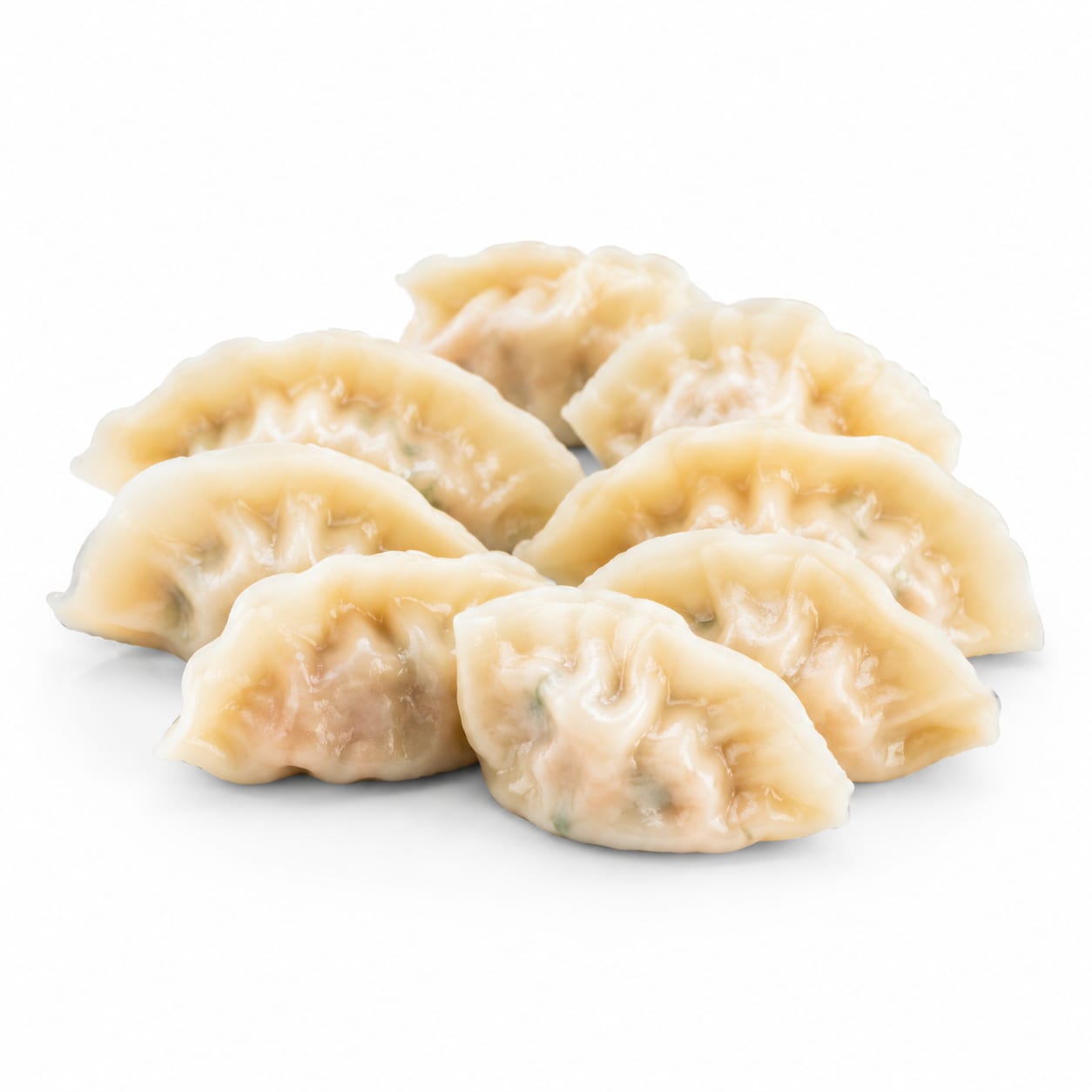
Dumpling
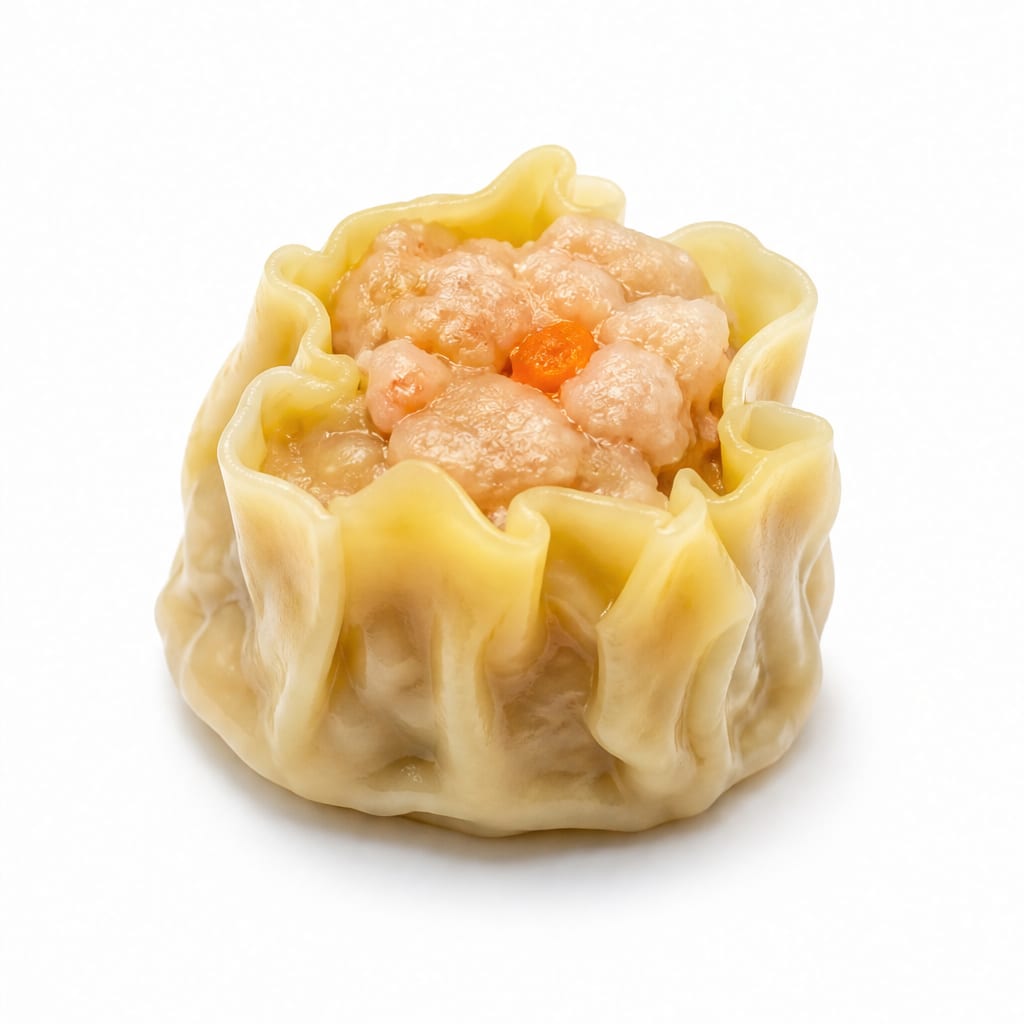
Shumai
Shumai is lighter and lower in carbs, but Dumplings are more filling and versatile. The healthier pick depends on how they're cooked and how many you eat.
Shumai edges ahead due to lower calorie density and steamed preparation, but the margin is slim because Dumplings offer better satiety and versatility. Preparation method swings the score significantly — a steamed Dumpling narrows the gap considerably.
Shumai wins on lower calories and thinner wrappers, while Dumplings win on satiety and cooking flexibility — but pan-fried Dumplings can easily erase their advantage.
At a glance
Executive summary
Overall
It depends
Healthier
Shumai
More practical
Dumpling
Daily use
Shumai
Key comparison lenses
Which is lighter and less likely to cause overeating at dim sum
Both are popular dim sum items often eaten in large quantities, so calorie density and portion control matter enormously
Carbohydrate and wrapper thickness comparison
Dumplings have noticeably thicker wrappers, directly impacting carb load and blood sugar response
Cooking method impact on fat and calories
Dumplings are frequently pan-fried while Shumai is almost always steamed, creating a significant fat disparity
Sodium and seasoning load
Both are seasoned Asian dumplings but Shumai often carries heavier sodium from dim sum preparation styles
Protein quality from fillings
Shumai typically includes shrimp alongside pork, offering leaner protein compared to dumpling's pork-dominant filling
Best choice for
Dumpling
- People who need a more filling meal with fewer pieces
- Anyone meal-prepping since Dumplings freeze and reheat beautifully
- Those preferring cooking versatility — boil, steam, or pan-fry
Shumai
- Weight-conscious diners wanting lighter bites at dim sum
- People monitoring carbohydrate intake
- Anyone seeking leaner protein from shrimp-based fillings
Least suitable for
Dumpling
- People strictly limiting calories who tend to eat large portions
- Those avoiding fried foods if served as potstickers
- Low-carb eaters sensitive to thicker wheat wrappers
Shumai
- Those needing a substantial, filling meal on their own
- People sensitive to high sodium, especially dim sum restaurant versions
- Anyone wanting a dish that reheats well as leftovers
Deep comparison
Dimension by dimension
Each lens scores both foods and breaks down who each option suits.
- Dimension 1 · Priority 92Shumai
Calorie Density & Weight Management
Dumpling · 52Shumai · 72Shumai is noticeably lighter per piece, making it easier to manage portions at dim sum without blowing past your calorie budget.
Tradeoff
Shumai's lightness means you may need more pieces to feel satisfied, which can close the calorie gap if you're not mindful.
Why it matters
At dim sum, people routinely eat 6-10 pieces. The per-piece calorie difference adds up fast over a full meal.
Real-world impact
Six Shumai might run you 250-300 calories, while six pan-fried Dumplings can easily hit 400-500 calories.
Dumpling
- Heavier eaters who feel unsatisfied with light bites
Better for
- Calorie counting when Dumplings are pan-fried
Worse for
Shumai
- Weight loss efforts where every calorie saved counts
- Dim sum outings where you want variety without overdoing it
Better for
- Situations where light eating triggers later snacking
Worse for
- Dimension 2 · Priority 88Dumpling
Satiety & Fullness
Dumpling · 74Shumai · 55Dumplings are substantially more filling per piece thanks to their thicker wrapper and often larger size.
Tradeoff
That fullness comes with a heavier carb load, which can cause a bigger energy dip afterward if you eat too many.
Why it matters
Feeling satisfied with fewer pieces naturally controls intake without requiring willpower.
Real-world impact
Four Dumplings can feel like a real meal. Four Shumai often feel like an appetizer, leaving you reaching for more.
Dumpling
- Replacing a full meal rather than snacking
- Busy days when you need lasting energy
Better for
- Hot weather meals when heavy food feels unappealing
Worse for
Shumai
- Light lunches where you don't want to feel sluggish
- Multi-course meals where you're saving room
Better for
- Long gaps between meals where you need sustained fullness
Worse for
- Dimension 3 · Priority 85Shumai
Carbohydrate Load
Dumpling · 48Shumai · 70Shumai's thin, open-top wrapper delivers significantly fewer carbs per piece than Dumplings' thick sealed dough.
Tradeoff
Less carb means less immediate energy, which can leave you hungry sooner if Shumai is your only food.
Why it matters
For anyone watching blood sugar or reducing carbs, wrapper thickness is the single biggest differentiator between these two.
Real-world impact
A Dumpling wrapper can pack 8-12g of carbs each. Shumai wrappers typically run 3-5g per piece.
Dumpling
- Post-workout refueling when carbs are welcome
- Active people who burn through carbs quickly
Better for
- Keto or very low-carb diets
Worse for
Shumai
- Low-carb or moderate-carb eating styles
- Blood sugar management concerns
Better for
- Endurance athletes needing carb-dense fuel
Worse for
- Dimension 4 · Priority 78Shumai
Protein Quality
Dumpling · 58Shumai · 70Shumai's classic pork-and-shrimp filling provides leaner, more diverse protein than the pork-heavy filling in most Dumplings.
Tradeoff
Shrimp adds cholesterol, though dietary cholesterol has modest impact on blood cholesterol for most people.
Why it matters
Leaner protein means less saturated fat per gram of protein, which matters for heart health over time.
Real-world impact
Shrimp-based Shumai delivers protein with roughly half the saturated fat of pork-only Dumpling fillings.
Dumpling
- Those with shellfish allergies who need to avoid shrimp
Better for
- Cardiovascular risk reduction diets
Worse for
Shumai
- Heart-conscious eaters prioritizing lean protein
- Anyone trying to reduce saturated fat without sacrificing protein
Better for
- Shellfish allergy sufferers
- Very low-cholesterol diet prescriptions
Worse for
- Dimension 5 · Priority 80Dumpling
Sodium Load
Dumpling · 55Shumai · 45Both are salty, but Shumai's dim sum preparation style typically packs more sodium per bite.
Tradeoff
Dumplings can still be quite salty, especially with dipping sauce, so neither is a low-sodium winner.
Why it matters
At dim sum, sodium accumulates across multiple dishes. Starting with a lower-sodium option gives you more room for other items.
Real-world impact
Restaurant Shumai can hit 300-400mg sodium per piece. Dumplings typically range 200-350mg, though soy sauce dipping changes the math.
Dumpling
- Sodium-sensitive diners choosing the lesser of two salty options
- Those already eating other high-sodium dim sum dishes
Better for
- Heavy soy sauce users who double-dip
Worse for
Shumai
- People who skip the soy sauce and eat Shumai plain
Better for
- Blood pressure management when eating at restaurants
Worse for
- Dimension 6 · Priority 85Shumai
Fat Content & Cooking Method
Dumpling · 45Shumai · 75Shumai is always steamed, while Dumplings are often pan-fried, adding significant fat and calories.
Tradeoff
Pan-frying creates a crispy texture that makes Dumplings harder to resist, increasing overeating risk.
Why it matters
Cooking method can double the fat content of an otherwise similar dumpling, making this the biggest variable in the comparison.
Real-world impact
A steamed Dumpling might have 3-4g fat. The same Dumpling pan-fried as a potsticker jumps to 7-10g fat per piece.
Dumpling
- When you choose steamed or boiled Dumplings specifically
Better for
- Default pan-fried preparation at most restaurants
Worse for
Shumai
- Consistent lower-fat preparation without having to special-order
Better for
- Rare — Shumai is almost always steamed, so fat stays low
Worse for
- Dimension 7 · Priority 82It depends
Portion Control Risk
Dumpling · 60Shumai · 58Dumplings are more filling per piece, but Shumai's small size makes it easier to lose track of how many you've eaten.
Tradeoff
Dumplings can be deceptively caloric when fried, while Shumai can be deceptively numerous when they keep coming around on carts.
Why it matters
Both foods are served in shared dim sum settings where social eating overrides internal fullness signals.
Real-world impact
It's easy to eat 8-10 Shumai without feeling full, matching or exceeding the calories of 5 pan-fried Dumplings.
Dumpling
- Mindful eaters who stop when they feel full
Better for
- Pan-fried Dumpling lovers who keep eating past fullness
Worse for
Shumai
- Disciplined eaters who count pieces ahead of time
Better for
- Grazing eaters who don't notice quantity creeping up
Worse for
Timeline
Health impact over time
Short-term
Hours to days
Dumpling
- Pan-fried Dumplings can cause noticeable bloating and sluggishness within an hour
- Thicker wrappers provide steadier short-term energy but may feel heavy in the stomach
- High sodium can trigger thirst and mild water retention later in the day
Shumai
- Lighter feeling after eating, less likely to cause post-meal drowsiness
- Shrimp can trigger mild allergic reactions in sensitive individuals
- Rapid eating of multiple pieces can still cause discomfort despite each piece being light
Long-term
Months to years
Dumpling
- Regular consumption of pan-fried Dumplings contributes to higher saturated fat intake over time
- Thicker wrappers mean consistently higher refined carb exposure if eaten frequently
- Versatile cooking methods mean you can choose healthier preparations to reduce long-term risk
Shumai
- Steamed preparation supports lower lifetime fat intake compared to fried alternatives
- Shrimp provides iodine and selenium that support thyroid and immune function long-term
- High restaurant sodium levels can contribute to blood pressure concerns if Shumai is a regular habit
Risk profile
Safety & processing
Both are handmade foods with recognizable ingredients, but Shumai wrappers sometimes contain lye water (kan sui) for their yellow color and springy texture, which is a mildly processed additive. Dumpling wrappers are typically just flour and water. Neither is ultra-processed, and both are closer to home-cooking than factory food.
Dumpling
Undercooked pork filling
mediumThick Dumpling wrappers can brown before pork filling reaches safe temperature, especially with pan-frying. Ensure filling is fully cooked through.
Cross-contamination in shared preparation
mediumDumplings are often made in bulk alongside other foods, increasing risk in restaurants with poor hygiene practices.
Shumai
Shrimp spoilage and histamine
highShrimp in Shumai filling spoils faster than pork alone. Improperly stored Shumai can cause scombroid-like histamine reactions. Freshness matters more here.
Shellfish allergen exposure
highShumai's shrimp content makes it dangerous for shellfish-allergic diners. Cross-contamination at dim sum restaurants is common since shrimp appears in many dishes.
Lye water in wrappers
lowTraditional Shumai wrappers use alkaline lye water, which is safe in food-grade amounts but can concern those avoiding all food additives.
Who wins for whom
Audience fit
Same foods, different winners depending on your goal.
children
DumplingDumplings are easier for kids to hold, come in familiar flavors, and avoid shellfish allergy risk. Steamed Dumplings are a particularly kid-friendly option.
daily consumption
ShumaiLower calorie density and steamed preparation make Shumai more sustainable as a regular choice, though both should be rotated with other foods for variety.
diabetes
ShumaiShumai's thinner wrapper means less carbohydrate per piece and a smaller blood sugar spike, giving it a clear edge for glucose management.
elderly
ShumaiShumai's softer, thinner wrapper is easier to chew and digest, and the leaner protein is gentler on aging cardiovascular systems.
muscle gain
DumplingDumplings provide more total calories and carbs per piece, supporting the caloric surplus needed for muscle building, especially post-workout.
weight loss
ShumaiSteamed Shumai delivers fewer calories per piece with leaner protein, making it easier to stay within a calorie deficit — as long as you count pieces.
Your move
Decision guide
Choose Dumpling
- You want a satisfying meal that holds you over for hours
- You're meal-prepping for the week and need something that freezes well
- You're feeding kids or people with shellfish allergies
- You prefer cooking at home with multiple preparation options
Choose Shumai
- You're at dim sum and want to enjoy multiple dishes without overloading
- You're watching carbs or managing blood sugar
- You prefer lighter meals that won't leave you sluggish
- You want leaner protein from shrimp in your filling
Either works if
- You're eating steamed versions of both — the nutritional gap narrows significantly
- You're sharing a dim sum table and want variety rather than optimizing one choice
- You pair either with a vegetable dish to balance the meal
Avoid both if
- You're on a strict low-sodium diet and can't control restaurant seasoning
- You have severe gluten intolerance since both use wheat flour wrappers
- You're eating highly processed frozen versions loaded with preservatives and fillers
Final recommendation
For most everyday situations, Shumai is the slightly smarter choice — it's steamed, lighter, and lower in carbs. But if you're eating steamed Dumplings at home with a veggie side, the difference shrinks to almost nothing. The real enemy isn't which one you pick — it's eating too many of either while distracted at a dim sum table.
Practical
Consumer tips
- 1
Order Dumplings steamed or boiled instead of pan-fried to cut fat by nearly half
- 2
Count pieces before you start eating — decide on 4-6 pieces and stop rather than grazing endlessly
- 3
Skip or lightly use the soy sauce dipping bowl to save 200-400mg sodium per meal
- 4
At restaurants, ask if Shumai is made in-house — fresh versions have less sodium and better ingredients
- 5
Pair either choice with a plate of steamed greens to add fiber and make the meal more balanced
- 6
If buying frozen, check the ingredient list — shorter lists with recognizable ingredients mean closer to restaurant quality
- 7
For Dumpling meal prep, make a large batch steamed and freeze — you'll have a healthier convenience food than most frozen options