
Nutrition comparison
Dumpling vs Spring Roll: Which Is Healthier?
Compare dumplings and spring rolls on calories, protein, oil content, and health impact. Find out which appetizer is better for weight loss, muscle gain, and daily eating.
Overall winner · Dumpling
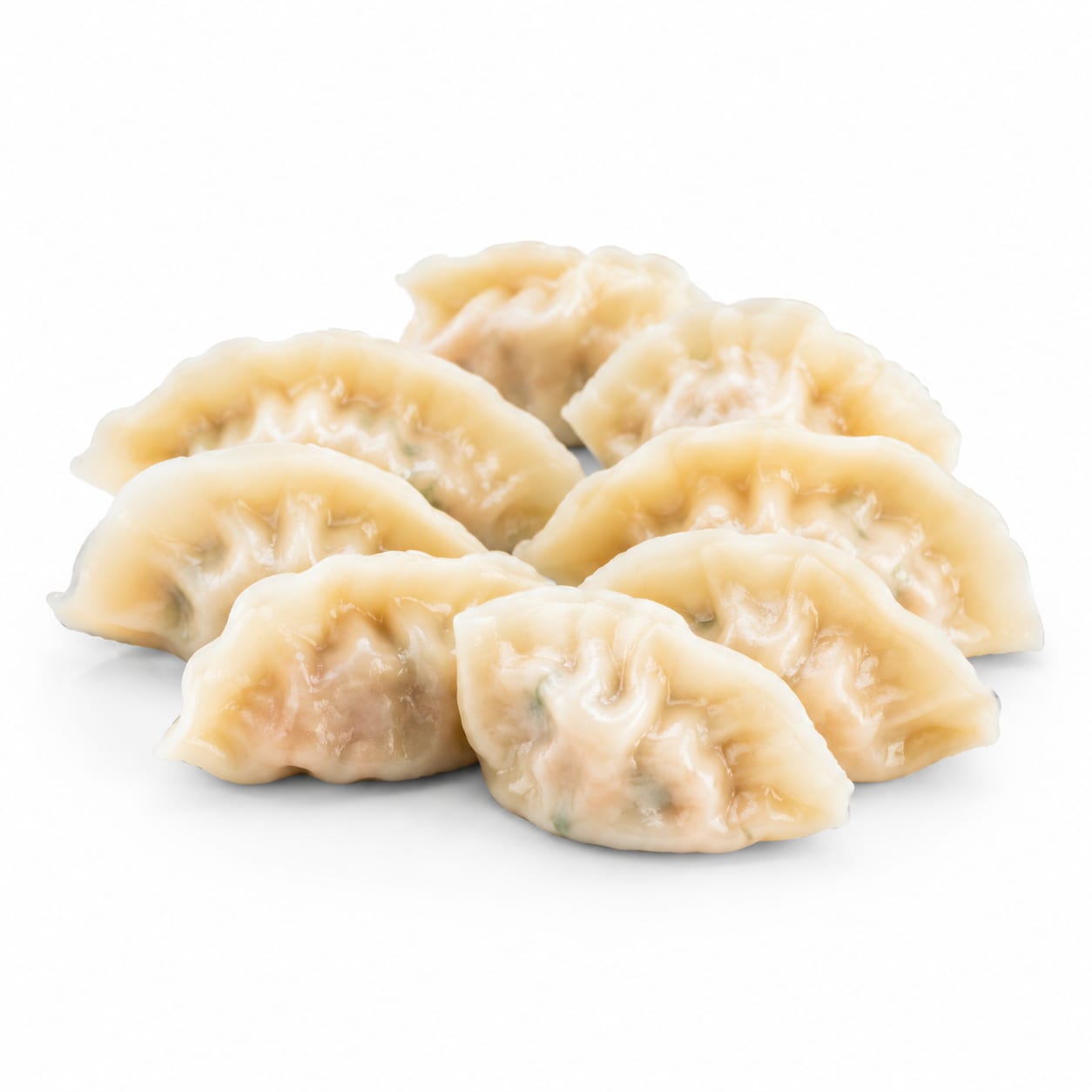
Dumpling
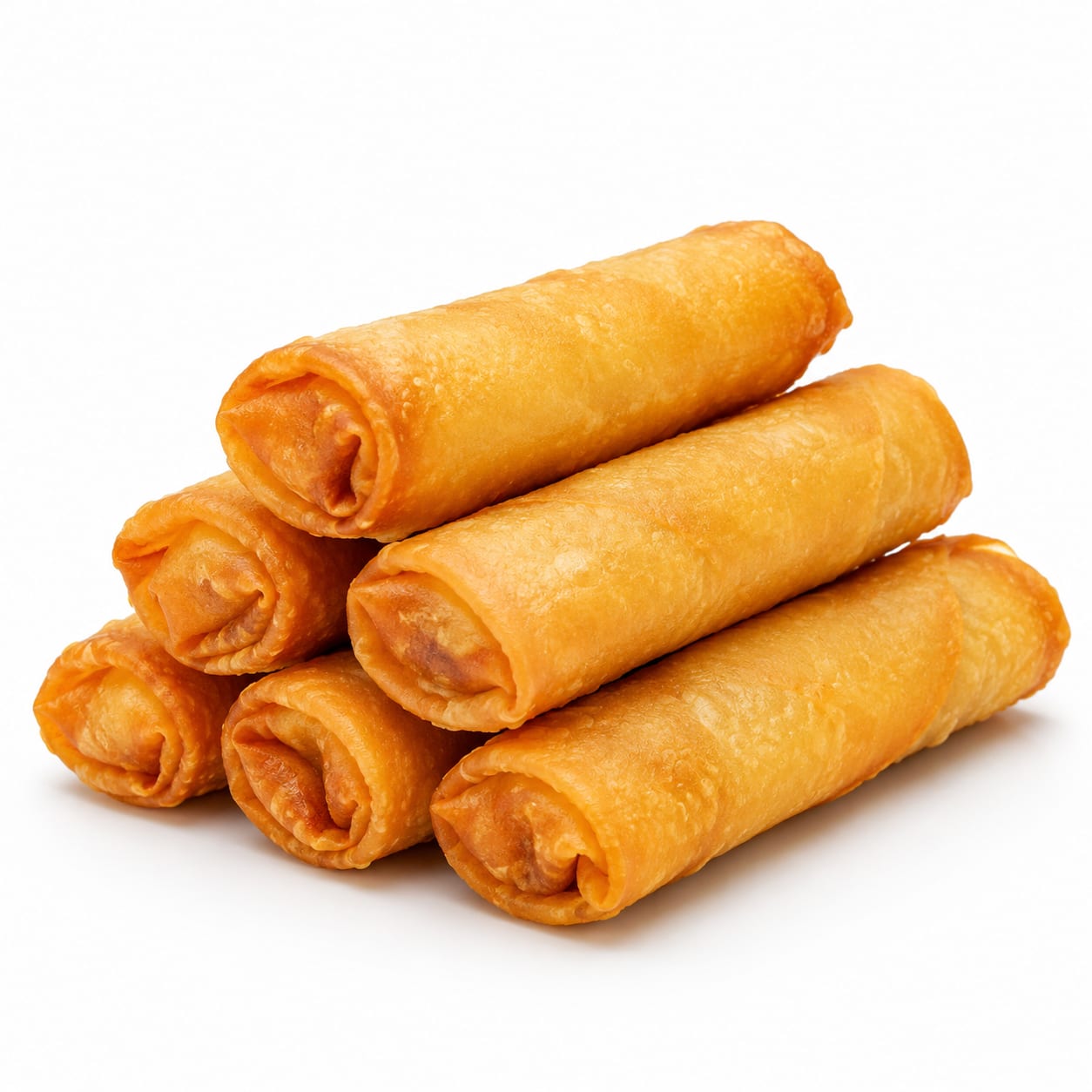
Spring Roll
Dumplings generally edge out spring rolls thanks to higher protein, better satiety, and lower oil absorption — but fried spring rolls and fresh spring rolls are completely different conversations.
Dumplings score moderately above spring rolls primarily due to better protein content, stronger satiety, and typically less oil absorption. Spring rolls lose ground because the fried restaurant versions dominate most menus, inflating calories and fat while offering less staying power. Fresh spring rolls would score closer to dumplings but remain less common.
Dumplings fill you up longer with more protein, while fresh spring rolls feel lighter and less heavy — but fried spring rolls deliver a calorie and fat bomb that undermines their vegetable content.
At a glance
Executive summary
Overall
Dumpling
Healthier
Dumpling
More practical
Dumpling
Daily use
Dumpling
Key comparison lenses
calorie and oil awareness
Fried spring rolls absorb significantly more oil than steamed or pan-fried dumplings, making fat content the starkest difference
satiety and meal satisfaction
Dumplings are denser and more filling, while spring rolls feel lighter but leave you hungry sooner
protein and nutrient density
Dumplings typically pack more protein from meat or tofu fillings, while spring rolls skew vegetable-heavy but lower protein
preparation method impact
Cooking method dramatically changes the health profile of both foods, especially deep-frying versus steaming
sodium and sauce dependency
Both rely heavily on dipping sauces that can double sodium intake, but dumpling sauces tend to be saltier
Best choice for
Dumpling
- People wanting a satisfying meal that curbs hunger for hours
- Those prioritizing protein intake from appetizers
- Anyone avoiding deep-fried foods
- Post-workout eaters needing protein and carbs together
Spring Roll
- Those wanting a light starter before a main course
- People craving crunch without eating heavy
- Anyone eating fresh Vietnamese-style spring rolls with lean protein
- Hot weather meals where heavy food feels unappealing
Least suitable for
Dumpling
- People strictly limiting sodium who cannot control sauce portions
- Those avoiding wheat or gluten in wrappers
- Anyone wanting a low-calorie appetizer
Spring Roll
- People watching calorie intake who assume vegetable filling means low calorie
- Those avoiding deep-fried foods at restaurants
- Anyone needing sustained energy from their food
Deep comparison
Dimension by dimension
Each lens scores both foods and breaks down who each option suits.
- Dimension 1 · Priority 92Dumpling
calorie density and oil content
Dumpling · 65Spring Roll · 35Steamed or pan-fried dumplings contain significantly fewer calories from oil compared to deep-fried spring rolls.
Tradeoff
A typical fried spring roll can pack 150-200 calories per piece versus 60-80 for a steamed dumpling, mostly from absorbed frying oil.
Why it matters
Three fried spring rolls can hit 600 calories before your main course arrives — easy to overeat without realizing it.
Real-world impact
Ordering a plate of fried spring rolls as a starter can quietly match the calories of your entire main dish.
Dumpling
- Controlling calorie intake at restaurants
- Avoiding the heavy sluggish feeling after greasy appetizers
Better for
- Pan-fried dumplings close the calorie gap somewhat with added oil
Worse for
Spring Roll
- Fresh spring rolls specifically — which drop to roughly 50-70 calories each
Better for
- Fried spring rolls are among the highest-calorie appetizers on most menus
Worse for
- Dimension 2 · Priority 88Dumpling
satiety and fullness
Dumpling · 75Spring Roll · 45Dumplings keep you full longer thanks to denser protein-rich fillings and thicker wrappers that digest slowly.
Tradeoff
Spring rolls feel pleasantly light going down but leave you reaching for more food within an hour.
Why it matters
A six-dumpling order typically satisfies like a small meal, while six fried spring rolls leave you still hungry despite similar or higher calories.
Real-world impact
Choosing dumplings as an appetizer often means eating less overall during the meal; spring rolls can trigger continued snacking.
Dumpling
- Replacing a light meal rather than just snacking
- Avoiding the hunger rebound that leads to overordering
Better for
- Thicker wrappers can feel heavy if you eat too many at once
Worse for
Spring Roll
- Fresh spring rolls with shrimp or tofu offer decent satiety with less heaviness
Better for
- The crunch of fried spring rolls is satisfying briefly but fades fast
Worse for
- Dimension 3 · Priority 85Dumpling
protein and nutrient density
Dumpling · 72Spring Roll · 48Dumplings usually deliver 4-8 grams of protein per piece from pork, chicken, shrimp, or tofu fillings, while spring rolls typically offer 1-3 grams.
Tradeoff
Spring rolls often contain more vegetables, but the nutrient density per calorie favors dumplings because the protein-to-calorie ratio is stronger.
Why it matters
Protein is what turns a snack into something that actually sustains you — without it, you are just eating flavored calories.
Real-world impact
Four pork dumplings provide roughly 20 grams of protein; you would need eight or more spring rolls to approach that.
Dumpling
- Anyone using appetizers to contribute meaningful protein to their day
- Post-workout eating where protein matters
Better for
- Vegetable-only dumplings lose the protein advantage entirely
Worse for
Spring Roll
- Fresh spring rolls packed with shrimp and avocado narrow the protein gap significantly
Better for
- Most restaurant spring rolls use minimal protein and mostly cabbage and glass noodles
Worse for
- Dimension 4 · Priority 70Spring Roll
vegetable and fiber content
Dumpling · 45Spring Roll · 68Spring rolls typically contain more visible vegetables like cabbage, carrots, and bean sprouts, while dumpling fillings are meat-forward with less veggie volume.
Tradeoff
More vegetables sounds healthier, but in fried spring rolls the nutrient benefit is partly offset by oil absorption and high calorie density.
Why it matters
Fiber helps with digestion and fullness, but the amount in a typical spring roll is still modest — not a vegetable serving.
Real-world impact
Do not trick yourself into counting spring rolls as a vegetable serving — the fiber content is real but small.
Dumpling
- Dumplings with vegetable-heavy fillings like cabbage and mushroom can match spring rolls
Better for
- Traditional pork dumplings are mostly meat with token vegetable content
Worse for
Spring Roll
- Fresh spring rolls loaded with raw vegetables are genuinely fiber-rich and nutrient-dense
- Anyone wanting crunch and freshness from their food
Better for
- Frying degrades some heat-sensitive vitamins in the vegetable filling
Worse for
- Dimension 5 · Priority 75Spring Roll
sodium and sauce dependency
Dumpling · 40Spring Roll · 55Both foods rely on salty dipping sauces, but dumpling sauces — especially soy-based ones — tend to be saltier and consumed in larger volume.
Tradeoff
Spring roll sauces like sweet chili or nuoc cham can be high in sugar, trading one concern for another.
Why it matters
A single dumpling dipping sauce cup can contain 400-800mg of sodium, and most people use multiple cups per serving.
Real-world impact
If you drown your dumplings in soy sauce, you can easily consume a full day's sodium in the appetizer alone.
Dumpling
- Requesting low-sodium soy sauce or using less dipping sauce dramatically reduces intake
Better for
- Dumpling filling itself is often pre-seasoned with soy sauce and salt before cooking
Worse for
Spring Roll
- Fresh spring rolls with nuoc cham tend to use sauce more sparingly as a light drizzle
Better for
- Sweet chili dipping sauce adds sugar calories that people rarely account for
Worse for
- Dimension 6 · Priority 65Spring Roll
digestive comfort
Dumpling · 50Spring Roll · 62Fresh spring rolls are the gentlest on digestion, while fried spring rolls and heavy dumplings can both cause discomfort in different ways.
Tradeoff
Dumplings can feel dense and heavy in the stomach, while fried spring rolls can trigger acid reflux from the grease.
Why it matters
If you have a sensitive stomach or are eating before physical activity, the wrong choice can ruin the next few hours.
Real-world impact
A plate of fried spring rolls before a walk or meeting can mean bloating and heartburn; steamed dumplings are safer but still filling.
Dumpling
- Steamed dumplings are reasonably gentle if eaten in moderation
Better for
- Pan-fried dumplings combine density and grease — the worst of both worlds for sensitive stomachs
Worse for
Spring Roll
- Fresh spring rolls are light, hydrating, and unlikely to cause any digestive issues
- Better pre-activity food when you cannot afford to feel sluggish
Better for
- Deep-fried spring rolls are a common reflux trigger, especially eaten in quantity
Worse for
Timeline
Health impact over time
Short-term
Hours to days
Dumpling
- Steadier energy for 2-3 hours after eating due to protein and complex carbs
- Possible bloating if eating too many at once, especially pan-fried versions
- High sodium from sauce can cause thirst and mild water retention
Spring Roll
- Quick energy spike from fried spring rolls followed by a crash as refined carbs and fat digest
- Fresh spring rolls provide light, clean energy without heaviness
- Grease from fried versions can cause nausea or reflux within 30-60 minutes
Long-term
Months to years
Dumpling
- Regular steamed dumpling consumption fits reasonably into a balanced diet without major concerns
- Frequent pan-fried dumpling intake adds significant oil calories that can contribute to weight gain
- Sodium from habitual heavy sauce use can raise blood pressure over time
Spring Roll
- Regular fried spring roll consumption increases intake of oxidized frying oils and trans fats from restaurant fryers
- Fresh spring rolls as a regular choice support lighter caloric intake and better vegetable consumption
- Repeated deep-fried food consumption is linked to higher cardiovascular risk and systemic inflammation
Risk profile
Safety & processing
Both foods are processed in the sense of being assembled from refined wrappers and fillings, but dumplings use simpler ingredients overall. Fried spring rolls raise more concerns because restaurant frying oils are often reused, degrading oil quality and potentially creating harmful compounds. Fresh spring rolls are the least processed version of either food, using rice paper and raw ingredients with minimal intervention.
Dumpling
Undercooked pork filling
highPork dumplings must reach safe internal temperature; undercooked pork carries parasite and bacterial risks including trichinosis and salmonella.
Cross-contamination at buffets
mediumDumplings at self-serve stations can be contaminated by shared utensils or improper holding temperatures.
Sodium overload from sauces
mediumLess an acute safety risk and more a cumulative health concern, but immediate effects include thirst and blood pressure spikes in sensitive individuals.
Spring Roll
Degraded frying oil
highRestaurants often reuse frying oil multiple times, creating oxidized compounds and potential trans fats that are genuinely harmful with regular consumption.
Undercooked meat in filling
mediumLess common than with dumplings since spring rolls often use pre-cooked fillings, but still possible with chicken or pork varieties.
Allergen exposure from shared fryers
mediumSpring rolls are often fried in the same oil as shellfish, gluten-containing items, and other common allergens.
Who wins for whom
Audience fit
Same foods, different winners depending on your goal.
children
DumplingDumplings are easier for kids to hold, less greasy when steamed, and provide more protein for growing bodies. The crunch of fried spring rolls appeals to kids but the oil does not.
daily consumption
DumplingSteamed dumplings can reasonably be eaten a few times per week as part of a balanced diet. Fried spring rolls should be an occasional treat, not a regular choice.
diabetes
DumplingSteamed dumplings have a more moderate glycemic impact with protein slowing carb absorption. Fried spring rolls combine refined carbs and fat in a way that destabilizes blood sugar.
elderly
Spring RollFresh spring rolls are soft, easy to chew, and lighter on the digestive system. Steamed dumplings are also reasonable, but fried versions of either food should be avoided.
muscle gain
DumplingDumplings provide substantially more protein per piece, which is the critical factor for muscle maintenance and growth.
weight loss
Spring RollFresh spring rolls specifically are lower in calories and lighter overall, making portion control easier. Fried spring rolls are among the worst choices for weight loss, so preparation method is everything.
Your move
Decision guide
Choose Dumpling
- You want something that actually fills you up and counts as a mini-meal
- You are tracking protein and want your appetizer to contribute meaningfully
- You prefer steamed or boiled foods over deep-fried options
- You are eating before activity and need sustained energy without grease
Choose Spring Roll
- You specifically mean fresh spring rolls — these are genuinely the lighter, healthier choice
- You want a crunchy appetizer and are comfortable with the calorie tradeoff
- It is hot out and heavy food sounds unappealing
- You are eating a multi-course meal and want a light starter rather than a filling one
Either works if
- You are treating yourself and neither is a daily habit
- You can control your sauce intake and portion size
- You are sharing appetizers with a group and eating small amounts of each
Avoid both if
- You have severe sodium restrictions and cannot control sauce portions
- You are eating at a restaurant where both options are deep-fried in degraded oil
- You have wheat or gluten sensitivities and cannot confirm rice-based wrappers
Final recommendation
If you are choosing between steamed dumplings and fried spring rolls, dumplings are the clearly better pick for nutrition, satiety, and safety. If fresh spring rolls are available, they become a genuinely competitive option — lighter, cooler, and lower in calories. The real enemy is not the food itself but the deep fryer. When in doubt, ask how it is cooked.
Practical
Consumer tips
- 1
Always ask if spring rolls are fried or fresh — the calorie difference can be 3x
- 2
Request steamed dumplings instead of pan-fried to cut oil calories by roughly 40%
- 3
Use dipping sauce sparingly — dip the corner, do not submerge the whole piece
- 4
If ordering fried spring rolls, limit yourself to two and fill up on a protein-rich main course
- 5
Fresh spring rolls with shrimp are the nutritional sweet spot: lean protein, raw vegetables, rice paper, light sauce
- 6
Check if dumplings are made with pork, chicken, or vegetables — pork is highest in calories and saturated fat
- 7
At buffets, choose dumplings from steamer baskets over ones sitting in oil
- 8
Make both at home to control oil, sodium, and filling quality — homemade dumplings are surprisingly easy and far healthier than restaurant versions