
Nutrition comparison
Dumplings vs Ravioli: Which Stuffed Food Is Healthier?
Compare dumplings and ravioli on calories, sodium, saturated fat, protein, and blood sugar impact. Find out which is better for weight loss, daily eating, and your health goals.
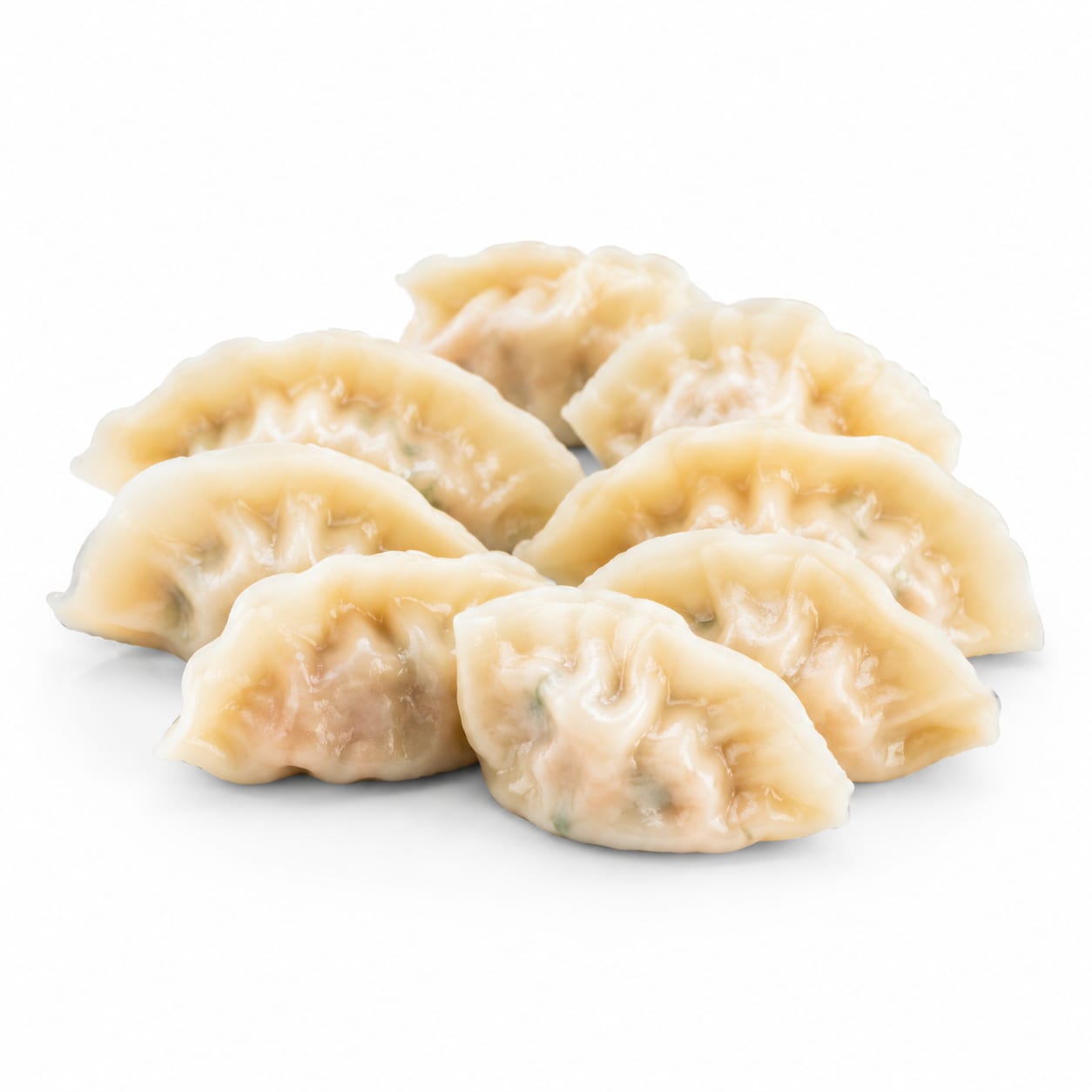
Dumpling
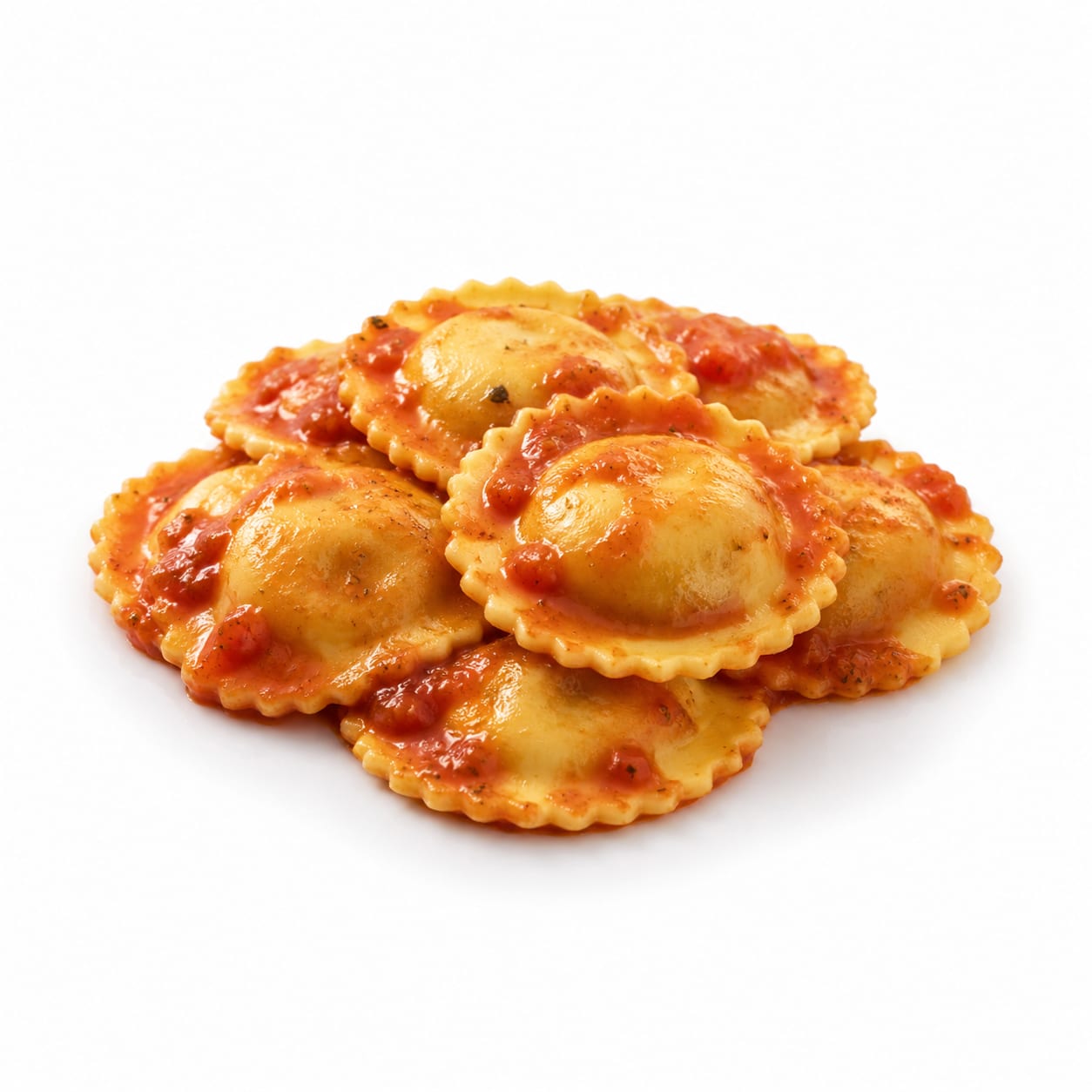
Ravioli
Dumplings win for lighter eating and lower calorie density, while ravioli delivers more protein and satisfying richness but at a higher caloric cost.
Dumplings score higher due to lower calorie density, thinner wrappers reducing refined carb load, and more vegetable-inclusive fillings. Ravioli loses ground on saturated fat from cheese and heavier pasta portions, though it wins on protein and satiety. Both are processed foods with moderate nutritional profiles, keeping the gap manageable.
Dumplings offer a lighter, veggie-forward bite with less carb load, but ravioli provides more sustained fullness from cheese protein and thicker pasta — you choose between feeling light vs feeling full.
At a glance
Executive summary
Overall
It depends
Healthier
Dumpling
More practical
It depends
Daily use
Dumpling
Key comparison lenses
calorie density and portion control
Both are small stuffed parcels, but calorie counts diverge sharply due to wrapper thickness and filling composition
sodium and heart health impact
Dumplings rely heavily on soy-based dipping sauces while ravioli fillings often include cheese with moderate sodium
saturated fat and cardiovascular tradeoffs
Cheese-filled ravioli delivers more saturated fat, while pork dumplings vary but often lean lighter
carbohydrate load and blood sugar
Ravioli's thicker pasta wrapper adds more refined carbs per bite than the thinner dumpling skin
vegetable content and micronutrient density
Dumplings frequently incorporate cabbage, chives, and water chestnuts, while ravioli leans cheese-heavy
Best choice for
Dumpling
- People managing calorie intake or weight loss
- Those watching refined carbohydrate consumption
- Anyone seeking lighter meals that won't cause afternoon sluggishness
- Sodium-sensitive individuals who skip the dipping sauce
Ravioli
- Athletes needing calorie-dense recovery meals
- People prioritizing protein intake from cheese and meat fillings
- Those wanting longer-lasting satiety from a single serving
- Anyone seeking comfort food satisfaction with richer mouthfeel
Least suitable for
Dumpling
- People needing high-calorie meals for weight gain
- Those sensitive to soy sauce or MSG often used in dumpling preparation
- Individuals seeking very high protein per serving
Ravioli
- People closely monitoring saturated fat intake
- Those managing blood sugar who need lower refined carb meals
- Anyone wanting a light meal before physical activity
Deep comparison
Dimension by dimension
Each lens scores both foods and breaks down who each option suits.
- Dimension 1 · Priority 90Dumpling
calorie density and portion control
Dumpling · 75Ravioli · 55A typical steamed dumpling runs 40-80 calories each, while a single ravioli easily hits 60-120 calories depending on filling and sauce.
Tradeoff
You can eat more dumplings for the same calorie budget, but ravioli's density means fewer pieces feel more like a complete meal.
Why it matters
When portions are self-regulated by piece count, dumplings give you more bites per calorie — a psychological advantage for feeling satisfied without overeating.
Real-world impact
Six steamed pork dumplings (~300 cal) feel like a full appetizer. Three cheese ravioli with sauce can match that quickly, leaving you wanting more.
Dumpling
- Weight management
- Flexible portion sizing
- Grazing-style eating
Better for
- Bulking or weight gain diets
Worse for
Ravioli
- Calorie-dense meal needs
- Fewer pieces needed to feel full
Better for
- Mindless overeating risk
- Calorie creep from sauces
Worse for
- Dimension 2 · Priority 85Ravioli
sodium and heart health
Dumpling · 45Ravioli · 60Dumplings are often paired with soy sauce-based dips that can add 400-900mg sodium per serving, while ravioli's sodium comes mainly from cheese filling and any canned sauce.
Tradeoff
Ravioli has more inherent sodium in the filling, but dumplings let you control sodium through sauce choices — if you have the discipline to dip lightly.
Why it matters
Sodium is the silent driver of blood pressure issues. The dumpling sauce trap catches people who don't realize each dip adds 100-200mg.
Real-world impact
A dumpling meal with full-sodium dipping sauce can easily exceed 1500mg sodium. Ravioli with jarred marinara sits around 800-1100mg per serving.
Dumpling
- Low-sodium diets IF sauce is skipped or low-sodium
- Customizable sodium intake
Better for
- High blood pressure risk with traditional dipping sauces
- Restaurant versions with heavy soy sauce
Worse for
Ravioli
- Predictable sodium content
- Less hidden sodium from condiments
Better for
- Canned or processed ravioli with hidden sodium
Worse for
- Dimension 3 · Priority 80Dumpling
saturated fat and cardiovascular load
Dumpling · 65Ravioli · 45Cheese-filled ravioli delivers 4-8g saturated fat per serving, while typical pork or vegetable dumplings land around 1.5-4g depending on filling.
Tradeoff
Ravioli's cheese richness creates a satisfying mouthfeel but comes with cardiovascular cost. Dumplings use less saturated fat but may use pork fat for flavor.
Why it matters
Regular high saturated fat intake raises LDL cholesterol over time. Cheese-heavy ravioli eaten frequently is a meaningful heart health consideration.
Real-world impact
Two servings of cheese ravioli can deliver half your daily saturated fat limit. Four steamed dumplings typically stay under 20% of that same limit.
Dumpling
- Heart-conscious eating patterns
- Lower saturated fat diets
Better for
- Pan-fried dumplings with added oil increase fat significantly
Worse for
Ravioli
- Keto or high-fat diet followers
- Those unconcerned about saturated fat
Better for
- Regular consumption raises cardiovascular risk
- Cheese-heavy fillings are saturated fat dense
Worse for
- Dimension 4 · Priority 75Dumpling
carbohydrate load and blood sugar stability
Dumpling · 68Ravioli · 50Dumpling wrappers are thin and use less flour per piece, while ravioli's pasta dough adds substantially more refined carbohydrate per serving.
Tradeoff
Dumplings create a gentler blood sugar curve. Ravioli's thicker pasta can spike glucose faster, especially with cheese fillings that slow digestion but add fat calories.
Why it matters
For anyone monitoring blood sugar — diabetic, prediabetic, or just avoiding energy crashes — wrapper thickness directly impacts glycemic response.
Real-world impact
A ravioli dinner can leave you sluggish an hour later. Dumplings with vegetable fillings tend to produce steadier energy with less crash risk.
Dumpling
- Blood sugar management
- Sustained energy without crashes
- Lower refined carb diets
Better for
- Dipping sauces with sugar add hidden carbs
Worse for
Ravioli
- Post-workout carb replenishment
- Active individuals needing quick energy
Better for
- Diabetics or insulin-resistant individuals
- Low-carb diet followers
Worse for
- Dimension 5 · Priority 72Ravioli
protein quality and satiety
Dumpling · 55Ravioli · 70Ravioli's cheese and meat fillings provide more complete protein per serving (10-18g), while dumplings typically deliver 5-10g depending on filling ratio.
Tradeoff
Ravioli keeps you full longer due to higher protein and fat content, but that fullness comes with more calories. Dumplings are lighter but you may be hungry sooner.
Why it matters
Protein is the main driver of lasting satiety. If you need one meal to hold you for 4-5 hours, ravioli has the edge.
Real-world impact
A ravioli lunch can carry you to dinner. A dumpling lunch often needs a snack bridge around 3pm.
Dumpling
- Lighter meal preferences
- Eating multiple small meals per day
Better for
- Those needing sustained fullness from one meal
Worse for
Ravioli
- Extended satiety between meals
- Higher protein dietary needs
- Athletes and active individuals
Better for
- Small appetite individuals who feel uncomfortably stuffed
Worse for
- Dimension 6 · Priority 70Dumpling
vegetable content and micronutrient density
Dumpling · 72Ravioli · 48Dumplings routinely include napa cabbage, chives, bok choy, and water chestnuts. Ravioli fillings are cheese-dominant with occasional spinach or mushroom.
Tradeoff
Dumplings sneak in more vegetables per bite, giving you fiber, vitamins, and minerals. Ravioli's vegetable versions exist but are less common and less veggie-dense.
Why it matters
Fiber from vegetable fillings slows digestion, supports gut health, and improves the overall nutrient profile without adding calories.
Real-world impact
A serving of vegetable pork dumplings can deliver 2-3g fiber and meaningful vitamin K. Cheese ravioli offers minimal fiber and fewer micronutrients.
Dumpling
- Increasing daily vegetable intake
- Gut health and fiber needs
- Micronutrient diversity
Better for
- Meat-only dumpling varieties with no vegetables
Worse for
Ravioli
- Calcium intake from cheese fillings
Better for
- Low fiber content overall
- Minimal vitamin diversity
Worse for
- Dimension 7 · Priority 65Dumpling
versatility and preparation flexibility
Dumpling · 78Ravioli · 62Dumplings can be steamed, boiled, pan-fried, or deep-fried, and work as appetizers, mains, or snacks. Ravioli is more locked into boiled-and-sauced preparation.
Tradeoff
Dumplings adapt to more cooking methods and meal occasions, but this flexibility means nutrition varies wildly based on preparation. Ravioli is more consistent.
Why it matters
Cooking method changes calorie and fat content dramatically. Pan-fried dumplings can double the calories of steamed ones.
Real-world impact
Steamed dumplings are a light lunch. Potstickers are a heavier dinner. Same food, very different nutritional outcomes based on cooking choice.
Dumpling
- Multiple meal occasions
- Cooking method control over nutrition
- Appetizer or snack usage
Better for
- Deep-fried versions are calorie bombs
- Nutritional inconsistency across preparations
Worse for
Ravioli
- Consistent nutritional profile
- Simpler meal planning
Better for
- Limited cooking method options
- Less snack-friendly
Worse for
Timeline
Health impact over time
Short-term
Hours to days
Dumpling
- Lighter post-meal feeling with steamed versions
- Possible sodium spike if using full-sodium dipping sauce
- Moderate energy without heavy food coma if kept to 6-8 pieces
Ravioli
- Stronger satiety and fullness shortly after eating
- Possible sluggishness from higher refined carb and fat combo
- More sustained energy plateau but with a delayed dip possible
Long-term
Months to years
Dumpling
- Better weight maintenance if steamed preparation is standard
- Sodium exposure risk if restaurant or heavy sauce use is frequent
- More vegetable diversity supporting gut microbiome over time
Ravioli
- Higher saturated fat intake if cheese ravioli is a regular choice
- Greater cardiovascular risk with frequent consumption of rich fillings
- Lower fiber intake long-term unless paired with vegetable sides
Risk profile
Safety & processing
Both are processed foods with comparable additive concerns. Frozen dumplings often contain preservatives and MSG, while canned or frozen ravioli may include stabilizers and modified starches. Homemade versions of either dramatically reduce additive exposure.
Dumpling
Undercooked pork filling
highPork dumplings must reach 160°F internally. Steaming quick-cook dumplings sometimes leaves centers undercooked, posing trichinosis and bacterial risk.
Cross-contamination in preparation
mediumHand-pleating raw meat fillings creates surface contamination risk on wrappers and preparation surfaces.
Sodium from dipping sauces
mediumNot a pathogen risk, but commercially prepared dipping sauces can contain extremely high sodium levels and occasional preservatives like sodium benzoate.
Ravioli
Dairy contamination and spoilage
mediumCheese fillings are perishable and can harbor listeria if not stored or cooked properly, especially in fresh ravioli.
Canned ravioli preservatives
lowShelf-stable canned ravioli contains preservatives and modified food starch. Long-term consumption of highly preserved versions is a minor concern.
Undercooked meat fillings
mediumMeat-filled ravioli carries similar undercooking risks as dumplings, though thicker pasta often requires longer boiling, reducing the risk.
Who wins for whom
Audience fit
Same foods, different winners depending on your goal.
children
RavioliRavioli's familiar pasta format and mild cheese filling are more kid-friendly, and the softer texture is easier for young children to manage.
daily consumption
DumplingLower calorie density, more vegetable variety, and lighter digestive load make dumplings more sustainable as a regular meal choice without metabolic downsides.
diabetes
DumplingThinner wrappers mean less refined carbohydrate per piece, and vegetable-heavy fillings slow glucose absorption compared to cheese-dense ravioli.
elderly
RavioliRavioli's softer texture and higher protein content support aging muscles, while the calcium from cheese fillings benefits bone health.
muscle gain
RavioliRavioli delivers more protein per serving from cheese and meat fillings, and the higher calorie density supports bulking needs.
weight loss
DumplingSteamed dumplings provide more pieces per calorie and more vegetable content, making portion control easier and meals feel larger for fewer calories.
Your move
Decision guide
Choose Dumpling
- You want a lighter meal that won't leave you sluggish
- You're watching calories or refined carbohydrate intake
- You enjoy vegetable-forward flavors and varied textures
- You can control your sodium by going easy on dipping sauce
- You eat multiple smaller meals throughout the day
Choose Ravioli
- You need sustained fullness from one meal to the next
- You're active and need calorie-dense recovery food
- You prioritize protein intake from cheese and meat fillings
- Comfort food satisfaction matters more than calorie minimization
- You're cooking for children who prefer familiar pasta shapes
Either works if
- You're eating occasionally as a treat rather than a staple
- You pair either with a large vegetable side or salad
- You make them from scratch with whole-food ingredients
- You're dining out and both are available as options
Avoid both if
- You require strict low-sodium diets unless homemade without salt
- You're following a gluten-free or grain-free diet
- You need minimally processed foods for an elimination diet
- You have severe allergies to wheat, pork, or dairy depending on filling
Final recommendation
For everyday eating, steamed dumplings with vegetable fillings are the smarter default — lighter, more nutrient-diverse, and easier on your waistline. Save ravioli for when you need real staying power or comforting richness. The biggest variable for both is how they're prepared and what accompanies them. A steamed dumpling with light sauce beats a cheese ravioli in heavy cream sauce. But a spinach ravioli in simple tomato sauce beats pan-fried dumplings swimming in oil. Context and preparation matter more than the food itself.
Practical
Consumer tips
- 1
Always choose steamed or boiled dumplings over pan-fried to cut calories by 30-50% per piece
- 2
Ask for low-sodium soy sauce or dilute regular soy sauce with rice vinegar to slash sodium by half
- 3
Look for dumpling varieties with visible vegetable chunks in the filling for better fiber and micronutrients
- 4
Choose ravioli with spinach or mushroom fillings over pure cheese for more nutrient diversity
- 5
Pair either food with a side salad or roasted vegetables to balance the meal and add fiber
- 6
Make either from scratch at home to control sodium, fat, and filling quality — both are surprisingly achievable
- 7
Freeze homemade dumplings or ravioli in batches for convenient meals without the preservatives of store-bought versions
- 8
Watch portion sizes at restaurants — dumpling orders often include 8-12 pieces, and ravioli servings can be deceptively large