
Nutrition comparison
Dumpling vs Wonton: Which Is Healthier for You?
Compare dumplings and wontons on calories, sodium, satiety, and digestion. Find out which fits your health goals and when to choose each one.
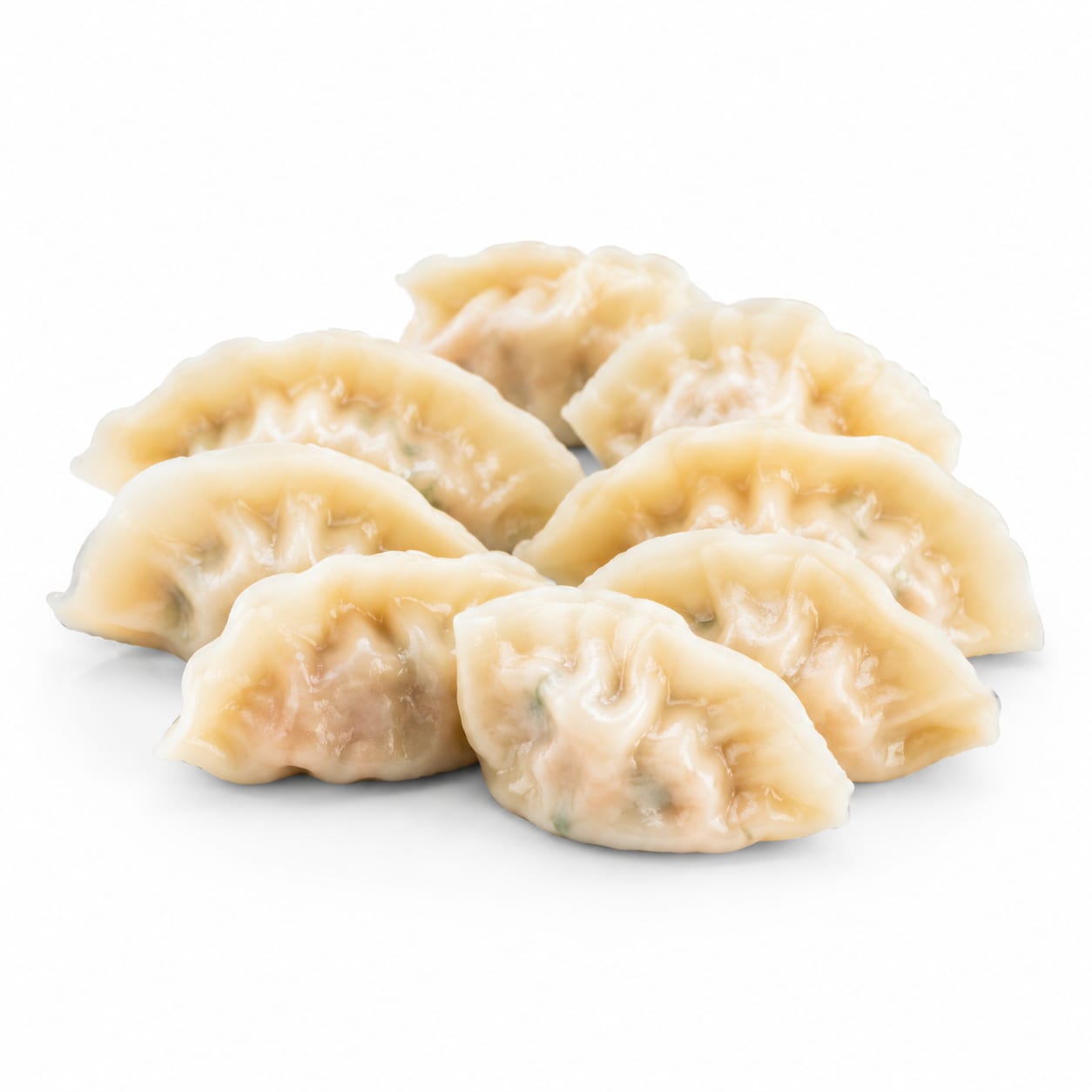
Dumpling
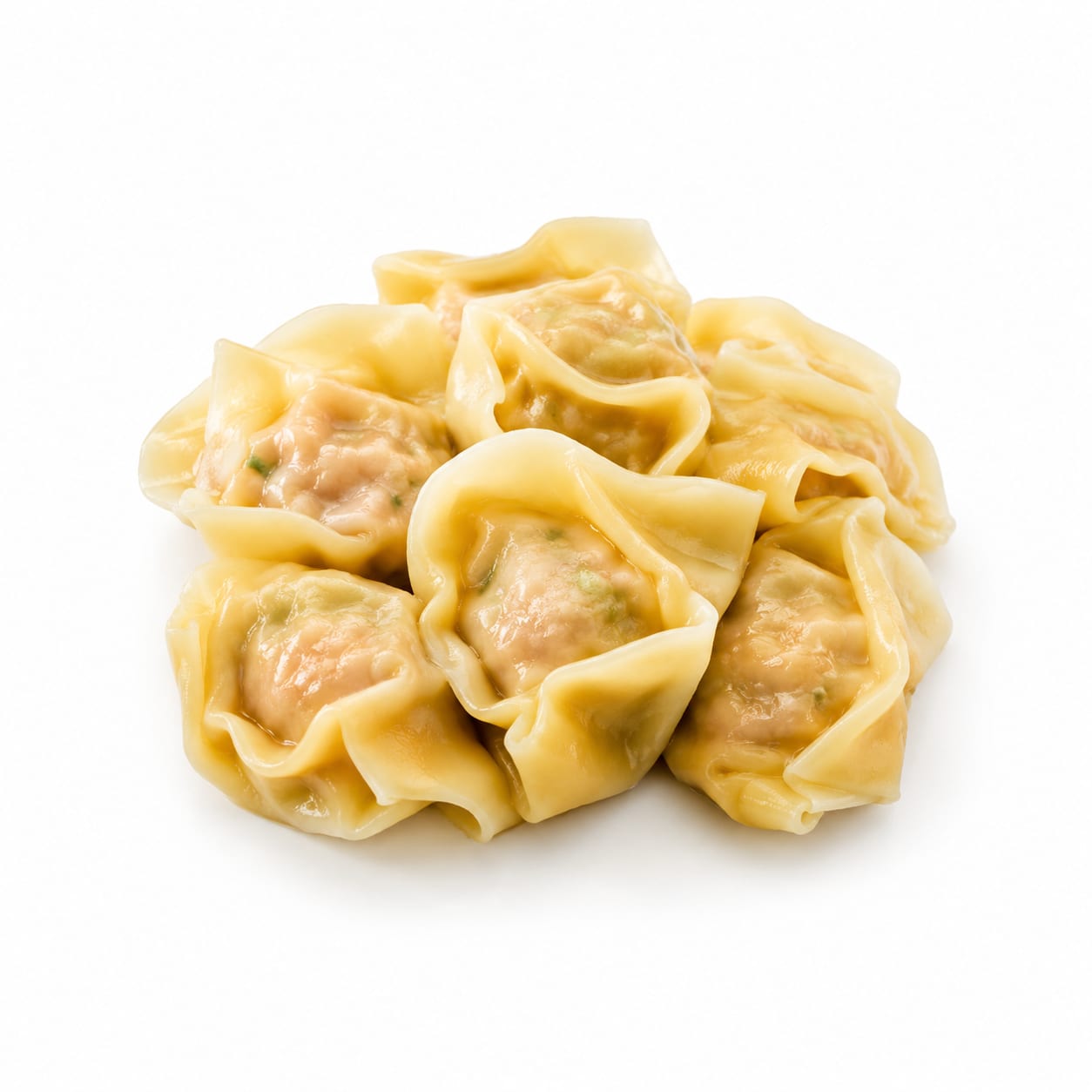
Wonton
Wontons win for lighter everyday eating; dumplings win when you need something hearty and satisfying.
Wontons score higher due to lighter calorie density, better hydration from broth, and easier portion control. Dumplings lose ground on fat content from pan-frying and higher calorie density per piece, but win on satiety and flavor satisfaction.
Dumplings deliver more filling power and flavor intensity but cost more calories and fat. Wontons offer a lighter, broth-based experience with easier portion control.
At a glance
Executive summary
Overall
It depends
Healthier
Wonton
More practical
Wonton
Daily use
Wonton
Key comparison lenses
calorie density and portion control
Dumplings are larger and often pan-fried, making them significantly more calorie-dense than broth-served wontons
satiety and meal satisfaction
Users choosing between these foods often want to know which will keep them fuller longer versus which feels lighter
sodium and heart health impact
Both foods carry high sodium loads but through different vectors—wonton broth versus dumpling dipping sauces
digestive comfort and lightness
Wontons in soup feel gentler on the stomach while pan-fried dumplings sit heavier
everyday meal versatility
People want to know which fits better as a quick weeknight meal versus a satisfying indulgence
Best choice for
Dumpling
- People needing a substantial, filling meal
- Those wanting a satisfying appetizer or snack with bold flavor
- Anyone craving something crispy and comforting
- Active individuals needing more calories
Wonton
- People watching their calorie intake
- Anyone wanting a light lunch or gentle dinner
- Those who prefer broth-based meals for hydration
- People with sensitive digestion who need something easy on the stomach
Least suitable for
Dumpling
- People strictly limiting sodium or fat
- Anyone wanting a light meal before bed
- Those managing reflux or heavy digestion issues
Wonton
- People needing a calorie-dense meal after heavy training
- Anyone who finds soup-based meals unsatisfying
- Those wanting something crispy or texturally exciting
Deep comparison
Dimension by dimension
Each lens scores both foods and breaks down who each option suits.
- Dimension 1 · Priority 92Wonton
calorie density and portion control
Dumpling · 40Wonton · 75A single pan-fried dumpling can pack 80-120 calories, while a wonton in broth typically lands around 30-50 calories each.
Tradeoff
Dumplings are more satisfying per piece but far easier to overeat. Wontons let you eat more pieces for fewer calories.
Why it matters
If you eat until visually satisfied rather than tracking calories, dumplings can quietly deliver double the expected intake.
Real-world impact
Six dumplings as a snack can hit 600 calories before you feel full. Six wontons in soup barely crack 300.
Dumpling
- Heavy training days when you need calorie surplus
- Busy people who need fewer pieces to feel satisfied
Better for
- Mindless snacking scenarios
- Late-night eating when you want something light
Worse for
Wonton
- Weight management and calorie awareness
- Anyone who likes eating larger volumes of food
Better for
- Post-workout recovery when you need dense calories
- Situations where broth is impractical
Worse for
- Dimension 2 · Priority 88Dumpling
satiety and fullness
Dumpling · 78Wonton · 55Dumplings deliver stronger fullness signals thanks to thicker wrappers, higher fat content, and denser fillings.
Tradeoff
That satisfying fullness comes with a heavier feeling that can linger uncomfortably if you overeat.
Why it matters
If you need one meal to carry you through a long afternoon, dumplings do the job better.
Real-world impact
A plate of dumplings at noon can keep you full until dinner. Wonton soup often leaves you hungry again by 3pm.
Dumpling
- Long workdays without snack access
- Replacing a full meal rather than supplementing one
Better for
- Anyone prone to afternoon food comas
- Sedentary evenings when heavy food sits poorly
Worse for
Wonton
- Hot weather when heavy meals feel oppressive
- Multi-course meals where you want to save room
Better for
- Physically demanding days requiring sustained energy
- Anyone who feels anxious when meals do not last
Worse for
- Dimension 3 · Priority 85It depends
sodium and heart health
Dumpling · 45Wonton · 50Both are high-sodium foods but from different sources. Dumpling sodium comes from filling and dipping sauce. Wonton sodium hides in the broth and filling.
Tradeoff
You can skip dumpling dipping sauce to cut sodium easily. Wonton broth is harder to avoid since it defines the dish.
Why it matters
Regular high-sodium meals quietly raise blood pressure over time, even if you feel fine.
Real-world impact
A bowl of wonton soup can deliver 800-1200mg sodium. Six dumplings with sauce can hit similar levels. Both are significant.
Dumpling
- Situations where you can skip or reduce dipping sauce
- People who track sodium and can plan around it
Better for
- Habitual heavy sauce users who dunk generously
- Restaurant dumplings with pre-seasoned sauces
Worse for
Wonton
- Anyone who drinks the broth slowly and eats mostly the wontons
- People who make homemade versions with low-sodium broth
Better for
- Finishing the entire broth bowl
- Restaurant wonton soups with notoriously salty broth
Worse for
- Dimension 4 · Priority 80Wonton
digestive comfort
Dumpling · 45Wonton · 78Wontons in broth are gentler on digestion. The thin wrappers and liquid base make them easier to process. Pan-fried dumplings sit heavier.
Tradeoff
Lighter digestion means less fullness. You trade comfort for staying power.
Why it matters
If you have reflux, IBS, or simply hate that stuffed feeling, wontons are the safer bet.
Real-world impact
Wonton soup after a long day feels soothing. A plate of fried dumplings can trigger heartburn if eaten too quickly.
Dumpling
- People with strong digestion who never feel uncomfortable after meals
- Cold days when a heavy warm meal feels therapeutic
Better for
- Eating before lying down or exercising
- People prone to bloating after rich meals
Worse for
Wonton
- Anyone with reflux or sensitive stomach
- Evening meals when you want to sleep comfortably
Better for
- Times when you need food to feel substantial and grounding
Worse for
- Dimension 5 · Priority 72Dumpling
protein quality and filling nutrition
Dumpling · 65Wonton · 55Dumplings typically contain more filling per piece, meaning more protein per bite. Wontons have thinner fillings and less meat per wrapper.
Tradeoff
More protein comes alongside more fat and calories from the denser filling and cooking method.
Why it matters
Protein matters for staying full and maintaining muscle, but the source quality varies widely by restaurant.
Real-world impact
Six pork dumplings might deliver 18-24g protein. Six wontons might only give you 10-14g.
Dumpling
- Using dumplings as a protein-forward meal component
- Post-workout meals when you need both carbs and protein
Better for
- Anyone avoiding high-fat protein sources
- People who need lean protein for medical reasons
Worse for
Wonton
- Light protein intake alongside other dishes
- Older adults who prefer easier-to-chew protein sources
Better for
- Meals where wontons are the only protein source
Worse for
- Dimension 6 · Priority 68Dumpling
versatility and meal integration
Dumpling · 72Wonton · 60Dumplings work as appetizers, mains, or snacks across more contexts. Wontons are more locked into soup-based serving.
Tradeoff
Versatility means more preparation styles, but pan-frying and deep-frying options add fat that steamed wontons avoid.
Why it matters
If you want one food that works across different meals and occasions, dumplings adapt better.
Real-world impact
Dumplings can be steamed, pan-fried, boiled, or deep-fried. They work as party food, quick lunch, or dinner centerpiece. Wontons are mostly soup.
Dumpling
- Entertaining and shared plates
- Meal prep since they reheat well in multiple ways
Better for
- On-the-go eating since they are best hot and crispy
- Packing in lunchboxes where they get soggy
Worse for
Wonton
- Sick days when only soup sounds good
- Cold weather comfort meals
Better for
- Hot summer days when soup sounds unappealing
- Buffet or party settings where soup is impractical
Worse for
Timeline
Health impact over time
Short-term
Hours to days
Dumpling
- Quick satiety from fat and carb combination
- Possible sluggishness after large portions due to calorie density
- Potential heartburn from pan-fried fat content
- Blood sugar spike from refined flour wrappers, especially on empty stomach
Wonton
- Comforting and hydrating from warm broth
- Lighter post-meal feeling with less digestive strain
- Mild blood sugar impact since broth slows carbohydrate absorption
- Possible thirst afterward from high sodium in soup
Long-term
Months to years
Dumpling
- Regular consumption of pan-fried dumplings increases fat and calorie intake significantly
- High sodium from restaurant versions contributes to blood pressure concerns over time
- Refined carbohydrate wrappers add up if dumplings are a frequent meal
- More sustainable as an occasional meal than a daily staple
Wonton
- Easier to maintain as a regular light meal without calorie creep
- Sodium from broth remains a concern if eaten frequently at restaurants
- Better hydration habits from soup-based meals
- Lower overall inflammatory load compared to fried alternatives
Risk profile
Safety & processing
Both foods involve processed wrappers and seasoned fillings. Restaurant and frozen versions of both often contain added preservatives, MSG, and sodium enhancers. Homemade versions of either are significantly cleaner. The main difference is that dumpling dipping sauces often add extra additives, while wonton broth can contain flavor enhancers and hidden sodium.
Dumpling
Undercooked pork filling
highThick dumpling wrappers can prevent filling from reaching safe temperature if not cooked properly, especially with raw pork.
Cross-contamination at buffets
mediumShared tongs and open serving trays at dim sum restaurants increase contamination risk.
Reheating inadequacy
mediumLeftover dumplings often get microwaved unevenly, leaving cold spots in the filling.
Wonton
Broth as bacterial culture medium
mediumWonton broth left at room temperature can grow bacteria quickly. Takeout soup should be consumed promptly.
Undercooked shrimp filling
mediumShrimp wontons cook quickly but thin wrappers can mask undercooked seafood inside.
Sodium nitrite in preserved ingredients
lowSome traditional wonton fillings use preserved vegetables or cured meats containing nitrites.
Who wins for whom
Audience fit
Same foods, different winners depending on your goal.
children
WontonWontons are easier to chew, less greasy, and the soup format encourages hydration. Smaller pieces suit little hands better.
daily consumption
WontonWontons are lighter and less calorie-dense, making them more sustainable as a regular meal without weight creep.
diabetes
WontonWonton soup causes a gentler blood sugar rise because broth slows carbohydrate absorption from the thin wrappers.
elderly
WontonSoft wontons in broth are gentler on aging digestion and easier to chew. The warm liquid is soothing and hydrating.
muscle gain
DumplingDumplings deliver more protein and calories per serving, supporting muscle-building diets that require surplus energy.
weight loss
WontonWontons in broth provide more volume and hydration per calorie, making it easier to feel satisfied on fewer calories.
Your move
Decision guide
Choose Dumpling
- You want a hearty, satisfying meal that keeps you full for hours
- You are sharing food with friends and need something crowd-pleasing
- You had an active day and earned a more indulgent meal
- You crave something crispy and comforting rather than light
- You need more calories and protein in your day
Choose Wonton
- You want something light that will not slow you down afterward
- You are watching calories or trying to lose weight
- It is hot outside and heavy food sounds unappealing
- You want hydration alongside your meal
- You have a sensitive stomach or are eating late at night
Either works if
- You are eating at a dim sum restaurant and can order both
- You are making homemade versions with quality ingredients
- You pair them with vegetables to balance the meal nutritionally
Avoid both if
- You are on a strict low-sodium diet since both are high in salt
- You have celiac disease or gluten intolerance from wheat wrappers
- You are avoiding refined carbohydrates entirely
- You are sensitive to MSG commonly used in restaurant versions of both
Final recommendation
For everyday eating, wontons are the smarter default—lighter, easier to portion, and gentler on digestion. Save dumplings for when you genuinely want something hearty and satisfying. The biggest health lever for either food is making them at home, where you control the sodium, fat, and filling quality.
Practical
Consumer tips
- 1
Ask for steamed dumplings instead of pan-fried to cut calories and fat by roughly 30-40%
- 2
Drink wonton broth slowly and consider leaving half the liquid to reduce sodium intake significantly
- 3
Pair either food with a side of steamed vegetables to add fiber and slow blood sugar impact
- 4
Make dumplings and wontons at home using whole wheat wrappers and lean ground chicken or turkey for a dramatically healthier version
- 5
Freeze homemade batches so you always have a better-for-you option instead of reaching for restaurant takeout
- 6
If eating dumplings, use dipping sauce sparingly—a light dip, not a soak—since sauce can add 200-400mg sodium per serving
- 7
For wontons, add bok choy or spinach to the broth to increase volume and nutrients without meaningful calorie addition
- 8
Read frozen package labels carefully—commercial versions of both foods often contain 600-900mg sodium per serving