

Pastry
Croissant
A flaky, buttery French pastry made from laminated yeast dough.
A buttery, flaky, crescent-shaped pastry of French origin made from layered yeast-leavened dough.
high-fat refined carbohydrate pastry
Typical serving · 57g
Common varieties · butter croissant, chocolate croissant, almond croissant, ham and cheese croissant, mini croissant
Overall context score across nutrition, safety, and diet fit
At a glance
Quick facts
Simple indicators based on nutrition, processing, and diet fit.
The story
What makes it unique
A high energy-dense food with rapid digestion due to refined flour and high saturated fat content from butter. Satiety is low relative to caloric load. Macronutrient profile is dominated by refined carbohydrates and fats, offering minimal fiber or micronutrient density.
Varieties: butter croissant · chocolate croissant · almond croissant · ham and cheese croissant · mini croissant
Per 100g
Nutrition breakdown
Macro balance and key metrics at a glance.
Energy
Density 4.06 kcal/g
Protein
Carbs
Fat
Fiber
Sugar
11.5 g
Sodium
424 mg
Potassium
105 mg
Glycemic index
72
Glycemic load
31
Water content
19%
Standout compounds
Nutrient highlights
Saturated Fat
highProvides rich flavor and flaky texture but raises LDL cholesterol if consumed in excess
Carbohydrates
highQuick energy source from refined wheat flour
Sodium
moderateEnhances flavor and yeast activity, but contributes to daily sodium limits
B Vitamins
lowSmall amounts of thiamin and folate from enriched refined flour
Wellness map
Health scores & processing
NOVA processing scale
Ultra-processed · Ultra-processed
Commercial croissants typically contain industrial emulsifiers, dough conditioners, and preservatives alongside refined flour and fat, placing them in Nova Group 4. Artisan versions with only flour, butter, yeast, and salt fall into Nova Group 3.
Diet compatibility
- Weight loss
- Muscle gain
- Diabetes
- Gut health
- Low carb
- High protein
- Heart health
Relative standing
Food rankings
Qualitative ranks compared to similar whole foods.
- Satietypoor
- Blood sugarpoor
- Nutrient densitypoor
- Fitness fuelmoderate
- Processing qualitypoor
Eat with confidence
Food safety profile
Generally safe from acute biological and chemical contamination. Acrylamide formation is typical for baked goods but poses minimal risk in moderate consumption.
Evidence confidence 90%
- Pesticideslow
- Antibioticslow
- Heavy metalslow
- Contaminationlow
Watch for
- acrylamide
- mold
Safer choices
Artisan bakeries using simple ingredients without commercial dough conditioners or artificial preservatives.
Prep tips
Reheating before eating improves texture but does not alter nutritional profile. Store in airtight containers to prevent mold.
Acrylamide formation during high-heat baking of refined carbohydrates is a standard concern for all baked goods.
Deep dive
Health analysis
How this food may fit different goals and preparation choices.
Weight loss
Poor choice for weight loss due to high energy density and low fiber, leading to easy overconsumption of calories without lasting fullness.
Blood sugar
Refined flour causes rapid spikes in blood sugar, and the high saturated fat content can impair insulin sensitivity over time.
Fitness & energy
Provides quick carbohydrates for short-term energy but lacks sustained fuel and sufficient protein for muscle recovery.
Gut health
Low fiber and high saturated fat offer minimal support for the gut microbiome; commercial versions may contain emulsifiers that disrupt gut lining.
Processing quality
Highly processed, especially commercial varieties containing dough conditioners, preservatives, and sometimes hidden trans fats.
Food safety
Low risk of acute foodborne illness; primary concern is acrylamide from high-heat baking and long-term metabolic impact.
Common mistakes
Assuming a plain croissant is a light breakfast choice when a single medium pastry contains over 230 calories and 12 grams of fat.
Best preparation
If making at home, use whole grain flour blends and reduce butter layers to improve fiber and lower saturated fat content.
Practical guide
Best use cases
When and how this food fits real eating patterns.
Pre-workout quick energy
Provides rapidly digesting carbohydrates for short, intense workouts when consumed 30-60 minutes prior.
Occasional indulgence
Suitable as a rare weekend treat or celebratory breakfast rather than a daily dietary staple.
Calorie loading for athletes
Useful for endurance athletes or those struggling to gain weight who need dense caloric intake without high volume.
Balance sheet
Pros & cons
Upsides
- Rich source of quick-digesting carbohydrates for immediate energy
- High palatability and satisfying mouthfeel from high fat content
- Convenient and widely available on-the-go breakfast option
Trade-offs
- Very high in calories and saturated fat relative to volume
- Low in dietary fiber and essential micronutrients
- Spikes blood sugar rapidly due to refined flour
- Commercial versions often contain ultra-processed additives and emulsifiers
Fit check
Who is it for?
Great match
- pre-workout quick energy
- occasional indulgence
- endurance athletes needing calorie density
Consider alternatives
- weight loss diets
- diabetic meal plans
- heart-healthy diets
- low-carb diets
Side by side
How it compares
Open the full head-to-head analysis for nutrition, safety, and practical tradeoffs.
This food
Croissant
VS85% alike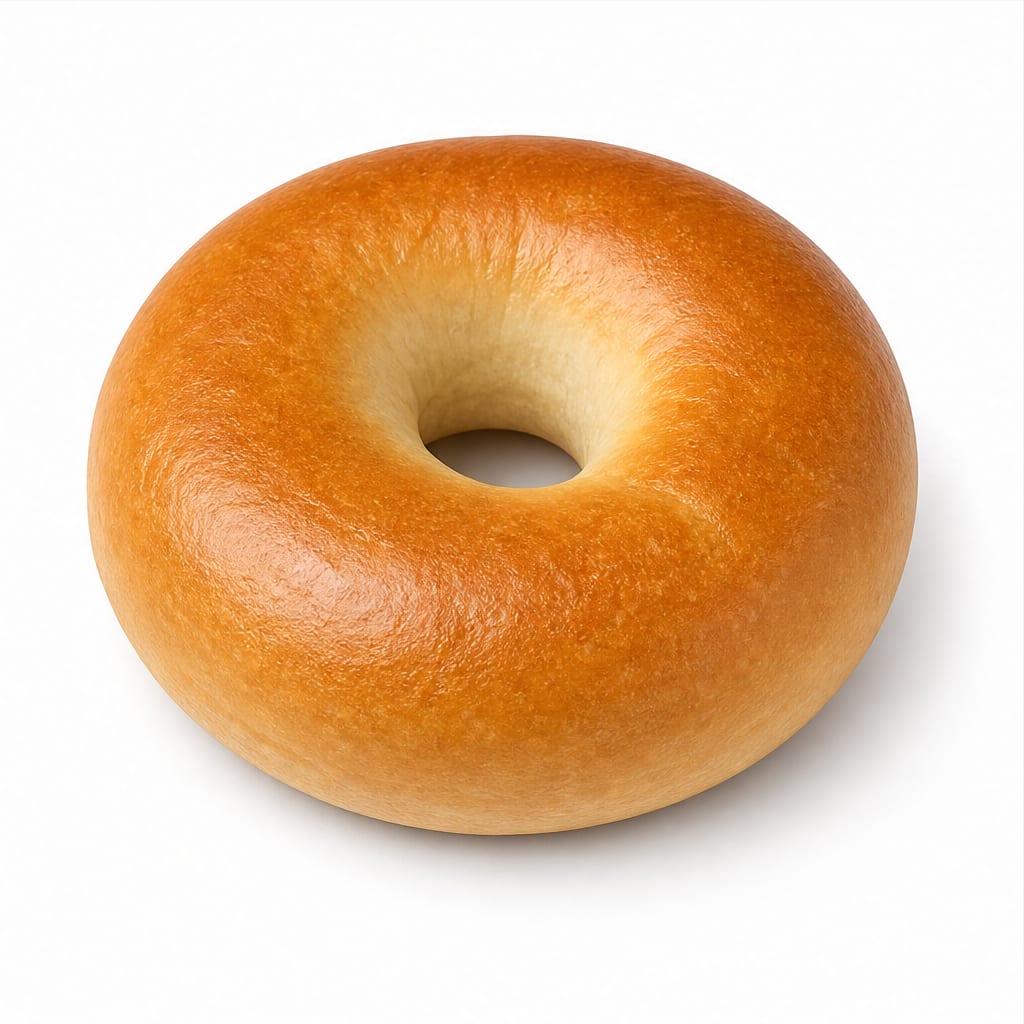
Compare with
Bagel
Bagels are denser and higher in carbs and protein, while croissants are lighter but much higher in fat.
Bagels provide more protein and sustained energy for workouts, while croissants pack more saturated fat and less satiety per calorie.
This food
Croissant
VS90% alike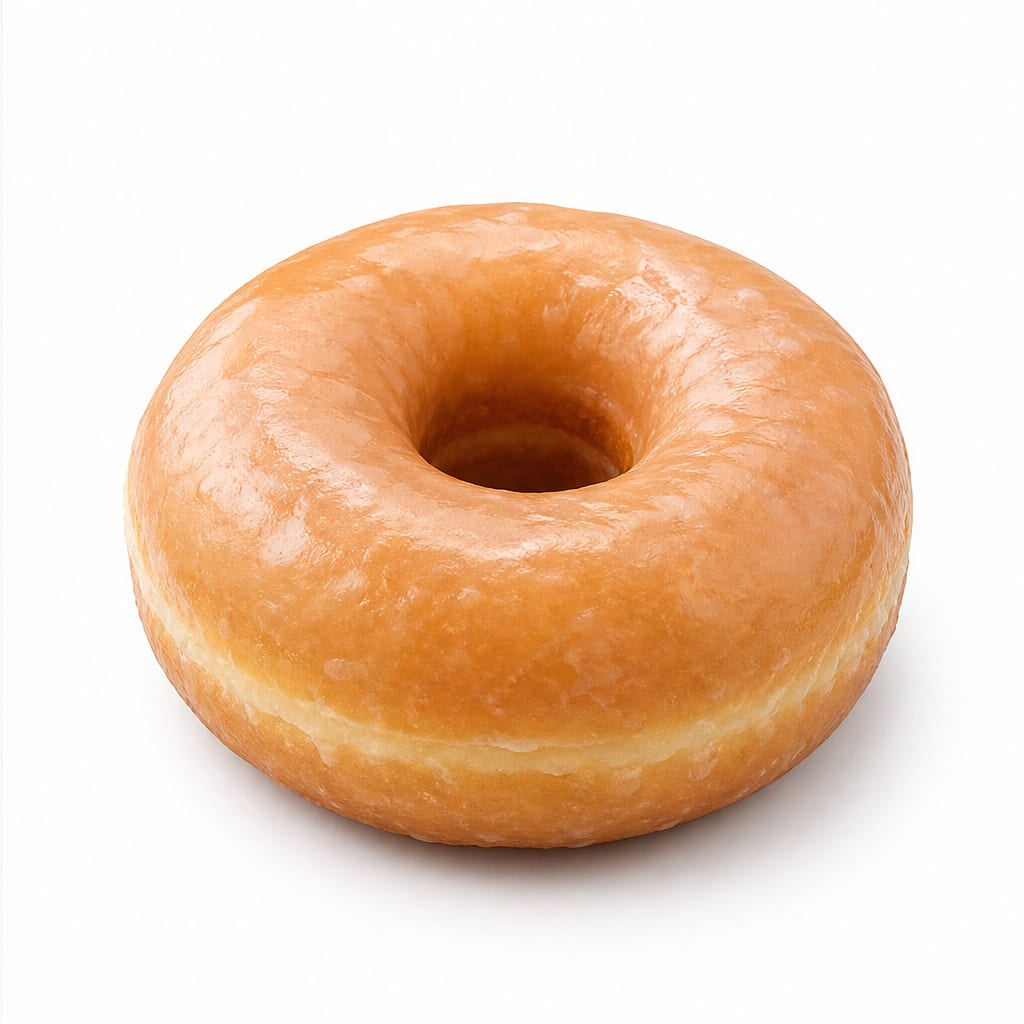
Compare with
Donut
Donuts are higher in sugar and often fried, while croissants are higher in total fat and saturated fat from butter.
Croissants contain less sugar than glazed donuts, making them slightly better for blood sugar, though both are high-calorie treats.
This food
Croissant
VS75% alike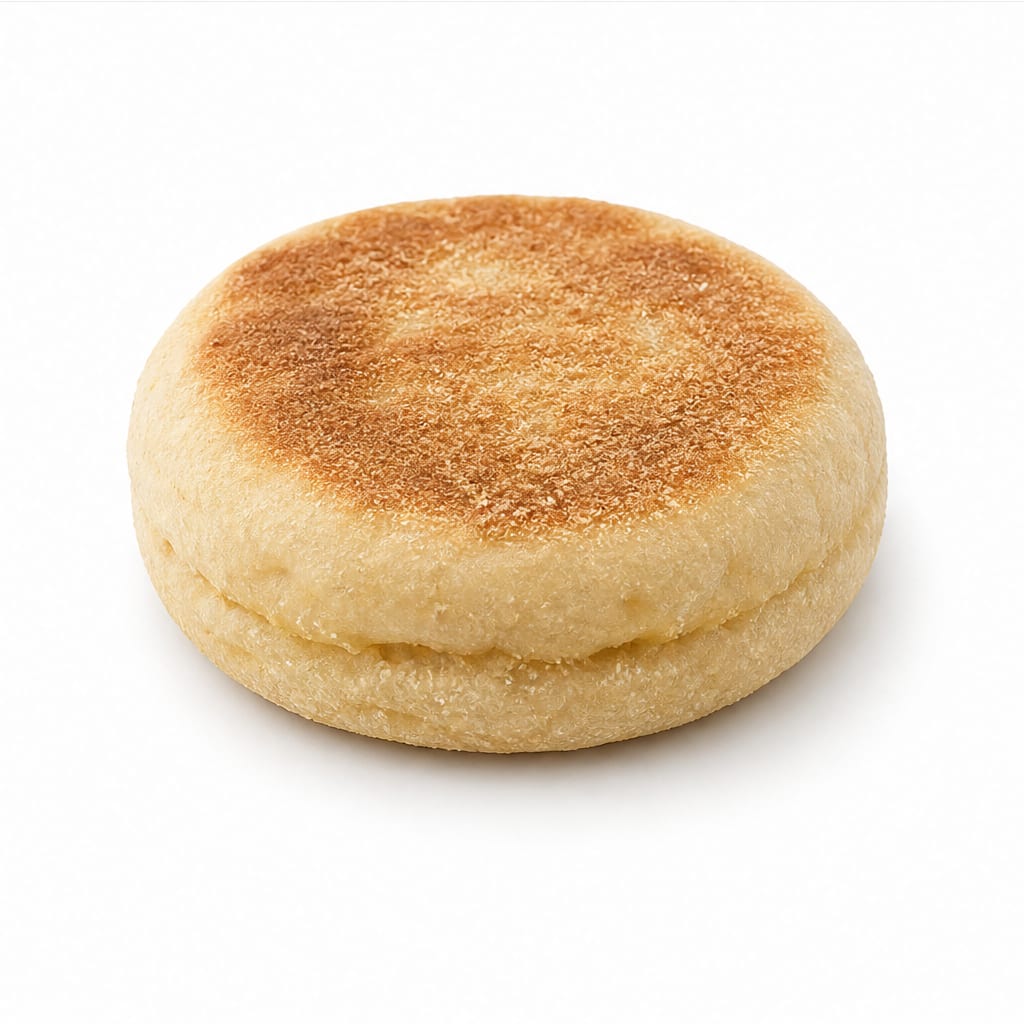
Compare with
English Muffin
English muffins are significantly lower in fat and calories, offering a leaner base for breakfast.
English muffins are much lower in fat and calories than croissants, making them better for weight loss and heart health.
This food
Croissant
VS80% alike
Compare with
Blueberry Muffin
Muffins are often larger and higher in sugar, while croissants are higher in saturated fat.
Croissants generally have less sugar than bakery muffins, but muffins may offer slightly more volume and satiety depending on the recipe.
This food
Croissant
VS85% alike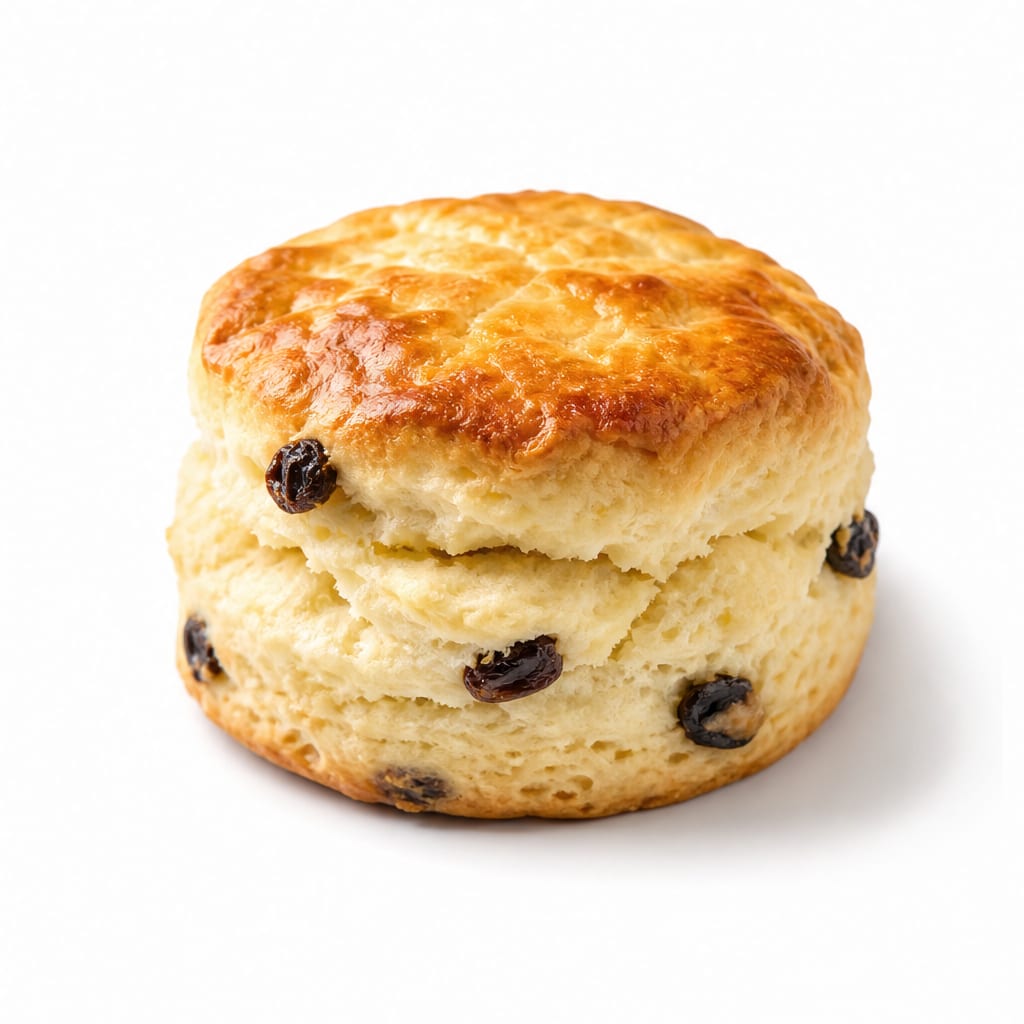
Compare with
Scone
Scones are denser and often contain more sugar and mix-ins, while croissants are flakier with a higher fat-to-carb ratio.
Scones are denser and more filling than croissants, but croissants typically have a slightly lower sugar content.
This food
Croissant
VS70% alike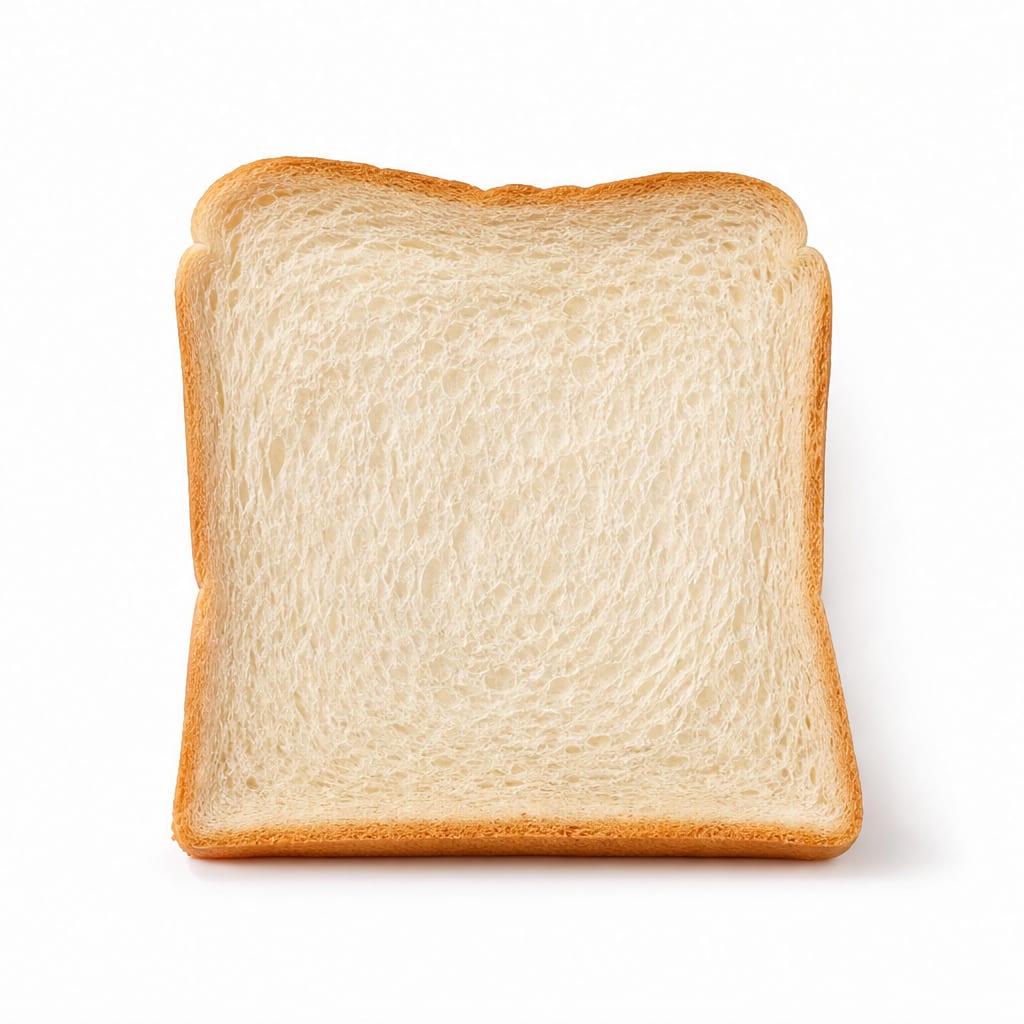
Compare with
White Toast
White toast is much lower in fat and calories, providing a cleaner source of refined carbs without the heavy fat load.
White toast provides the same quick carbs as a croissant but with significantly less fat and fewer calories, making it a leaner choice.
This food
Croissant
VS75% alike
Compare with
Pancake
Plain pancakes are lower in fat than croissants, but nutritional value changes drastically with syrup and butter toppings.
Plain pancakes are lower in fat than croissants, but adding syrup makes them higher in sugar; croissants are consistently high in fat.
This food
Croissant
VS95% alike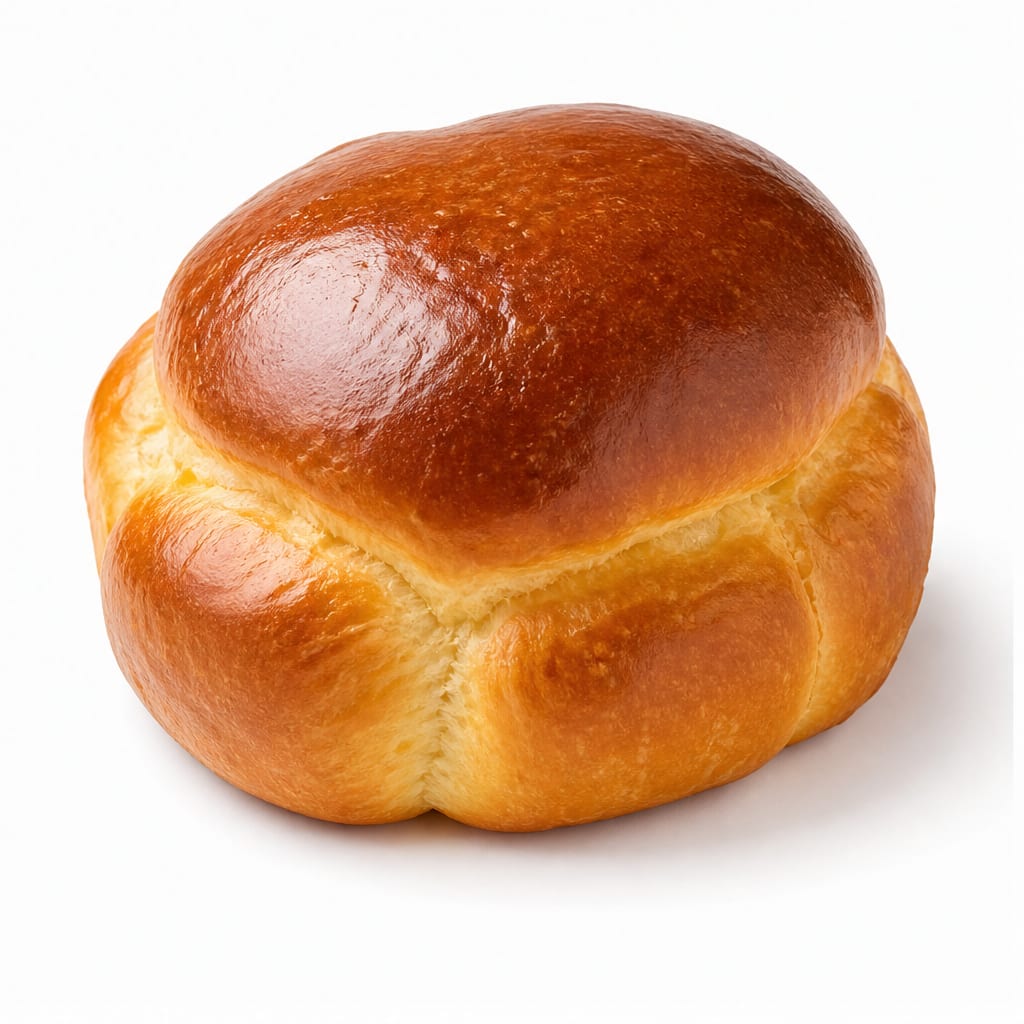
Compare with
Brioche
Brioche is similar in ingredients but has a softer, cake-like texture, while croissants are flaky and layered.
Brioche and croissants are both rich in butter, but croissants are slightly lower in sugar, while brioche offers more protein per serving.
This food
Croissant
VS95% alike
Compare with
Danish Pastry
Danishes contain sweet fillings or toppings, making them higher in sugar than plain croissants, with similar fat profiles.
A plain croissant is lower in sugar than a fruit or cheese Danish, making it the better option for blood sugar control.
This food
Croissant
VS80% alike
Compare with
Waffle
Plain waffles are lower in fat than croissants but often consumed with high-sugar syrups.
Plain waffles contain less fat than croissants, offering a lighter base for breakfast, though both are refined carbohydrates.
Common questions
FAQ
Answers aligned with how people search for this food.
How many calories are in a medium croissant?
A medium butter croissant (about 57 grams) contains approximately 230 to 240 calories, mostly from fat and refined carbohydrates.
Are croissants good for weight loss?
No, croissants are not ideal for weight loss. They have high energy density and low fiber, meaning they pack a lot of calories without keeping you full for long.
Can diabetics eat croissants?
Croissants are not recommended for diabetes management. They are made from refined flour which causes rapid blood sugar spikes, and their high saturated fat content can worsen insulin resistance.
Is a croissant healthier than a bagel?
It depends on the metric. A croissant is higher in saturated fat and lower in protein, while a bagel is higher in carbohydrates and sodium. Neither is a health food, but a whole grain bagel offers more fiber.
Why are croissants so high in calories?
Croissants are high in calories because of the lamination process, which involves folding layers of butter into the dough multiple times, resulting in a pastry that is roughly 20% fat by weight.
Do croissants have a lot of sugar?
Croissants contain a moderate amount of sugar, typically around 5 to 6 grams per medium pastry, which is less than many other breakfast pastries like danishes or muffins.
What is the glycemic index of a croissant?
The glycemic index of a croissant is moderate to high, typically ranging from 70 to 75, meaning it can cause a rapid increase in blood sugar levels.
Are croissants ultra-processed?
Commercially packaged croissants are generally considered ultra-processed due to added emulsifiers, dough conditioners, and preservatives. Artisan bakery croissants made with just flour, butter, yeast, and salt are processed culinary ingredients.
Transparency
Data confidence
Estimated confidence for nutrition data, interpretation, safety notes, and comparisons.
Nutrition data
Health analysis
Food safety
Comparisons