
Nutrition comparison
Croissant vs English Muffin: Which Breakfast Is Actually Better for You?
Compare croissants and English muffins on calories, fat, blood sugar impact, and daily practicality. Find out which breakfast carb supports your health goals and when to choose each.
Overall winner · English Muffin

Croissant
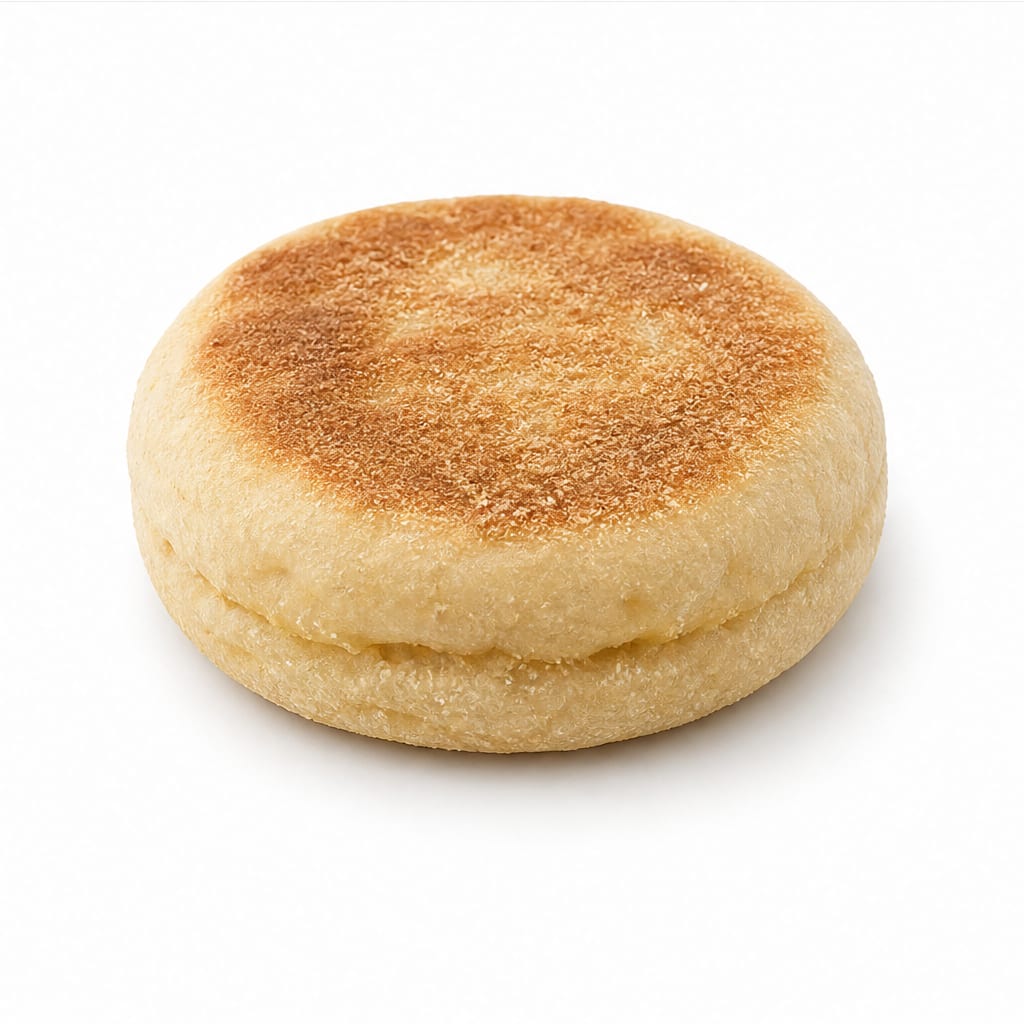
English Muffin
English muffins win for daily eating thanks to fewer calories, less saturated fat, and better blood sugar control. Croissants are an occasional indulgence, not a routine breakfast.
English muffins score substantially higher due to lower calorie density, far less saturated fat, better fiber content, and stronger suitability for daily consumption. Croissants are not inherently bad but are clearly designed as an occasional pastry rather than a staple food.
Croissants deliver rich, satisfying flavor but cost you roughly double the calories and five times the saturated fat. English muffins are blander but far easier on your body when eaten regularly.
At a glance
Executive summary
Overall
English Muffin
Healthier
English Muffin
More practical
English Muffin
Daily use
English Muffin
Key comparison lenses
breakfast staple selection
Both foods are iconic morning carbs, so choosing between them is a daily real-world decision
calorie and fat awareness
Croissants pack significantly more calories and saturated fat per serving than English muffins
blood sugar and energy stability
The difference in fat, fiber, and refined carbs affects how steady your energy stays through the morning
heart health tradeoffs
Croissants are butter-dense while English muffins are relatively lean, making cardiovascular impact a key concern
meal versatility and topping compatibility
English muffins serve as a neutral base for eggs or avocado, while croissants are usually eaten as-is
Best choice for
Croissant
- Weekend treat seekers wanting something indulgent
- People who eat breakfast infrequently and want it to feel special
- Those needing dense calories for weight gain or high activity levels
- Anyone craving buttery satisfaction over nutritional optimization
English Muffin
- Daily breakfast eaters who want a reliable, lighter base
- Weight-conscious individuals tracking calories or fat
- People who build breakfast sandwiches with eggs, avocado, or nut butter
- Anyone managing cholesterol or heart health concerns
Least suitable for
Croissant
- People with high cholesterol or heart disease risk
- Anyone counting calories for weight loss
- Those who need steady morning energy without a crash
- Daily breakfast eaters looking for a sustainable routine
English Muffin
- Those needing calorie-dense fuel for intense physical labor
- People who find low-fat breakfasts unsatisfying and end up overeating later
- Anyone seeking a luxurious or celebratory breakfast experience
Deep comparison
Dimension by dimension
Each lens scores both foods and breaks down who each option suits.
- Dimension 1 · Priority 95English Muffin
calorie density and weight management
Croissant · 25English Muffin · 72A typical croissant runs 230–280 calories, while an English muffin sits around 120–130. That gap adds up fast if breakfast is a daily habit.
Tradeoff
You get more indulgent flavor per bite with a croissant, but you pay roughly double the calories for less fullness.
Why it matters
Over a workweek, choosing English muffins instead of croissants saves roughly 500–750 calories without changing your meal structure.
Real-world impact
If you eat breakfast five days a week, swapping croissants for English muffins could translate to roughly 2 pounds less weight gain per month assuming everything else stays the same.
Croissant
- Underweight individuals needing easy calories
- Endurance athletes with high energy expenditure
Better for
- Portion-conscious eaters
- People who find high-calorie breakfasts trigger overeating all day
Worse for
English Muffin
- Anyone tracking calories for weight loss
- People who prefer larger food volume for fewer calories
Better for
- Those who need calorie-dense meals to maintain weight
Worse for
- Dimension 2 · Priority 88English Muffin
satiety and fullness
Croissant · 35English Muffin · 62Despite more calories, croissants are less filling because their calories come from butter rather than protein or fiber. English muffins, especially whole wheat, keep you satisfied longer per calorie.
Tradeoff
Croissants feel rich in the moment but fade quickly. English muffins, particularly with protein toppings, deliver steadier fullness.
Why it matters
A breakfast that leaves you hungry by 10 AM sets up poor snacking decisions regardless of how good it tasted at 8.
Real-world impact
You are more likely to reach for a mid-morning pastry or sugary coffee after a croissant than after an English muffin with eggs.
Croissant
- People who eat small breakfasts and prefer a lighter stomach
Better for
- People prone to snacking when meals do not hold them
Worse for
English Muffin
- Anyone trying to avoid mid-morning hunger
- Breakfast skippers transitioning to eating morning meals
Better for
- Those who dislike eating breakfast and want something minimal
Worse for
- Dimension 3 · Priority 85English Muffin
heart health and saturated fat
Croissant · 18English Muffin · 70A croissant contains roughly 6–8 grams of saturated fat from butter. An English muffin has less than 1 gram. That is a meaningful difference for cardiovascular health when consumed daily.
Tradeoff
The butter that makes croissants taste incredible is the same factor that makes them tough on your heart over time.
Why it matters
Daily saturated fat intake adds up. A daily croissant could supply a third to half of your recommended limit before lunch.
Real-world impact
Someone with borderline high cholesterol could see measurable LDL improvements by switching from daily croissants to English muffins.
Croissant
- People with no heart health concerns eating croissants occasionally
Better for
- People with elevated LDL cholesterol
- Anyone already exceeding daily saturated fat limits
Worse for
English Muffin
- Anyone with family history of heart disease
- People managing high cholesterol
- Those following heart-healthy eating patterns
Better for
- No significant heart health downside
Worse for
- Dimension 4 · Priority 82English Muffin
blood sugar stability
Croissant · 32English Muffin · 60Croissants cause a sharper blood sugar rise followed by a crash because they combine refined flour with high fat but minimal fiber. English muffins, especially whole grain, digest more gradually.
Tradeoff
Croissants give you a quick pleasure spike but leave you sluggish an hour later. English muffins provide more even, predictable energy.
Why it matters
Morning blood sugar crashes affect concentration, mood, and lunchtime food choices more than most people realize.
Real-world impact
If your 10 AM meeting feels impossible after breakfast, the croissant might be the culprit.
Croissant
- No meaningful blood sugar advantage for croissants
Better for
- People sensitive to blood sugar swings
- Those prone to energy crashes mid-morning
Worse for
English Muffin
- People with insulin resistance or prediabetes
- Anyone who experiences afternoon energy crashes
- Those pairing breakfast with morning workouts
Better for
- No significant blood sugar downside
Worse for
- Dimension 5 · Priority 78English Muffin
versatility and meal building
Croissant · 30English Muffin · 80English muffins are a blank canvas for eggs, avocado, smoked salmon, or nut butter. Croissants are typically eaten alone because their delicate texture does not support toppings well.
Tradeoff
Croissants are a complete experience on their own. English muffins need help to be exciting, but that help can make them nutritionally excellent.
Why it matters
A food that invites healthy toppings can become a balanced meal. A food that stands alone stays whatever it is nutritionally.
Real-world impact
An English muffin with a fried egg and half an avocado is a genuinely balanced breakfast. A croissant is always just a croissant.
Croissant
- People who want a no-prep, grab-and-go pastry
- Those who enjoy foods that are complete without additions
Better for
- People who want to build a balanced plate around their carb
Worse for
English Muffin
- Meal preppers who build breakfast sandwiches
- Anyone trying to add more protein or healthy fats to their morning
- Families making customizable breakfasts
Better for
- Those who find plain English muffins too boring to finish
Worse for
- Dimension 6 · Priority 70Croissant
indulgence and emotional satisfaction
Croissant · 88English Muffin · 30Croissants are one of the most emotionally satisfying baked goods. The flaky texture and buttery flavor create a genuine pleasure experience that English muffins simply cannot match.
Tradeoff
You sacrifice nutritional quality for a meaningful joy boost. Whether that trade is worth it depends on how often you make it.
Why it matters
Food is not just fuel. Emotional satisfaction matters for sustainability, but it matters most when it is occasional rather than routine.
Real-world impact
A Saturday croissant feels like a treat. A daily croissant stops feeling special and just becomes a high-calorie habit.
Croissant
- Weekend treat rituals
- Special occasions and celebrations
- Anyone who feels deprived by constantly choosing the healthier option
Better for
- Daily eaters who lose the specialness over time
Worse for
English Muffin
- No emotional satisfaction advantage
Better for
- People who feel miserable eating bland breakfasts daily
- Those prone to bingeing after prolonged restriction
Worse for
Timeline
Health impact over time
Short-term
Hours to days
Croissant
- Quick energy burst followed by a crash within 1–2 hours
- Heavy feeling in the stomach from high fat content
- Potential brain fog or reduced focus mid-morning
English Muffin
- Steadier energy release especially when paired with protein
- Lighter feeling that does not weigh you down
- More stable mood and concentration through the morning
Long-term
Months to years
Croissant
- Increased LDL cholesterol with daily consumption due to saturated fat load
- Higher risk of weight gain if eaten routinely without adjusting other meals
- Potential contribution to insulin resistance when consumed frequently
English Muffin
- Better cholesterol maintenance with low saturated fat content
- Easier weight management from lower calorie density
- Improved digestive regularity if choosing whole wheat varieties
Risk profile
Safety & processing
Both are processed foods, but croissants typically contain more additives like dough conditioners, emulsifiers, and preservatives to maintain their laminated texture. English muffins have simpler ingredient lists, though commercial brands still include preservatives. Bakery-fresh versions of either are cleaner than packaged ones.
Croissant
trans fat contamination
mediumSome commercial croissants use partially hydrogenated oils or margarine instead of pure butter, introducing trans fats that are far worse than natural saturated fat.
oxidized fats from high-heat baking
lowThe butter in croissants is exposed to high oven temperatures, which can create minor oxidative byproducts, though this is a small concern for occasional consumption.
English Muffin
calcium propionate sensitivity
lowCommon preservative in commercial English muffins that may cause headaches or digestive upset in sensitive individuals.
mold risk with fresh-baked versions
lowEnglish muffins without preservatives spoil quickly and can develop mold within a few days if not stored properly.
Who wins for whom
Audience fit
Same foods, different winners depending on your goal.
children
It dependsCroissants are fun and appealing for kids as an occasional treat. English muffins are better as a daily breakfast base, especially with peanut butter or eggs.
daily consumption
English MuffinEnglish muffins are designed to be a daily staple. Croissants are designed to be a pastry. Your body notices the difference when one becomes routine.
diabetes
English MuffinLower calorie density and the option of whole wheat varieties give English muffins a meaningful blood sugar advantage.
elderly
English MuffinLower saturated fat and easier digestion make English muffins more appropriate for older adults managing heart health and appetite.
muscle gain
English MuffinEnglish muffins pair better with protein toppings like eggs or cottage cheese, making it easier to hit protein targets.
weight loss
English MuffinHalf the calories and a fraction of the saturated fat make English muffins the clear choice for anyone managing weight.
Your move
Decision guide
Choose Croissant
- You are treating yourself on a weekend or special occasion
- You have no weight or cholesterol concerns and eat breakfast rarely
- You need dense calories for intense physical activity
- You are in France and it would be a crime not to
Choose English Muffin
- You eat breakfast most days and want something sustainable
- You are watching your weight, cholesterol, or blood sugar
- You like building breakfast sandwiches with healthy toppings
- You want steady energy through the morning without a crash
Either works if
- You only eat breakfast occasionally and either option is fine in moderation
- You are choosing between a bakery-fresh croissant and a highly processed English muffin with questionable ingredients
Avoid both if
- You are strictly limiting refined carbohydrates for medical reasons
- You have celiac disease or gluten intolerance and no gluten-free alternatives are available
Final recommendation
Make English muffins your weekday breakfast and save croissants for the weekend. You get the best of both worlds: steady energy and heart health when it matters most, plus genuine indulgence when it feels earned. The worst approach is eating croissants daily until they stop feeling special and start showing up on your bloodwork.
Practical
Consumer tips
- 1
Choose whole wheat English muffins when available for added fiber and slower digestion
- 2
Check croissant ingredient lists for partially hydrogenated oils, which indicate trans fats that are worse than natural butter
- 3
Pair English muffins with protein like eggs, Greek yogurt, or nut butter to make them genuinely filling
- 4
Freeze English muffins if you do not eat them quickly, as they last months without quality loss
- 5
If buying croissants, bakery-fresh with real butter is always preferable to packaged versions with margarine
- 6
Toast English muffins thoroughly for better texture and digestibility, as the crispness makes them more satisfying