
Nutrition comparison
Croissant vs Scone: Which Breakfast Pastry Is Healthier?
Compare Croissants and Scones on nutrition, satiety, blood sugar, and portability. Find out which bakery treat fits your morning routine better.

Croissant
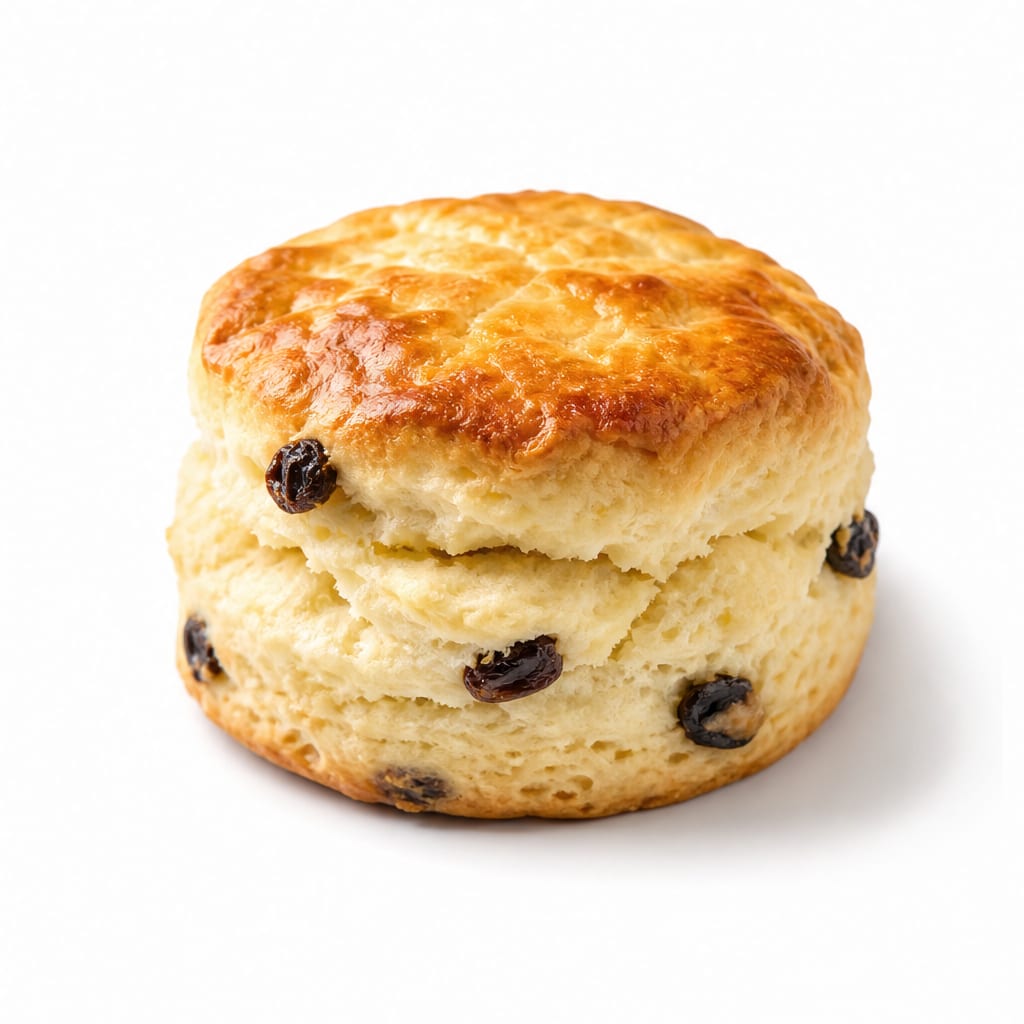
Scone
Croissants offer a rich, buttery bite with steadier blood sugar, while scones provide a denser, sweeter, and more portable morning fuel.
Neither pastry is a health food, but they fail in different ways. Scones edge out slightly for satiety and portability, while Croissants win for lower sugar and a gentler blood sugar impact.
High saturated fat and lower sugar in Croissants versus high refined carbs and sugar in Scones.
At a glance
Executive summary
Overall
It depends
Healthier
It depends
More practical
Scone
Daily use
Scone
Key comparison lenses
Breakfast pastry selection
Both are classic morning bakery items often chosen as quick breakfasts or coffee companions.
Blood sugar impact
Croissants are high in fat and lower in sugar, while scones are dense in refined carbohydrates and sugar, creating very different glycemic responses.
Portability and eating context
The flaky, greasy nature of a croissant contrasts sharply with the dry, sturdy texture of a scone, heavily influencing where and how they are eaten.
Satiety and density
A scone feels heavy and filling immediately, whereas a croissant is light and airy, impacting how much you need to feel satisfied.
Best choice for
Croissant
- Low-sugar diet followers
- Cafe breakfasts with a plate and napkin
- Those who want a rich treat without a sugar crash
Scone
- Commuters needing a sturdy on-the-go bite
- People with high morning calorie needs
- Those who prefer a dense, filling pastry
Least suitable for
Croissant
- People managing high cholesterol
- Eating while walking or driving
- Those tracking saturated fat intake
Scone
- People with insulin resistance or diabetes
- Low-carb dieters
- Those sensitive to sugar crashes
Deep comparison
Dimension by dimension
Each lens scores both foods and breaks down who each option suits.
- Dimension 1 · Priority 95Croissant
Blood Sugar Stability
Croissant · 55Scone · 25Croissants are high in butter, which slows digestion and softens the blood sugar spike. Scones deliver a heavy hit of refined carbs and sugar that hits the bloodstream fast.
Tradeoff
You avoid a sugar crash with a Croissant, but you take in a heavy dose of saturated fat instead.
Why it matters
Steady blood sugar prevents the mid-morning energy dip and cravings that derail your day.
Real-world impact
A scone morning often leads to an 11 AM energy crash, while a croissant keeps energy more stable but sits heavy in the stomach.
Croissant
- Avoiding sugar spikes
- Sustained morning energy
Better for
- Sensitive digestion to high fat
Worse for
Scone
- Quick energy before intense activity
Better for
- Prediabetes
- Insulin resistance
Worse for
- Dimension 2 · Priority 90Scone
Heart Health & Fats
Croissant · 20Scone · 35Croissants are loaded with saturated fat from butter or margarine, making them tough on cholesterol. Scones rely more on flour and sugar, which impacts triglycerides but is slightly less harsh on LDL cholesterol.
Tradeoff
Scones are slightly easier on the heart but harsher on blood sugar.
Why it matters
Frequent high saturated fat intake raises cardiovascular risk over time.
Real-world impact
Daily Croissants will quickly push you over recommended saturated fat limits for the week.
Croissant
- Lower sugar lifestyles
Better for
- Heart disease risk
- High cholesterol
Worse for
Scone
- Managing LDL cholesterol
- Lower-fat diet frameworks
Better for
- High triglycerides
Worse for
- Dimension 3 · Priority 85Scone
Satiety & Fullness
Croissant · 35Scone · 60Scones are dense and heavy, making them physically filling. Croissants are light and airy, making it easy to eat a lot before feeling full.
Tradeoff
Scones feel heavy immediately but keep you full longer; Croissants feel light but leave you hungry sooner.
Why it matters
A satisfying breakfast prevents mindless snacking before lunch.
Real-world impact
You will likely be reaching for a snack by 10 AM after a Croissant, while a Scone might hold you over until noon.
Croissant
- Light eaters
- Small appetites
Better for
- Controlling overall calorie intake
- Big appetites
Worse for
Scone
- Long mornings without snacks
- Active mornings
Better for
- Digestive discomfort from heavy foods
Worse for
- Dimension 4 · Priority 80Scone
Portability & Convenience
Croissant · 20Scone · 75Scones are sturdy and dry, perfect for eating on the move. Croissants shed flaky crumbs and leave greasy fingers, demanding a plate and napkin.
Tradeoff
The delicate, flaky texture of a Croissant is a luxury that requires sitting still; a Scone is built for travel.
Why it matters
Real-world eating often happens in transit, at a desk, or on a walk.
Real-world impact
Eating a Croissant in your car means vacuuming crumbs off the seat later.
Croissant
- Leisurely weekend brunches
- Cafe sit-downs
Better for
- Eating while walking
- Clean work environments
Worse for
Scone
- Commuting
- Desk breakfasts
- Car rides
Better for
- Formal plating
Worse for
Timeline
Health impact over time
Short-term
Hours to days
Croissant
- Steady energy from high fat content
- Greasy mouthfeel
- Moderate satiety that fades quickly
Scone
- Quick burst of energy from carbohydrates
- Rapid sugar crash within hours
- Heavy, full feeling in the stomach
Long-term
Months to years
Croissant
- Increased LDL cholesterol from saturated fat
- Weight gain from high calorie density
- Potential trans fat exposure if commercially baked
Scone
- Increased triglycerides from refined carbs
- Insulin resistance risk from high sugar load
- Weight gain from dense caloric intake
Risk profile
Safety & processing
Both are refined bakery items, but commercial Croissants often contain margarine, dough conditioners, and emulsifiers to achieve their flaky layers. Scones typically stick to simpler ingredients like flour, butter, baking powder, and sugar.
Croissant
Hidden trans fats
mediumMany store-bought or commercial Croissants use margarine instead of pure butter, which can introduce inflammatory trans fats.
Emulsifier exposure
lowCommercial lamination often requires dough conditioners and emulsifiers that can disrupt gut lining integrity over time.
Scone
Acrylamide formation
lowBaked goods made from wheat flour can form acrylamide during high-heat baking, though levels are typically low in scones.
Excess sodium from baking powder
lowScones rely heavily on baking powder, which contributes a surprising amount of sodium per serving.
Who wins for whom
Audience fit
Same foods, different winners depending on your goal.
children
SconeScones are less greasy, easier for small hands to hold, and less likely to create a messy crumb disaster.
daily consumption
SconeWhile neither should be a daily staple, Scones edge out due to slightly lower saturated fat content and fewer industrial additives in typical recipes.
diabetes
CroissantThe high fat content in Croissants slows gastric emptying, resulting in a lower and slower blood sugar rise compared to the carb-heavy Scone.
elderly
CroissantCroissants are softer and require far less chewing effort, making them easier to eat for those with dental concerns.
muscle gain
It dependsNeither provides meaningful protein. They are empty calories that need heavy supplementation with protein sources.
weight loss
It dependsNeither is ideal, but Croissants have lower sugar while Scones are more filling. Portion control is the only real path here.
Your move
Decision guide
Choose Croissant
- You want a rich, low-sugar treat at a sit-down cafe
- You are prone to sugar crashes and want steadier energy
- You need something soft and easy to chew
Choose Scone
- You need a sturdy, portable breakfast for your commute
- You want something that feels heavy and filling
- You prefer a sweeter, dessert-like morning pastry
Either works if
- You are pairing it with a high-protein side like Greek yogurt to balance the meal
- You just want a comforting weekend treat
Avoid both if
- You are strictly managing heart disease or diabetes
- You are on a calorie-restricted or low-carb diet
- You are looking for sustained energy without a heavy stomach
Final recommendation
Pick a Croissant when you have time to sit and enjoy a rich, low-sugar indulgence, but grab a Scone when you need a sturdy, filling bite for the road. Just remember to pair either with a protein source to keep your morning on track.
Practical
Consumer tips
- 1
Ask bakery staff if their Croissants are made with real butter to avoid hidden trans fats from margarine.
- 2
Split one with a friend to halve the calorie and fat load while still satisfying the craving.
- 3
Pair either pastry with a plain latte or Greek yogurt to add protein and blunt the blood sugar impact.
- 4
Opt for fruit-based scones for a slight fiber boost over chocolate or glaze-topped versions.