
Nutrition comparison
Croissant vs Blueberry Muffin: Which Breakfast Pastry Is Actually Better?
Croissant or blueberry muffin? Compare sugar, fat, satiety, and blood sugar impact to find out which bakery treat fits your health goals better.

Croissant
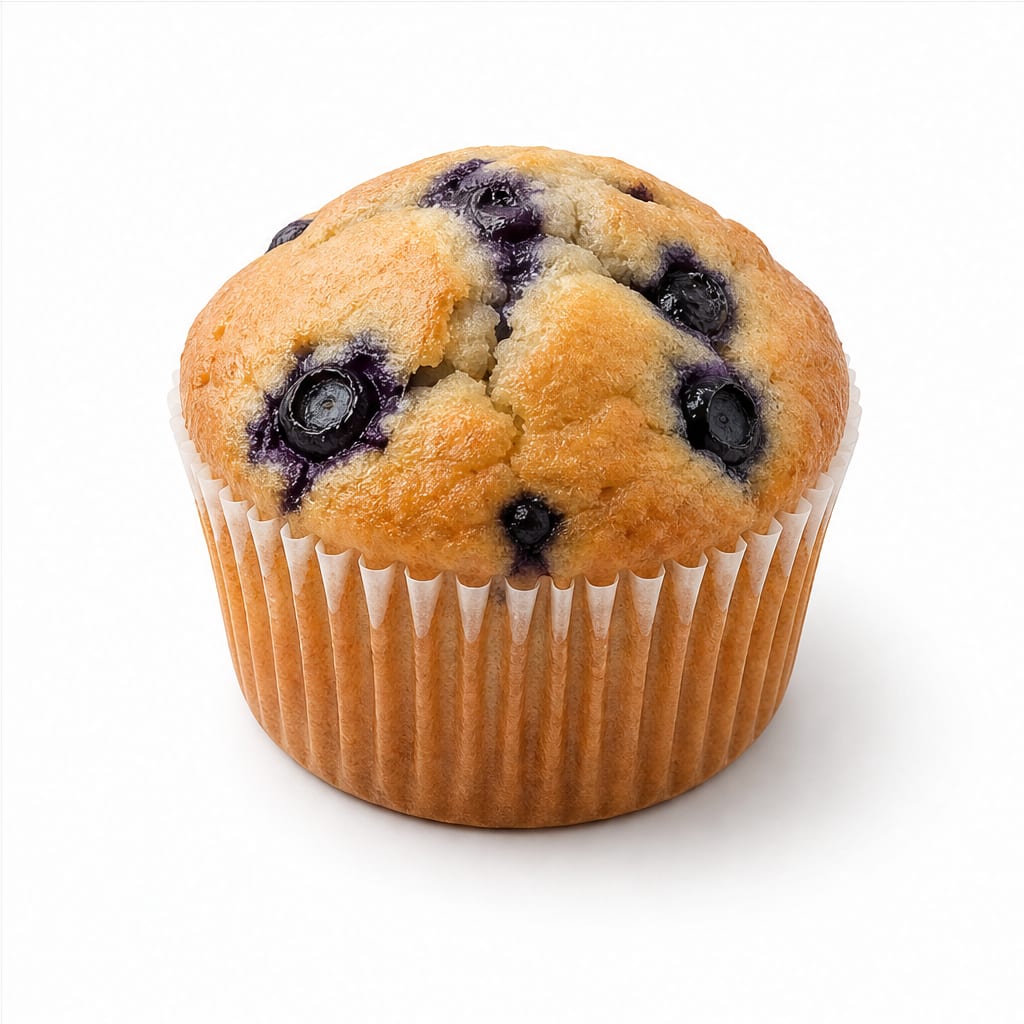
Blueberry Muffin
Croissants win on lower sugar and higher satiety; blueberry muffins win on less saturated fat and slightly more micronutrients. Neither is a health food.
Croissant edges ahead slightly due to better satiety and lower sugar, but both score poorly overall as nutrient-dense choices. The small gap reflects a fat-versus-sugar tradeoff rather than a clear win.
Fat-heavy versus sugar-heavy: the croissant keeps you fuller longer but loads saturated fat, while the muffin spikes blood sugar faster but feels lighter in the moment.
At a glance
Executive summary
Overall
It depends
Healthier
It depends
More practical
Blueberry Muffin
Daily use
It depends
Key comparison lenses
breakfast pastry choice for energy and satiety
Both are classic morning bakery items people choose between daily
sugar vs fat tradeoff in baked goods
Croissants lean fat-heavy while muffins lean sugar-heavy, creating a meaningful metabolic tradeoff
blood sugar impact and afternoon crash risk
Sugar content difference directly affects energy stability after eating
ultra-processing and additive exposure
Commercial versions of both can carry very different additive loads
weight management and calorie density
Both are calorie-dense but satisfy hunger differently
Best choice for
Croissant
- People who need lasting fullness until lunch
- Those avoiding high sugar spikes
- Anyone who eats small portions and stops at one
- Low-sugar diet followers
Blueberry Muffin
- People who prefer a lighter-tasting morning option
- Those watching saturated fat closely
- Anyone seeking slight antioxidant benefit from real blueberries
- Kids who find croissants too rich or buttery
Least suitable for
Croissant
- People with heart conditions requiring low saturated fat
- Anyone strictly counting calories who struggles with portion control
- Dairy-free or vegan eaters
Blueberry Muffin
- People managing diabetes or insulin resistance
- Anyone prone to sugar crashes and afternoon energy dips
- Those trying to reduce added sugar intake
Deep comparison
Dimension by dimension
Each lens scores both foods and breaks down who each option suits.
- Dimension 1 · Priority 95Croissant
sugar and blood sugar impact
Croissant · 55Blueberry Muffin · 25Croissants contain significantly less sugar than blueberry muffins, leading to a smaller blood sugar spike and steadier energy afterward.
Tradeoff
The croissant's lower sugar comes with higher saturated fat, which has its own cardiovascular tradeoff.
Why it matters
A sugary muffin at 8am often means an energy crash by 10am, while a croissant keeps energy more stable despite being equally caloric.
Real-world impact
If you've ever felt starving two hours after a muffin but fine after a croissant, this is why. Fat slows digestion; sugar accelerates the spike-and-crash cycle.
Croissant
- Steady morning energy without the mid-morning crash
- People monitoring fasting blood sugar
Better for
- Not a concern for sugar specifically
Worse for
Blueberry Muffin
- Quick energy before intense physical activity
Better for
- Diabetics and pre-diabetics
- Anyone prone to energy crashes
- People trying to reduce sugar cravings
Worse for
- Dimension 2 · Priority 90Croissant
satiety and fullness
Croissant · 60Blueberry Muffin · 35Croissants keep you fuller longer due to their higher fat content, which slows gastric emptying and delays hunger signals.
Tradeoff
That fullness comes from butter-heavy calories, not from nutritious volume. You feel full but haven't fed your body much.
Why it matters
Satiety from fat is real but deceptive. A croissant can delay lunch by an hour, but you still haven't eaten protein or fiber.
Real-world impact
A croissant at breakfast may carry you to noon. A muffin often leaves you reaching for a snack by 10:30.
Croissant
- Busy mornings when you can't snack before lunch
- People who skip lunch and need morning calories to last
Better for
- People who find high-fat foods nauseating in the morning
Worse for
Blueberry Muffin
- Light eaters who feel uncomfortable after heavy, greasy foods
Better for
- Anyone prone to overeating after blood sugar drops
Worse for
- Dimension 3 · Priority 85Blueberry Muffin
saturated fat and heart health
Croissant · 20Blueberry Muffin · 45Croissants pack substantially more saturated fat from butter, while muffins rely more on vegetable oils and sugar for their structure.
Tradeoff
Less saturated fat in the muffin comes with more sugar and often more inflammatory refined oils, so the heart-health win is marginal.
Why it matters
One croissant can deliver 40-50% of your daily saturated fat limit. A muffin spreads its damage across sugar and refined carbs instead.
Real-world impact
If your doctor told you to watch cholesterol, the croissant is the worse offender. But the muffin isn't doing your heart any favors either.
Croissant
- Not applicable for this dimension
Better for
- Anyone with cardiovascular risk factors
- People on statins or cholesterol-lowering diets
Worse for
Blueberry Muffin
- People with elevated LDL cholesterol
- Those following a Mediterranean-style fat profile
Better for
- Not a primary concern for saturated fat specifically
Worse for
- Dimension 4 · Priority 60Blueberry Muffin
micronutrient density
Croissant · 15Blueberry Muffin · 30Blueberry muffins edge ahead slightly if they contain real blueberries, which contribute small amounts of vitamin C, manganese, and antioxidants.
Tradeoff
The antioxidant benefit is modest and easily negated by the sugar load. A handful of actual blueberries would accomplish far more.
Why it matters
Real blueberries are genuinely nutritious. The few that survive the baking process in a muffin offer a trace benefit, but not enough to call this food healthy.
Real-world impact
Don't convince yourself a blueberry muffin counts as fruit. You'd need to eat several muffins to match a single serving of fresh blueberries, and the sugar cost would be enormous.
Croissant
- Not applicable for this dimension
Better for
- Essentially no micronutrient contribution
Worse for
Blueberry Muffin
- Marginal antioxidant intake if real berries are used
- Trace amounts of vitamin K and manganese
Better for
- Heat destroys much of the vitamin C during baking
Worse for
- Dimension 5 · Priority 70Croissant
additives and processing quality
Croissant · 45Blueberry Muffin · 30A traditionally made croissant uses just butter, flour, yeast, salt, and sugar. Commercial muffins often include preservatives, emulsifiers, and artificial flavors.
Tradeoff
Artisan muffins can be equally clean, and grocery-store croissants can be loaded with margarine and dough conditioners. Source matters enormously.
Why it matters
A bakery croissant from a real patisserie is a five-ingredient food. A packaged muffin from a gas station can have twenty ingredients including preservatives you can't pronounce.
Real-world impact
If you're eating from a bakery, the croissant is usually the cleaner ingredient list. If you're eating from a package, both are problematic.
Croissant
- Traditional recipes with minimal, recognizable ingredients
- Eaters who prioritize simple ingredient lists
Better for
- Commercial croissants made with margarine instead of butter
Worse for
Blueberry Muffin
- Homemade versions where you control every ingredient
Better for
- Packaged muffins with preservatives, artificial flavors, and emulsifiers
Worse for
- Dimension 6 · Priority 75Croissant
portion control and calorie awareness
Croissant · 50Blueberry Muffin · 35Croissants are typically smaller and more calorie-transparent. Muffins have ballooned to enormous portions in most coffee shops, often delivering 400-600 calories.
Tradeoff
A standard croissant is easier to portion mentally. But bakery muffins are often 2-3 servings disguised as one, making accidental overeating likely.
Why it matters
That Costco or coffee shop muffin might look like one serving but contain the calories of a full meal. Croissants are more honest about their indulgence.
Real-world impact
Grabbing what looks like a quick muffin can quietly deliver 500+ calories. A croissant is more likely to be 200-300 calories, making it easier to budget.
Croissant
- Calorie counters who want predictable portions
- People who eat mindfully and stop at one item
Better for
- People who eat two or three because they seem small
Worse for
Blueberry Muffin
- Not applicable for this dimension
Better for
- Anyone who underestimates calories in large bakery muffins
- People trying to lose weight who grab one casually
Worse for
Timeline
Health impact over time
Short-term
Hours to days
Croissant
- Rich, heavy feeling in the stomach shortly after eating
- Steadier blood sugar compared to a muffin due to fat slowing glucose absorption
- Possible sluggishness from high saturated fat load on an empty stomach
Blueberry Muffin
- Quick energy spike from refined flour and sugar
- Likely blood sugar crash within 1.5-2.5 hours, causing hunger and irritability
- Lighter initial feeling that doesn't translate to lasting fullness
Long-term
Months to years
Croissant
- Regular consumption increases saturated fat intake, potentially raising LDL cholesterol
- Lower sugar exposure reduces risk of insulin resistance compared to muffin habit
- Possible weight gain if eaten daily without adjusting other meals
Blueberry Muffin
- Frequent high-sugar breakfasts contribute to insulin resistance and metabolic syndrome risk
- Chronic blood sugar spikes may increase cravings and overeating patterns
- Marginally better fat profile but still inflammatory from refined ingredients
Risk profile
Safety & processing
A traditional croissant is a processed food made from simple, recognizable ingredients. Commercial blueberry muffins more often qualify as ultra-processed, with added emulsifiers, preservatives, and artificial flavors. Homemade versions of either flip this dynamic, but in typical retail settings, the croissant has the cleaner label.
Croissant
trans fat from commercial margarine
mediumSome grocery-store croissants use margarine instead of butter, which may contain trace trans fats harmful to cardiovascular health.
butter spoilage at room temperature
lowReal butter croissants left out too long can develop rancid flavors, though foodborne illness risk is low.
Blueberry Muffin
mold on fruit-containing baked goods
mediumReal blueberries in muffins introduce moisture that can accelerate mold growth compared to drier pastries.
artificial preservative exposure
mediumPackaged muffins often contain calcium propionate and other preservatives to extend shelf life, which may affect gut health with regular consumption.
Who wins for whom
Audience fit
Same foods, different winners depending on your goal.
children
Blueberry MuffinKids often prefer the sweeter, lighter taste of a muffin, and the lower saturated fat is beneficial for developing cardiovascular systems.
daily consumption
It dependsNeither should be a daily staple. If forced to choose, the croissant's lower sugar makes it slightly less harmful as a regular habit, but both are occasional treats at best.
diabetes
CroissantLower sugar content and higher fat create a flatter blood sugar curve, though both should be rare treats for diabetics.
elderly
CroissantOlder adults benefit more from steadier blood sugar and the satiety helps prevent between-meal snacking that can disrupt appetite.
muscle gain
It dependsNeither provides meaningful protein. Post-workout, you'd need to pair either with a protein source to make it useful.
weight loss
CroissantBetter satiety per calorie and more predictable portions help with adherence, though neither is ideal for weight loss.
Your move
Decision guide
Choose Croissant
- You want lasting energy without a mid-morning crash
- You're watching sugar intake more than fat intake
- You eat from traditional bakeries with clean ingredient lists
- You prefer smaller, richer portions that feel indulgent quickly
Choose Blueberry Muffin
- You find croissants too heavy or greasy in the morning
- You're monitoring saturated fat for heart health reasons
- You want something that feels lighter even if it's equally caloric
- You're eating before exercise and want quick-access energy
Either works if
- It's a rare treat and the nutritional differences won't matter much
- You're pairing it with a protein source like Greek yogurt to balance the meal
- You're at a quality bakery where both are made from scratch
Avoid both if
- You're managing diabetes or insulin resistance strictly
- You're trying to lose weight and struggle with trigger foods
- You need sustained focus and energy for demanding morning work
- You eat breakfast daily and want something you can feel good about every day
Final recommendation
If you're choosing between these two as an occasional treat, pick based on what your body tolerates better: the croissant if sugar crashes are your enemy, the muffin if saturated fat is your bigger concern. For any regular breakfast habit, neither earns a daily spot. Pair either with protein and fiber if you must indulge, and always prefer a bakery over a package.
Practical
Consumer tips
- 1
A bakery croissant made with real butter is almost always a better choice than a packaged muffin with a long ingredient list
- 2
If you love muffins, make them at home with half the sugar and real blueberries for a dramatically better nutritional profile
- 3
Split either one with a friend and add a hard-boiled egg for a more balanced breakfast that still feels indulgent
- 4
Check coffee shop muffin sizes: many are 2-3 servings disguised as one, easily exceeding 500 calories
- 5
Freeze croissants and reheat them individually to avoid the temptation of eating multiple at once
- 6
If a muffin has blueberries visible throughout rather than just on top, it likely contains more real fruit and fewer artificial flavors