
Nutrition comparison
Croissant vs Donut: Which Is Healthier for Breakfast?
Compare Croissant vs Donut to see which breakfast pastry is better for blood sugar, weight loss, and daily energy. Discover the nutritional tradeoffs.
Overall winner · Croissant

Croissant
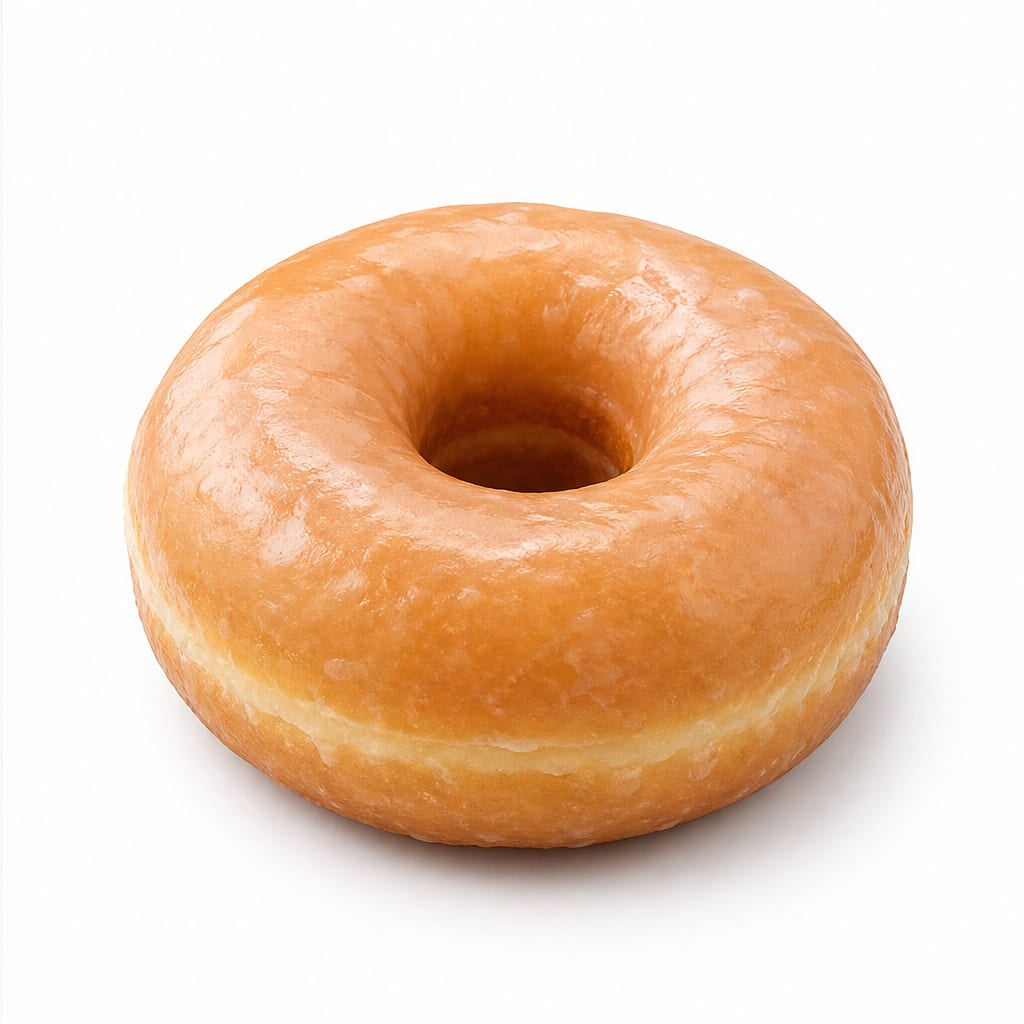
Donut
Croissants offer a lower-sugar, higher-fat indulgence, while donuts deliver a rapid sugar rush with less saturated fat.
Croissants score slightly higher due to lower sugar content and better satiety, though both remain indulgent treats rather than health foods.
You trade the saturated fat of a Croissant for the high sugar and blood sugar crash of a Donut.
At a glance
Executive summary
Overall
Croissant
Healthier
Croissant
More practical
It depends
Daily use
Croissant
Key comparison lenses
Choosing a breakfast pastry with the least metabolic damage
Both are traditional morning indulgences, so users want to know which causes less harm to their daily energy and waistline.
Managing sugar crashes versus saturated fat intake
The core tradeoff is the rapid sugar spike from a Donut versus the heavy saturated fat load from a butter Croissant.
Finding the more satisfying treat to prevent overeating
Pastries can trigger cravings; understanding which one keeps you fuller longer helps control overall daily intake.
Best choice for
Croissant
- Avoiding sugar crashes
- Pairing with savory breakfast items like eggs
- Sustained energy for a long morning
Donut
- Quick energy before intense activity
- Satisfying an intense sweet tooth
- Sharing at social events and offices
Least suitable for
Croissant
- Managing heart disease or high cholesterol
- Strict low-fat diets
Donut
- Managing diabetes or insulin resistance
- Controlling daily sugar cravings
Deep comparison
Dimension by dimension
Each lens scores both foods and breaks down who each option suits.
- Dimension 1 · Priority 95Croissant
Blood Sugar Stability
Croissant · 60Donut · 25Croissants cause a slower, steadier rise in blood sugar compared to the rapid spike from a Donut.
Tradeoff
Choosing the Croissant means avoiding the sugar crash, but taking in more saturated fat.
Why it matters
A sugar crash leaves you tired and hungry an hour later, making the Croissant a more stable morning choice.
Real-world impact
You will likely feel more energized until lunch after a Croissant than after a Donut.
Croissant
- Steady morning energy
- Avoiding afternoon fatigue
Better for
- Those seeking a low-fat option
Worse for
Donut
- Quick pre-workout fuel
Better for
- People prone to sugar crashes
Worse for
- Dimension 2 · Priority 85Croissant
Satiety and Fullness
Croissant · 55Donut · 30The high butter content in a Croissant slows digestion, keeping you full longer than the refined sugars in a Donut.
Tradeoff
Feeling full longer comes at the cost of consuming more saturated fat and calories from fat.
Why it matters
A breakfast that keeps you full prevents mid-morning snacking and overeating.
Real-world impact
A Croissant at 8 AM might hold you over until noon, while a Donut might leave you starving by 10 AM.
Croissant
- Delaying lunch
- Heavy morning workloads
Better for
- Those who find high-fat foods heavy on the stomach
Worse for
Donut
- Light eaters who only want a few bites
Better for
- Anyone needing sustained focus without hunger pangs
Worse for
- Dimension 3 · Priority 80It depends
Heart Health and Fat Profile
Croissant · 35Donut · 40Donuts generally contain less saturated fat than butter-heavy Croissants, but they carry risks from industrial frying oils and potential trans fats.
Tradeoff
You avoid the saturated fat of butter in a Donut, but you risk consuming inflammatory refined seed oils or trans fats.
Why it matters
Saturated and trans fats both impact cardiovascular health, but in different ways.
Real-world impact
Eating Croissants daily could raise cholesterol, while daily Donuts could promote inflammation.
Croissant
- Avoiding industrial seed oils
- Those who tolerate dairy fat well
Better for
- People managing high LDL cholesterol
Worse for
Donut
- Strict low-saturated-fat diets
Better for
- Those avoiding fried foods or trans fats
Worse for
- Dimension 4 · Priority 90Croissant
Sugar and Cravings
Croissant · 65Donut · 20Donuts are significantly higher in sugar, making them more likely to trigger cravings and overeating.
Tradeoff
The Donut gives an immediate mood boost but creates a cycle of craving more sweets.
Why it matters
Sugar triggers dopamine release, making it hard to stop at just one Donut.
Real-world impact
You are far more likely to reach for a second Donut than a second Croissant.
Croissant
- Breaking sugar addiction
- Maintaining control over portions
Better for
- Those wanting a sweet dessert experience
Worse for
Donut
- Immediate mood elevation
- Celebratory occasions
Better for
- Anyone struggling with sugar cravings
Worse for
Timeline
Health impact over time
Short-term
Hours to days
Croissant
- Heaviness in the stomach
- Sustained energy without a crash
Donut
- Rapid energy spike
- Sugar crash within 1-2 hours
Long-term
Months to years
Croissant
- Potential increase in LDL cholesterol from butter
- Weight gain if eaten frequently due to high calorie density
Donut
- Increased risk of insulin resistance
- Higher triglyceride levels from refined sugar
Risk profile
Safety & processing
Croissants are typically made with simple ingredients like flour, butter, and yeast. Donuts often contain dough conditioners, artificial flavors, preservatives, and commercial frying oils.
Croissant
Acrylamide from baking
lowBaked goods can form acrylamide, though at lower levels than fried foods.
Donut
Acrylamide and oxidized oils from frying
mediumDeep frying at high temperatures creates acrylamide and oxidized lipids, which are inflammatory.
Trans fat contamination
mediumSome commercial donuts still use partially hydrogenated oils or fry in oils that degrade into trans fats.
Who wins for whom
Audience fit
Same foods, different winners depending on your goal.
children
CroissantLower sugar content helps avoid hyperactivity and energy crashes in children, though portion size should still be small.
daily consumption
It dependsNeither should be eaten daily, but if forced, a Croissant avoids the daily sugar spike and craving cycle.
diabetes
CroissantCroissants have significantly less sugar, resulting in a more manageable glycemic response.
elderly
CroissantOlder adults benefit from avoiding severe blood sugar spikes, making the Croissant a safer occasional choice.
muscle gain
It dependsNeither provides meaningful protein; both are poor choices for muscle building.
weight loss
CroissantCroissants provide more satiety per calorie, making it easier to avoid overeating later in the day.
Your move
Decision guide
Choose Croissant
- You want a savory-leaning breakfast
- You need steady energy for a long morning
- You are pairing it with coffee and eggs
Choose Donut
- You are celebrating or sharing at an office party
- You need quick carbs before a workout
- You are craving something intensely sweet
Either works if
- You are treating yourself on vacation
- You only eat pastries rarely and just want what sounds best
Avoid both if
- You have metabolic syndrome or prediabetes
- You are following a whole-food, plant-based diet
- You need a high-protein start to your day
Final recommendation
Choose a Croissant for a lower-sugar, steadier-energy morning treat, or a Donut for an occasional sweet indulgence. Neither is a health food, so let your daily sugar tolerance guide your choice.
Practical
Consumer tips
- 1
Pair a Croissant with a protein source like Greek yogurt or eggs to prevent the butter-fat from making you sluggish.
- 2
If choosing a Donut, opt for a cake donut over a glazed yeast donut to slightly reduce the sugar and fat content.
- 3
Eat pastries mindfully; the combination of fat and sugar in both can easily lead to overconsumption if you are distracted.