
Nutrition comparison
Croissant vs White Toast: Which is Healthier?
Compare Croissant vs White Toast for calories, fat, and daily health impact. Find out which breakfast staple is better for weight loss and energy.
Overall winner · White Toast
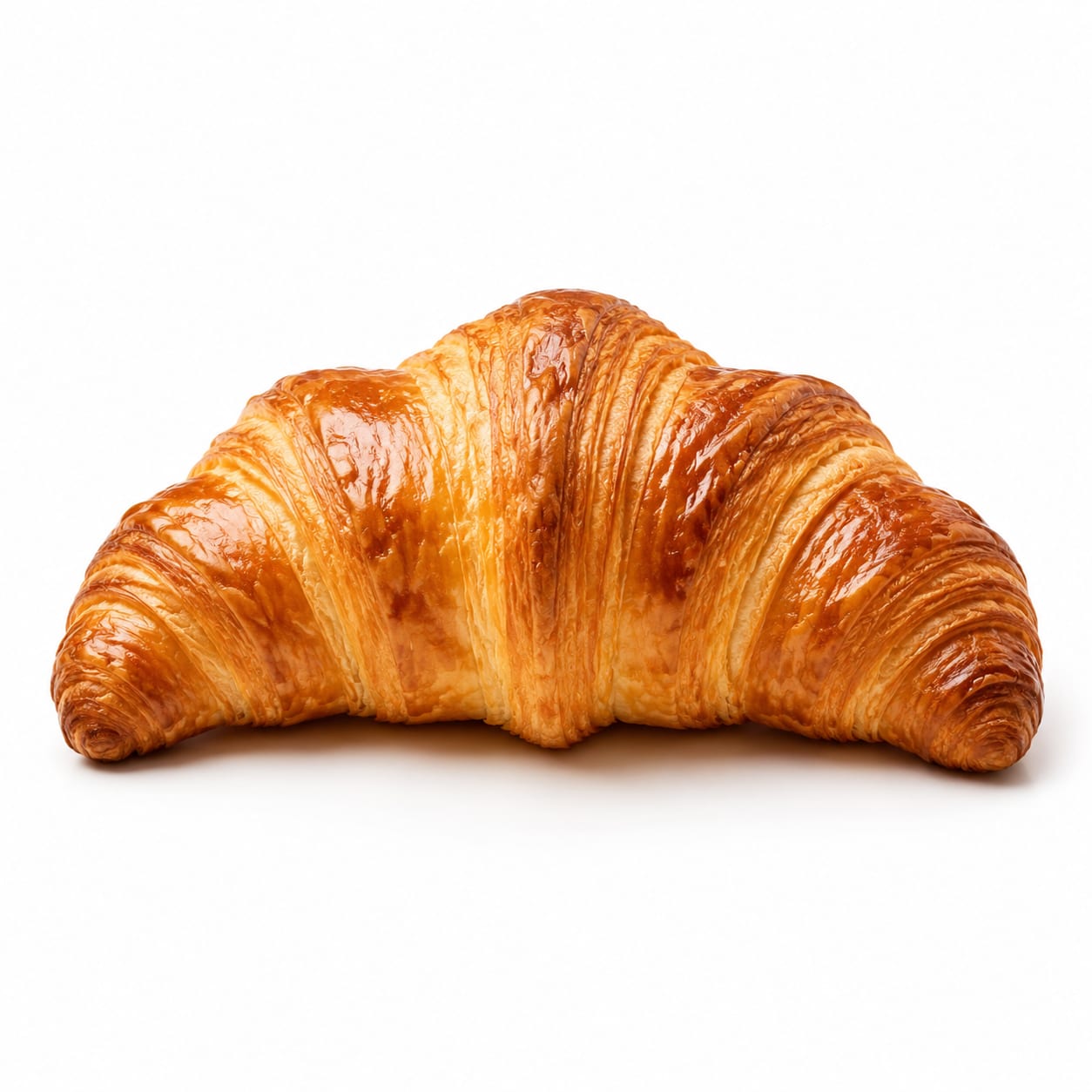
Croissant
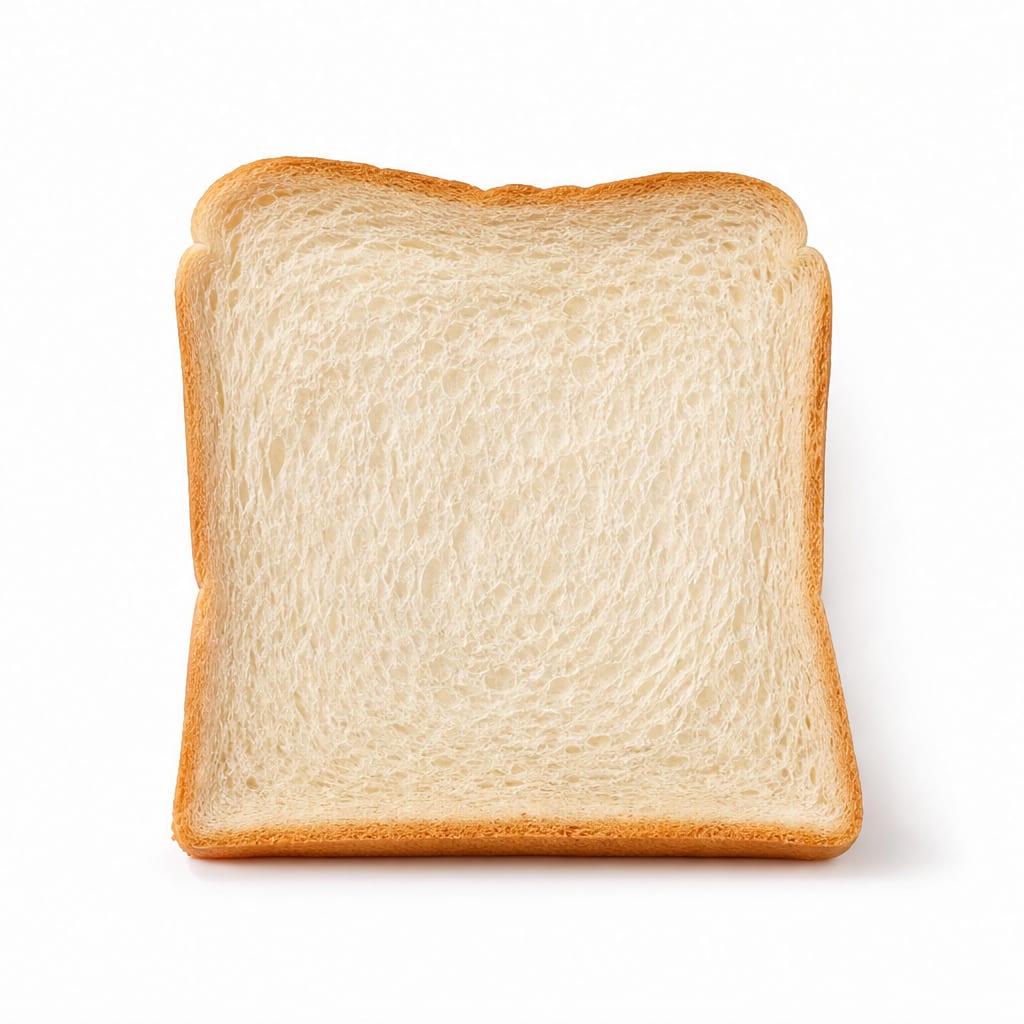
White Toast
White Toast is the lighter daily choice, while a Croissant is a richer, occasional indulgence.
White Toast scores moderately higher due to lower saturated fat and calorie density, making it a safer daily staple, though neither is a nutritional powerhouse.
Flaky buttery satisfaction versus a lower calorie and lower fat routine.
At a glance
Executive summary
Overall
White Toast
Healthier
White Toast
More practical
White Toast
Daily use
White Toast
Key comparison lenses
Daily breakfast staple selection
Both are common morning carbs, making the daily impact highly relevant
Calorie and fat tradeoffs
Croissants are notoriously butter-heavy while White Toast is lean but less satisfying
Blood sugar management
Both are refined carbohydrates that affect energy stability differently
Weight management compatibility
High calorie density versus low calorie density is a major decision factor
Best choice for
Croissant
- Weekend brunches
- Rich pastry cravings
- Special occasions
White Toast
- Quick weekday breakfasts
- Low-calorie meal bases
- Savory toppings like avocado or eggs
Least suitable for
Croissant
- Daily consumption
- Heart-healthy diets
- Calorie deficits
White Toast
- High-fat or low-carb diets
- Those needing sustained energy without toppings
- People avoiding refined grains
Deep comparison
Dimension by dimension
Each lens scores both foods and breaks down who each option suits.
- Dimension 1 · Priority 90White Toast
Calorie Density & Weight Management
Croissant · 30White Toast · 60Croissants pack significantly more calories per bite due to the butter layers, while White Toast offers a lighter base.
Tradeoff
You trade rich flavor and texture for a much higher calorie load with a Croissant.
Why it matters
Eating calorie-dense foods regularly makes it easy to overconsume without feeling full.
Real-world impact
A Croissant can eat up a third of your daily calorie budget before noon, leaving less room for nutrient-dense foods later.
Croissant
- Those needing to gain weight
- Endurance athletes needing dense fuel
Better for
- Anyone in a calorie deficit
- People who snack mindlessly
Worse for
White Toast
- Calorie counters
- Those who prefer larger portion sizes
Better for
- Those needing high-calorie fuel on the go
Worse for
- Dimension 2 · Priority 85It depends
Blood Sugar & Energy Stability
Croissant · 35White Toast · 35Both are made from refined flour and will spike blood sugar quickly, though the fat in a Croissant slightly delays the peak.
Tradeoff
The butter in Croissants slows sugar absorption slightly, but the crash still comes.
Why it matters
Rapid blood sugar spikes lead to mid-morning energy crashes and renewed hunger.
Real-world impact
Whether you eat a Croissant or White Toast plain, you will likely feel hungry again within two hours.
Croissant
- Situations where a slightly delayed sugar spike is preferred
Better for
- People with severe insulin resistance
Worse for
White Toast
- Pre-workout quick energy where fast absorption is wanted
Better for
- Anyone prone to energy crashes from refined carbs
Worse for
- Dimension 3 · Priority 80It depends
Satiety & Fullness
Croissant · 40White Toast · 40Croissants feel heavier initially due to fat, but White Toast can be more filling if topped with protein.
Tradeoff
Fat provides temporary fullness, but protein and fiber are what actually sustain it.
Why it matters
Choosing a base that supports protein toppings keeps you full longer.
Real-world impact
White Toast with eggs and avocado will keep you full far longer than a plain Croissant.
Croissant
- A quick feeling of heavy satisfaction
Better for
- Those who expect the heavy feeling to last all morning
Worse for
White Toast
- Building a balanced meal with protein toppings
Better for
- Eating it plain with just jam
Worse for
- Dimension 4 · Priority 75White Toast
Heart Health & Fat Profile
Croissant · 20White Toast · 55Croissants are loaded with saturated fat from butter, whereas White Toast is virtually fat-free.
Tradeoff
That melt-in-your-mouth texture comes directly from a heavy dose of saturated fat.
Why it matters
High saturated fat intake raises LDL cholesterol and increases heart disease risk over time.
Real-world impact
A daily Croissant habit can significantly impact cardiovascular health markers compared to plain toast.
Croissant
- Those unconcerned with dietary fat intake
Better for
- Anyone with a family history of heart disease
Worse for
White Toast
- People managing cholesterol levels
- Heart-healthy diets
Better for
- Diets requiring higher fat intake for satiety
Worse for
- Dimension 5 · Priority 70White Toast
Convenience & Versatility
Croissant · 40White Toast · 80White Toast is easy to keep on hand, lasts longer, and pairs with anything from jam to eggs.
Tradeoff
Croissants are best fresh and delicate, making them less practical for meal prep or heavy toppings.
Why it matters
A versatile base makes it easier to build balanced meals quickly.
Real-world impact
You can meal-prep toast with peanut butter for the week, but a pre-made Croissant sandwich gets soggy and stale.
Croissant
- Enjoying immediately at a cafe
Better for
- Packing in a lunchbox
- Topping with heavy wet ingredients
Worse for
White Toast
- Meal prepping
- Making hearty sandwiches
- Pantry stocking
Better for
- Impressing brunch guests
Worse for
Timeline
Health impact over time
Short-term
Hours to days
Croissant
- Quick energy burst followed by a crash
- Heavy, sluggish feeling if eaten in excess
White Toast
- Rapid blood sugar spike
- Quick hunger return if eaten alone
Long-term
Months to years
Croissant
- Increased risk of elevated cholesterol with frequent consumption
- Weight gain due to high calorie density
White Toast
- Potential nutrient deficiencies if replacing whole grains
- Increased metabolic risk from a high refined-carb diet
Risk profile
Safety & processing
Both are processed refined grain products. Store-bought versions of each often contain dough conditioners and preservatives, though artisan Croissants can be made with just flour, butter, and yeast.
Croissant
Trans fats from commercial margarine
mediumSome cheap bakery Croissants use margarine instead of butter, introducing unhealthy trans fats.
Rancid fats
lowThe high butter content can go rancid if stored at room temperature for too long.
White Toast
Acrylamide formation
mediumToasting bread to a dark brown creates acrylamide, a potential carcinogen.
Dough conditioners
lowCommercial loaves often use additives like azodicarbonamide, which can cause sensitivities.
Who wins for whom
Audience fit
Same foods, different winners depending on your goal.
children
White ToastWhite Toast is easier to digest and less calorie-dense, making it a better base for nutritious toppings.
daily consumption
White ToastLower in saturated fat and calories, White Toast is a safer daily staple than a butter-heavy Croissant.
diabetes
It dependsBoth spike blood sugar significantly; the fat in a Croissant might slightly blunt the spike, but both should be strictly limited.
elderly
White ToastWhite Toast is easier to chew and lower in saturated fat, supporting heart health in later years.
muscle gain
It dependsNeither is ideal, but White Toast is easier to pair with high-protein toppings like eggs or lean meats.
weight loss
White ToastWhite Toast has far fewer calories and zero saturated fat, making it easier to fit into a calorie deficit.
Your move
Decision guide
Choose Croissant
- You want a luxurious weekend treat
- You crave rich, buttery flavors
- You need a quick, dense calorie source before a long hike
Choose White Toast
- You want a quick, low-calorie breakfast base
- You prefer savory toppings like avocado or eggs
- You are watching your saturated fat intake
Either works if
- You need a quick refined-carb energy boost before intense exercise
- You are indifferent to rich versus plain textures
Avoid both if
- You have severe blood sugar issues
- You are following a low-carb or gluten-free diet
- You want sustained energy without a crash
Final recommendation
Save the Croissant for a joyful weekend morning and keep White Toast as your everyday base, but always pair the toast with protein and healthy fats to avoid the morning crash.
Practical
Consumer tips
- 1
Pair White Toast with eggs or nut butter to stabilize blood sugar and stay full longer.
- 2
If buying Croissants, check the ingredients for real butter instead of margarine or trans fats.
- 3
Toast bread to a light golden color rather than dark brown to minimize acrylamide formation.
- 4
Warm Croissants gently to avoid burning the butter and creating bitter flavors.