
Nutrition comparison
Croissant vs Pancake: Which Breakfast Is Actually Better for You?
Compare croissants and pancakes on nutrition, satiety, blood sugar, and health impact. Find out which morning indulgence fits your goals better.
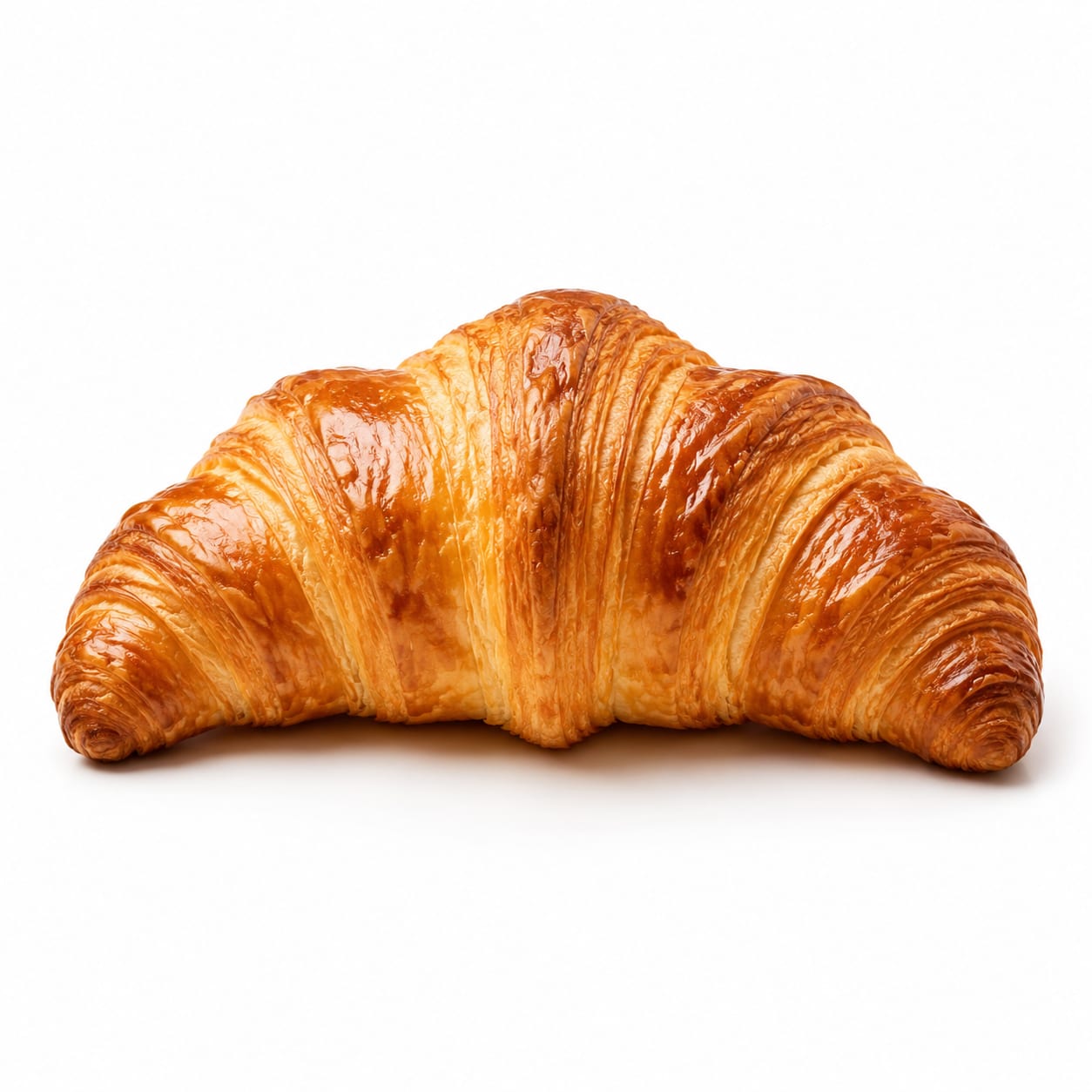
Croissant
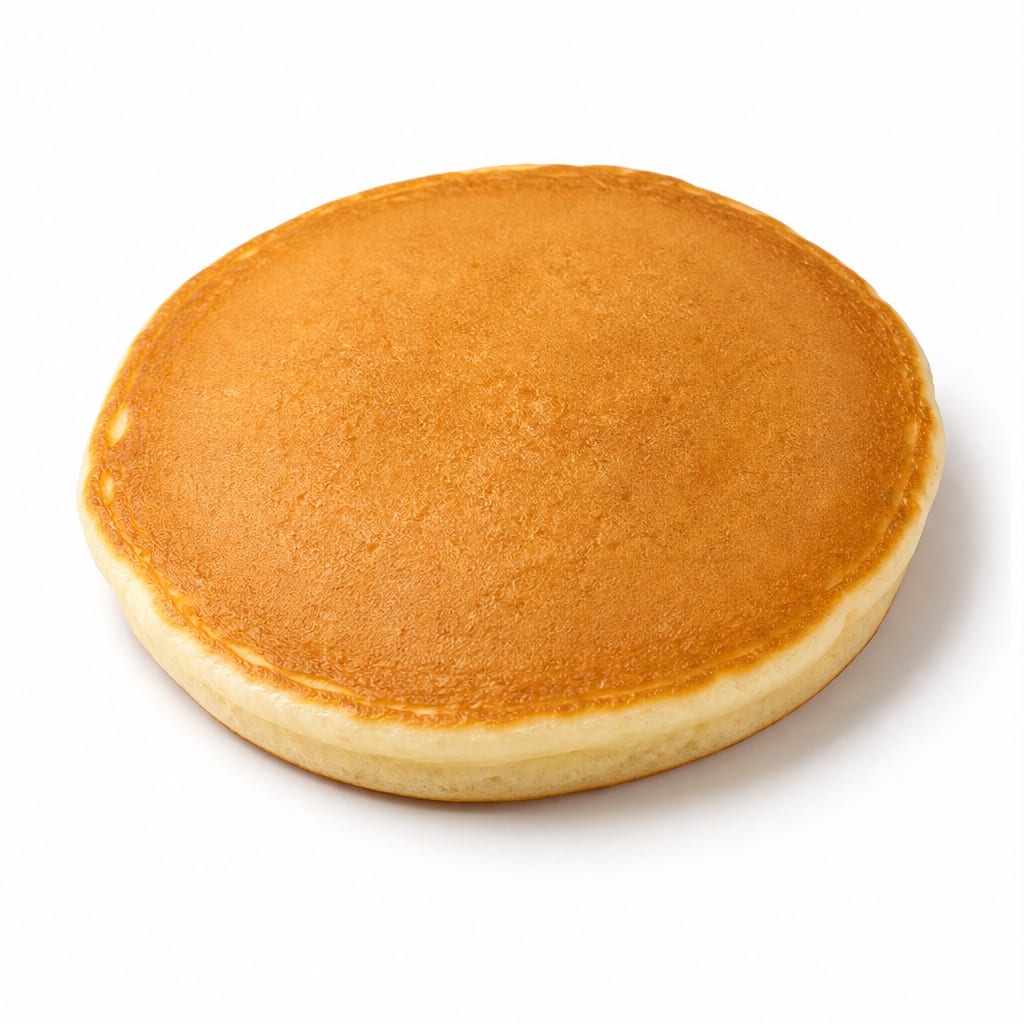
Pancake
Croissants win on fat-driven satisfaction and portability; pancakes win on customizability and lower saturated fat. Neither is a health food.
Pancakes edge ahead mainly due to easier modification potential and lower saturated fat, but both score low because neither offers meaningful nutrition without strategic upgrades.
Butter-heavy indulgence versus syrup-heavy indulgence — you're choosing which type of excess fits your morning better.
At a glance
Executive summary
Overall
It depends
Healthier
Pancake
More practical
Croissant
Daily use
Pancake
Key comparison lenses
breakfast carbohydrate tradeoff
Both are iconic breakfast carbs, so users are deciding which morning indulgence fits their goals better
fat vs sugar load
Croissants deliver heavy saturated fat while pancakes lean into refined carbs and added sugars through syrup
satiety and energy crash
Neither food keeps you full long, but the different macronutrient profiles create distinct energy trajectories
customizability and health upgrade potential
Pancakes can be made with whole grains or protein additions; croissants are harder to modify
convenience and accessibility
Croissants are grab-and-go from bakeries; pancakes require cooking but are easy to make at home
Best choice for
Croissant
- People who want a portable, no-prep breakfast on the go
- Those prioritizing rich flavor and satisfying mouthfeel over volume
- Anyone needing a quick calorie-dense fuel-up before physical activity
Pancake
- Families wanting a customizable weekend breakfast
- People who want to add protein, fruit, or whole grains to their morning carbs
- Those who prefer eating a larger volume of food for the same calories
Least suitable for
Croissant
- People managing heart disease or high cholesterol due to saturated fat content
- Anyone watching calorie density who struggles with portion control
- Those seeking high-volume, filling meals
Pancake
- People with blood sugar concerns, especially when topped with syrup
- Anyone avoiding refined carbohydrates
- Those needing a quick grab-and-go option with zero prep
Deep comparison
Dimension by dimension
Each lens scores both foods and breaks down who each option suits.
- Dimension 1 · Priority 92Pancake
satiety and fullness
Croissant · 25Pancake · 40Pancakes provide more volume per calorie, but both leave you hungry within two hours without protein additions.
Tradeoff
Croissants feel richer initially but vanish fast; pancakes let you eat more bites but the carb crash hits harder without toppings.
Why it matters
A breakfast that fails to fill you up leads to overeating later in the day.
Real-world impact
Either way, you're likely reaching for a snack by 10:30 AM unless you add eggs or yogurt on the side.
Croissant
- Quick fat-driven satisfaction when you only need a light bite
Better for
- Very low volume-to-calorie ratio — easy to overconsume without feeling full
Worse for
Pancake
- Larger portion experience for the same or fewer calories
- More surface area for protein-rich toppings like Greek yogurt
Better for
- Rapid digestion of refined carbs can trigger hunger rebounds
Worse for
- Dimension 2 · Priority 88It depends
blood sugar stability
Croissant · 35Pancake · 30Croissants have slightly less sugar intrinsically, but their refined flour still spikes blood sugar. Pancakes with syrup are significantly worse.
Tradeoff
A plain croissant causes a moderate glycemic rise; pancakes with typical syrup topping create a steep spike and crash cycle.
Why it matters
Morning blood sugar crashes affect focus, mood, and cravings for the rest of the day.
Real-world impact
That pancake syrup rush feels great for 30 minutes, then leaves you foggy and reaching for coffee or more carbs.
Croissant
- Slightly gentler blood sugar curve when eaten plain
- Fat content slows glucose absorption somewhat
Better for
- Refined white flour still digests quickly despite the fat
Worse for
Pancake
- Can be made with whole grain flour to dramatically improve glycemic response
- Easy to pair with protein-rich sides that stabilize blood sugar
Better for
- Standard syrup topping creates one of the worst glycemic spikes at breakfast
Worse for
- Dimension 3 · Priority 85Pancake
heart health and fat quality
Croissant · 20Pancake · 45Croissants are loaded with butter-based saturated fat. Pancakes cooked with minimal oil are significantly lighter on the heart.
Tradeoff
The buttery layers that make croissants irresistible are exactly what makes them tough on cardiovascular health.
Why it matters
Regular saturated fat intake at breakfast compounds over years into real cardiovascular risk.
Real-world impact
A daily croissant habit can contribute meaningfully to elevated LDL cholesterol over time.
Croissant
- Some satiety benefit from fat slowing digestion
Better for
- A single croissant can contain 6-12g of saturated fat, nearly half the daily limit
- Butter-heavy lamination is not modifiable
Worse for
Pancake
- Much lower saturated fat when cooked on a nonstick surface
- Fat content is controllable based on how you cook them
Better for
- Restaurant pancakes can be cooked in heavy oil, narrowing the gap
Worse for
- Dimension 4 · Priority 82Pancake
customizability and health upgrade potential
Croissant · 15Pancake · 65Pancakes are a blank canvas for nutritional upgrades. Croissants are essentially locked into their recipe.
Tradeoff
You can make pancakes work for you; croissants are what they are.
Why it matters
The ability to improve a food's nutritional profile determines whether it can stay in a healthy diet long-term.
Real-world impact
Swapping half the flour for oats and adding a scoop of protein powder transforms pancakes into a genuinely decent breakfast. No such option exists for croissants.
Croissant
- Consistent quality — you always know what you're getting
Better for
- No meaningful way to reduce saturated fat or add fiber
- Always a bakery product — you rarely control the ingredients
Worse for
Pancake
- Whole grain flour swaps add fiber and nutrients
- Protein powder or cottage cheese blends easily into batter
- Fruit toppings add real nutritional value
- Can reduce sugar and still taste good with spices like cinnamon
Better for
- Requires effort and knowledge to upgrade; default version is still poor nutritionally
Worse for
- Dimension 5 · Priority 78Pancake
calorie density and portion control
Croissant · 25Pancake · 42Croissants pack more calories per bite than most people realize. Pancakes at least give you visual volume cues.
Tradeoff
A croissant feels small but delivers 230-300 calories of mostly fat and refined carbs. Two medium pancakes look like more food for similar calories.
Why it matters
Calorie density drives unconscious overconsumption more than any other single factor.
Real-world impact
You can easily eat two croissants without feeling full, consuming 500+ calories of breakfast with almost no nutritional return.
Croissant
- Compact calorie source for athletes needing energy density
Better for
- Extremely easy to overeat due to small size and high palatability
- Calorie count surprises most people
Worse for
Pancake
- More visual volume helps psychological satisfaction
- Easier to stop at a reasonable portion because you see what you're eating
Better for
- Stack of multiple pancakes with syrup can easily exceed croissant calories
Worse for
- Dimension 6 · Priority 72Croissant
convenience and real-world practicality
Croissant · 80Pancake · 45Croissants are the ultimate grab-and-go breakfast. Pancakes require cooking, flipping, and topping.
Tradeoff
Convenience favors the bakery option, but that convenience comes with zero control over ingredients.
Why it matters
The breakfast people actually eat is the one that fits their morning routine, not the one that's theoretically optimal.
Real-world impact
On a rushed weekday, the croissant from the coffee shop wins by default. On a weekend morning, pancakes become the better choice because you have time to make them well.
Croissant
- Zero prep — available at every coffee shop and bakery
- Portable and neat to eat while commuting
- No dishes to wash
Better for
- Convenience leads to habitual consumption without thinking about nutrition
Worse for
Pancake
- Frozen pancake options close the convenience gap somewhat
- Cooking at home means you control every ingredient
Better for
- Morning cooking is unrealistic for most people on weekdays
- Cleanup adds time to an already rushed morning
Worse for
Timeline
Health impact over time
Short-term
Hours to days
Croissant
- Quick energy from refined flour and fat, but likely hunger within 1-2 hours
- Heavy feeling from saturated fat without lasting fullness
- Moderate blood sugar rise followed by a dip
Pancake
- Rapid blood sugar spike especially with syrup, leading to energy crash within 90 minutes
- More immediate feeling of fullness from volume, but it fades quickly
- Sugar rush can cause brief alertness followed by fogginess
Long-term
Months to years
Croissant
- Regular saturated fat intake raises LDL cholesterol and cardiovascular risk
- Calorie density without satiety promotes gradual weight gain
- Refined flour contributes to chronic low-grade inflammation
Pancake
- Frequent high-glycemic breakfasts increase insulin resistance risk over time
- Syrup habit adds significant daily sugar, affecting metabolic health
- Better upgrade potential means long-term impact depends heavily on how you prepare them
Risk profile
Safety & processing
Both rely on refined white flour as a base. Croissants involve more complex processing through lamination and often contain preservatives for shelf life. Homemade pancakes from scratch are simpler and more transparent ingredient-wise. Store-bought pancake mixes can introduce additives, but from-scratch batter keeps processing minimal.
Croissant
trans fat from commercial margarine
mediumSome bakery croissants use margarine instead of butter for cost, which may contain trans fats. Artisan bakeries using real butter avoid this.
preservatives in packaged versions
lowSupermarket croissants often contain dough conditioners and preservatives that fresh bakery versions do not.
Pancake
raw batter contamination
lowRaw eggs and flour in pancake batter pose minor salmonella and E. coli risks if tasted raw, but cooking eliminates this.
syrup additives
lowCommercial pancake syrups are often high-fructose corn syrup with artificial flavors. Real maple syrup avoids this entirely.
Who wins for whom
Audience fit
Same foods, different winners depending on your goal.
children
PancakePancakes are more fun, customizable with fruit faces, and can be made healthier. Kids also enjoy the ritual of making them together on weekends.
daily consumption
PancakeNeither should be daily, but pancakes made with whole grains and minimal syrup are easier to justify as a regular breakfast than daily butter-laminated pastries.
diabetes
It dependsNeither is great, but a plain croissant causes a slightly lower glycemic spike than pancakes with syrup. However, whole grain pancakes without syrup would be better than either standard option.
elderly
PancakePancakes are softer and easier to chew for dental concerns, and the lower saturated fat content is more appropriate for cardiovascular health in older adults.
muscle gain
PancakePancakes are easier to pair with protein-rich sides or protein powder in the batter. Croissants offer little protein and are harder to augment.
weight loss
PancakePancakes offer more volume per calorie and can be modified with protein and fiber to actually support satiety. Croissants are too calorie-dense and unsatisfying for portion control.
Your move
Decision guide
Choose Croissant
- You're at a bakery and want the most satisfying single pastry
- You need a portable breakfast with zero prep or cleanup
- You're doing endurance activity and want calorie-dense fuel beforehand
- You eat breakfast rarely and want it to feel like a treat
Choose Pancake
- You have time to cook and want to control what goes in your breakfast
- You're feeding a family and want something customizable and fun
- You're willing to use whole grain flour and skip the syrup for a healthier version
- You prefer eating a larger volume of food to feel satisfied
Either works if
- It's a weekend treat and you're eating balanced meals the rest of the day
- You're pairing it with a solid protein source like eggs or yogurt
- Neither is a regular habit — just an occasional indulgence
Avoid both if
- You're managing diabetes or insulin resistance and don't have protein to pair with
- You're trying to lose weight and struggle with carb cravings
- You already had a carb-heavy meal earlier in the day
Final recommendation
If you're choosing between these two as an occasional treat, pick based on what you'll enjoy more in the moment. If you're choosing for regular breakfast, pancakes win because you can actually make them better — whole grains, protein additions, and fruit toppings turn them into something reasonable. Croissants will always be what they are: delicious but nutritionally empty. The smartest move is pairing either one with protein and accepting that neither should stand alone as a complete breakfast.
Practical
Consumer tips
- 1
Pair either choice with eggs or Greek yogurt to add protein and slow the blood sugar spike
- 2
If making pancakes, swap half the flour for oats and add cinnamon — you'll barely notice the difference but your body will
- 3
Ask bakeries if they use real butter — it's actually better than the margarine alternative some use for lamination
- 4
Use real maple syrup sparingly on pancakes instead of drowning them in commercial syrup — you'll use less and taste more
- 5
If you love croissants, make them a once-a-week ritual rather than a daily habit — your heart will thank you
- 6
Freeze extra pancakes from weekend cooking for quick weekday reheating — it closes the convenience gap with croissants