
Nutrition comparison
Croissant vs Brioche: Nutrition, Calories, and Which is Healthier
Compare croissant vs brioche to see which buttery treat fits your goals. Learn the differences in calories, fat, protein, and best culinary uses.
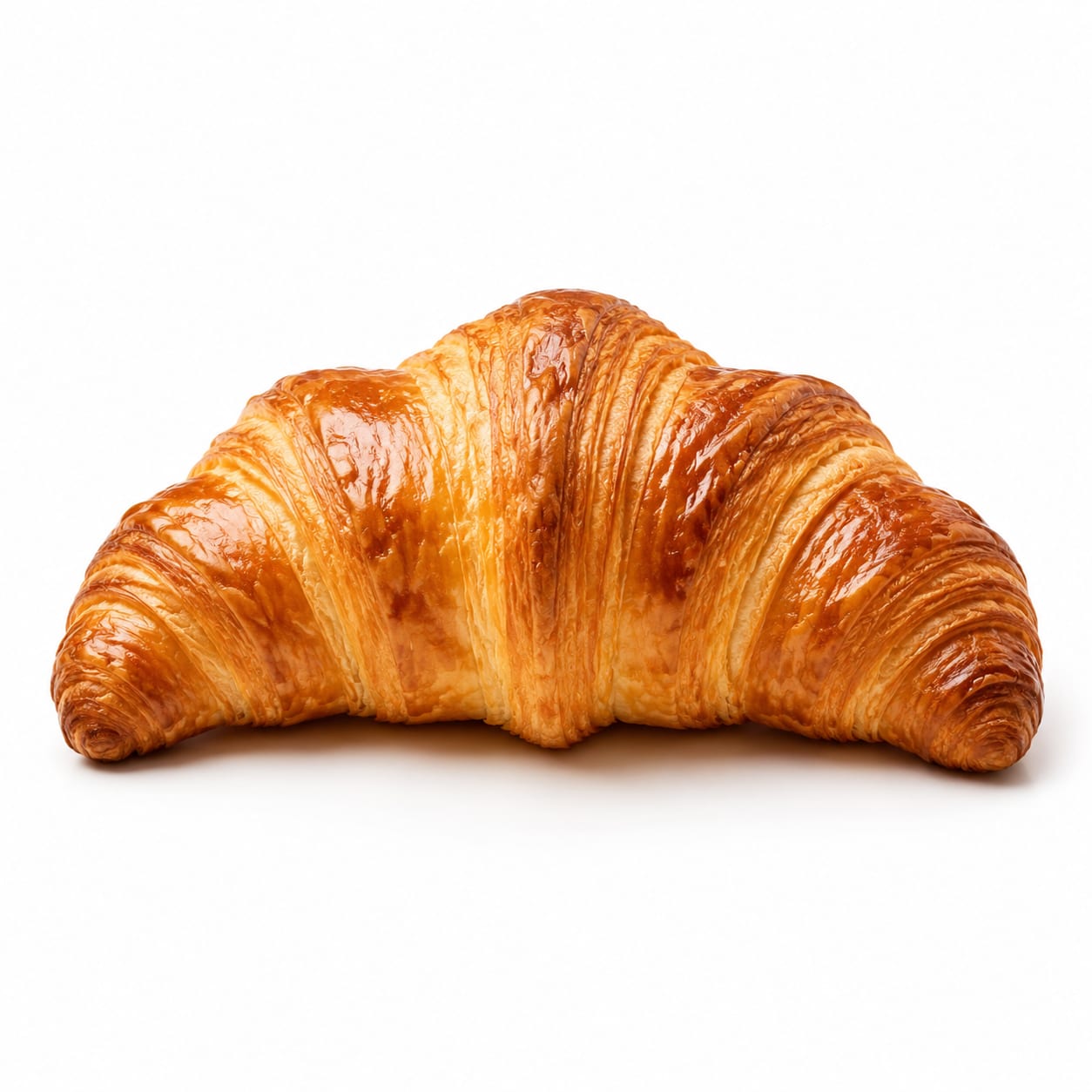
Croissant
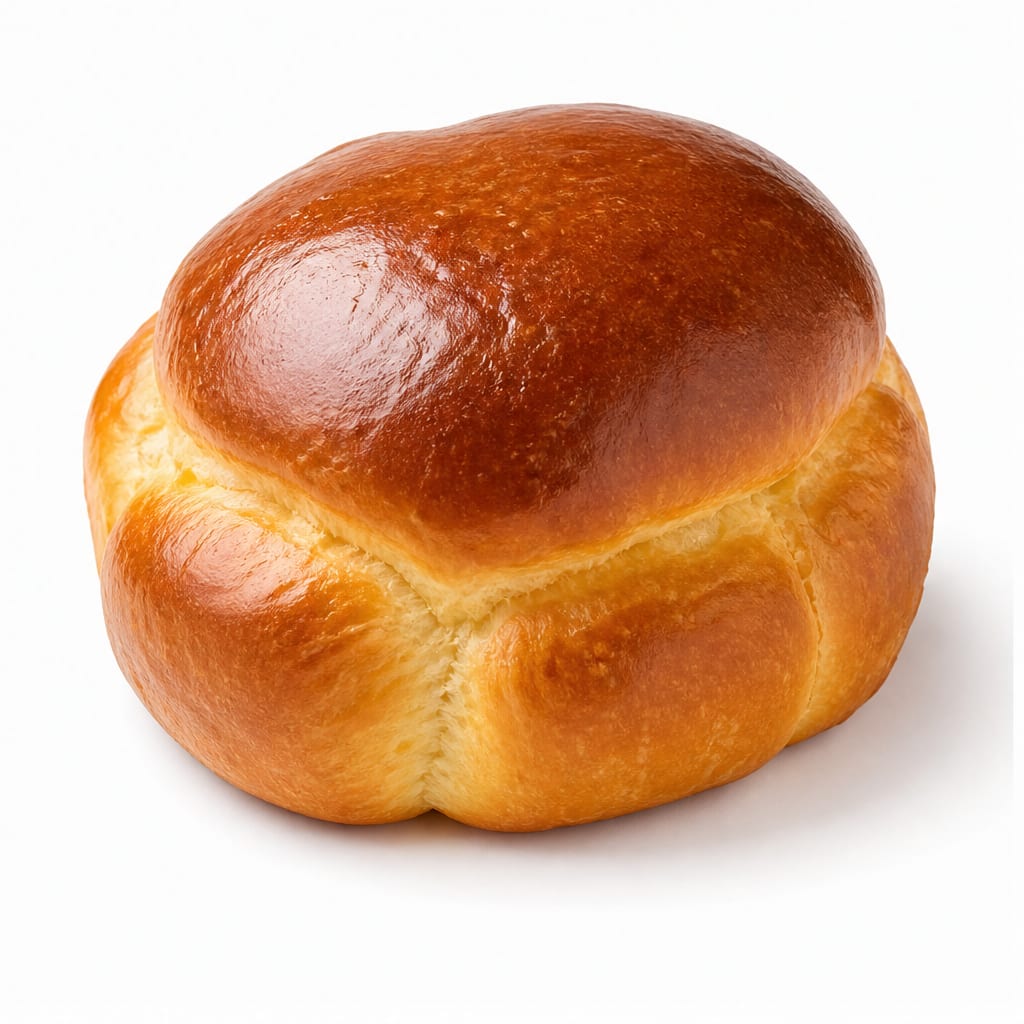
Brioche
Croissants deliver a flaky, crispy indulgence, while brioche offers a richer, softer, and more filling bite.
Brioche scores slightly higher due to its egg content providing more protein and satiety, plus better culinary versatility. Both remain highly indulgent, calorie-dense options.
Lighter crispness with higher lamination fat (Croissant) versus more protein, slight sweetness, and meal versatility (Brioche).
At a glance
Executive summary
Overall
It depends
Healthier
Brioche
More practical
Brioche
Daily use
Brioche
Key comparison lenses
Choosing between rich breakfast breads
Both are buttery, refined-carb indulgences typically eaten at breakfast or brunch, so the decision usually comes down to texture preferences and satiety needs.
Managing saturated fat and calorie intake
Lamination makes croissants extremely butter-dense, while brioche relies heavily on eggs and butter, making fat and calorie comparison crucial.
Finding the best base for sweet or savory meals
Brioche is sturdy enough for French toast or burgers, whereas croissants are delicate, impacting how each is used in real meals.
Best choice for
Croissant
- A light, crispy weekend morning treat
- Pairing with coffee or simple fruit preserves
- When you crave maximum flakiness
Brioche
- Making French toast or bread pudding
- Gourmet burgers or breakfast sandwiches
- A more satisfying, protein-rich bread option
Least suitable for
Croissant
- Anyone strictly limiting saturated fat
- On-the-go eating due to flaky mess
- Sturdy sandwich bases
Brioche
- Low-sugar or low-calorie diets
- Those wanting a light, airy texture
- Crispy texture lovers
Deep comparison
Dimension by dimension
Each lens scores both foods and breaks down who each option suits.
- Dimension 1 · Priority 90Brioche
Satiety and Fullness
Croissant · 35Brioche · 55Brioche keeps you full longer because its egg content adds protein and density.
Tradeoff
You trade the light, airy feel of a croissant for a heavier, more substantial bite that delays hunger.
Why it matters
A breakfast that leaves you hungry an hour later can trigger overeating later in the day.
Real-world impact
Eating a croissant for breakfast often leads to a mid-morning energy crash and cravings, while brioche offers steadier energy.
Croissant
- Light snacking
Better for
- Long workdays without snack breaks
Worse for
Brioche
- Replacing a full meal
- Sustained energy through the morning
Better for
- Eating right before intense exercise
Worse for
- Dimension 2 · Priority 85Brioche
Fat and Calorie Density
Croissant · 30Brioche · 40Croissants are surprisingly higher in fat per serving due to the lamination process packing in layers of butter.
Tradeoff
Croissants feel lighter in the mouth but carry a heavier saturated fat load than a standard slice of brioche.
Why it matters
High saturated fat intake impacts heart health and makes it very easy to overconsume calories without feeling full.
Real-world impact
A large croissant can easily pack 15-20 grams of saturated fat, hitting your daily limit in one pastry.
Croissant
- Quick energy before a long run
Better for
- Cardiovascular health goals
- Calorie counting
Worse for
Brioche
- Managing daily saturated fat limits
Better for
- Strict low-carb or low-fat diets
Worse for
- Dimension 3 · Priority 80Brioche
Versatility and Meal Integration
Croissant · 40Brioche · 85Brioche is a culinary workhorse that handles both sweet and savory loading, while croissants are fragile.
Tradeoff
Brioche sacrifices delicate layers for structural integrity, making it far more practical for cooking.
Why it matters
A food that can be used in multiple ways reduces waste and makes meal prep easier.
Real-world impact
Day-old brioche makes incredible French toast; day-old croissants just fall apart when soaked or pressed.
Croissant
- Simple breakfast pastry
Better for
- Heavy fillings
- Wet ingredients
Worse for
Brioche
- Breakfast sandwiches
- Burgers
- Bread puddings
Better for
- Delicate tea-time service
Worse for
- Dimension 4 · Priority 75Brioche
Nutritional Value
Croissant · 25Brioche · 40Neither is a health food, but brioche provides more micronutrients like choline and vitamin A from eggs.
Tradeoff
Brioche has more sugar, but its egg content brings beneficial nutrients that croissants lack.
Why it matters
Even indulgent foods can contribute some nutritional value rather than being empty calories.
Real-world impact
The eggs in brioche offer a small but meaningful boost in protein and essential vitamins compared to the flour-butter-yeast combo of a croissant.
Croissant
- Lower sugar diets
Better for
- Nutrient-dense eating patterns
Worse for
Brioche
- Increasing protein slightly
- Getting extra micronutrients
Better for
- Strict sugar avoidance
Worse for
Timeline
Health impact over time
Short-term
Hours to days
Croissant
- Quick energy spike from refined carbs
- Can feel heavy in the stomach from high butter content
- Flaky crumbs can trigger coughing if eaten too fast
Brioche
- Slightly steadier energy due to egg protein and fat
- Very satisfying initial bite
- Higher sugar content can cause a quicker crash if eaten alone
Long-term
Months to years
Croissant
- Frequent consumption raises saturated fat intake significantly
- Low fiber content does not support gut health
- Contributes to calorie surplus if not accounted for
Brioche
- Similar cardiovascular concerns from high butter content
- Slightly better nutrient profile from eggs, but still a daily indulgence risk
- High refined carbohydrate load impacts blood sugar management over time
Risk profile
Safety & processing
Both are traditional baked goods made from simple, recognizable ingredients like flour, butter, yeast, and eggs. Commercial versions may add preservatives, but artisanal versions are relatively free of artificial additives.
Croissant
Rancidity
lowThe high butter content can go rancid if left at room temperature for too many days, though it is usually eaten fresh.
Brioche
Spoilage from eggs and dairy
mediumBrioche contains more eggs and milk, making it spoil faster at room temperature than standard bread. It should be stored properly after a day or two.
Who wins for whom
Audience fit
Same foods, different winners depending on your goal.
children
BriocheBrioche is softer, easier to chew, and less messy than a flaky croissant, making it more practical for kids.
daily consumption
BriocheBrioche offers slightly more satiety and nutrient density, making it a marginally better choice if eaten daily, though both are best kept as occasional treats.
diabetes
It dependsBoth are refined carbohydrate bombs that will spike blood sugar. Neither is recommended, but pairing either with a protein source can help mitigate the spike.
elderly
BriocheThe soft, tender texture of brioche is easier on the teeth and easier to swallow than the crusty, flaky layers of a croissant.
muscle gain
BriocheBrioche provides slightly more protein from eggs, though both require additional protein sources to support muscle growth effectively.
weight loss
It dependsNeither is ideal for weight loss. Croissants are less filling but sometimes smaller in portion, while brioche is more satiating but denser in calories per slice.
Your move
Decision guide
Choose Croissant
- You crave a flaky, crispy texture with your morning coffee
- You want a lighter-feeling pastry that shatters with each bite
- You are making a simple ham and butter sandwich
Choose Brioche
- You need a sturdy, rich base for a breakfast sandwich or burger
- You want something more filling that delays hunger
- You are making French toast or bread pudding
Either works if
- You just want a comforting, buttery weekend treat
- You are serving a brunch spread and need rich bread options
Avoid both if
- You are strictly limiting saturated fat or calories
- You need a low-carb or blood-sugar-friendly option
- You are looking for high-fiber, nutrient-dense foods
Final recommendation
Pick a croissant when the priority is a delicate, crispy texture to accompany a quiet morning coffee. Choose brioche when you need a more substantial, versatile bread that holds up to fillings, soaks up custard, or keeps you full longer.
Practical
Consumer tips
- 1
Warm croissants in an oven or toaster oven for a few minutes to re-crisp the buttery layers; microwaving makes them chewy.
- 2
Use day-old brioche for amazing French toast since its dense, egg-rich texture absorbs custard without falling apart.
- 3
Store brioche in the fridge if you will not finish it within two days, as the eggs and milk spoil faster than standard bread.
- 4
If buying from a bakery, ask about ingredients; traditional recipes use real butter, while cheaper versions may use margarine or trans fats.