
Nutrition comparison
Croissant vs Danish Pastry: Which Is Healthier?
Compare Croissant vs Danish Pastry to see which breakfast treat is better for your goals. Discover the differences in sugar, fat, and calories.
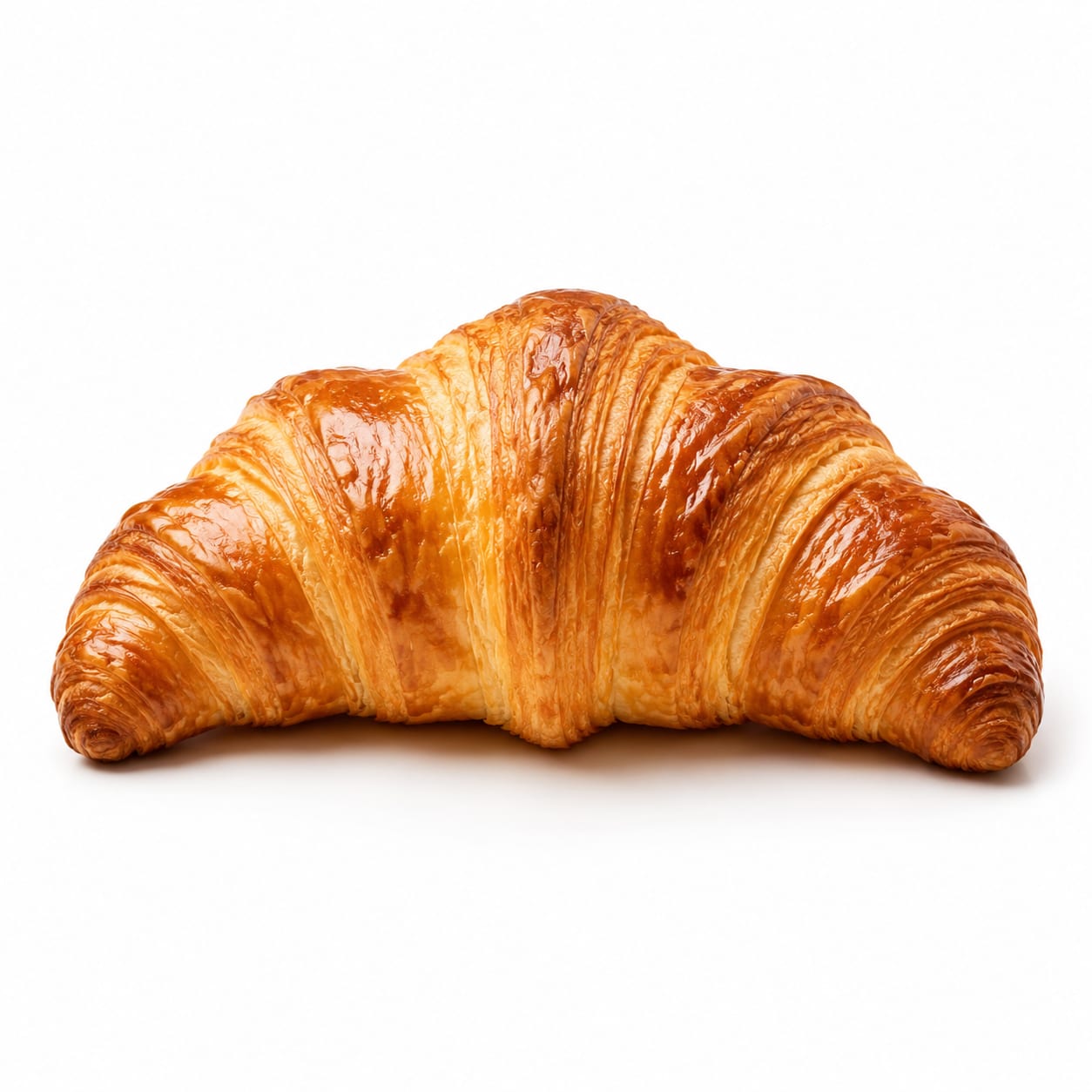
Croissant
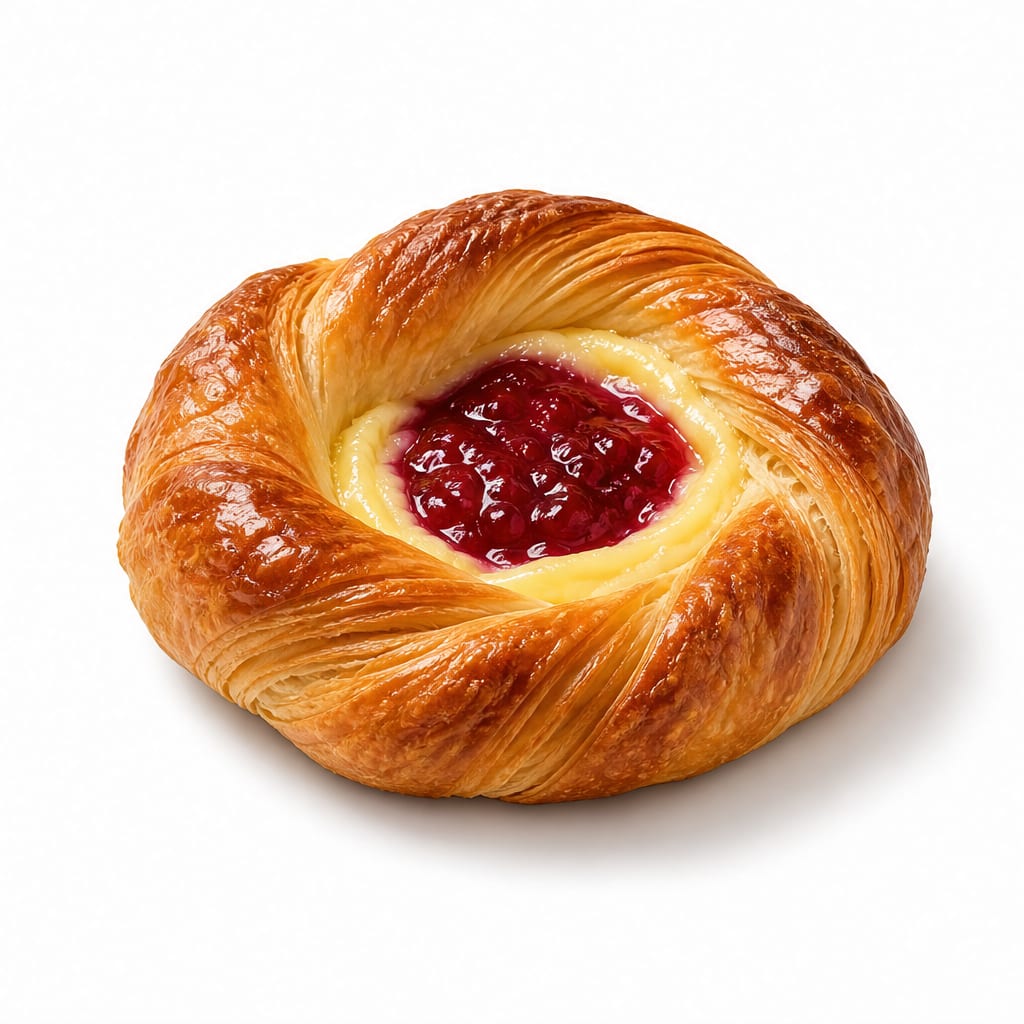
Danish Pastry
Croissants lean heavier on butter and fat, while Danish pastries pack more sugar and sweet fillings. Neither is a health food, but your choice depends on whether you prefer savory-rich or sweet-rich.
Croissants edge out slightly due to lower sugar content and fewer artificial fillings, but both are highly processed, calorie-dense indulgences with low nutritional value.
Fat versus sugar. Croissants deliver buttery richness, while Danish pastries deliver sugary sweetness.
At a glance
Executive summary
Overall
It depends
Healthier
Croissant
More practical
It depends
Daily use
It depends
Key comparison lenses
Sugar and sweetness comparison
Danish pastries typically contain sweet fillings and glazes, making sugar the biggest differentiator.
Fat content and type
Croissants rely heavily on butter for lamination, creating a high saturated fat profile.
Breakfast vs dessert suitability
Consumers often debate whether these are morning foods or treats, impacting how they affect daily energy.
Ingredient simplicity and processing
Traditional Croissants have simple ingredients, while Danish pastries often include complex fillings and preservatives.
Best choice for
Croissant
- Savory breakfast lovers
- Those avoiding high sugar
- Coffee dunkers
Danish Pastry
- Sweet tooth satisfaction
- Dessert replacements
- Fruit and cheese pairing
Least suitable for
Croissant
- Low-fat diets
- Vegans
- People avoiding dairy
Danish Pastry
- Low-sugar diets
- Diabetics
- Calorie counters
Deep comparison
Dimension by dimension
Each lens scores both foods and breaks down who each option suits.
- Dimension 1 · Priority 90Croissant
Sugar & Sweetness
Croissant · 60Danish Pastry · 30Danish pastries are significantly higher in sugar due to glazes, fruit fillings, and custards.
Tradeoff
Croissants have less sugar but more fat; a Danish satisfies a sweet tooth but guarantees a sugar crash.
Why it matters
Excess added sugar drives blood sugar spikes and cravings, making it harder to feel satisfied.
Real-world impact
Eating a Danish feels energizing for 30 minutes, but the crash leaves you hunting for another snack.
Croissant
- Managing blood sugar
- Reducing sugar cravings
- Savory breakfast pairings
Better for
- Satisfying a sweet tooth
- Fruit flavor cravings
Worse for
Danish Pastry
- Quick energy bursts
- Dessert lovers
- Celebratory mornings
Better for
- Avoiding sugar crashes
- Steady morning energy
Worse for
- Dimension 2 · Priority 85It depends
Fat & Satiety
Croissant · 30Danish Pastry · 35Croissants are extremely rich in butter, making them high in saturated fat. Danishes have slightly less fat but more carbs.
Tradeoff
Croissant's fat might keep you slightly fuller for a moment, but neither provides lasting satiety without protein.
Why it matters
Saturated fat impacts heart health over time, while low satiety leads to overeating later.
Real-world impact
A Croissant feels heavy in your stomach initially, but you will likely be hungry again by mid-morning.
Croissant
- Keto-style fat intake
- Feeling of immediate fullness
Better for
- Heart-healthy diets
- Calorie restriction
Worse for
Danish Pastry
- Lower saturated fat intake
- Carb-fueled activities
Better for
- Low-carb diets
- Sustained fullness
Worse for
- Dimension 3 · Priority 60Croissant
Ingredient Simplicity
Croissant · 55Danish Pastry · 40A traditional Croissant is just flour, butter, yeast, milk, and salt. Danish pastries often include fillings, glazes, and preservatives.
Tradeoff
Croissants are closer to a simple baked good, while Danish pastries can hide more ultra-processed fillings.
Why it matters
Fewer ingredients usually mean fewer additives, emulsifiers, and hidden sugars.
Real-world impact
Reading the label on a store-bought Danish often reveals a paragraph of additives, while a Croissant's list is noticeably shorter.
Croissant
- Clean eating goals
- Avoiding preservatives
Better for
- Boring flavor profiles
Worse for
Danish Pastry
- Flavor variety
- Shelf-stable convenience
Better for
- Minimizing ultra-processed foods
Worse for
Timeline
Health impact over time
Short-term
Hours to days
Croissant
- Quick energy from refined carbs
- Heavy feeling from high butter content
- Mild satiety that fades fast
Danish Pastry
- Rapid blood sugar spike
- Brief energy rush followed by a crash
- Intense sweetness triggering more cravings
Long-term
Months to years
Croissant
- Increased LDL cholesterol if eaten frequently
- Weight gain from calorie density
- Potential inflammatory impact from saturated fat
Danish Pastry
- Insulin resistance risk from high added sugar
- Increased triglycerides
- Weight gain from sugar and calorie surplus
Risk profile
Safety & processing
Croissants typically use simple baking ingredients. Danish pastries often incorporate commercial fruit fillings, custards, and glazes that bring in extra additives and preservatives.
Croissant
Dairy spoilage
mediumButter and milk in Croissants can spoil if left at room temperature for too long.
Danish Pastry
Dairy spoilage in fillings
mediumCheese or custard fillings in Danish pastries are highly perishable and can cause foodborne illness if not refrigerated.
Who wins for whom
Audience fit
Same foods, different winners depending on your goal.
children
CroissantWhile both are treats, Croissants avoid the extreme sugar rush and subsequent behavioral crash that a Danish pastry can cause in kids.
daily consumption
It dependsNeither should be consumed daily due to high calorie density and low nutritional value, but a plain Croissant is slightly less harmful as a regular habit.
diabetes
CroissantCroissants have fewer carbohydrates and less added sugar, leading to a slightly more manageable blood sugar response.
elderly
CroissantCroissants are easier to digest and lack the dense, sugary fillings that can upset aging digestive systems.
muscle gain
It dependsNeither provides meaningful protein; both are poor choices for muscle building.
weight loss
CroissantCroissants have slightly less sugar, making them marginally less likely to trigger fat-storing insulin spikes, though neither is good for weight loss.
Your move
Decision guide
Choose Croissant
- You want a savory-rich breakfast companion
- You are watching your sugar intake
- You prefer simple, buttery flavors
Choose Danish Pastry
- You crave something sweet and fruity
- You want a dessert-like breakfast
- You love cheese or custard fillings
Either works if
- It is a rare weekend indulgence
- You need quick calories on a long hike
Avoid both if
- You are managing diabetes or insulin resistance
- You are on a low-fat or low-calorie diet
- You need sustained energy for hours
Final recommendation
Treat both as occasional indulgences rather than daily staples. If you are pairing with a savory breakfast, go for the Croissant. If you want dessert for breakfast, the Danish is your pick, but beware the sugar crash.
Practical
Consumer tips
- 1
Pair a Croissant with protein like eggs to blunt the blood sugar impact and keep you full longer.
- 2
If choosing a Danish, opt for one with nuts or cheese instead of fruit glaze to reduce sugar content.
- 3
Eat slowly and mindfully; both are rich and easy to overconsume before your brain registers fullness.
- 4
Check bakery ingredients; artisan versions of both will have fewer additives than grocery store packaged versions.