
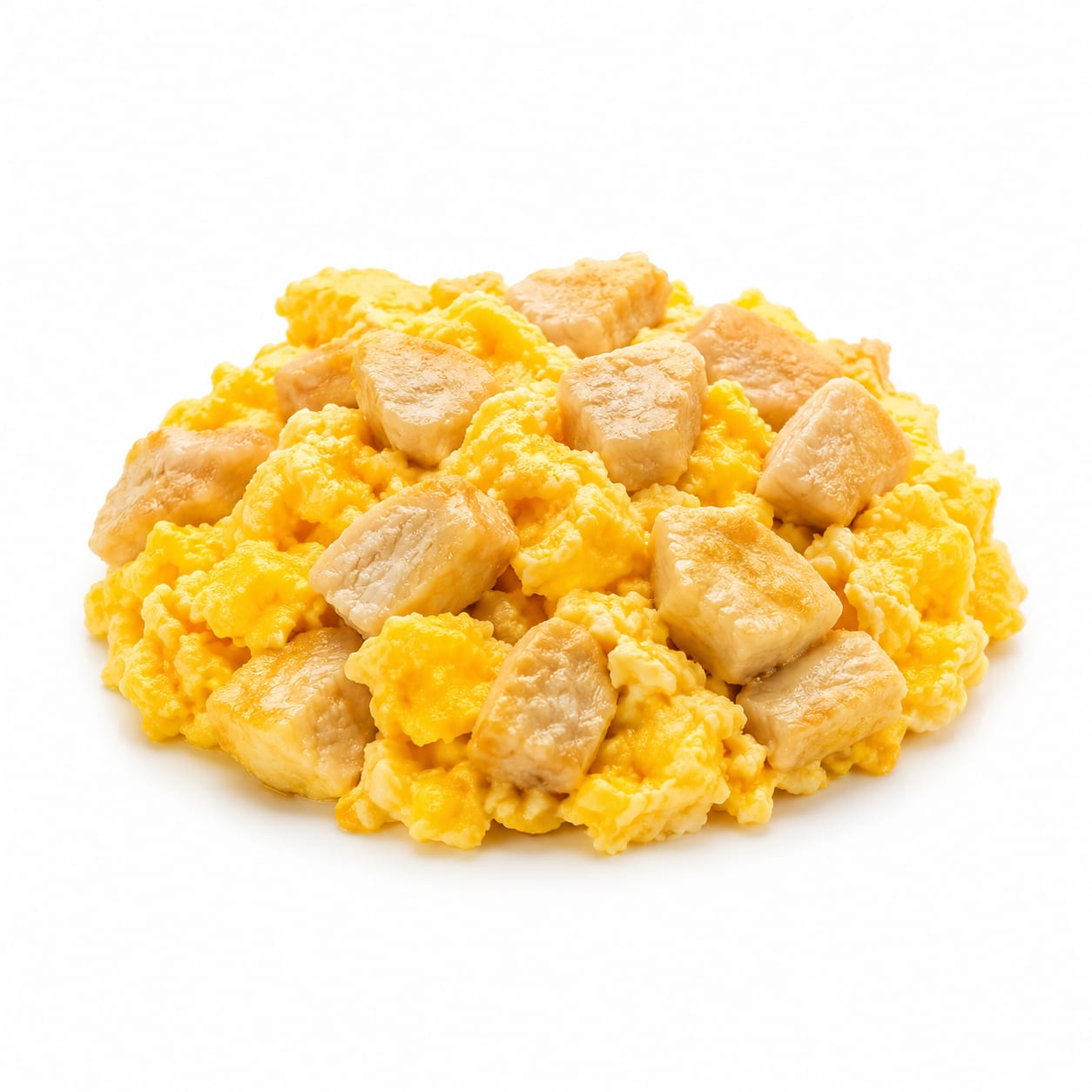
Animal Protein
Chicken Egg
A nutrient-dense, high-protein animal food providing complete amino acids, healthy fats, and essential micronutrients like choline and B12.
A highly bioavailable complete protein source laid by chickens, consisting of a nutrient-dense yolk and protein-rich white.
protein-dense animal food with essential fats
Typical serving · 50g
Common varieties · conventional, cage-free, free-range, pasture-raised, organic +1 more
Overall context score across nutrition, safety, and diet fit
At a glance
Quick facts
Simple indicators based on nutrition, processing, and diet fit.
The story
What makes it unique
Chicken eggs provide a complete amino acid profile with high digestibility. The yolk contains lipids, fat-soluble vitamins, and choline, while the white is primarily water and albumin protein. Digestion speed is moderate, slowed by the fat content in the yolk, which promotes sustained satiety. As an unprocessed whole food, processing characteristics are minimal unless modified into liquid or powdered forms.
Varieties: conventional · cage-free · free-range · pasture-raised · organic · omega-3 enriched
Per 100g
Nutrition breakdown
Macro balance and key metrics at a glance.
Energy
Density 1.47 kcal/g
Protein
Carbs
Fat
Fiber
Sugar
0 g
Sodium
142 mg
Potassium
138 mg
Glycemic index
0
Glycemic load
0
Water content
75%
Standout compounds
Nutrient highlights
Choline
highEssential for brain health, memory, and fetal development
Vitamin B12
highSupports nerve function and red blood cell formation
Selenium
highActs as an antioxidant and supports thyroid function
Vitamin D
moderatePromotes calcium absorption and immune function
Complete Protein
highProvides all 9 essential amino acids for muscle and tissue repair
Wellness map
Health scores & processing
NOVA processing scale
unprocessed · Whole food
Whole eggs are naturally unprocessed unless altered into pre-cooked, liquid, or powdered forms with added preservatives.
Diet compatibility
- Weight loss
- Muscle gain
- Diabetes
- Gut health
- Low carb
- High protein
- Heart health
Relative standing
Food rankings
Qualitative ranks compared to similar whole foods.
- Satietyexcellent
- Blood sugarexcellent
- Nutrient densityexcellent
- Fitness fuelexcellent
- Processing qualityexcellent
Eat with confidence
Food safety profile
The primary safety risk is Salmonella contamination, which is effectively neutralized by cooking eggs to an internal temperature of 160°F (71°C). Cross-contamination with raw egg shells is a common kitchen hazard.
Evidence confidence 95%
- Pesticideslow
- Antibioticsmoderate
- Heavy metalslow
- Contaminationmoderate
Watch for
- salmonella
- avian influenza
Safer choices
Pasteurized eggs in the shell reduce Salmonella risk for raw or undercooked applications. Pasture-raised eggs lower antibiotic and pesticide exposure.
Prep tips
Wash hands and surfaces after handling raw eggs. Avoid washing eggs before storing, as water can penetrate the porous shell and introduce bacteria.
Conventional egg farming often uses antibiotics, increasing risk of resistant bacteria. FDA requires refrigeration of washed eggs in the US to mitigate Salmonella.
Deep dive
Health analysis
How this food may fit different goals and preparation choices.
Weight loss
High protein and moderate fat content increase satiety hormones like PYY and GLP-1, reducing overall calorie intake at subsequent meals.
Blood sugar
Containing virtually zero carbohydrates, eggs have no glycemic impact and help stabilize blood sugar when paired with carbohydrate sources.
Fitness & energy
Rich in leucine, eggs trigger muscle protein synthesis efficiently, making them a top post-workout recovery food.
Gut health
Eggs are easily digested and well-tolerated, but they lack dietary fiber and do not directly feed the gut microbiome.
Processing quality
A whole, unprocessed food with a natural protective shell requiring no artificial preservatives or additives.
Food safety
Salmonella risk requires careful handling and adequate cooking. Sourcing from pasture-raised or organic farms reduces antibiotic exposure.
Common mistakes
Discarding the yolk removes the most nutrient-dense part, including choline, vitamin D, and beneficial fats. Overcooking oxidizes the cholesterol in the yolk.
Best preparation
Boiling or poaching preserves nutrient integrity without adding inflammatory cooking oils, while keeping the yolk runny prevents cholesterol oxidation.
Practical guide
Best use cases
When and how this food fits real eating patterns.
high-protein breakfast
Eating eggs in the morning stabilizes blood sugar and reduces hunger cravings throughout the day compared to high-carb breakfasts.
post-workout recovery
The complete amino acid profile and high leucine content support muscle repair and protein synthesis after exercise.
low-carb meal binder
Eggs provide structure and moisture in keto and low-carb baking without adding carbohydrates.
nutrient-dense weight loss meal
A low energy density and high satiety factor make whole eggs ideal for calorie-controlled diets.
Balance sheet
Pros & cons
Upsides
- Highly bioavailable complete protein source
- Rich in choline for brain and liver health
- Zero carbohydrates will not spike blood sugar
- Very versatile and easy to prepare
- High satiety helps control appetite
- Naturally unprocessed whole food
Trade-offs
- Yolks contain dietary cholesterol which concerns some users
- Salmonella risk if consumed raw or undercooked
- Top allergen for children and adults
- Lacks dietary fiber for gut microbiome support
- Ethical and environmental concerns with conventional farming
Fit check
Who is it for?
Great match
- low-carb diets
- muscle gain and recovery
- high-satiety weight loss
- nutrient-dense breakfasts
Consider alternatives
- strict vegan diets
- egg allergy sufferers
- very low-fat diets
- raw food diets without pasteurized eggs
Side by side
How it compares
Open the full head-to-head analysis for nutrition, safety, and practical tradeoffs.
This food
Chicken Egg
VS95% alike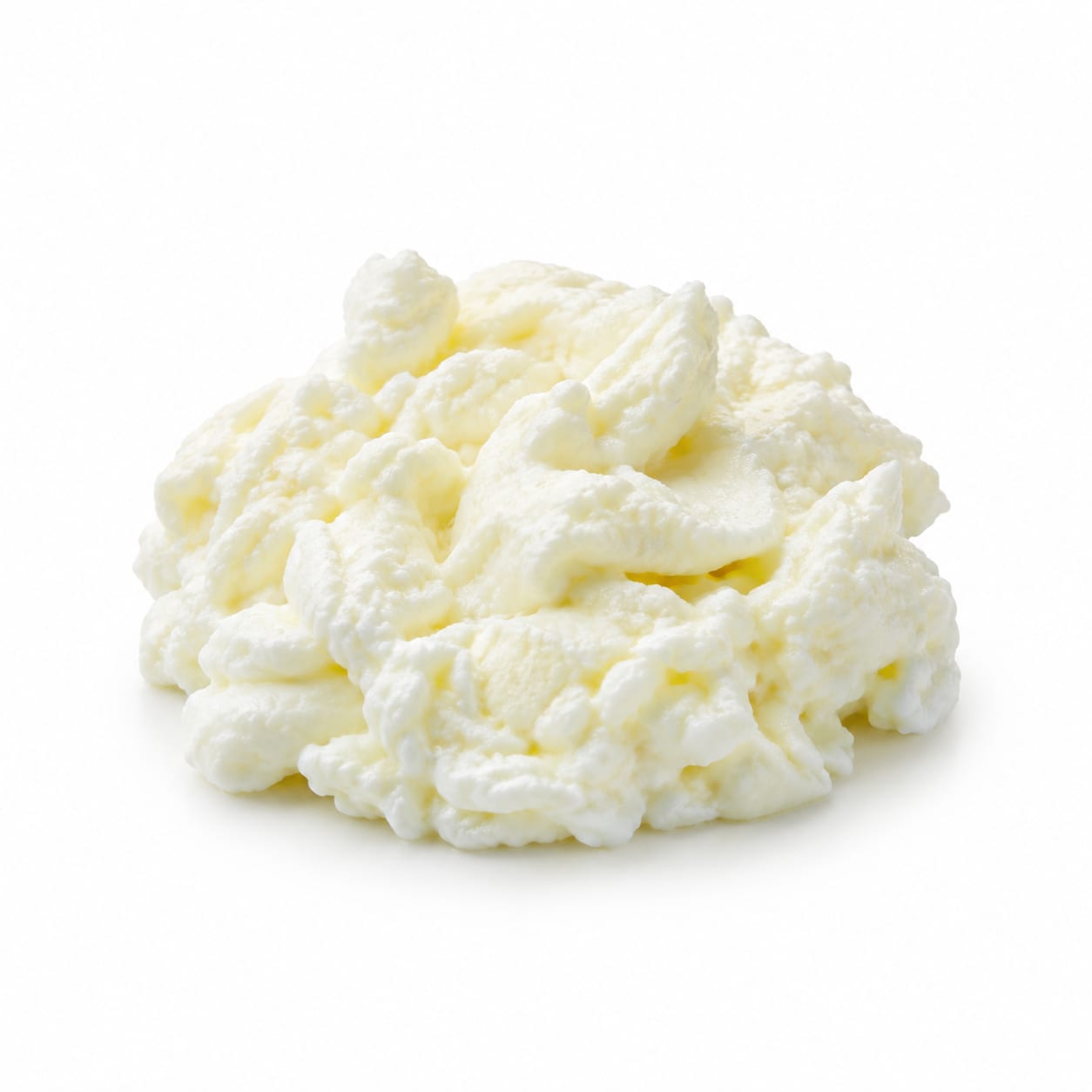
Compare with
Egg White
Egg whites are lower in calories and fat, but whole eggs provide significantly more vitamins, choline, and overall nutrient density.
Egg whites are lower in calories for strict dieting, but whole eggs win for nutrient density and satiety due to the healthy fats in the yolk.
This food
Chicken Egg
VS85% alike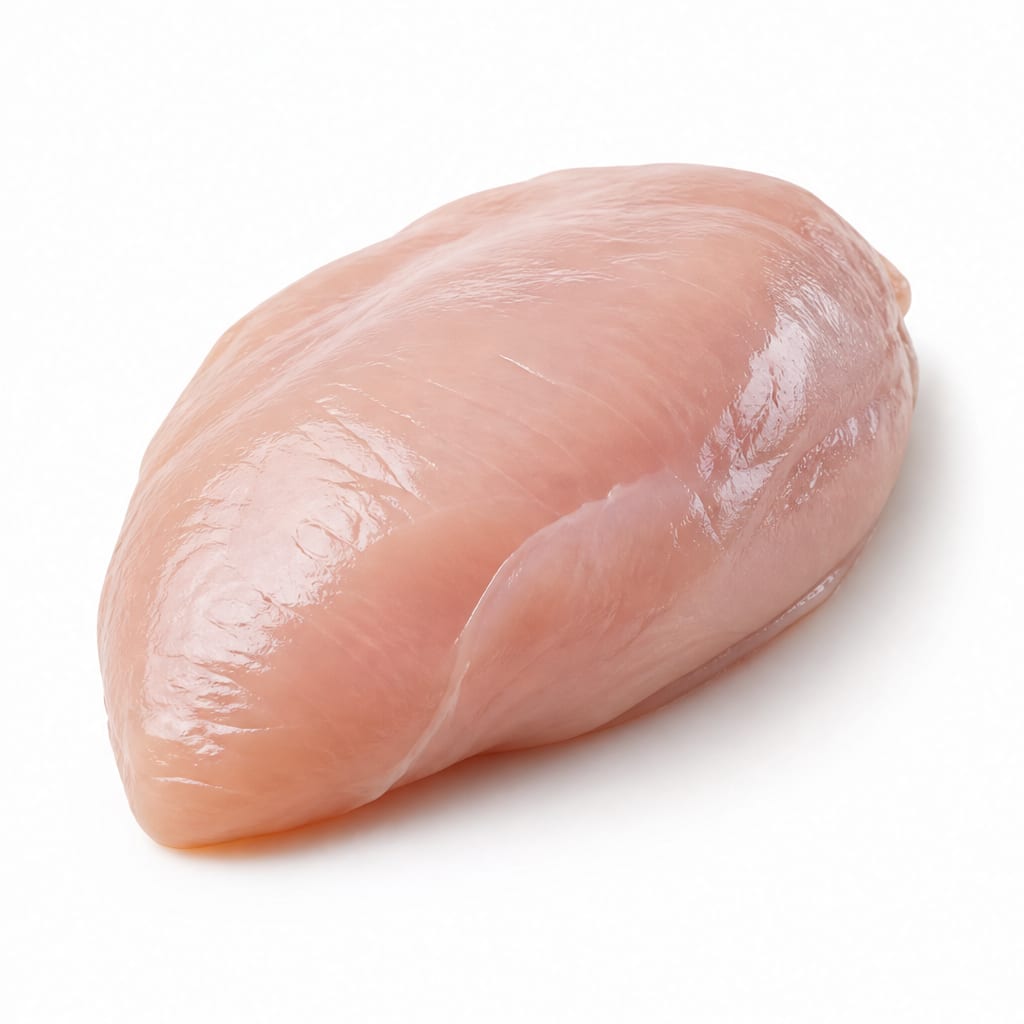
Compare with
Chicken Breast
Chicken breast provides more protein per calorie with zero carbs, while eggs offer a better micronutrient profile including choline and vitamin D.
Chicken breast is better for pure protein and calorie counting, but eggs provide superior micronutrients and are easier to prepare.
This food
Chicken Egg
VS80% alike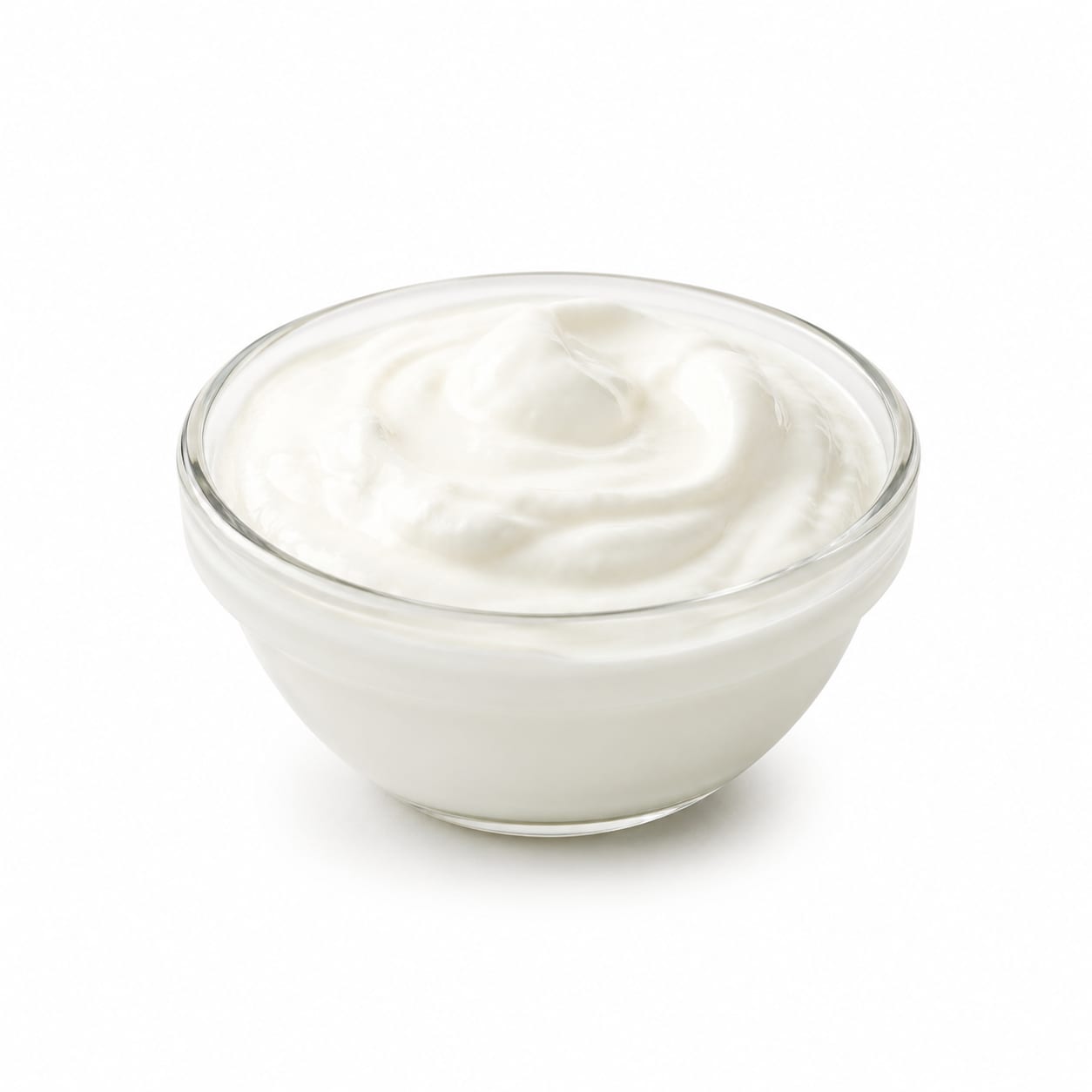
Compare with
Greek Yogurt
Greek yogurt offers probiotics and calcium with zero fat if skimmed, while eggs provide essential fats and fat-soluble vitamins without dairy sugars.
Eggs are lower in sugar and higher in healthy fats, while Greek yogurt provides probiotics for gut health and calcium.
This food
Chicken Egg
VS75% alike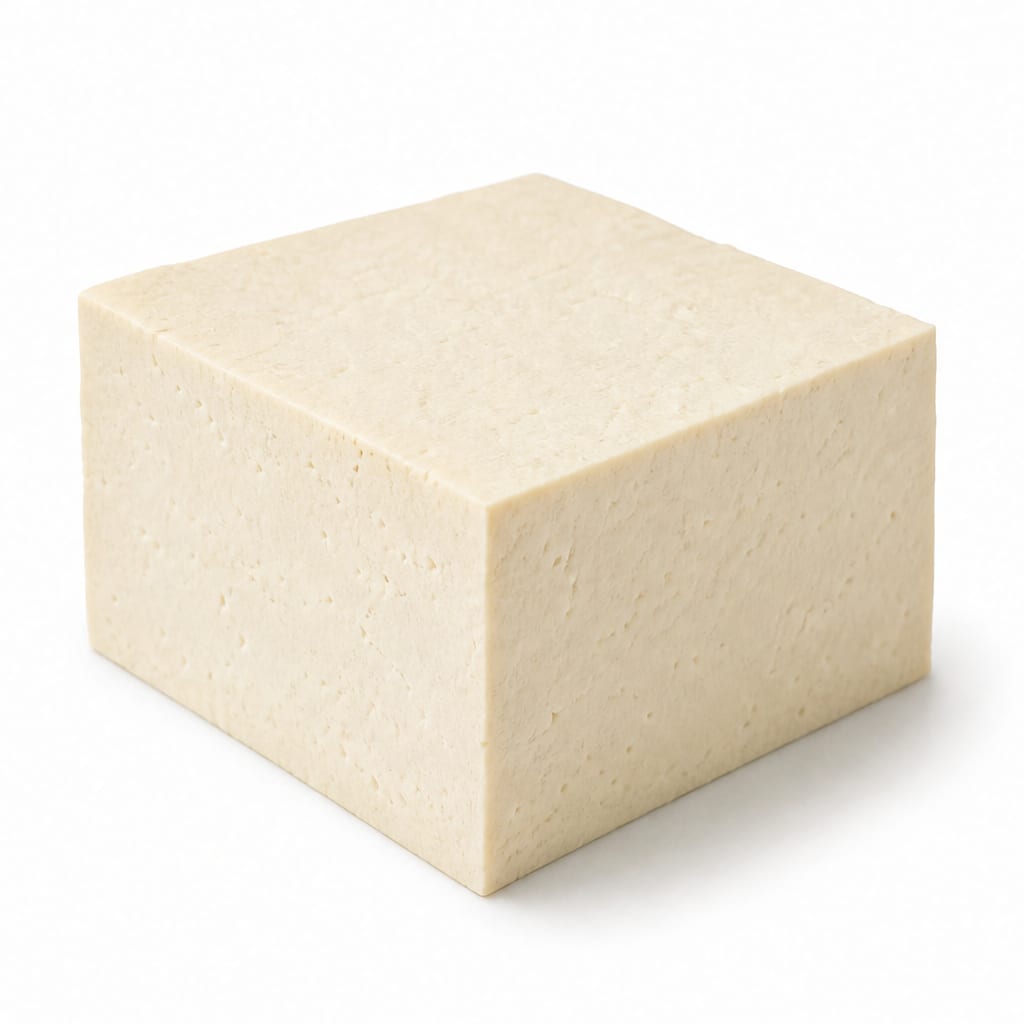
Compare with
Tofu
Tofu is a plant-based complete protein with fiber and calcium, while eggs have higher protein quality and digestibility.
Eggs offer superior protein absorption and satiety, while tofu is the best plant-based alternative with added calcium and fiber.
This food
Chicken Egg
VS75% alike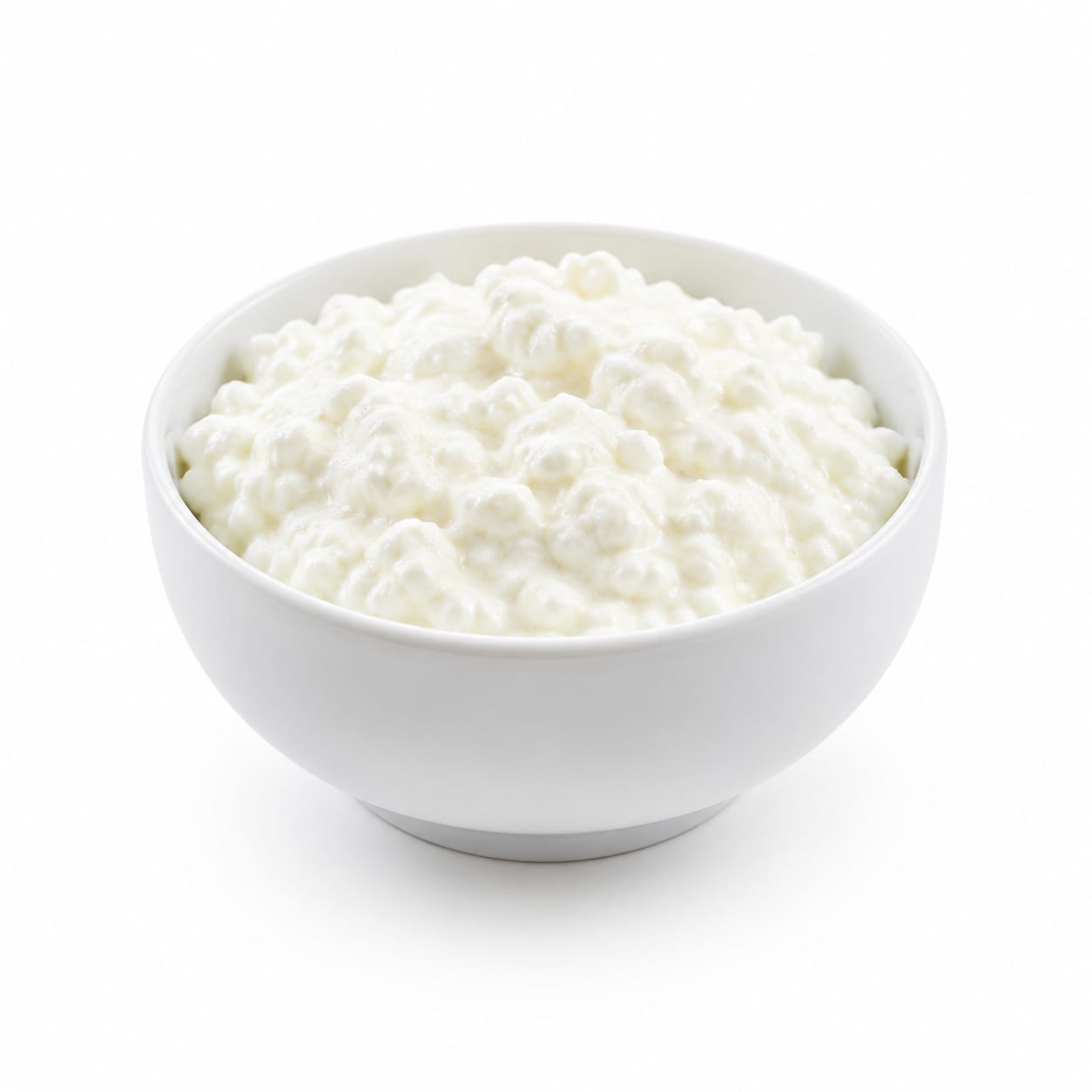
Compare with
Cottage Cheese
Cottage cheese provides slow-digesting casein protein, while eggs offer a balanced mix of fast and moderate-digesting proteins and more micronutrients.
Cottage cheese is rich in slow-digesting casein for overnight recovery, while eggs provide a more balanced amino acid profile and vitamins.
This food
Chicken Egg
VS65% alike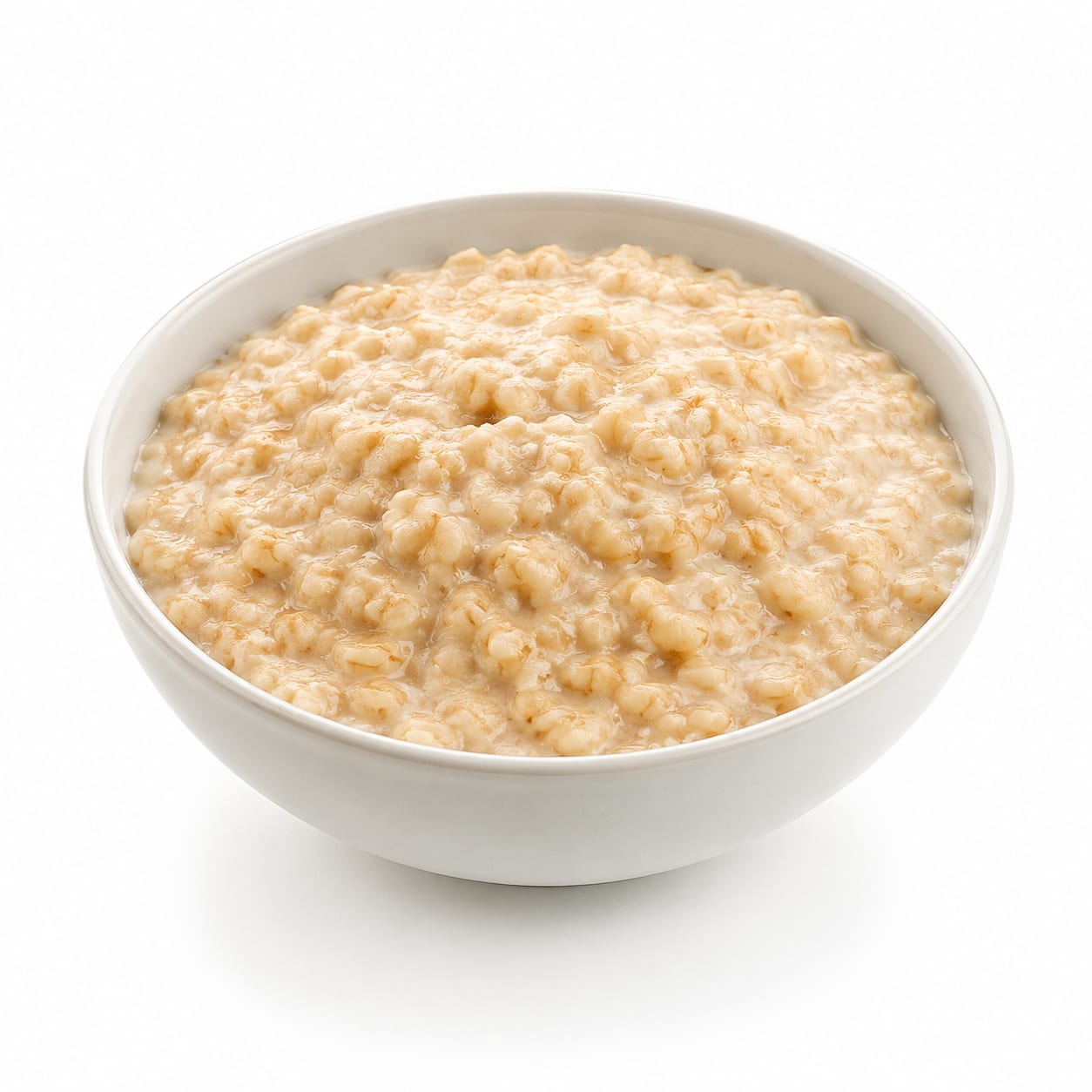
Compare with
Oats
Oats provide complex carbohydrates and fiber for sustained energy, while eggs provide protein and fats for satiety and muscle maintenance.
Eggs are better for low-carb diets and blood sugar control, while oats are better for pre-workout energy and fiber intake.
This food
Chicken Egg
VS70% alike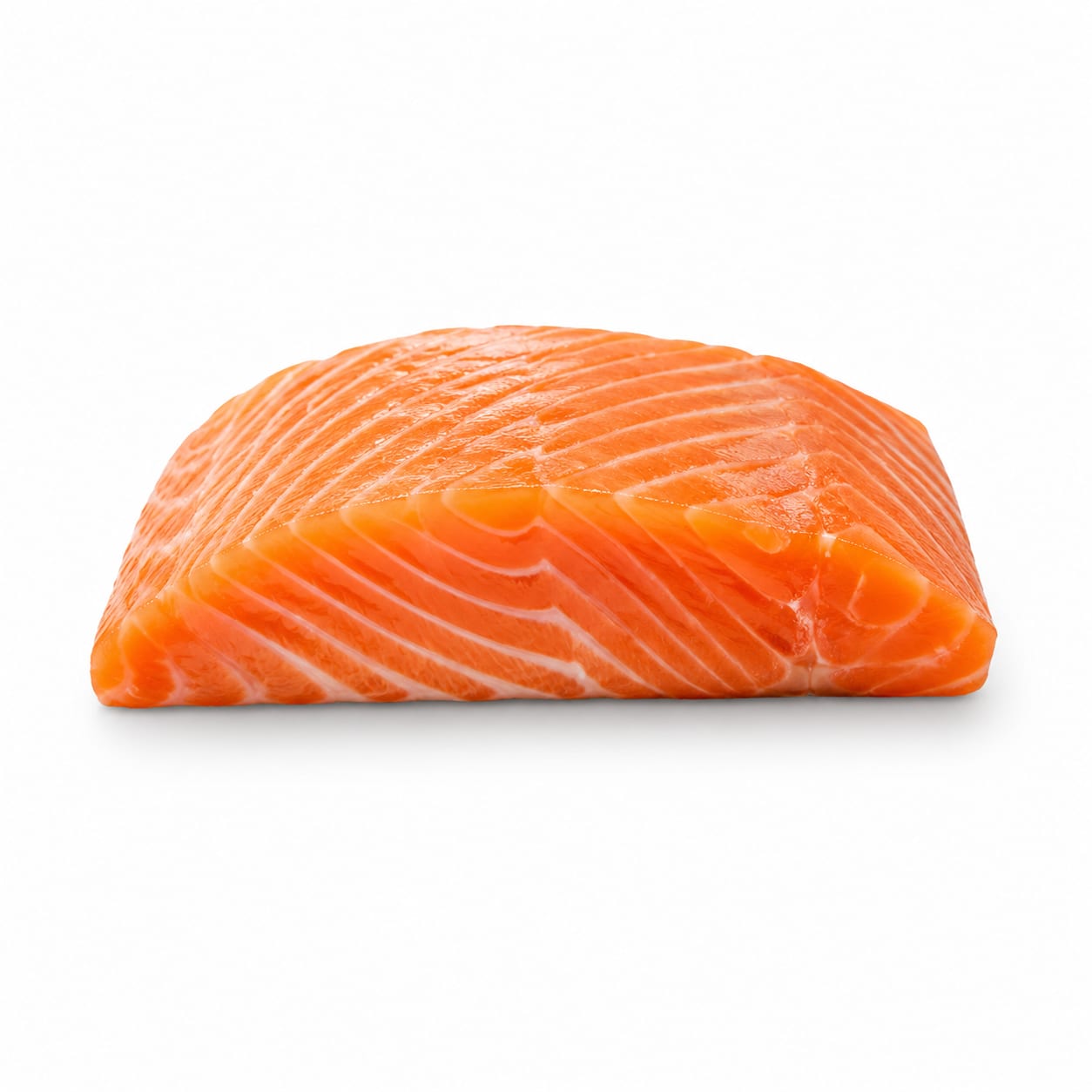
Compare with
Salmon
Salmon provides significantly more omega-3 fatty acids, while eggs are a more affordable everyday protein source with higher choline.
Salmon wins for omega-3 intake and anti-inflammatory benefits, but eggs are a more affordable daily protein source.
This food
Chicken Egg
VS90% alike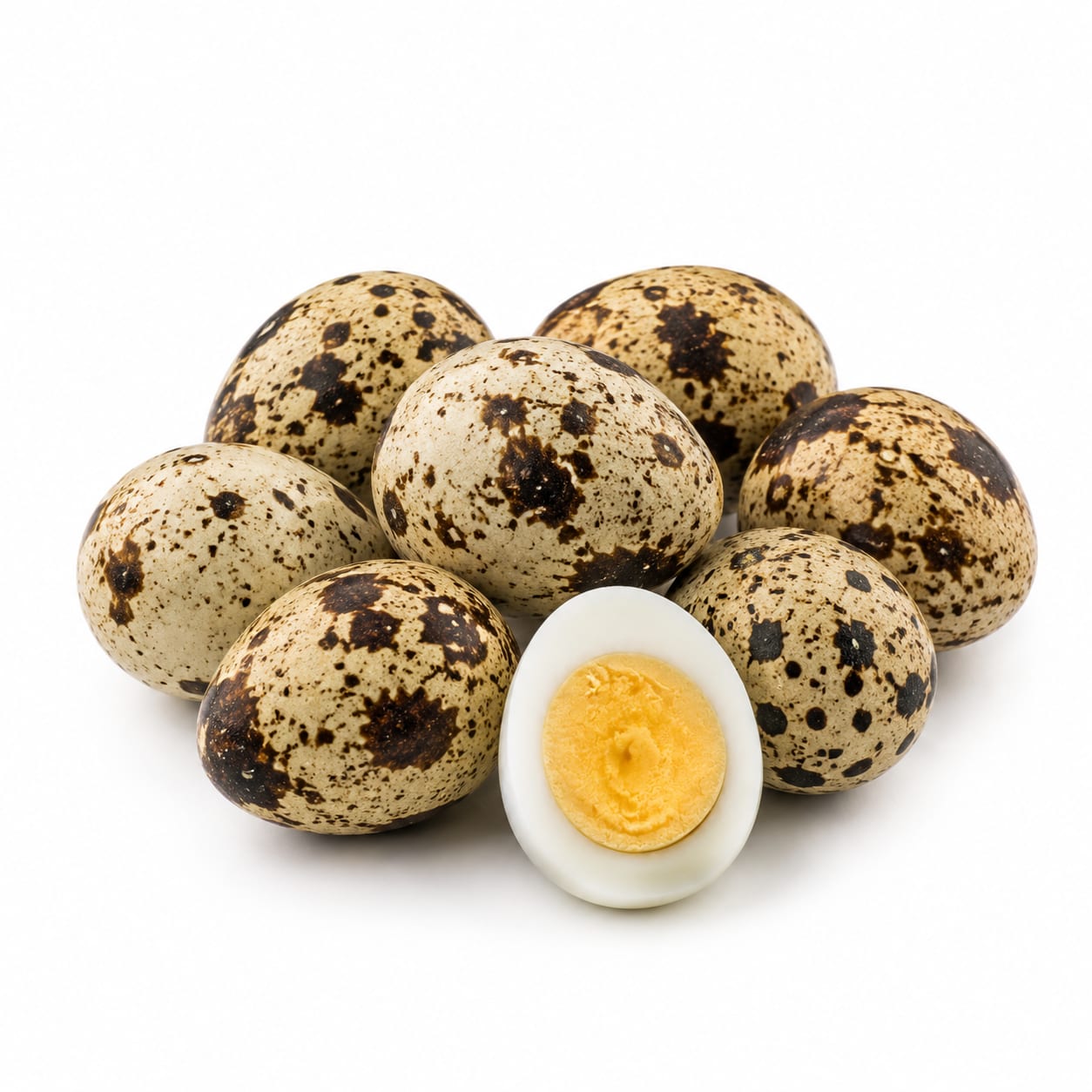
Compare with
Quail Egg
Quail eggs are nutritionally similar to chicken eggs but slightly higher in iron and B12 per gram, though much smaller and more expensive.
Quail eggs offer slightly more iron and B12 per gram, but chicken eggs are far more practical, affordable, and satisfying.
This food
Chicken Egg
VS70% alike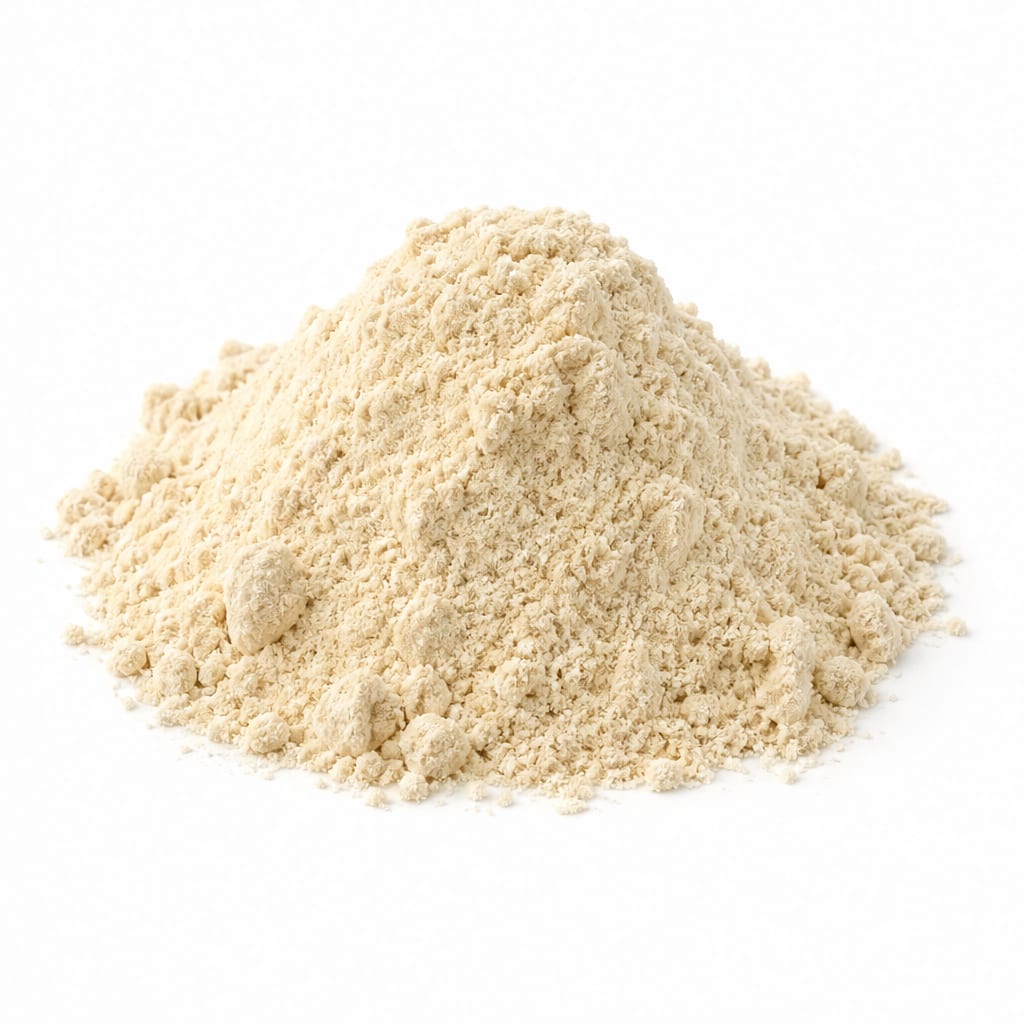
Compare with
Whey Protein
Whey protein is faster digesting and higher in leucine per serving, while whole eggs provide whole-food nutrition, fats, and better satiety.
Whey protein digests faster for immediate post-workout recovery, while whole eggs provide longer-lasting satiety and whole-food micronutrients.
This food
Chicken Egg
VS60% alike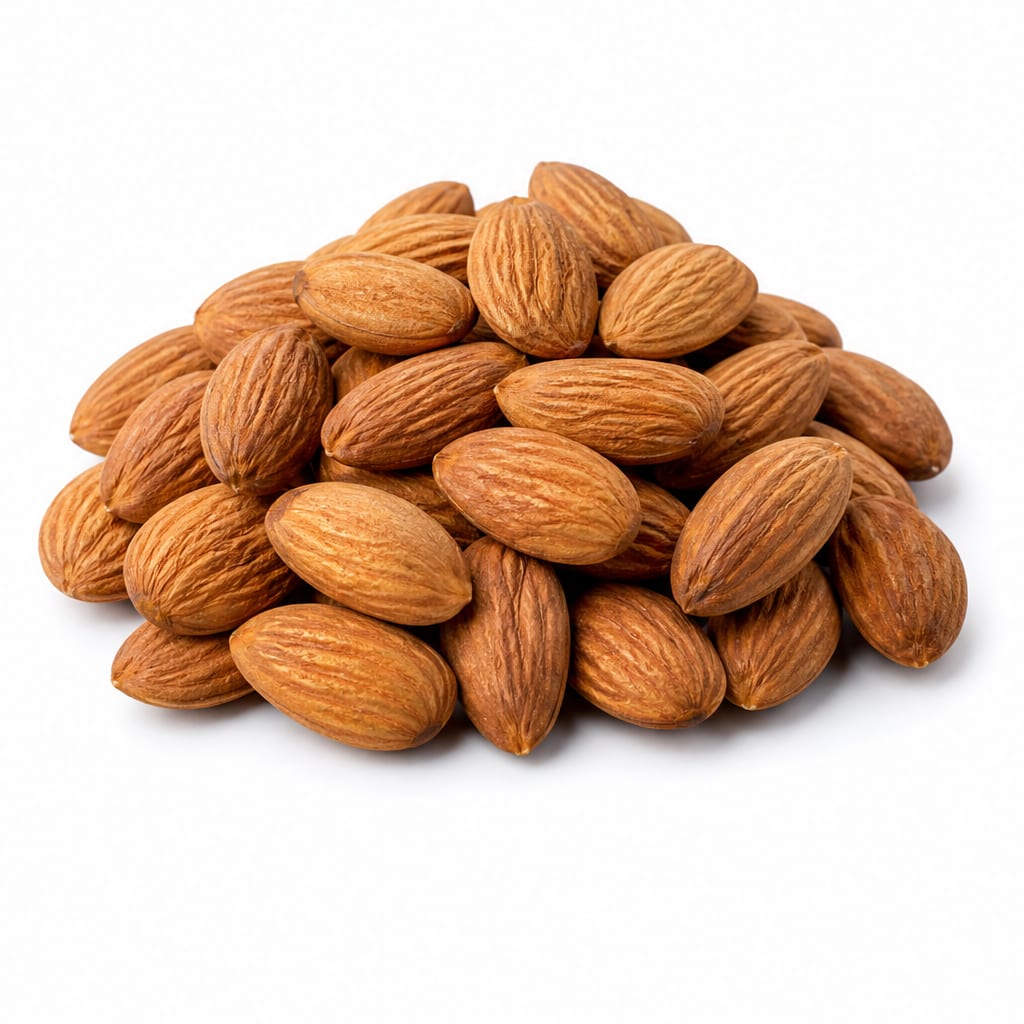
Compare with
Almonds
Almonds offer fiber and vitamin E but are calorie-dense, whereas eggs provide higher protein content and better satiety per calorie.
Eggs provide far more protein and better satiety per calorie than almonds, which are higher in fat and fiber.
Common questions
FAQ
Answers aligned with how people search for this food.
Are eggs good for weight loss?
Yes, eggs are excellent for weight loss. Their high protein and fat content increase satiety, helping you feel full longer and reducing overall daily calorie intake.
Do eggs raise your cholesterol?
For most people, dietary cholesterol in eggs has a minimal impact on blood cholesterol. Saturated and trans fats in the diet affect blood cholesterol much more significantly than the cholesterol found in eggs.
How much protein is in a single egg?
One large egg contains about 6 to 7 grams of high-quality complete protein, with roughly 3 grams in the yolk and 4 grams in the white.
Can diabetics eat eggs?
Yes, eggs are a safe and healthy choice for people with diabetes. They contain almost zero carbohydrates, meaning they will not spike blood sugar levels.
Is it healthier to eat only egg whites?
Not necessarily. While egg whites are pure protein, the yolk contains vital nutrients like choline, vitamin D, vitamin B12, and omega-3 fatty acids. Eating the whole egg provides the most nutritional benefit.
What is the healthiest way to cook eggs?
Boiling and poaching are the healthiest methods because they use no added fats and cook at lower temperatures, preventing cholesterol oxidation in the yolk.
How many eggs can I safely eat in a day?
For healthy adults, eating 1 to 2 eggs per day is perfectly safe and does not increase heart disease risk. Active individuals or those on high-protein diets may safely consume more.
Are raw eggs safe to eat?
Raw eggs carry a risk of Salmonella contamination. If you consume raw eggs, use pasteurized eggs to eliminate the risk of foodborne illness.
Transparency
Data confidence
Estimated confidence for nutrition data, interpretation, safety notes, and comparisons.
Nutrition data
Health analysis
Food safety
Comparisons