
Nutrition comparison
Chicken Egg vs Whey Protein: Which is Better for You?
Compare Chicken Egg vs Whey Protein for protein quality, satiety, weight loss, and muscle gain. Find out which is the healthier choice for your goals.
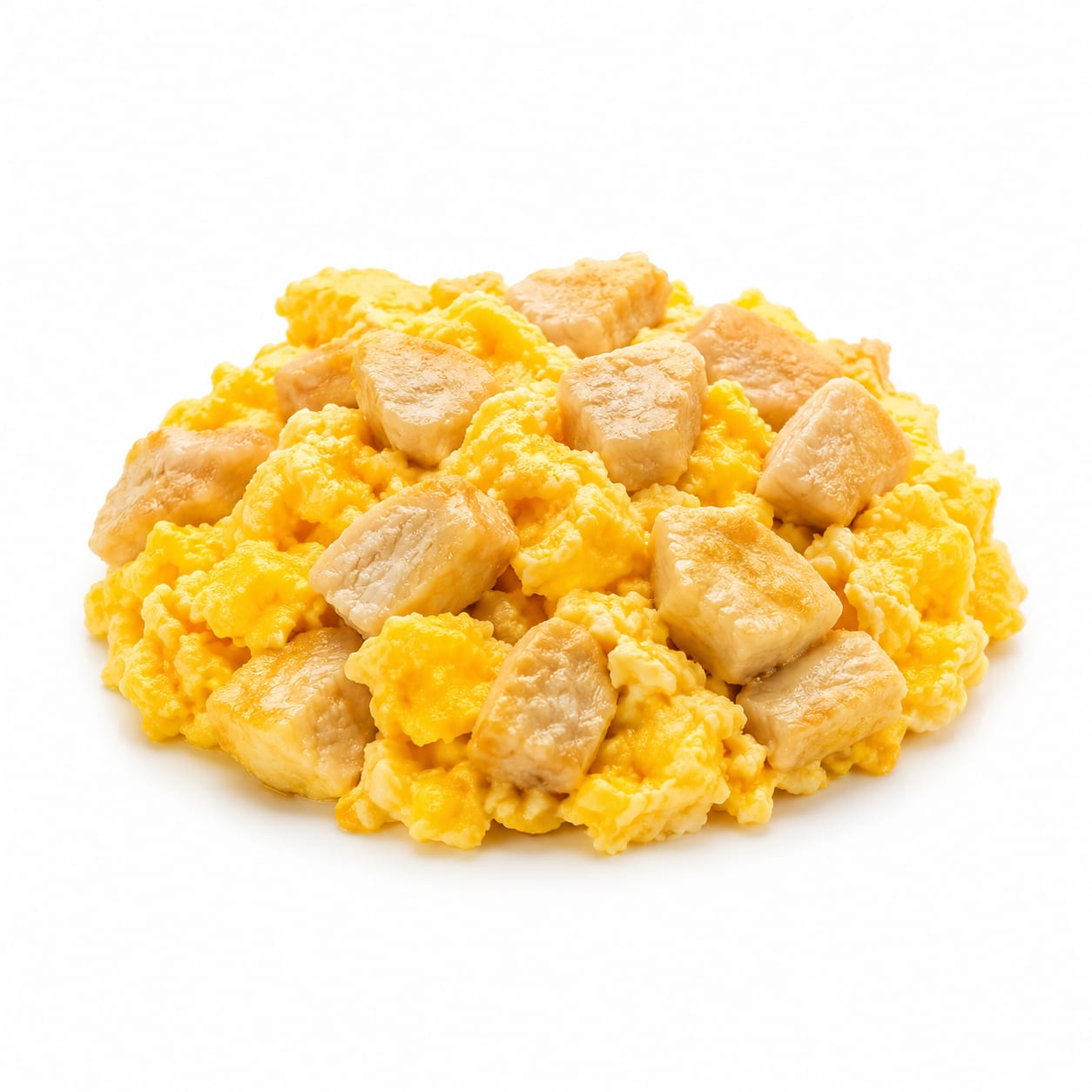
Chicken Egg

Whey Protein
Chicken eggs provide broader nutrition and keep you full longer, while whey protein offers faster absorption and higher protein per calorie for post-workout recovery.
Chicken eggs score slightly higher for overall nutrient density and satiety, but whey protein remains a top-tier choice for targeted muscle recovery and convenience.
Whole-food completeness and lasting satiety versus rapid absorption and calorie efficiency.
At a glance
Executive summary
Overall
It depends
Healthier
It depends
More practical
Whey Protein
Daily use
It depends
Key comparison lenses
Protein source selection for muscle building vs general health
Users comparing these two are usually deciding between a whole food and a supplement to hit protein targets.
Convenience versus satiety tradeoff
Whey Protein is fast and easy, while Chicken Eggs provide lasting fullness but require cooking.
Calorie efficiency for weight loss
Whey delivers more protein per calorie, making it attractive for strict dieting.
Whole food versus processed supplement debate
Chicken Eggs are a natural whole food, whereas Whey Protein undergoes significant processing and often contains additives.
Best choice for
Chicken Egg
- Sustained morning energy
- Whole food enthusiasts
- Budget-conscious protein seekers
- Brain health support
Whey Protein
- Post-workout muscle recovery
- Strict calorie deficits
- On-the-go nutrition
- Hitting high daily protein targets
Least suitable for
Chicken Egg
- Severe egg allergies
- Very low-calorie diets
- Instant post-workout needs
Whey Protein
- Dairy intolerance or allergies
- Those avoiding processed foods
- People seeking lasting fullness from a meal
Deep comparison
Dimension by dimension
Each lens scores both foods and breaks down who each option suits.
- Dimension 1 · Priority 95Whey Protein
Protein Quality and Absorption Speed
Chicken Egg · 88Whey Protein · 96Whey protein digests and absorbs faster, triggering quicker muscle protein synthesis. Chicken eggs digest slower but provide excellent sustained amino acid release.
Tradeoff
Rapid absorption for immediate recovery versus slower digestion for steady muscle feeding.
Why it matters
Fast protein is ideal right after a workout, while slower protein prevents muscle breakdown over longer gaps.
Real-world impact
Drinking a whey shake after the gym starts recovery immediately, whereas eating eggs for breakfast keeps your muscles fed until lunch.
Chicken Egg
- Between-meal satiety
- Sustained amino acid delivery
Better for
- Rapid glycogen and muscle replenishment
Worse for
Whey Protein
- Immediate post-workout recovery
- Breaking a fasted state
Better for
- Keeping you full for hours
Worse for
- Dimension 2 · Priority 90Chicken Egg
Satiety and Fullness
Chicken Egg · 94Whey Protein · 55Chicken eggs are incredibly filling due to their solid form, fat content, and protein. Whey protein is a liquid that empties from the stomach quickly.
Tradeoff
Chewing solid food with fat for lasting fullness versus drinking low-calorie liquid protein.
Why it matters
Better satiety means fewer cravings and easier portion control later in the day.
Real-world impact
An egg breakfast easily keeps you satisfied until noon, while a whey shake might leave you hungry again by mid-morning.
Chicken Egg
- Preventing afternoon energy crashes
- Controlling late-night snacking urges
Better for
- Eating right before intense exercise
Worse for
Whey Protein
- Light pre-workout fuel that won't weigh you down
Better for
- Managing hunger on a calorie deficit
Worse for
- Dimension 3 · Priority 85Chicken Egg
Nutrient Density
Chicken Egg · 97Whey Protein · 65Chicken eggs are nutritional powerhouses packed with choline, vitamin B12, selenium, and vitamin D. Whey protein is mostly isolated protein with minimal accompanying nutrients.
Tradeoff
A broad spectrum of vitamins and minerals versus isolated macronutrient focus.
Why it matters
Choline supports brain health, and B-vitamins fuel energy production, benefits you miss with pure whey.
Real-world impact
Eating eggs supports your mood, memory, and energy levels beyond just muscle maintenance.
Chicken Egg
- Overall health and longevity
- Cognitive function support
Better for
- Pure protein isolation for strict macros
Worse for
Whey Protein
- Targeted macronutrient tracking
Better for
- Providing well-rounded daily nutrition
Worse for
- Dimension 4 · Priority 80Whey Protein
Calorie Efficiency
Chicken Egg · 70Whey Protein · 92Whey protein delivers far more protein per calorie since it lacks the fat found in whole eggs.
Tradeoff
Lower calories for dieting versus the satiating fat that makes food enjoyable and filling.
Why it matters
When cutting calories, getting the most protein for the fewest calories helps preserve muscle without overshooting your budget.
Real-world impact
You can get 25g of protein from whey for about 120 calories, whereas two eggs give you 12g of protein for 140 calories.
Chicken Egg
- Those who struggle to eat enough calories
Better for
- Very low-calorie dieting
Worse for
Whey Protein
- Aggressive fat loss phases
- Easy macro compliance
Better for
- Those needing sustained energy from fats
Worse for
- Dimension 5 · Priority 75Whey Protein
Convenience and Practicality
Chicken Egg · 60Whey Protein · 95Whey protein requires no cooking and can be consumed anywhere by just adding water. Chicken eggs need refrigeration, cooking, and cleanup.
Tradeoff
Instant preparation and portability versus culinary versatility and real-meal satisfaction.
Why it matters
Convenience often dictates consistency. If making eggs is too time-consuming, you might skip the protein altogether.
Real-world impact
A whey shake takes 30 seconds to make before rushing out the door, while cooking eggs demands at least 10 minutes.
Chicken Egg
- Creating enjoyable, social meals
- Weekend meal prep
Better for
- Commuting convenience
Worse for
Whey Protein
- Busy mornings
- Gym bag portability
- Office nutrition
Better for
- Sitting down for a satisfying dinner
Worse for
Timeline
Health impact over time
Short-term
Hours to days
Chicken Egg
- Provides lasting fullness that reduces snacking
- Sustained energy without blood sugar spikes
Whey Protein
- Rapidly initiates muscle repair after exercise
- May cause mild bloating if lactose intolerant
Long-term
Months to years
Chicken Egg
- Choline supports brain health and memory
- Dietary cholesterol has minimal impact on blood cholesterol for most people, but saturated fat warrants moderation
Whey Protein
- Helps preserve lean muscle mass during aging
- Relying on it heavily may displace whole food nutrients from your diet
Risk profile
Safety & processing
Chicken eggs come straight from the farm with no ingredient lists. Whey protein undergoes filtration and drying, and flavored varieties often include artificial sweeteners, thickeners, and emulsifiers.
Chicken Egg
Salmonella contamination
mediumRaw or undercooked eggs can carry salmonella, making thorough cooking important.
Allergic reaction
mediumEgg allergies are common, especially in children, though many outgrow them.
Whey Protein
Dairy allergy or lactose intolerance
mediumWhey concentrates contain lactose that can cause digestive distress; isolates are safer but not risk-free.
Contaminants in low-quality powders
lowCheap protein powders have occasionally tested positive for heavy metals or protein spiking.
Who wins for whom
Audience fit
Same foods, different winners depending on your goal.
children
Chicken EggEggs provide essential choline and healthy fats crucial for a child's brain development, whereas whey is an unnecessary supplement.
daily consumption
It dependsEggs are ideal for daily whole-food meals, while whey is best used strategically around workouts or when cooking is impossible.
diabetes
Chicken EggThe fat and solid form of eggs slow digestion, providing steadier blood sugar control compared to liquid whey.
elderly
It dependsWhey helps counter age-related muscle loss efficiently, but eggs offer broader nutrition and are easy to chew for dental issues.
muscle gain
Whey ProteinThe rapid absorption and high leucine content of whey make it superior for immediate post-workout muscle synthesis.
weight loss
Whey ProteinWhey protein offers higher protein per calorie, making it easier to stay in a deficit while preserving muscle.
Your move
Decision guide
Choose Chicken Egg
- You want a filling breakfast that keeps you satisfied for hours
- You prefer whole, unprocessed foods over supplements
- You need versatile ingredients for cooking and baking
- You are focused on brain health and overall nutrient density
Choose Whey Protein
- You need quick protein right after a workout
- You are trying to hit high protein targets while cutting calories
- You have zero time to cook in the mornings
- You need portable nutrition for travel or the office
Either works if
- You simply need high-quality complete protein and have no specific time constraints
- You want to mix both into your diet for variety
Avoid both if
- You have severe allergies to both eggs and dairy
Final recommendation
Use both strategically. Eat chicken eggs for meals to get lasting fullness and broad nutrition, and use whey protein for post-workout recovery or when you need convenient, low-calorie protein on the go.
Practical
Consumer tips
- 1
Choose whey isolate over concentrate if you are sensitive to lactose.
- 2
Check whey protein labels for artificial sweeteners and fillers if you prefer cleaner ingredients.
- 3
Cook chicken eggs thoroughly to eliminate any salmonella risk.
- 4
Pair whey protein with a carb source like a banana post-workout for better recovery.
- 5
Do not rely solely on whey protein for your daily protein; whole foods provide essential micronutrients that powders lack.