
Nutrition comparison
Chicken Eggs vs Almonds: Which Is Healthier for Protein, Heart Health, and Weight Loss?
Compare chicken eggs and almonds side by side on protein quality, heart health, satiety, calorie density, and real-world practicality. Find out which fits your goals better.
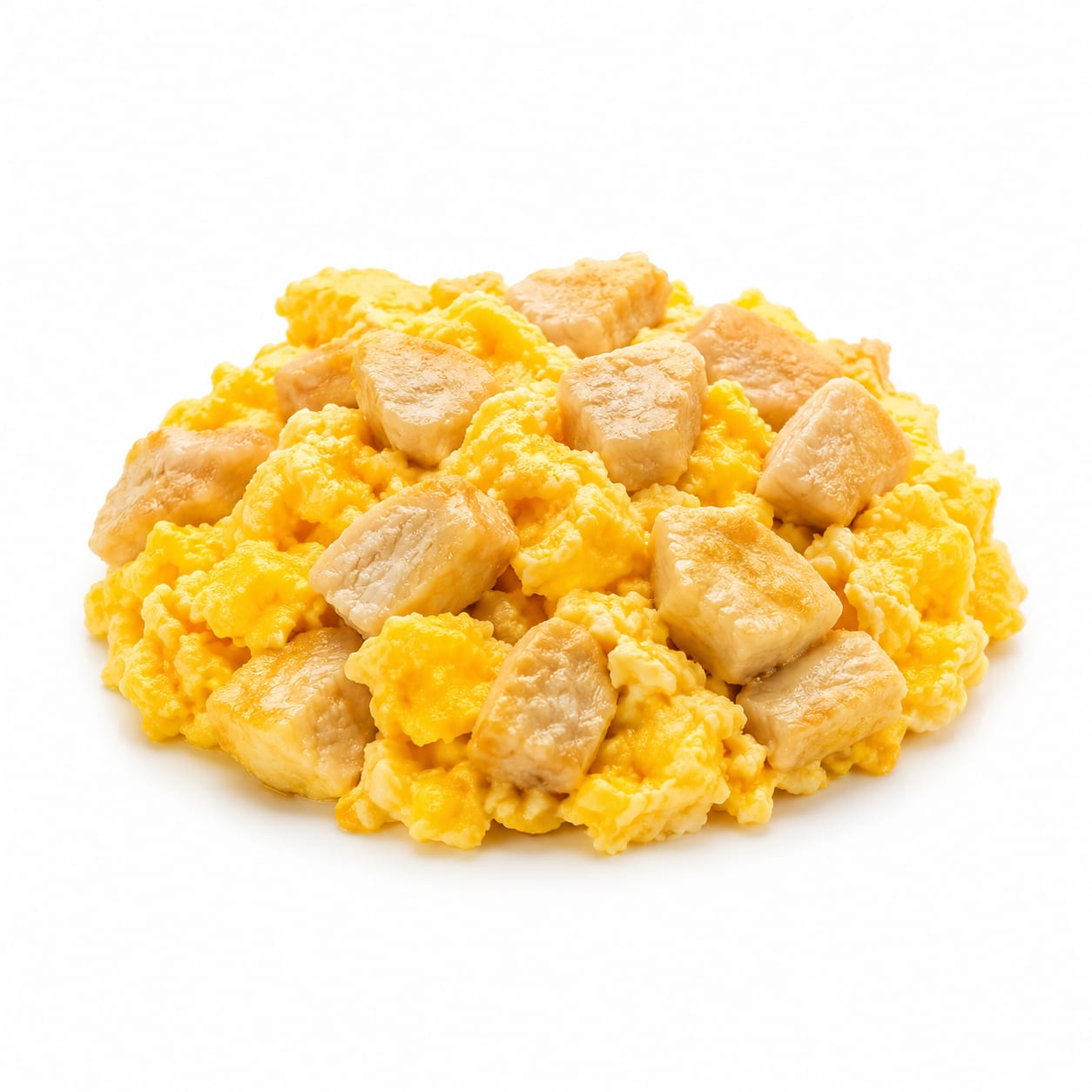
Chicken Egg
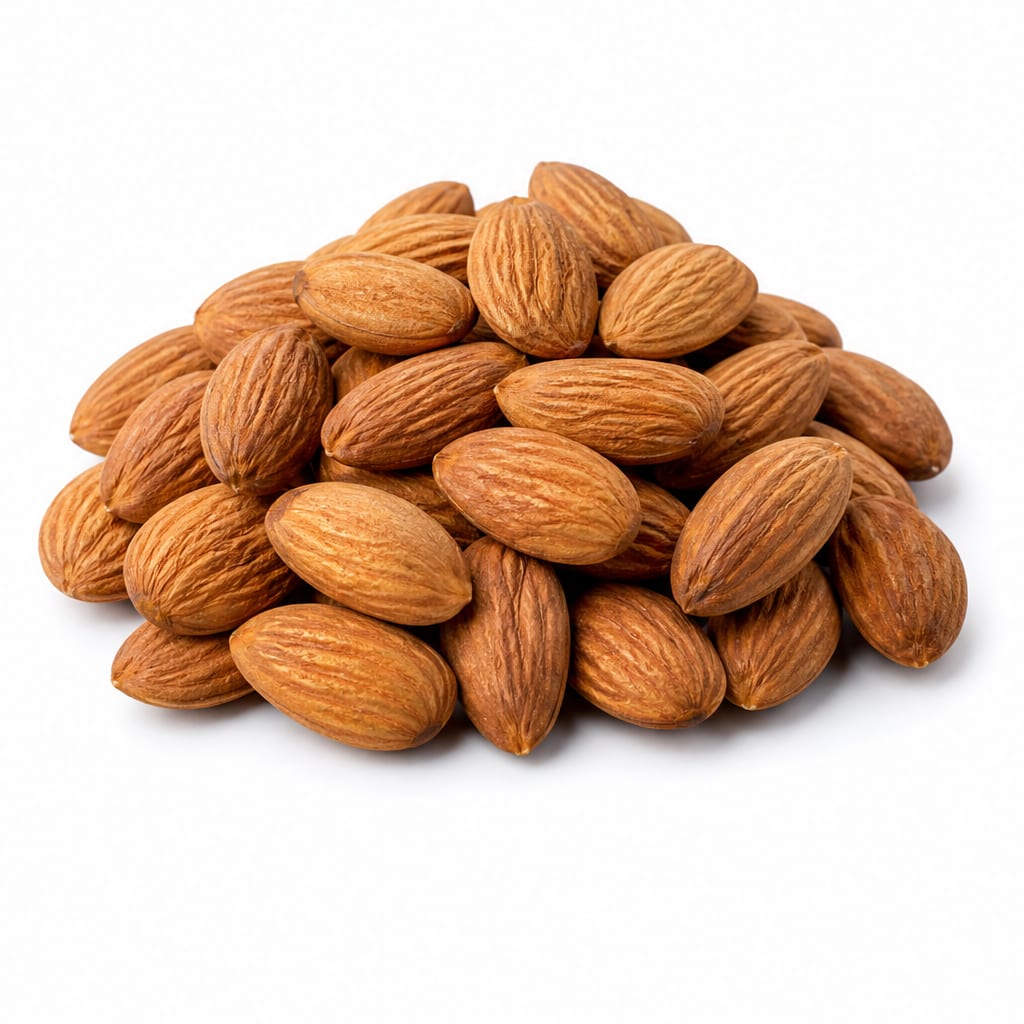
Almonds
Chicken eggs win for protein quality and meal-building versatility, while almonds win for heart-healthy fats and portable snacking. They serve completely different eating occasions.
Chicken eggs score slightly higher due to superior protein quality, greater meal versatility, and better satiety per calorie. Almonds remain excellent for heart health and snacking convenience but lose ground on calorie density and overeating risk.
Eggs give you more protein per calorie with superior amino acid quality, but almonds deliver heart-protective monounsaturated fats and vitamin E that eggs cannot match.
At a glance
Executive summary
Overall
It depends
Healthier
It depends
More practical
Chicken Egg
Daily use
It depends
Key comparison lenses
protein source selection
Both are popular protein sources but differ dramatically in protein quality, density, and how they fit into meals
heart health cholesterol concerns
Eggs carry cholesterol anxiety while almonds are promoted as heart-healthy, making this a central tradeoff
calorie density and overeating
Almonds are extremely easy to overeat due to small serving size and high calorie density, eggs are more self-limiting
snack vs meal building
Almonds are a grab-and-go snack while eggs are a meal foundation, shaping how people actually use them
nutrient diversity and micronutrients
Each offers unique micronutrients the other lacks entirely, making them complementary rather than directly substitutable
Best choice for
Chicken Egg
- People building muscle who need complete, high-quality protein
- Anyone eating low-carb or keto who wants a filling meal base
- Budget-conscious eaters needing affordable nutrition
- Morning meal builders who want sustained energy without a crash
- Those recovering from illness needing easily digestible protein
Almonds
- Snackers wanting something portable that does not require refrigeration
- People focused on heart health and lowering LDL cholesterol
- Anyone needing vitamin E, magnesium, or plant-based fat sources
- Trail mix and on-the-go eaters who want crunch without cooking
- Vegans seeking plant-based fat and mineral density
Least suitable for
Chicken Egg
- People with egg allergies or egg intolerance
- Vegans and strict vegetarians
- Those with severe cholesterol concerns advised by their doctor to limit dietary cholesterol
- Anyone without access to refrigeration or cooking
Almonds
- People watching calorie intake who struggle with portion control
- Those with tree nut allergies
- Anyone prone to mindless snacking who cannot stop at a small handful
- People seeking high protein per calorie ratio
Deep comparison
Dimension by dimension
Each lens scores both foods and breaks down who each option suits.
- Dimension 1 · Priority 95Chicken Egg
protein_quality_and_density
Chicken Egg · 94Almonds · 62Chicken eggs provide complete protein with the highest biological value of any whole food, while almonds offer moderate protein with lower digestibility.
Tradeoff
You get roughly 6g of highly bioavailable protein per egg versus 6g of less complete protein per ounce of almonds, but almonds deliver it alongside heart-healthy fats.
Why it matters
Protein quality determines how effectively your body builds and repairs tissue. Eggs are the gold standard reference protein scientists use to measure all other proteins against.
Real-world impact
After two eggs for breakfast you feel genuinely full for hours. After a handful of almonds, you may still be hungry within an hour despite similar calorie counts.
Chicken Egg
- Post-workout muscle recovery
- Growing teenagers needing complete amino acids
- Older adults preventing muscle loss
Better for
- Vegans and those with egg allergies
Worse for
Almonds
- Plant-based eaters who avoid all animal products
- Adding protein crunch to salads and oatmeal
Better for
- Anyone prioritizing maximum muscle protein synthesis per calorie
Worse for
- Dimension 2 · Priority 90Almonds
heart_health_and_fat_profile
Chicken Egg · 58Almonds · 88Almonds are rich in monounsaturated fats and vitamin E that actively support cardiovascular health, while eggs contain saturated fat and dietary cholesterol that concern some people.
Tradeoff
Eggs provide brain-supportive choline and omega-3s if pasture-raised, but almonds consistently lower LDL cholesterol in clinical studies.
Why it matters
Heart disease remains the leading cause of death. The fat profile of your daily foods compounds over decades into meaningful cardiovascular outcomes.
Real-world impact
Swapping a daily egg for an ounce of almonds could shift your LDL cholesterol downward over months, though the effect is modest for most healthy people.
Chicken Egg
- People needing choline for brain health and memory
- Pregnant women requiring choline for fetal development
Better for
- People with hypercholesterolemia advised to limit dietary cholesterol
Worse for
Almonds
- Anyone with elevated LDL cholesterol
- People with family history of heart disease seeking preventive dietary changes
Better for
- Those already at very low body fat who need more saturated fat for hormone production
Worse for
- Dimension 3 · Priority 88Chicken Egg
satiety_and_overeating_risk
Chicken Egg · 85Almonds · 55Eggs are naturally self-limiting and highly filling, while almonds are dangerously easy to overeat due to extreme calorie density and small serving size.
Tradeoff
One egg is 70 calories and feels like a complete food unit. One ounce of almonds is 164 calories and barely covers your palm.
Why it matters
Portion control failures undo healthy eating intentions more than any single nutritional factor. The food you cannot stop eating is the food that harms you regardless of its nutrient profile.
Real-world impact
It is very hard to accidentally eat six eggs. It is remarkably easy to accidentally eat six servings of almonds while watching TV.
Chicken Egg
- Emotional eaters who need built-in portion boundaries
- Anyone counting calories who wants maximum fullness per unit
Better for
- Those who find eggs unsatisfying without added carbs or fat
Worse for
Almonds
- Underweight individuals needing calorie density to gain weight
- Athletes who genuinely need concentrated energy in small volumes
Better for
- Anyone who has ever eaten half a bag of almonds without noticing
- Calorie counters who underestimate nut portions
Worse for
- Dimension 4 · Priority 80It depends
micronutrient_uniqueness
Chicken Egg · 82Almonds · 80Eggs deliver choline, B12, vitamin D, and selenium that almonds lack entirely. Almonds provide vitamin E, magnesium, and manganese that eggs cannot match.
Tradeoff
Neither food replaces the other nutritionally. They fill completely different micronutrient gaps in your diet.
Why it matters
Micronutrient deficiencies create subtle fatigue, brain fog, and immune weakness that accumulate silently over years.
Real-world impact
If you eat only eggs and no nuts, you may develop low magnesium over time. If you eat only almonds and no eggs, you risk B12 and choline deficiency.
Chicken Egg
- Brain health and cognitive function via choline
- Nerve function and energy metabolism via B12
Better for
- Those assuming eggs provide all essential micronutrients they need
Worse for
Almonds
- Antioxidant protection and skin health via vitamin E
- Bone health and sleep quality via magnesium
Better for
- Vegans who think almonds replace all animal-source nutrients
Worse for
- Dimension 5 · Priority 82Chicken Egg
convenience_and_versatility
Chicken Egg · 80Almonds · 75Eggs transform into dozens of distinct dishes from scrambled to baked to poached. Almonds are versatile as an ingredient but limited as a standalone food.
Tradeoff
Eggs require cooking and refrigeration but become meals. Almonds need zero prep but remain a snack or garnish.
Why it matters
The food you can turn into a satisfying meal is the food that actually replaces less healthy options. Snacks do not displace junk food as effectively as real meals.
Real-world impact
A carton of eggs can produce a different dinner every night of the week. A bag of almonds tastes the same every time.
Chicken Egg
- Home cooks who want one ingredient to anchor multiple meals
- Anyone who needs a hot, comforting breakfast
Better for
- Anyone without a kitchen or stove available
- People who cannot refrigerate food at work
Worse for
Almonds
- Commuters and travelers who need shelf-stable nutrition
- Hikers and outdoor athletes needing lightweight energy
Better for
- Those who want a hot, satisfying meal rather than a cold snack
Worse for
- Dimension 6 · Priority 78It depends
blood_sugar_stability
Chicken Egg · 82Almonds · 78Both foods have minimal impact on blood sugar, but eggs provide steadier energy with zero carbs while almonds add fiber that slows absorption of their small carb content.
Tradeoff
Eggs give you pure protein and fat with no glycemic response at all. Almonds add helpful fiber but carry slightly more carbohydrate.
Why it matters
Blood sugar spikes and crashes drive cravings, fatigue, and long-term metabolic damage. Stable energy is the foundation of feeling good all day.
Real-world impact
Neither food will cause an energy crash. Both are excellent choices for avoiding the afternoon slump that comes from carb-heavy meals.
Chicken Egg
- Diabetics wanting zero glycemic impact
- Intermittent fasters breaking a fast gently
Better for
- People eating eggs alone who miss the satiety fiber provides
Worse for
Almonds
- Those who benefit from fiber supporting gut health alongside blood sugar control
Better for
- Strict keto dieters tracking even trace carbohydrates
Worse for
Timeline
Health impact over time
Short-term
Hours to days
Chicken Egg
- Quick, sustained fullness after eating due to high satiety protein
- Steady energy without blood sugar spikes or crashes
- Possible digestive comfort issues if eating too many at once
Almonds
- Moderate fullness that fades faster than expected given the calorie count
- Steady blood sugar with no crash risk
- Risk of consuming far more calories than intended if eating directly from the bag
Long-term
Months to years
Chicken Egg
- Consistent high-quality protein intake supports muscle maintenance with aging
- Choline intake supports brain health and may reduce cognitive decline risk
- Dietary cholesterol has modest impact on blood cholesterol for most people, but hyper-responders should monitor
- Regular egg consumption associated with no increased heart disease risk in most large studies
Almonds
- Daily almond consumption consistently linked to lower LDL cholesterol and improved heart markers
- Vitamin E intake supports skin health and antioxidant defense over decades
- Magnesium contributes to better sleep quality and reduced cramping
- Calorie density means long-term weight gain risk if portions are not managed carefully
Risk profile
Safety & processing
Both foods are whole and minimally processed in their natural forms. However, roasted and salted almonds often add oils and sodium, while some commercial eggs may come from hens given antibiotics. Choose pasture-raised eggs and raw or dry-roasted unsalted almonds for maximum naturalness.
Chicken Egg
Salmonella contamination
mediumRaw or undercooked eggs can carry Salmonella. Proper cooking eliminates this risk entirely. Pasteurized eggs are available for high-risk individuals.
Antibiotic and hormone exposure
lowConventional eggs may come from hens treated with antibiotics. Pasture-raised and organic certifications reduce this concern significantly.
Almonds
Pesticide residue on conventionally grown almonds
mediumAlmonds are often treated with pesticides. Choosing organic reduces exposure. California almond production also uses specific pasteurization methods that some consumers wish to avoid.
Oxalate accumulation
lowAlmonds contain moderate oxalates. People with kidney stone history should moderate intake and ensure adequate hydration.
Mold and aflatoxin contamination
lowTree nuts can develop mold in poor storage conditions. Buying from reputable sources and storing in cool, dry environments minimizes risk.
Who wins for whom
Audience fit
Same foods, different winners depending on your goal.
children
Chicken EggEggs provide choline and B12 critical for brain development, and most children find eggs more palatable and easier to eat in meals than almonds. Nut allergy risk also makes almonds less universally suitable.
daily consumption
It dependsEggs are better as a daily meal component providing consistent protein and micronutrients. Almonds are better as a daily snack providing heart-healthy fats. Most people benefit from including both regularly rather than choosing one exclusively.
diabetes
Chicken EggBoth foods have minimal glycemic impact, but eggs provide zero carbohydrates and higher protein content, making blood sugar management slightly more straightforward.
elderly
Chicken EggOlder adults need high-quality protein to prevent sarcopenia and choline for cognitive health. Eggs deliver both efficiently in an easy-to-chew, digestible format.
muscle gain
Chicken EggEggs offer superior protein quality with a complete amino acid profile and higher leucine content, which directly triggers muscle protein synthesis more effectively than almond protein.
weight loss
Chicken EggEggs provide more satiety per calorie and are harder to overeat, making calorie control easier. Almonds are calorie-dense and easy to overconsume, which undermines weight loss despite their health benefits.
Your move
Decision guide
Choose Chicken Egg
- You want a filling meal base that keeps you satisfied for hours
- Building or maintaining muscle is a priority
- You need affordable, high-quality complete protein
- You are eating low-carb or keto and need versatile cooking ingredients
- You want brain-supportive choline and B12 in your regular diet
Choose Almonds
- You need a shelf-stable snack that requires no cooking or refrigeration
- Heart health and lowering LDL cholesterol are top priorities
- You want vitamin E, magnesium, and plant-based fat sources
- You are hiking, traveling, or commuting and need portable nutrition
- You are underweight or an athlete who benefits from calorie-dense foods
Either works if
- You want steady energy without blood sugar crashes
- You are looking for minimally processed whole food options
- You need healthy fat sources to round out a balanced diet
Avoid both if
- You have both egg and tree nut allergies
- You are on a strict very-low-fat diet for medical reasons
- You cannot control portions with calorie-dense foods and also eat eggs excessively
Final recommendation
Eat both for different occasions. Have eggs as your protein-rich meal foundation in the morning or at dinner. Keep almonds as your heart-healthy snack or salad topping. They are complementary foods, not competitors. The real mistake is choosing only one and missing the unique nutrients the other provides.
Practical
Consumer tips
- 1
Weigh your almonds instead of estimating. A proper ounce is roughly 23 almonds and 164 calories. Eyeballing it usually leads to overeating.
- 2
Choose pasture-raised eggs when possible. They contain more omega-3s and vitamin D than conventional eggs, and the hens live better lives.
- 3
Buy raw or dry-roasted unsalted almonds. Oil-roasted and salted versions add unnecessary fat and sodium that undermine the health benefits.
- 4
Two eggs at breakfast provides 12g of complete protein for only 140 calories. That is hard to beat for satiety and nutrition density combined.
- 5
Soak almonds overnight to improve digestibility and reduce phytic acid, which can block mineral absorption.
- 6
Do not fear eggs despite cholesterol headlines. Large studies consistently show that moderate egg consumption does not increase heart disease risk for most healthy people.
- 7
Store almonds in the refrigerator or freezer to prevent rancidity. Their healthy fats oxidize faster at room temperature than most people realize.