
Nutrition comparison
Chicken Egg vs Greek Yogurt: Nutrition, Protein & Health Comparison
Compare Chicken Egg vs Greek Yogurt to see which is better for protein, weight loss, and gut health. Learn the nutritional tradeoffs and best uses for each.
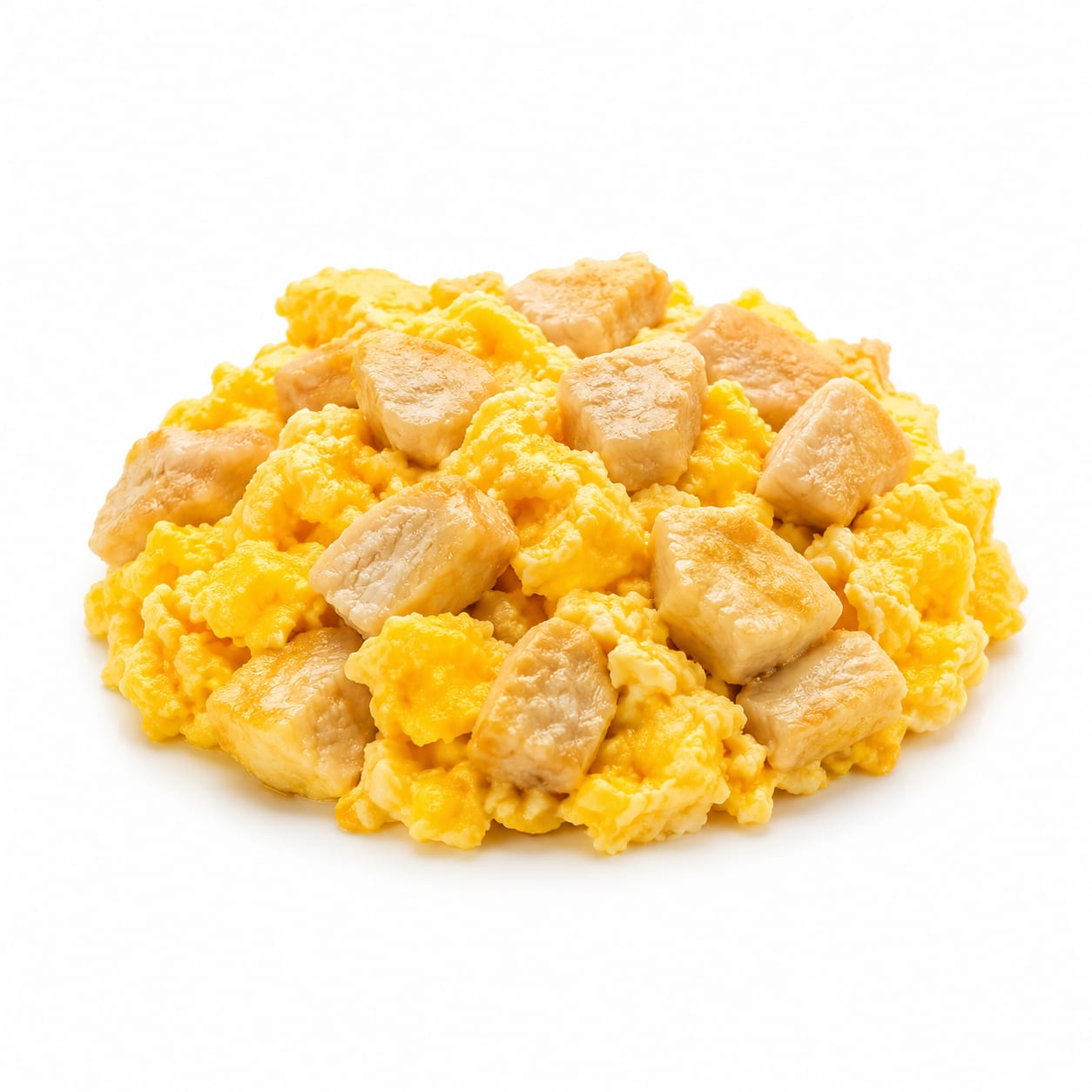
Chicken Egg
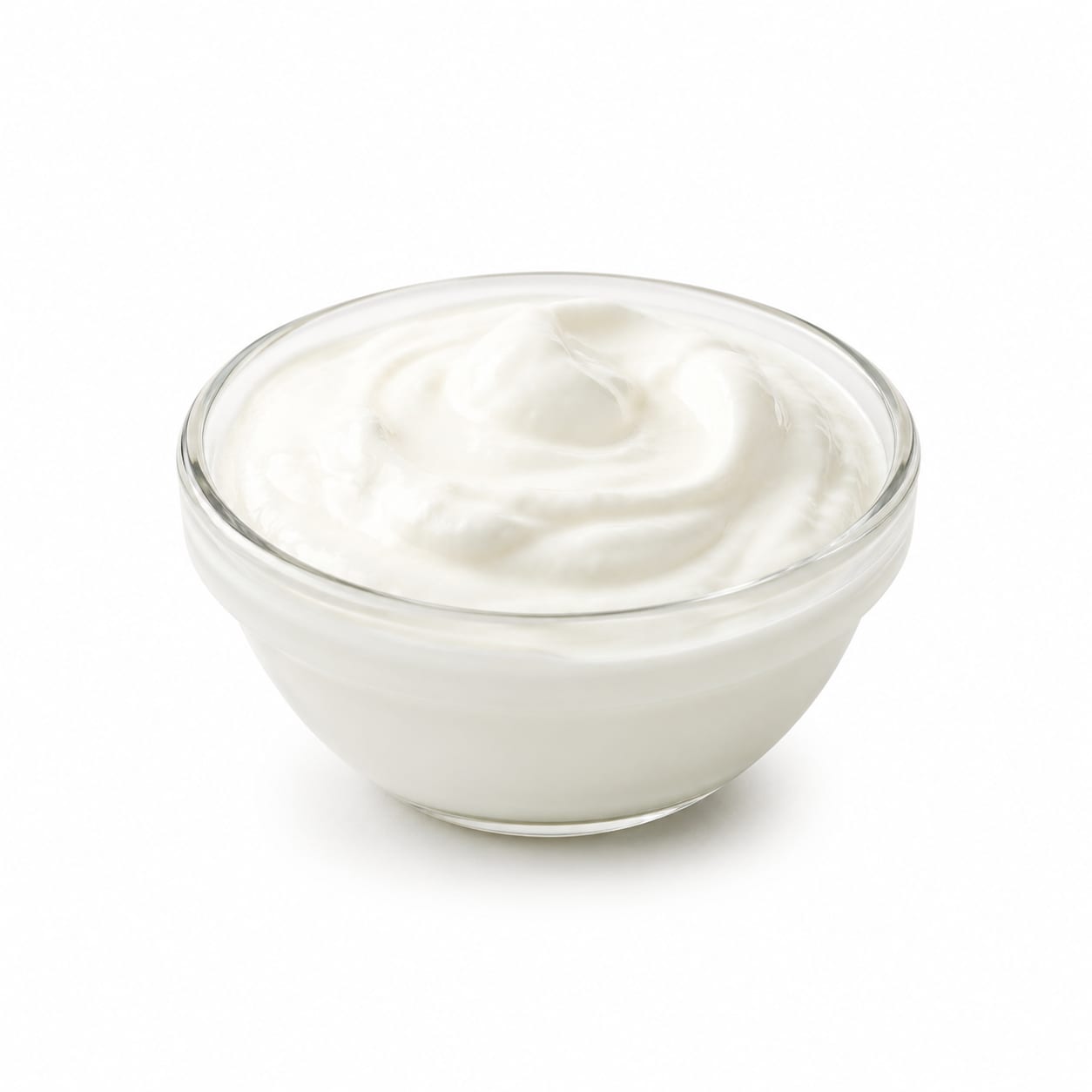
Greek Yogurt
Chicken Eggs provide superior protein density and lasting satiety, while Greek Yogurt wins on convenience, gut health, and bone support.
Chicken Eggs edge out slightly in protein quality and satiety, but Greek Yogurt stays highly competitive due to its probiotic content and unmatched convenience.
You trade the zero-carb, high-satiety cooking requirement of Chicken Eggs for the grab-and-go probiotic benefits of Greek Yogurt.
At a glance
Executive summary
Overall
It depends
Healthier
It depends
More practical
Greek Yogurt
Daily use
It depends
Key comparison lenses
High-quality protein source selection
Both foods are top-tier protein sources, but they differ in protein density and digestion speed.
Satiety and weight management
Users often compare these for breakfast to see which keeps them full longer and prevents overeating.
Gut health and probiotics
Greek Yogurt offers unique probiotic benefits that Chicken Eggs completely lack.
Convenience and meal timing
Greek Yogurt is grab-and-go, while Chicken Eggs require cooking, impacting daily adherence.
Cholesterol and heart health concerns
Chicken Eggs face scrutiny for dietary cholesterol, whereas Greek Yogurt carries saturated fat questions.
Best choice for
Chicken Egg
- Low-carb and keto dieters
- Those needing long-lasting hunger control
- People focusing on muscle gain and brain health
Greek Yogurt
- Busy professionals needing instant breakfasts
- People seeking digestive regularity
- Older adults needing extra calcium
Least suitable for
Chicken Egg
- Egg allergy sufferers
- Rushed mornings with zero prep time
- Vegans and strict plant-based eaters
Greek Yogurt
- Lactose intolerant individuals
- Dairy-free dieters
- Those wanting savory dinner sides
Deep comparison
Dimension by dimension
Each lens scores both foods and breaks down who each option suits.
- Dimension 1 · Priority 95Chicken Egg
Protein Quality & Density
Chicken Egg · 92Greek Yogurt · 85Chicken Eggs have a perfect biological value and slightly higher protein per calorie compared to Greek Yogurt.
Tradeoff
You get more bioavailable protein from Chicken Eggs, but Greek Yogurt offers faster digestion and absorption.
Why it matters
Higher biological value means your body uses the protein more efficiently for muscle repair and cell maintenance.
Real-world impact
Eating Chicken Eggs after a workout gives your muscles a slightly superior building block compared to Greek Yogurt.
Chicken Egg
- Athletes needing complete amino acid profiles
- Zero-carb dieters
Better for
- People avoiding animal fats
- Those needing a quick no-cook protein
Worse for
Greek Yogurt
- Those who struggle to chew heavy proteins
- People wanting a lighter protein source
Better for
- Strict low-carb dieters due to lactose content
- People needing long-lasting satiety from fats
Worse for
- Dimension 2 · Priority 85Greek Yogurt
Gut Health & Digestion
Chicken Egg · 50Greek Yogurt · 90Greek Yogurt contains live probiotics that support gut flora, while Chicken Eggs are neutral for digestion.
Tradeoff
Greek Yogurt actively improves gut health, whereas Chicken Eggs simply provide easy-to-digest nutrition without gut benefits.
Why it matters
A healthy gut microbiome affects everything from immunity to mood and reduces bloating.
Real-world impact
Regularly eating Greek Yogurt can lead to smoother digestion and less bloating, especially after heavy meals.
Chicken Egg
- People with severe lactose intolerance
- Those avoiding dairy entirely
Better for
- Individuals with egg sensitivities causing bloating
- Those seeking digestive-friendly quick snacks
Worse for
Greek Yogurt
- Anyone needing probiotics for gut flora
- People with sluggish digestion
Better for
- Lactose intolerant individuals
- Those sensitive to fermented foods
Worse for
- Dimension 3 · Priority 90Chicken Egg
Satiety & Fullness
Chicken Egg · 90Greek Yogurt · 75The fat and protein combination in Chicken Eggs keeps you full much longer than Greek Yogurt.
Tradeoff
Chicken Eggs prevent the mid-morning crash effectively, but Greek Yogurt feels lighter if you dislike eating heavy early in the day.
Why it matters
Better satiety means fewer cravings and better portion control throughout the day.
Real-world impact
A breakfast of Chicken Eggs will easily carry you to lunch, while Greek Yogurt might leave you hunting for a snack by 10 AM.
Chicken Egg
- People trying to avoid snacking between meals
- Those eating in a caloric deficit
Better for
- Anyone wanting a light stomach before a workout
- People who feel sluggish after heavy meals
Worse for
Greek Yogurt
- Those wanting a light post-workout recovery
- People who prefer smaller, frequent meals
Better for
- People prone to hunger shortly after eating
- Those needing high-fat fuel for lasting energy
Worse for
- Dimension 4 · Priority 80Greek Yogurt
Convenience & Preparation
Chicken Egg · 55Greek Yogurt · 95Greek Yogurt is instantly ready to eat, while Chicken Eggs require cooking and cleanup.
Tradeoff
You save time and dishes with Greek Yogurt, but sacrifice the hot, savory satisfaction of a freshly cooked meal.
Why it matters
Convenience often dictates what you actually eat on busy mornings versus what you wish you had time to cook.
Real-world impact
On a rushed Tuesday, you will actually eat the Greek Yogurt, whereas the Chicken Eggs might get skipped entirely.
Chicken Egg
- Home cooks wanting versatile ingredients
- Those meal-prepping savory dishes
Better for
- Anyone without cooking access
- Rushed mornings with zero prep time
Worse for
Greek Yogurt
- Busy professionals needing instant breakfasts
- Gym-goers needing immediate post-workout fuel
Better for
- Those wanting hot, savory meals
- People without reliable refrigeration on the go
Worse for
- Dimension 5 · Priority 75It depends
Micronutrient Profile
Chicken Egg · 85Greek Yogurt · 85Chicken Eggs win for brain-boosting choline and B-vitamins, while Greek Yogurt dominates in bone-strengthening calcium.
Tradeoff
You choose between cognitive support from Chicken Eggs or skeletal support from Greek Yogurt.
Why it matters
Different life stages demand different micronutrients, making neither universally superior.
Real-world impact
Eating Chicken Eggs supports memory and focus, while Greek Yogurt helps prevent stress fractures and osteoporosis.
Chicken Egg
- Pregnant women needing choline
- Those focusing on brain health
Better for
- People needing high calcium intake
- Those avoiding dietary cholesterol
Worse for
Greek Yogurt
- Older adults needing calcium for bone density
- Those wanting iodine and bone-supporting minerals
Better for
- Individuals needing choline for cognitive support
- Those avoiding dairy-based minerals
Worse for
Timeline
Health impact over time
Short-term
Hours to days
Chicken Egg
- Rapid and lasting fullness without sugar crashes
- Sustained energy for physically demanding mornings
Greek Yogurt
- Quick protein replenishment for muscles
- Soothing effect on the stomach due to probiotics
Long-term
Months to years
Chicken Egg
- Improved brain function and memory from choline
- Sustained muscle maintenance from complete proteins
Greek Yogurt
- Stronger bones and teeth from high calcium
- Improved gut microbiome diversity and immunity
Risk profile
Safety & processing
Both foods are whole, minimally processed options. Plain Greek Yogurt contains only milk and live cultures, while Chicken Eggs are entirely unprocessed in their natural state.
Chicken Egg
Salmonella contamination
mediumRaw or undercooked Chicken Eggs can carry Salmonella, requiring careful handling and thorough cooking to eliminate risk.
Greek Yogurt
Dairy spoilage and Listeria
lowGreek Yogurt must be kept consistently refrigerated; though pasteurized, improper storage can lead to spoilage or rare Listeria risks.
Who wins for whom
Audience fit
Same foods, different winners depending on your goal.
children
Greek YogurtGreek Yogurt is easier to chew, provides crucial calcium for growing bones, and is less of a choking hazard than hard-boiled Chicken Eggs.
daily consumption
It dependsRotating both provides a broader spectrum of nutrients—choline from Chicken Eggs and calcium from Greek Yogurt—without overconsuming either.
diabetes
Chicken EggChicken Eggs contain zero carbohydrates, eliminating any blood sugar spikes, whereas Greek Yogurt has trace lactose sugars.
elderly
Greek YogurtGreek Yogurt is easier to swallow, supplies calcium to prevent osteoporosis, and offers probiotics for age-related digestive slowdowns.
muscle gain
Chicken EggChicken Eggs have a slightly higher leucine content and overall protein density, which is ideal for triggering muscle protein synthesis.
weight loss
Chicken EggChicken Eggs provide higher satiety due to their fat and protein combination, making it easier to eat less throughout the day.
Your move
Decision guide
Choose Chicken Egg
- You need a zero-carb, high-satiety meal to prevent snacking
- You want versatile cooking options for any meal
- You are focusing on muscle gain and brain health
Choose Greek Yogurt
- You need a quick, no-cook protein source on busy mornings
- You want to improve your gut health and digestion
- You need more calcium for bone support
Either works if
- You just need a high-quality protein source after a workout
- You are building a balanced breakfast bowl
Avoid both if
- You have both egg and dairy allergies
- You are on a strict vegan diet
Final recommendation
Keep both in your fridge for different occasions. Use Chicken Eggs for hearty, savory meals that keep you full for hours, and Greek Yogurt for quick, gut-friendly snacks or light breakfasts.
Practical
Consumer tips
- 1
Always buy plain, unsweetened Greek Yogurt to avoid hidden sugars; add your own fruit for flavor.
- 2
Cook Chicken Eggs thoroughly until both the yolk and white are firm to eliminate Salmonella risk.
- 3
Pair Greek Yogurt with nuts or seeds to add healthy fats and make it more filling.
- 4
Do not discard the egg yolk; it contains the majority of the vitamins and brain-boosting choline.