
Nutrition comparison
Chicken Egg vs Cottage Cheese: Which Protein Source Is Better for You?
Compare Chicken Eggs and Cottage Cheese head-to-head on protein, satiety, convenience, and nutrition. Find out which fits your goals better—complete with real-world tradeoffs and expert recommendations.
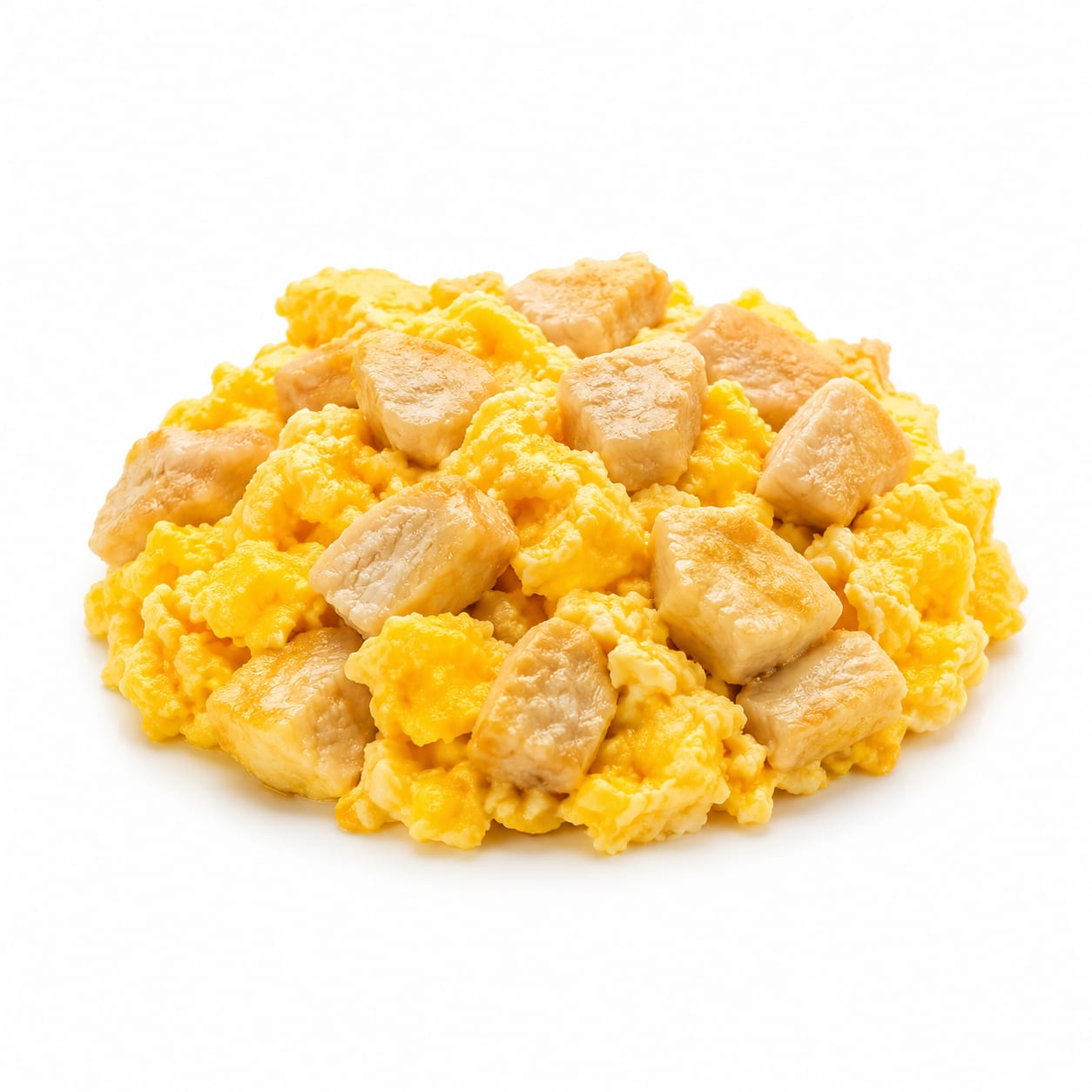
Chicken Egg
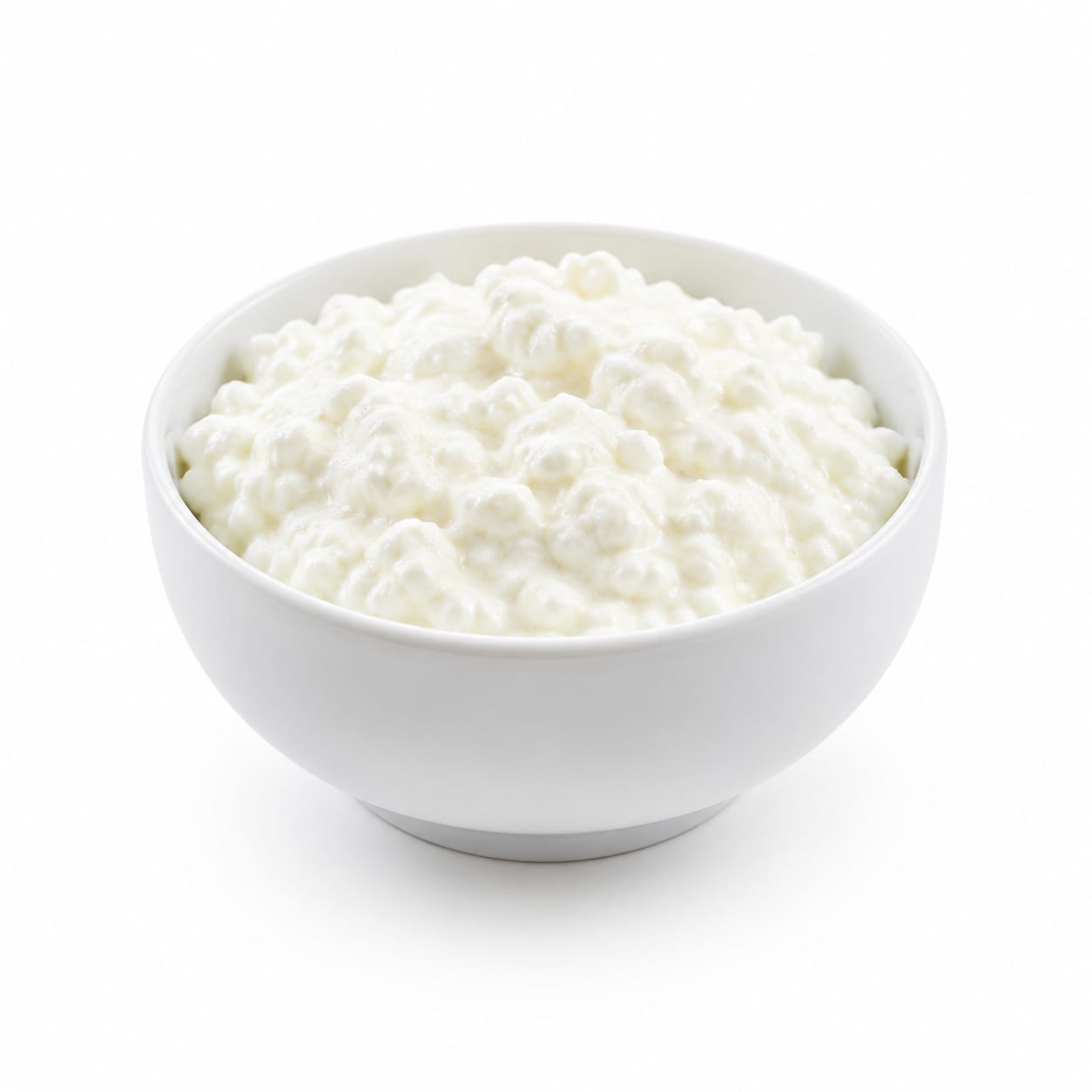
Cottage Cheese
Chicken Eggs win on micronutrient density and cooking versatility, while Cottage Cheese wins on protein volume per calorie and sustained amino acid delivery.
Chicken Eggs score slightly higher due to superior micronutrient breadth and culinary versatility, but Cottage Cheese stays competitive with higher protein yield and casein's sustained release. The close scores reflect that neither dominates—the better pick depends entirely on your goals.
Eggs give you broader nutrition in a convenient package but less total protein; Cottage Cheese delivers more protein with slower absorption but carries a sodium load and less culinary flexibility.
At a glance
Executive summary
Overall
It depends
Healthier
It depends
More practical
Chicken Egg
Daily use
Cottage Cheese
Key comparison lenses
high-quality protein source selection
Both foods are top-tier protein sources, so users are likely deciding which fits their daily protein strategy better
satiety and appetite control
Both are filling but through different mechanisms—eggs via fat and protein synergy, cottage cheese via slow-digesting casein
cholesterol and heart health concerns
Eggs carry ongoing cholesterol anxiety for many users, while cottage cheese raises sodium concerns
convenience and meal prep practicality
Preparation ease, portability, and storage differ significantly between these two foods
muscle recovery and athletic performance
Both are popular among fitness-focused eaters, but protein timing and absorption profiles differ
Best choice for
Chicken Egg
- People wanting nutrient-dense whole food with vitamins and minerals
- Those who cook meals and want versatile ingredients
- Anyone needing quick satisfying breakfasts
- Budget-conscious eaters seeking complete nutrition
Cottage Cheese
- Anyone chasing high daily protein targets
- Late-night snackers wanting slow-release protein
- People preferring grab-and-eat convenience with zero cooking
- Those wanting lower calorie density per gram of protein
Least suitable for
Chicken Egg
- People with egg allergies or intolerances
- Those strictly managing dietary cholesterol
- Vegans and plant-based eaters
Cottage Cheese
- People with dairy allergies or lactose intolerance
- Those on sodium-restricted diets
- Vegans and plant-based eaters
Deep comparison
Dimension by dimension
Each lens scores both foods and breaks down who each option suits.
- Dimension 1 · Priority 95Cottage Cheese
Protein Quality and Quantity
Chicken Egg · 78Cottage Cheese · 88Cottage Cheese delivers roughly double the protein per typical serving with slow-digesting casein that feeds muscles for hours. Eggs offer excellent amino acid completeness but less total protein per eating occasion.
Tradeoff
You get more protein per sitting from Cottage Cheese, but Eggs provide a faster-digesting protein that spikes muscle protein synthesis more acutely after exercise.
Why it matters
If you are hitting protein targets across the day, Cottage Cheese makes it easier. If you want post-workout rapid absorption, Eggs have an edge.
Real-world impact
A single serving of Cottage Cheese at night can keep your muscles fed until morning, while two Eggs at breakfast jumpstart your day but may leave you hungry sooner.
Chicken Egg
- Post-workout rapid protein delivery
- Meals where you want balanced macros including healthy fats
Better for
- Getting large protein amounts in a single sitting requires eating many eggs
Worse for
Cottage Cheese
- Hitting high daily protein goals without excess calories
- Nighttime protein to prevent overnight muscle breakdown
- Cutting phases where protein-per-calorie matters most
Better for
- Not ideal when you want fast-digesting protein right after training
Worse for
- Dimension 2 · Priority 85Chicken Egg
Micronutrient Density
Chicken Egg · 92Cottage Cheese · 65Eggs are a micronutrient powerhouse—choline, vitamin D, B12, selenium, and vitamin A in one package. Cottage Cheese primarily offers calcium and phosphorus.
Tradeoff
Eggs give you a wider vitamin and mineral spectrum, while Cottage Cheese focuses heavily on bone-supporting minerals but misses the broader nutrient profile.
Why it matters
Choline alone makes Eggs stand out—it supports brain health and most people fall short. Vitamin D from Eggs is also rare in common foods.
Real-world impact
Eating Eggs regularly can meaningfully close nutrient gaps that Cottage Cheese simply cannot fill, especially for choline and vitamin D.
Chicken Egg
- Brain health and cognitive function via choline
- Bone and immune support from vitamin D
- Overall nutrient gap closure in a single food
Better for
- Not a significant calcium source
Worse for
Cottage Cheese
- Bone density support through concentrated calcium
- Pairing with foods that lack minerals
Better for
- Missing choline, vitamin D, and several B vitamins that Eggs provide
Worse for
- Dimension 3 · Priority 88It depends
Satiety and Fullness
Chicken Egg · 85Cottage Cheese · 85Both foods score high on satiety but through different paths. Eggs combine fat and protein for immediate fullness, while Cottage Cheese uses casein's slow digestion for prolonged satisfaction.
Tradeoff
Eggs fill you up fast and satisfyingly at the meal; Cottage Cheese keeps you fuller for longer after eating.
Why it matters
Your satiety needs differ by situation—morning rush versus afternoon slump versus late-night craving.
Real-world impact
Two Eggs at breakfast feel deeply satisfying in the moment, but a bowl of Cottage Cheese at 3 PM can prevent the pre-dinner snack attack.
Chicken Egg
- Meals where immediate satisfaction matters most
- Breaking a fast with something that feels substantial
Better for
- Hunger may return sooner compared to casein-rich Cottage Cheese
Worse for
Cottage Cheese
- Stretching fullness between widely spaced meals
- Preventing late-night hunger pangs
Better for
- Less immediate eating satisfaction without the fat content Eggs provide
Worse for
- Dimension 4 · Priority 80Chicken Egg
Sodium and Heart Health
Chicken Egg · 82Cottage Cheese · 55Eggs contain minimal sodium but carry dietary cholesterol. Cottage Cheese is surprisingly high in sodium—often 350-400mg per serving—while being low in cholesterol.
Tradeoff
Eggs present a cholesterol concern for some, while Cottage Cheese presents a sodium concern. Which matters more depends on your personal health risks.
Why it matters
For blood pressure management, Cottage Cheese's sodium load is a real drawback. For lipid management, Eggs require more mindfulness.
Real-world impact
If your doctor said watch your blood pressure, Cottage Cheese works against you. If they said watch your cholesterol, Eggs need portion awareness.
Chicken Egg
- Low-sodium diets
- Blood pressure management
Better for
- Each egg contains about 186mg cholesterol, which matters for sensitive individuals
Worse for
Cottage Cheese
- Low-cholesterol diets
- People whose lipid panels are a bigger concern than blood pressure
Better for
- A single serving can deliver 15-20% of your daily sodium limit
Worse for
- Dimension 5 · Priority 78Cottage Cheese
Convenience and Practicality
Chicken Egg · 70Cottage Cheese · 88Cottage Cheese is ready to eat straight from the container with zero prep. Eggs require cooking, attention, and cleanup.
Tradeoff
Eggs offer more serving variety but demand effort. Cottage Cheese is monotonous but effortless.
Why it matters
When hunger hits and willpower is low, the food that requires zero effort wins. Cottage Cheese is always ready.
Real-world impact
At 6 AM before work or 10 PM after a long day, opening a Cottage Cheese container beats heating a pan, cracking shells, and washing dishes.
Chicken Egg
- Meal prep sessions where you cook in batches
- Situations where you want a hot, comforting meal
Better for
- Requires cooking equipment, time, and cleanup
- Less portable for on-the-go eating
Worse for
Cottage Cheese
- Grab-and-go breakfasts
- Office snacks requiring no preparation
- Post-gym fuel when you are too tired to cook
Better for
- Limited preparation variety—essentially eat it as-is
- Needs refrigeration and has a shorter open shelf life
Worse for
- Dimension 6 · Priority 72Chicken Egg
Culinary Versatility
Chicken Egg · 95Cottage Cheese · 40Eggs are arguably the most versatile ingredient in any kitchen—scrambled, fried, poached, baked, or used as a binder. Cottage Cheese is mostly eaten as-is or blended into limited recipes.
Tradeoff
Eggs can become dozens of different meals. Cottage Cheese is what it is, though it can be blended into smoothies or used in a few recipes.
Why it matters
If you eat the same food daily, variety prevents burnout. Eggs offer endless variety; Cottage Cheese gets repetitive fast.
Real-world impact
You can eat Eggs five days a week in five different ways. Cottage Cheese five days a week feels like the same experience every time.
Chicken Egg
- Preventing meal boredom and diet fatigue
- Cooking for others with different preferences
- Building meals around a protein source
Better for
- Requires some cooking skill to fully leverage versatility
Worse for
Cottage Cheese
- Minimalist eaters who do not care about variety
- Quick additions to smoothies for protein boosting
Better for
- Very limited recipe applications compared to Eggs
- Texture and flavor can feel monotonous quickly
Worse for
- Dimension 7 · Priority 70It depends
Digestive Tolerance
Chicken Egg · 75Cottage Cheese · 65Eggs are generally well-tolerated but can cause issues for those with sensitivities. Cottage Cheese contains lactose, which creates problems for a significant portion of the population.
Tradeoff
Egg intolerance is less common but can be severe. Lactose intolerance is widespread but varies in severity and often allows small portions.
Why it matters
Roughly 65% of the global population has some lactose malabsorption, making Cottage Cheese problematic for many. Egg allergy is less common but more likely to be serious.
Real-world impact
If dairy makes you bloated or uncomfortable, Cottage Cheese is a poor daily choice. If Eggs upset your stomach, they are equally problematic—but fewer people experience this.
Chicken Egg
- People with lactose intolerance or dairy sensitivity
- Those who find dairy causes bloating or congestion
Better for
- Egg allergies can be severe and even life-threatening
Worse for
Cottage Cheese
- People with egg allergies or sensitivities
- Those who find Eggs cause digestive discomfort or reflux
Better for
- Lactose content causes bloating, gas, or discomfort for many adults
Worse for
Timeline
Health impact over time
Short-term
Hours to days
Chicken Egg
- Quick satiety from fat-protein combination keeps you full for 2-3 hours
- Steady energy without blood sugar spikes
- Immediate satisfaction from warm, cooked food
Cottage Cheese
- Prolonged fullness from slow-digesting casein lasting 4-6 hours
- Possible bloating if lactose sensitive
- Convenient protein hit with no cooking delay
Long-term
Months to years
Chicken Egg
- Choline intake supports brain health and may reduce cognitive decline risk
- Regular egg consumption associated with improved HDL cholesterol profiles in most people
- Concern for individuals with genetic hypercholesterolemia who need stricter cholesterol limits
Cottage Cheese
- Consistent high protein intake supports muscle preservation with aging
- Calcium supports bone density over decades
- Sodium load may contribute to elevated blood pressure if consumed frequently without adjustment elsewhere
Risk profile
Safety & processing
Chicken Eggs are essentially unprocessed—laid and packaged. Cottage Cheese undergoes curdling, draining, and often contains added stabilizers, gums, or preservatives to extend shelf life and improve texture. Eggs are closer to a whole food, while Cottage Cheese is a step more processed, though still far from ultra-processed.
Chicken Egg
Salmonella contamination
mediumRaw or undercooked Eggs can carry Salmonella. Proper cooking eliminates this risk. Pasteurized eggs are available for vulnerable populations.
Allergic potential
mediumEgg allergy is one of the most common food allergies, especially in children. Reactions can range from mild hives to anaphylaxis.
Cottage Cheese
Lactose-related illness
lowNot a contamination risk but a tolerance issue. Cottage Cheese contains moderate lactose that causes digestive distress in sensitive individuals.
Bacterial contamination in unpasteurized varieties
lowMost commercial Cottage Cheese uses pasteurized milk, but raw milk versions carry Listeria and other pathogen risks.
Who wins for whom
Audience fit
Same foods, different winners depending on your goal.
children
Chicken EggEggs provide critical nutrients for development—choline for brain growth, vitamin D for bones—and most children enjoy them. Cottage Cheese's sodium content and texture are less ideal for young kids.
daily consumption
Cottage CheeseCottage Cheese is easier to eat daily due to zero prep and consistent protein delivery. Eggs require cooking and more effort, which can lead to skipping them on busy days.
diabetes
Chicken EggEggs have essentially zero carbohydrates and minimal sodium, making them gentler on blood sugar and easier to fit into a diabetes-friendly eating pattern.
elderly
It dependsEggs support brain health and are easy to chew, while Cottage Cheese supports bone density and muscle preservation. Both are valuable; combining them across the week is ideal.
muscle gain
Cottage CheeseHigher total protein per serving and casein's anti-catabolic effect make Cottage Cheese superior for muscle preservation and growth, especially as a nighttime protein source.
weight loss
Cottage CheeseCottage Cheese delivers more protein per calorie, and casein's prolonged satiety helps reduce overall snacking. Low-fat versions are especially calorie-efficient.
Your move
Decision guide
Choose Chicken Egg
- You want maximum nutrition per bite, including choline, vitamin D, and B12
- You enjoy cooking and want an ingredient that transforms into many different meals
- You are watching sodium intake or managing blood pressure
- You need a satisfying hot meal that feels like real food
Choose Cottage Cheese
- You are chasing high protein targets and want the easiest path there
- You need grab-and-go convenience with no cooking or cleanup
- You want slow-release protein before bed or between long gaps
- You prefer lower calorie density while keeping protein high
Either works if
- You simply need a high-quality protein source and have no specific restrictions
- You are building a balanced weekly meal plan and can rotate both
- Your priority is general health and satiety rather than optimizing one metric
Avoid both if
- You have both egg and dairy allergies
- You are following a strict vegan or plant-based diet
- You require very low protein intake due to kidney disease management
Final recommendation
Do not choose—rotate. Eat Eggs for breakfast a few days a week for their unmatched micronutrients and satisfying warmth. Keep Cottage Cheese in the fridge for high-protein snacks and late-night fuel. Together they cover each other's gaps beautifully. If forced to pick one, choose Eggs for overall nutrition and life enjoyment, Cottage Cheese for pure protein efficiency and convenience.
Practical
Consumer tips
- 1
Buy pasture-raised Eggs when possible—they contain significantly more omega-3s and vitamin D than conventional eggs
- 2
Choose low-sodium Cottage Cheese if blood pressure is a concern; some brands cut sodium by 40-50%
- 3
Look for Cottage Cheese with minimal ingredients—milk, cream, salt, and live cultures. Avoid brands with gums, stabilizers, or preservatives
- 4
Hard-boil a batch of Eggs on Sunday for grab-and-go protein throughout the week, bridging the convenience gap with Cottage Cheese
- 5
If lactose bothers you, try small-curd Cottage Cheese or rinse it—some find this reduces discomfort
- 6
Two Eggs plus a side of Cottage Cheese creates an exceptionally balanced high-protein meal with complementary nutrient profiles